You see pictures online of cute, compact chinchillas, and then you look at your own pet. The back is longer, the feet seem bigger, and when they stretch out, they take up half the couch cushion. Is there something wrong? Did you accidentally adopt a rabbit-chinchilla hybrid? Let's clear this up right away: the "giant chinchilla" isn't a formal breed you'll find in pet stores. It's what we in the chinchilla community call those individuals who simply grow larger than the standard. I've cared for several over the past decade, and trust me, their needs are subtly but importantly different.
Most guides are written for the average 1 to 1.5 lb chinchilla. If yours is pushing 2 lbs or has a body length (nose to tail base) over 12 inches, generic advice can lead to real problems—cages that are too cramped, wheels that cause back strain, and health issues that sneak up on you. This guide is for the owner of the substantial, the majestic, the genuinely big-boned chinchilla.
Quick Navigation: What You'll Learn
What Exactly is a "Giant Chinchilla"?
Forget any images of dog-sized rodents. We're talking about natural variation within the species *Chinchilla lanigera* (the long-tailed chinchilla commonly kept as a pet). Selective breeding for fur quality over decades has, in some lines, also resulted in slightly larger frames. A giant chinchilla is simply an individual at the upper end of the normal size spectrum.
Here’s a quick comparison to set realistic expectations:
| Size Category | Typical Body Length | Typical Weight | Key Consideration |
|---|---|---|---|
| Standard/Pet Quality | 9-11 inches (23-28 cm) | 1.0 - 1.5 lbs (450-700g) | Fits most commercially available equipment. |
| "Giant" / Large Individual | 12-14 inches (30-35 cm) | 1.6 - 2.2 lbs (700-1000g) | Requires careful selection of cages, wheels, and accessories. |
My first large chin, Mochi, was a rescue labeled "aggressive" because he kept trying to escape his tiny cage. The problem wasn't his temperament; he was a 2 lb chinchilla stuffed into a cage meant for a 1 lb animal. He was frustrated, not furious. Once we upgraded his space, he transformed into the gentlest dust-bathing lump you've ever seen.
How to Measure Your Chinchilla Correctly
Before you start buying new stuff, get the facts. Guessing leads to wasted money.
Step 1: The Length. Wait for a calm moment when your chin is standing normally on a flat surface. Use a soft tailor's tape measure. Place one end at the very base of the neck, where it meets the shoulders. Gently run the tape along the spine to the base of the tail (where the furry body ends and the tail vertebrae begin). Record this number. Do this three times over a week and average it.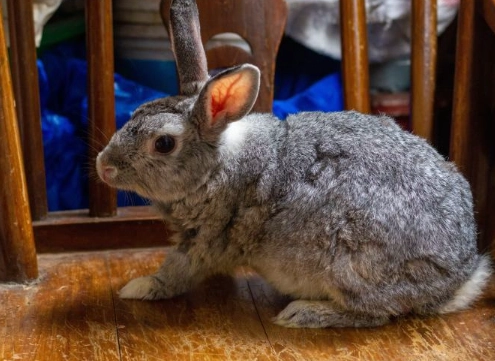
Step 2: The Weight. This is non-negotiable. Use a digital kitchen scale that measures in grams. Place a small bowl or container on the scale, tare it to zero, and gently place your chin inside. Weekly weigh-ins are crucial for large chins to monitor for unhealthy weight gain, which is a major joint stressor.
If your measurements consistently fall in the "Giant" range above, read on. If not, you might just have a very fluffy standard chin!
The Ultimate Cage Setup for a Large Chinchilla
This is where most owners go wrong. They think vertically. Big chinchillas need horizontal space more than anything.
Cage Dimensions: The Non-Negotiables
The Humane Society recommends minimum floor space for small animals, but for large chins, we need to exceed those. Your cage needs a footprint of at least 36 inches wide by 24 inches deep (91cm x 61cm). Height is secondary but should be a minimum of 36 inches to allow for climbing. Multi-level cages are great, but ensure the platforms are solid (not wire) and large enough—think dinner plate sized—for them to rest fully stretched.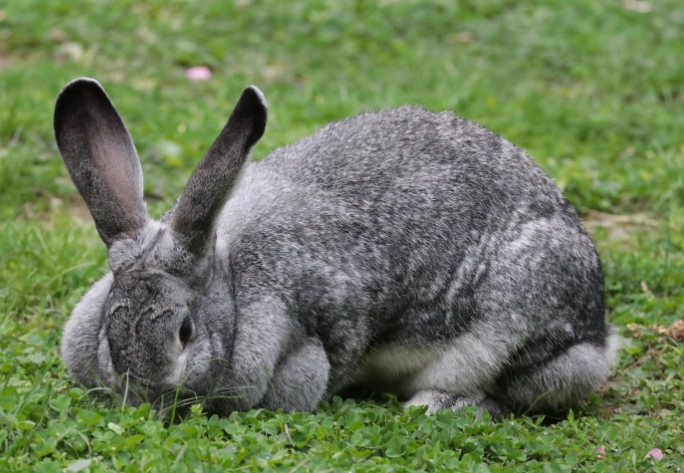
Critical Accessories for Comfort
The Wheel: A 12-inch wheel is a spinal injury waiting to happen for a big chin. It forces an unnatural arch. You need a 15-inch or preferably 16-inch solid-surface wheel (no wire!). The Chin Spin or similar metal wheels are worth the investment. Listen for a silent spin; any scraping means their back is hitting the top.
Shelves & Houses: That cute wooden hidey-hole with a 4-inch entrance? A large chin might get stuck, or worse, suffer from "butt burn" scraping their sides. Entrances should be at least 5x5 inches. Shelves should be mounted securely with extra brackets—big chins land with more force.
Diet Adjustments: It's Not Just More Food
Here's the expert tip nobody tells you: Do not simply double the pellet portion. A larger frame doesn't necessarily mean a faster metabolism. Overfeeding pellets is the fastest way to obesity and fatty liver disease.
The foundation remains the same: unlimited high-quality grass hay (Timothy or Orchard). This is for digestion and dental wear. The adjustment is in the pellets and treats.
Treats like oats or rose hips shouldn't increase proportionally. Stick to the same small treat size (a pinch), just maybe offer it slightly more frequently if they are very active. The goal is lean muscle mass, not fat.
Specific Health Concerns for Larger Chins
Their size makes them predisposed to specific issues. Vigilance is key.
Pododermatitis (Sore Hocks): More weight on delicate feet, especially on wire flooring, leads to painful sores. Solution: Cover all wire floors with solid inserts or fleece liners. Provide multiple soft, flat resting areas.
Joint Stress & Arthritis: This appears earlier, often around age 8-10. You might see hesitation before jumps, or a quieter demeanor. Solution: Arrange their cage to minimize huge leaps. Use ramps (with a gentle slope) between levels. Provide low-entry dust baths. Supplements like glucosamine are debated; consult an exotic vet before starting any.
Heat Stress: A larger body mass can overheat slightly faster. Be extra strict about keeping their room below 75°F (24°C).
Modifying Your Daily Care Routine
Your interactions need small tweaks.
Handling: Never scoop them up by the ribs. Support the entire underside. One hand under the chest, the other supporting the hindquarters and feet. They feel more secure and are less likely to kick.
Playtime: Chinchilla-proofing is even more critical. They can knock over lighter barriers and their longer reach means they can grab items you thought were safe. Supervise closely. Their play area doesn't need to be bigger, but it does need to be sturdier.
Grooming: They might need help reaching the middle of their back during dust baths. Ensure your bath container is long enough for a full roll. No tiny bowls.
Your Big Chinchilla Questions Answered
Caring for a giant chinchilla isn't about managing a medical condition; it's about adapting standard care to a bigger body. It requires more initial research and investment in properly sized equipment, but the payoff is immense. You get to share your life with a truly impressive, gentle giant whose purrs and curiosity are just as large as their frame. Pay attention to their unique needs, partner with a good exotic vet, and you'll have a happy, healthy companion for many years to come.
Comment