Rabbits can turn a beautiful yard into a chewed-up mess overnight. I've spent years dealing with them in my own garden, and let me tell you, the standard advice often misses the mark. This guide cuts through the noise to show you how to rid rabbits from your yard for good, using methods that actually work without harming the animals.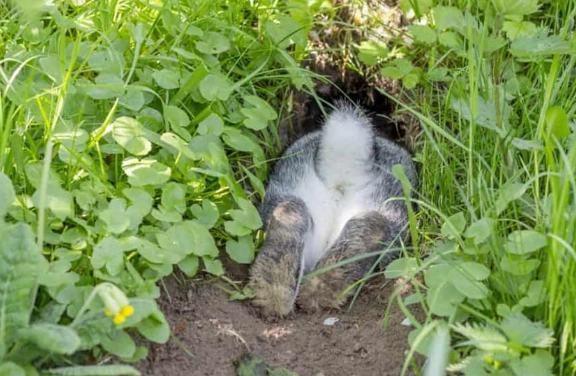
What You'll Learn in This Guide
Why Rabbits Love Your Yard (and How to Stop Them)
Rabbits aren't out to ruin your day—they're just looking for food and shelter. Your lush lawn and vegetable patch are like a buffet to them. Common attractants include clover, lettuce, and young seedlings. But here's a subtle mistake: people often overlook the shelter aspect. Rabbits need cover from predators, so dense shrubs, tall grass, or woodpiles near your garden are an open invitation.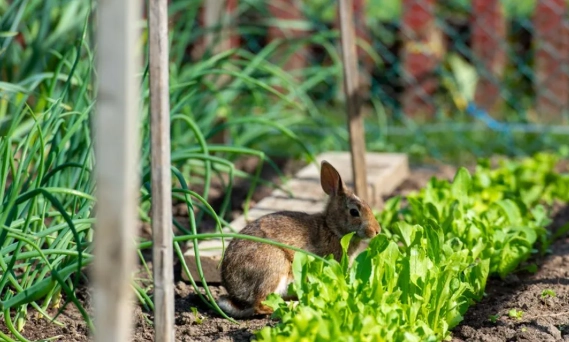
I once had a client who couldn't figure out why rabbits kept coming back despite using repellent sprays. Turns out, they had a pile of brush in the corner of the yard, perfect for hiding. Clearing that out reduced rabbit visits by half almost immediately.
Humane Deterrent Methods That Work
Let's get straight to the point: killing or trapping rabbits should be a last resort, and often it's illegal or unethical. Humane deterrents focus on making your yard less attractive. These methods fall into a few categories.
Modify the Habitat
Start by removing what draws rabbits in. Mow grass regularly to eliminate hiding spots. Trim back overgrown vegetation. If you have a compost pile, make sure it's secured—rabbits love nibbling on kitchen scraps. I recommend keeping compost in a bin with a lid.
Another overlooked tactic: reduce watering in the evening. Rabbits are most active at dawn and dusk, and moist soil is easier to dig. Water in the morning instead.
Use Scare Tactics
Motion-activated devices can startle rabbits away. Sprinklers like the Orbit 62100 Yard Enforcer are popular because they spray water when motion is detected. But here's the catch—rabbits can get used to them if they're not moved around. I rotate mine every few days to keep the rabbits guessing.
Reflective objects like old CDs or aluminum pie plates can also work, but their effect diminishes over time. Use them in combination with other methods.
Physical Barriers: The Ultimate Defense
If you're serious about keeping rabbits out, nothing beats a good fence. But not just any fence. The common mistake is using chicken wire with large gaps or installing it too shallow.
| Barrier Type | Best Use | Cost Estimate | Effectiveness |
|---|---|---|---|
| Chicken Wire (1-inch mesh) | Vegetable gardens, small areas | $20-$50 per roll | High if buried |
| Hardware Cloth | High-pressure infestations | $30-$80 per roll | Very high |
| Electric Netting | Large yards, temporary setups | $100-$200 | Moderate to high |
| Plant Cages | Individual plants or rows | $10-$30 each | Good for spot protection |
Installation tips: Bury the fence at least 6 inches deep, and bend the bottom outward to form an L-shape underground. This prevents digging. Height should be 2-3 feet—rabbits can jump, but not that high if they can't get a running start.
For individual plants, use wire mesh cages. I make my own from hardware cloth cut into circles. It's cheaper and more customizable than store-bought options.
Natural Repellents and DIY Solutions
Natural repellents can help, but don't rely on them alone. They work by creating smells or tastes rabbits dislike.
Plants That Deter Rabbits
Interplant these with your veggies to create a less appealing environment:
- Marigolds: Their strong scent masks other plants. Plant them as a border.
- Lavender: Rabbits avoid it, plus it attracts pollinators.
- Onions and Garlic: Plant them around the perimeter—rabbits hate the smell.
But remember, hungry rabbits might still brave these. I use them as part of a layered defense.
Homemade Sprays
You can make a simple repellent spray with garlic, chili peppers, and water. Blend a few cloves of garlic and a tablespoon of chili powder with a quart of water, strain it, and spray it on plants. Reapply after rain. The smell fades, but it's a cheap deterrent.
Some people swear by human hair or predator urine (like coyote urine, available at garden stores). I've found hair to be hit or miss—it needs to be fresh and scattered frequently. Predator urine can work, but it's expensive and needs reapplication.
A Real-Life Case Study: My Battle with Rabbits
A few years back, my vegetable garden was under siege. Rabbits ate every bean seedling I planted. I tried commercial sprays, but they washed away. Then I installed a fence, but I made the classic error—I didn't bury it deep enough. The rabbits dug right under.
Here's what finally worked: I combined methods. First, I cleared out all brush piles and trimmed the grass short. Then, I reinstalled the fence, burying it 8 inches deep with an L-shaped footer. Around the inside, I planted a row of marigolds. For extra measure, I set up a motion-activated sprinkler on a timer to move every three days.
Within two weeks, rabbit sightings dropped to zero. The key was consistency and addressing both food and shelter. It cost about $150 in materials and a weekend of work, but it saved my garden. This approach has helped dozens of my neighbors since.
Your Questions Answered
Dealing with rabbits requires patience and a multi-pronged approach. Start with habitat modification, add physical barriers if needed, and use natural repellents as supplements. Remember, the goal isn't to harm the rabbits but to encourage them to find food elsewhere. For more authoritative information, check resources like the University of California Statewide Integrated Pest Management Program, which provides guidelines on wildlife management.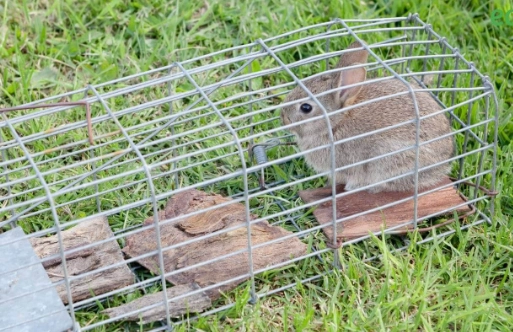
I still see rabbits in my neighborhood, but they skip my yard now. It took some trial and error, but finding the right combination made all the difference. Give these methods a try, and you'll likely reclaim your space without resorting to extreme measures.
Comment