I woke up one morning to find my entire lettuce patch gone. Not eaten—obliterated. Tiny footprints in the soil confirmed it: rabbits had turned my yard into their buffet. If you're dealing with similar chaos, you're not alone. Rabbits can decimate gardens, dig up lawns, and leave a mess. But getting rid of them doesn't mean harming wildlife. Here's a practical guide based on trial, error, and talking to experts.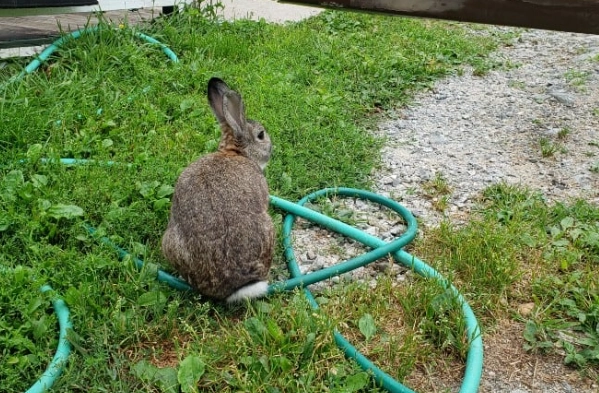
What You'll Find in This Guide
Why Rabbits Target Your Yard
Rabbits aren't malicious; they're just opportunistic. Your yard offers three things they need: food, shelter, and safety. Lush grass, tender vegetables, and flowering plants are like a five-star restaurant to them. Dense shrubs or woodpiles provide hiding spots from predators. I've noticed rabbits prefer areas with minimal human activity—quiet corners or spots near fences.
Most rabbits in residential areas are cottontails or European varieties. They breed fast, with females having up to six litters a year. That means a small problem can escalate quickly. Understanding this helps tailor your approach. If your neighbor has a wild meadow, rabbits might commute to your garden. It's about making your space less inviting than alternatives.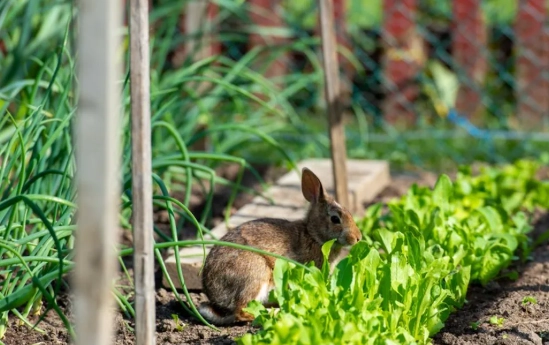
Spotting Rabbit Damage Early
Catching rabbit activity early saves a lot of headache. Look for these signs:
- Clean-cut plant stems: Rabbits have sharp incisors, leaving stems looking neatly snipped at a 45-degree angle. Deer tear plants; rabbits cut them.
- Small round droppings: About pea-sized, often clustered near feeding areas. They're dry and crumbly.
- Shallow digging: Holes 2-3 inches wide, usually under fences or in soft soil. Rabbits dig for roots or to create burrows.
- Gnaw marks on bark: Especially on young trees or shrubs, about a foot off the ground.
I missed the droppings at first, thinking they were from birds. Once I learned to identify them, monitoring became easier. Set up a game camera if you're unsure; it's a foolproof way to confirm visitors.
Prevention: Stop Rabbits Before They Start
Prevention is cheaper and easier than dealing with an infestation. Start with physical barriers—they're the gold standard.
Fencing and Barriers
A well-built fence is your best defense. Use chicken wire or hardware cloth with mesh no larger than 1 inch. Here's the kicker: install it at least 2 feet high and bury it 6 inches deep. Rabbits can jump and dig, so skimping on depth is a common mistake. Curve the bottom outward underground to deter burrowing.
For individual plants, try cloches or row covers. I use lightweight fabric covers from early spring to protect seedlings. They cost around $20 for a 10-foot roll and last seasons.
Landscape Modifications
Remove hiding spots. Clear brush piles, trim dense shrubs, and keep grass short. Rabbits feel exposed in open areas. Plant less appealing vegetation like lavender, marigolds, or onions around garden edges. These act as natural repellents. I planted a border of marigolds last year, and rabbit visits dropped by half.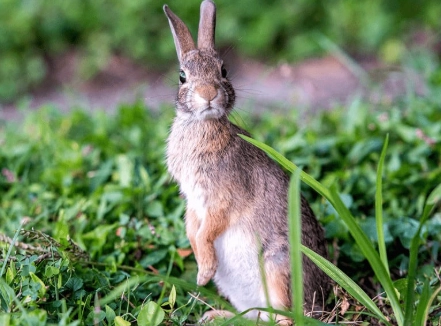
Consider adding predator decoys, like owl statues, but move them regularly. Rabbits catch on if they're static.
Deterrents and Repellents That Actually Work
If rabbits are already there, deterrents can push them out. Focus on humane options that target their senses.
Personal tip: I mixed my own repellent using garlic oil and water, but it washed away in rain. Commercial products with putrescent egg solids last longer because the smell mimics predator urine. Brands like Bobbex or Plantskydd work well, but reapply every few weeks.
Natural Repellents
These are safe for pets and kids. Sprinkle cayenne pepper or crushed red pepper around plants. Rabbits hate the capsaicin. Reapply after watering or rain. You can also use hair clippings (human or pet) or soap shavings placed in mesh bags. The scent of predators or humans spooks them.
Essential oils like peppermint or eucalyptus diluted in water can be sprayed. However, effectiveness varies. I've found rabbits ignore these if food is plentiful, so combine with other methods.
Commercial Products
When choosing a repellent, look for EPA-registered options. Granular repellents are easy to spread around garden perimeters. Liquid sprays coat plants directly. Here's a quick comparison based on my testing:
| Product Type | How It Works | Duration | Best For |
|---|---|---|---|
| Granular (e.g., Repels-All) | Releases odor rabbits avoid | 2-4 weeks | Lawns and large areas |
| Liquid Spray (e.g., Bobbex) | Sticks to plants, taste-based | 1-2 weeks | Vegetable gardens |
| Ultrasonic Devices | Emits high-frequency sounds | Continuous | Small yards, but spotty results |
Ultrasonic devices get mixed reviews. I tried one; it seemed to work initially, but rabbits returned after a month. They might adapt to the noise.
Scare Tactics
Motion-activated sprinklers are brilliant. They startle rabbits with a burst of water. I set one up near my broccoli patch, and it reduced nibbling by 90%. Models like Orbit Enforcer cost around $80 and double for watering. Just adjust the sensitivity to avoid triggering on wind.
Noise makers like wind chimes or aluminum pans can help, but rabbits may get used to them. Rotate tactics to keep them guessing.
When to Seek Professional Help
If rabbits have nested or caused extensive damage, it might be time for pros. Look for licensed wildlife control operators. They use live traps and relocation methods compliant with local laws. In many states, relocating wildlife is regulated to prevent disease spread—check with your Department of Natural Resources.
Costs vary: trapping and removal can run $150-$300 per visit. Ask about guarantees; some offer follow-ups if rabbits return. I called a pro when a family burrowed under my shed. They sealed the entry points and installed one-way doors, solving the issue humanely.
For severe infestations, integrated pest management (IPM) plans from agencies like the USDA APHIS Wildlife Services provide long-term solutions. They focus on habitat modification over lethal control.
Common Questions Answered
Dealing with rabbits takes patience. Start with prevention, layer your methods, and monitor regularly. Remember, the goal is coexistence—making your yard less attractive so rabbits move on naturally. Share your experiences in the comments; we can all learn from each other's battles with these furry invaders.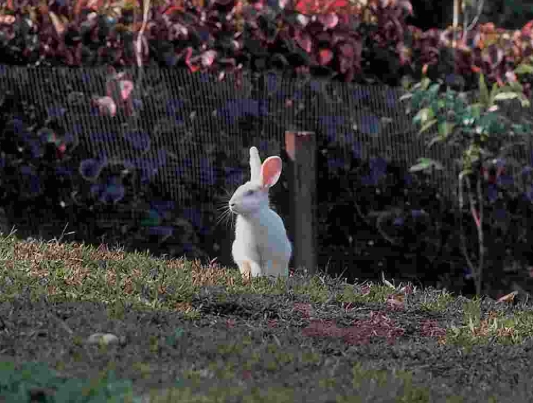
Comment