You step outside, coffee in hand, ready to admire your lettuce. Instead, you find stems. Neatly clipped stems. Again. If rabbits have turned your yard into their personal salad bar, you know the mix of frustration and helplessness. I've been there. My first vegetable patch looked like it had been trimmed by a tiny, obsessed landscaper.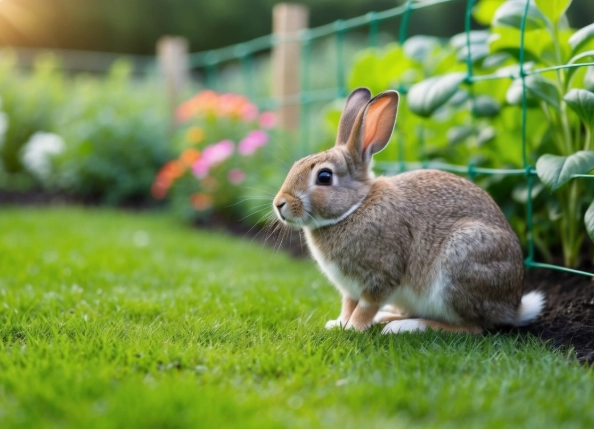
The good news? You can take back your garden. The better news? You can do it humanely and effectively. This isn't about declaring war on wildlife. It's about smart, persistent defense. Let's walk through what actually works, based on years of trial, error, and conversations with extension agents from places like the University of Illinois.
What's in this guide?
Why Are Rabbits in Your Yard in the First Place?
Think like a rabbit. They need three things: food, water, and shelter from hawks, foxes, and your neighbor's cat. Your yard is a prime real estate listing for them.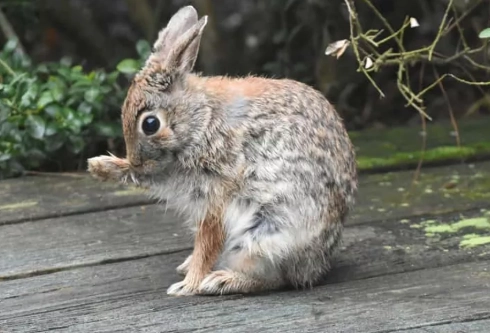
Food: They adore tender greens—lettuce, beans, peas, carrots (tops and roots), and herbs like parsley. They'll even go for young bark on trees in winter.
Shelter: Overgrown edges, brush piles, under decks, or thick shrubbery are perfect hiding spots.
Safety: A yard with clear sightlines feels dangerous. Dense, messy borders feel safe.
Control starts here. If your yard is a rabbit paradise, simply adding a repellent is like putting a "do not eat" sign on a buffet. You have to change the fundamentals.
The Humane First Step: Make Your Yard Less Inviting
Before you spend a dime on products, do this. It costs nothing and often cuts the problem in half.
Clean up hiding places. Mow tall grass around garden edges. Remove brush piles, or move them far from your prized plants. Seal off gaps under sheds and decks with sturdy wire mesh.
Manage your compost. An open compost pile full of vegetable scraps is a dinner bell. Use a enclosed bin, or place your pile well away from the garden.
Rethink your landscaping. This is the non-consensus part. Everyone says "plant things rabbits hate, like marigolds." Let me be blunt: a hungry rabbit will eat a marigold if it's between them and your lettuce. Relying on companion planting for serious rabbit control is a recipe for disappointment. Use these plants as a supplemental barrier, not your main defense.
Physical Barriers: Your Most Reliable Defense
This is the gold standard. If it's installed correctly, it's 100% effective. The key phrase is installed correctly.
How to Install Rabbit-Proof Fencing
My uncle used chicken wire around his garden and still lost plants. Why? He only staked it on the surface. Rabbits dug right under.
Here’s the right way:
Material: Use 1-inch or smaller mesh chicken wire or hardware cloth. Baby rabbits can squeeze through wider gaps.
Height: 2 feet tall is plenty. They're diggers, not Olympic jumpers.
The Critical Step - Bury it: Bury the bottom 6 inches of the fence, bending it outward into an "L" shape underground. Or, lay flat hardware cloth a foot wide on the ground outside the fence and cover it with mulch. This stops diggers cold.
For individual plants or small rows, use cloches (wire mesh covers) or cylinders of hardware cloth around young trees.
Repellents: Scents and Tastes That Work (and Ones That Don't)
When fencing isn't practical for a whole yard, repellents are your next line of defense. They work by making plants smell or taste bad. You have two main types: homemade and commercial.
Homemade Rabbit Repellents
These need frequent reapplication, especially after rain.
Hot Pepper Spray: Steep chopped hot peppers in water, strain, add a drop of dish soap (to help it stick), and spray. The capsaicin irritates them. Warning: Don't spray on a windy day, and remember it will irritate you too!
Garlic and Onion Spray: Similar process. The strong smell can mask the appealing scent of your plants.
The problem with homemade sprays? Their potency is inconsistent. One batch might be strong, the next weak.
Commercial Rabbit Repellents
Look for these active ingredients, which are often recommended by university extension services:
Putrescent Egg Solids: This is the big one. It smells like a predator's rotting meal to a rabbit. Brands like Liquid Fence use it. It's highly effective but... you'll smell it too for a day or so after application.
Thiram: A taste-aversion chemical. Often used on bulbs and tree trunks. Follow label directions carefully.
Blood Meal: A fertilizer that also acts as a scent deterrent. Sprinkle it around plants. It can burn plants if over-applied and may attract dogs or scavengers.
Pro Tip: Alternate between two different types of repellents (e.g., a scent-based one and a taste-based one) every few weeks. Rabbits can get used to a single deterrent.
Trapping: A Last Resort with Big Caveats
Live trapping feels like a direct solution. You see the rabbit, you catch it, problem solved. Reality is messier.
First, check your local laws. In many municipalities, it's illegal to trap and relocate wildlife without a permit. Why? Relocated animals often die. They're dropped into unfamiliar territory with established animal populations, lacking knowledge of food sources and shelters. They can also spread disease.
Second, if you remove one rabbit, another will likely move into the now-vacant territory unless you've changed the habitat (see above).
If you must trap:
- Use a properly sized live trap.
- Bait it with apple slices, carrots, or leafy greens.
- Check traps at least twice daily. A trapped animal is vulnerable to stress and weather.
- Contact your local animal control or Department of Natural Resources for guidance on legal disposal. Never simply drive a rabbit miles away and dump it.
The Long-Term Game: Changing the Habitat
Real, lasting control means making your property permanently less attractive than your neighbor's. It's a marathon, not a sprint.
Maintain those clean borders. Keep fencing in good repair. Use repellents at the first sign of nibbling, not after the garden is gone. Consider installing more permanent raised beds that are easier to fence. Choose less-palatable plants for perimeter landscaping—things with thick, leathery, fuzzy, or aromatic leaves (like lavender, sage, or peonies). The Royal Horticultural Society has good lists of plants rabbits tend to avoid.
It's about consistency. A one-time effort will give you one-time results.
Your Rabbit Control Questions Answered
The bottom line is this: getting rid of rabbits isn't about a single magic trick. It's a combination of making your space less inviting, putting up the right barriers, and using repellents strategically. Be patient, be persistent, and you'll get to enjoy your garden again.
Comment