So you're wondering, how many rabbits in a litter? The quick, textbook answer is 4 to 12 kits. But you know what? That range is almost useless on its own. It's like saying the price of a car is between $5,000 and $200,000. Not super helpful when you're trying to plan. The real number for your rabbit depends on a cocktail of factors most generic articles gloss over. I've been raising rabbits for over a decade, and I've seen litters of a single, giant kit and litters of 14 scrambling for milk. Let's cut through the basics and talk about what actually determines litter size and what you really need to know to be prepared.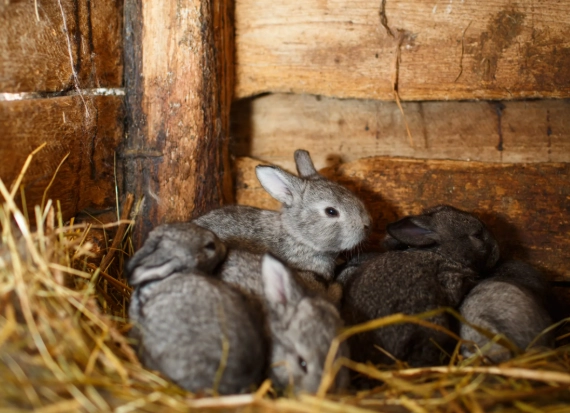
What's Inside: Your Quick Guide
What Determines How Many Rabbits Are in a Litter?
Forget the single average. Think of litter size as the result of a biological recipe. Change one ingredient, and the outcome shifts.
Breed: The Biggest Predictor
This is the number one factor. Larger rabbit breeds have more space for developing kits. A Flemish Giant doe is built to carry more than a tiny Netherland Dwarf. Commercial meat breeds like New Zealand Whites are selectively bred for consistent, large litters. On the other hand, smaller or "fancy" breeds often have fewer kits. It's fundamental biology.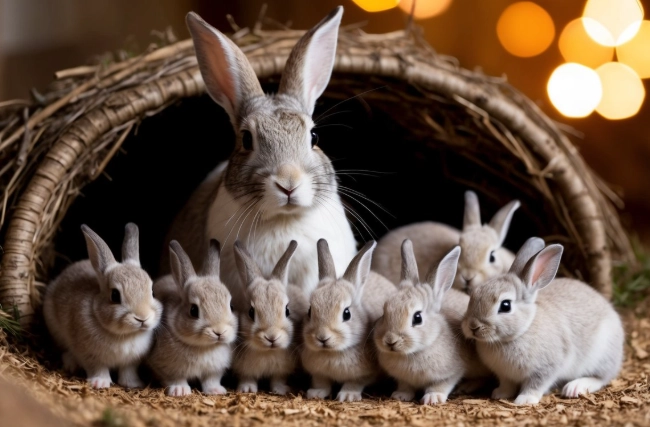
Age and Parity of the Doe
A doe's first litter is almost always her smallest. Her body is figuring things out. She might have just 2-4 kits. Her peak fertility and largest litters typically come between 6 months and 2-3 years of age. After that, litter size may gradually decline. I've found that a healthy doe's third or fourth litter is often where she hits her stride, assuming she's recovered properly between pregnancies.
Nutrition and Overall Health
A skinny, underfed rabbit won't magically produce a bumper crop of healthy kits. Nutrition for breeding does isn't just about more food; it's about specific nutrients. A diet rich in high-quality protein (like alfalfa-based pellets) and calcium before and during pregnancy sets the stage. According to resources from the House Rabbit Society and veterinary guides, poor nutrition is a direct route to smaller litters, weak kits, or worse.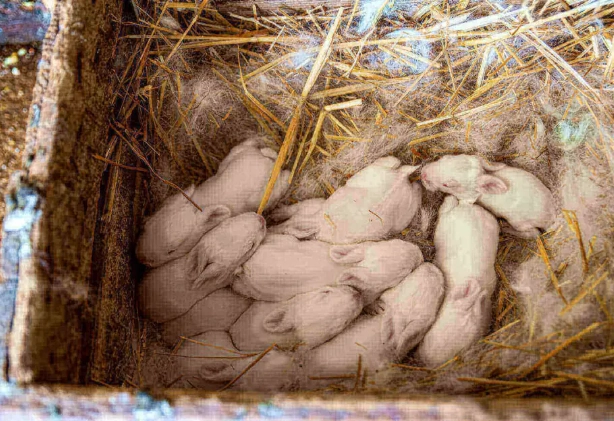
Season and Environment
Rabbits are light-sensitive breeders. Longer daylight hours in spring and summer often trigger higher ovulation rates, potentially leading to slightly larger litters. Extreme stress—like constant noise, predator threats, or improper housing—can have the opposite effect, sometimes even causing reabsorption of embryos early in pregnancy.
The Buck's Fertility
It takes two. An older, overweight, or unhealthy buck may have lower sperm count or motility, which can result in fewer eggs being fertilized. Litter size starts at conception.
The Average Rabbit Litter Size: A Breed-by-Breed Look
Let's get specific. Here’s a more practical look at what you can expect from common breeds, based on breed standard data from organizations like the American Rabbit Breeders Association (ARBA) and breeder consensus.
| Rabbit Breed | Average Litter Size Range | Notes & Typical Experience |
|---|---|---|
| Flemish Giant | 6 - 10 kits | Large but often on the moderate side; big individual kits. |
| New Zealand White | 8 - 12 kits | Bred for production; consistently large litters are common. |
| Rex | 6 - 9 kits | Good, reliable size; strong maternal instincts. |
| Mini Lop | 4 - 7 kits | Popular dwarf breed; litters can be variable. |
| Netherland Dwarf | 2 - 5 kits | Small breed, smaller litters. First-time moms may have only 1-2. |
| Holland Lop | 3 - 6 kits | Similar to other dwarfs; careful breeding is key for health. |
| Californian | 7 - 11 kits | Another excellent commercial breed, similar to New Zealands. |
See the pattern? The meat/production breeds top the chart. The dwarf and smaller fancy breeds are on the lower end. If someone tells you their Netherland Dwarf had 10 kits, I'd be skeptical or consider it a rare exception that likely came with challenges.
How Can You Prepare for a Rabbit Litter?
Knowing the potential number is step one. Preparing for it is where many new owners falter. Your prep work directly impacts survival rates.
The Nesting Box is Non-Negotiable
You must provide a proper nesting box at around day 28 of pregnancy. A simple cardboard box won't cut it—a determined doe will chew through it. Use wood or plastic. It should be just big enough for her to turn around in, with high enough sides to keep kits contained but a low entrance. Line it with plenty of fresh, soft hay. She'll pull her own fur to line it just before birth. If she doesn't pull fur, you can gently pluck some from her dewlap and chest to help.
Diet Upgrade: It's Fuel for Milk
From the moment you confirm pregnancy, switch her to unlimited alfalfa hay and alfalfa-based pellets. The extra protein and calcium are critical. Keep fresh water always available. Her appetite will dip right before kindling (giving birth) then skyrocket as milk production kicks in.
The Post-Birth Check: Minimal and Quick
After she's given birth (often at night or dawn), wait a few hours. Then, do a quick, quiet check. Remove any obviously stillborn kits. Count the live ones. Are they warm and in the nest? Are they plump? That's it. Don't hover. Your smell on the kits is less of an issue than many think, but constant stress from intrusion is a real problem.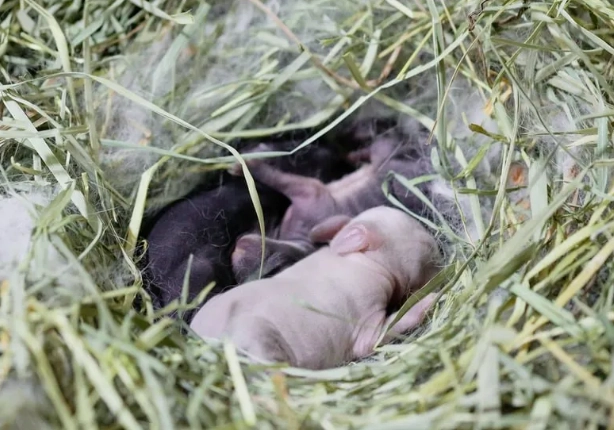
Common Questions & Issues With New Litters
Here’s where theory meets the messy, wonderful reality of raising kits.
So, back to the original question: how many rabbits in a litter? It's a window, not a fixed number. For a typical pet rabbit, plan for the 4-8 range, but understand the biology behind it. Your breed choice is your first clue. Your care before and after birth is what turns that number into a successful group of hopping, healthy kits. It's less about predicting an exact figure and more about being prepared for the wonderful variability of nature.
Comment