If you're searching for "fleming giant rabbit," you probably mean the Flemish Giant Rabbit—a massive, gentle breed that's been around for centuries. I've owned three of these giants over the past decade, and let me tell you, they're not your average bunny. This guide cuts through the fluff to give you the real scoop on everything from their medieval origins to the nitty-gritty of daily care. No jargon, just practical advice from someone who's made the mistakes so you don't have to.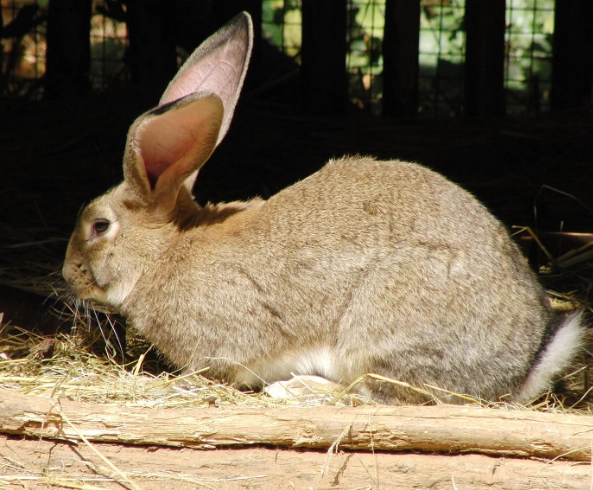
What You'll Find Inside
- What Exactly is a Fleming Giant Rabbit?
- A Brief History: From Medieval Times to Modern Pets
- Understanding Their Behavior: Are Giant Rabbits Good Pets?
- Diet and Nutrition: Feeding Your Giant Rabbit Right
- Health and Wellness: Keeping Your Giant Rabbit Healthy
- Common Mistakes New Owners Make (And How to Avoid Them)
- Frequently Asked Questions
What Exactly is a Fleming Giant Rabbit?
First off, "fleming" is often a misspelling—it's Flemish Giant Rabbit, originating from Flanders. But since people search for it, let's clear that up. These rabbits are huge, weighing up to 20 pounds or more. I remember picking up my first one, Boris; he felt like a small dog. They have semi-arched backs, broad heads, and dense fur that comes in colors like steel gray and sandy.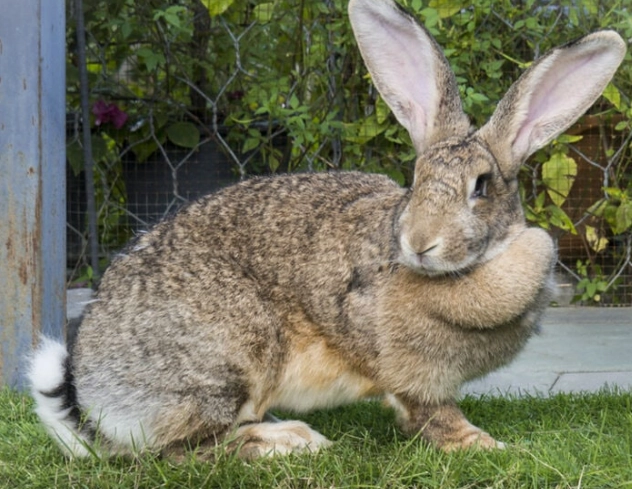
Why the confusion in names? It might stem from old texts or regional dialects. The House Rabbit Society notes that breed names evolve, but for SEO, we'll use both terms. What matters is they're distinct from smaller breeds. Their size isn't just for show; it affects everything from cage needs to vet bills.
A Brief History: From Medieval Times to Modern Pets
These giants date back to the 16th century in Belgium, bred for meat and fur. Medieval farmers prized them for efficiency—one rabbit could feed a family. Over time, they shifted to show animals and pets. The American Rabbit Breeders Association standardized them in the early 1900s.
Here's a fun fact: during World War I, their popularity dipped because resources were scarce, but post-war, they rebounded as symbols of resilience. I visited a breeder in Europe who still keeps old lineage records; it's like tracing royalty. This history isn't just trivia—it explains their hardy nature. They're not delicate, but they do need respect for their heritage.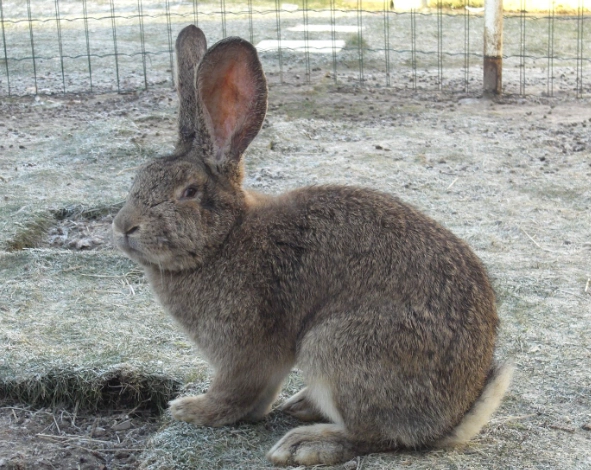
Understanding Their Behavior: Are Giant Rabbits Good Pets?
Giant rabbits are often called "gentle giants," but that's oversimplified. Yes, they're calmer than some small breeds, but they can be stubborn. My second giant, Luna, would nudge me for treats but ignore commands if she wasn't in the mood.
Bonding takes patience. Spend at least an hour daily on the floor with them—no picking up unless necessary. They dislike being carried due to their size. A study from the University of Edinburgh's animal behavior department suggests larger rabbits form deeper bonds with consistent routines. I found that true; Boris learned to recognize my footsteps.
Are they good with kids? Depends. Their size can intimidate toddlers, but supervised, they're tolerant. Teach kids to approach slowly. I've seen families succeed, but it's not a given.
Diet and Nutrition: Feeding Your Giant Rabbit Right
This is where most owners mess up. Giant rabbits don't need giant portions; they need balanced meals. Hay should be 80% of their diet—timothy or orchard grass. Pellets are supplementary, not main course.
Here's a table I use for my rabbits, based on weight:
| Weight Range | Daily Hay | Daily Pellets | Fresh Veggies |
|---|---|---|---|
| 10-15 lbs | Unlimited | 1/4 cup | 1 cup |
| 15-20 lbs | Unlimited | 1/3 cup | 1.5 cups |
| 20+ lbs | Unlimited | 1/2 cup max | 2 cups |
Avoid commercial mixes with seeds or colorful bits—they're junk food. Stick to plain pellets from brands like Oxbow, recommended by vets. I learned this the hard way when Boris got digestive issues from a cheap mix. Fresh veggies like romaine lettuce and cilantro are great, but introduce slowly to avoid gas.
Water is critical. Use a heavy bowl, not just a bottle; they drink more due to size. Change it twice daily.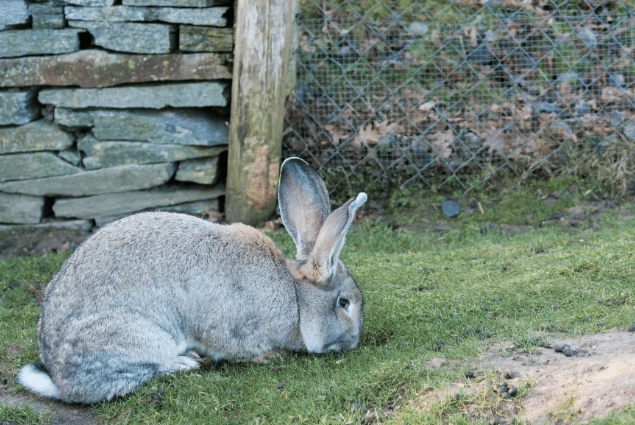
Health and Wellness: Keeping Your Giant Rabbit Healthy
Giant rabbits are prone to specific issues. Sore hocks—calluses on their feet—are common if they're on hard surfaces. Provide soft bedding like fleece or straw. My vet showed me how to check for redness; it's easy to miss.
Dental problems can arise if diet lacks hay. Their teeth grow continuously, and hay grinds them down. Annual vet check-ups are a must, but find an exotic pet vet experienced with large breeds. I drive an hour to mine; it's worth it.
Obesity is a silent killer. Weigh them monthly. A healthy giant should have a firm but not bulging belly. Exercise is key: let them roam in a secure area daily. I converted my sunroom into a rabbit playground—best decision ever.
Pro tip: Giant rabbits live 8-10 years on average, but with top care, they can hit 12. Invest in pet insurance early; surgeries for large breeds cost more.
Common Mistakes New Owners Make (And How to Avoid Them)
I've mentored new owners, and here are the top blunders:
- Underestimating space: That cute hutch from the store? Too small. Go for a custom pen or large dog crate. Minimum 12 sq ft, but bigger is better.
- Overfeeding pellets: It's tempting to pour more, but stick to the table above. Obesity leads to arthritis and heart issues.
- Ignoring mental stimulation: Giant rabbits get bored. Provide toys like cardboard tunnels or treat puzzles. Luna loves destroying phone books—cheap entertainment.
- Skipping nail trims: Their nails grow fast and can curl, causing pain. Trim every 3-4 weeks. I use a pet grinder; it's less stressful than clippers.
One non-consensus point: many think giant rabbits are low-maintenance because they're calm. Wrong. They require more upfront planning and budget. If you're not ready for that, consider a smaller breed.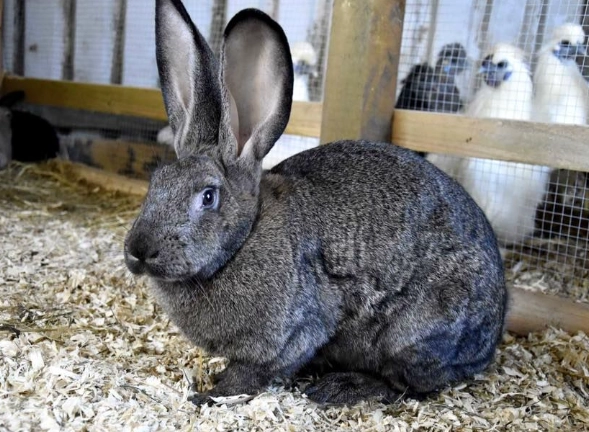
Frequently Asked Questions
Wrapping up, Fleming Giant Rabbits are incredible pets but demand commitment. Do your homework, plan your space, and connect with communities like the House Rabbit Society for support. They're worth the effort—just ask Boris, who's snoozing at my feet as I write this.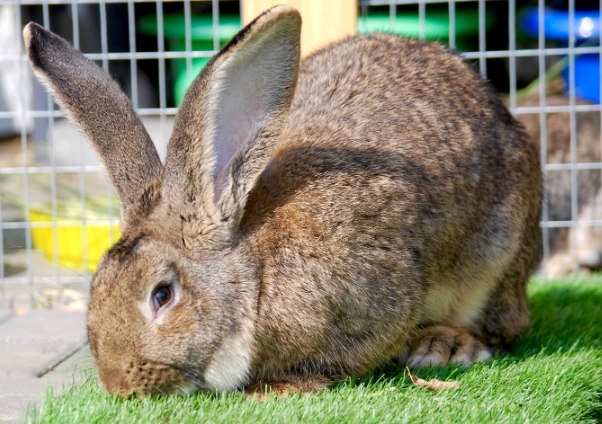
Comment