Explore the Highlights
You know, it's funny how some questions stick in your head. I was out hiking last spring in the high desert, the kind of place where jack rabbits blend into the scrub like ghosts, and the question just popped into my mind out of nowhere. Do jack rabbits lay eggs? I mean, I knew the answer was obviously no, but then I started thinking about why someone would even ask that. It's not a silly question, really. It points to a bigger gap in how we understand the animal world right outside our door.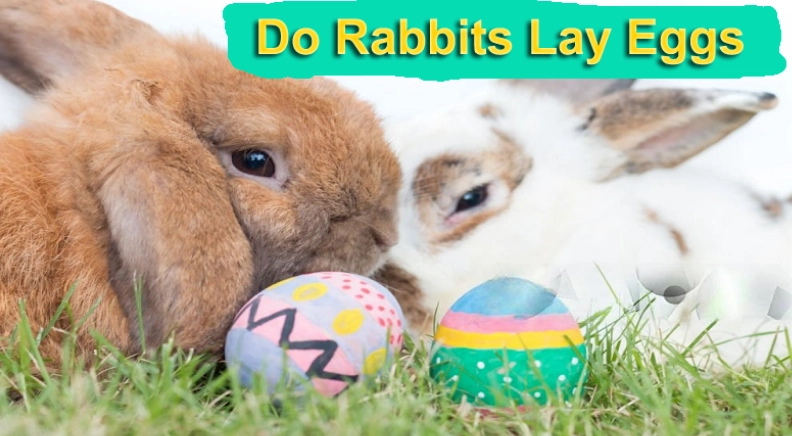
So let's cut straight to the chase. No, jack rabbits absolutely do not lay eggs. Not a chance. Zero. The idea of a jack rabbit, or any rabbit for that matter, popping out an egg is pure fantasy, something you'd only find in a very confused children's book. They are mammals, through and through. Warm-blooded, furry, and they give birth to live, wriggling babies called kits. Asking "do jack rabbits lay eggs" is like asking if a hawk gives birth to puppies. It just doesn't line up with the basic rules of biology.
The Big Myth Buster: The confusion might come from their incredible reproductive speed. People see a jack rabbit one day, and then a few weeks later there's a whole bunch of them. It feels almost magical, like they must be hatching from something. But nope, it's just mammalian biology working at an impressively fast pace.
Why the “Egg” Question Isn't as Crazy as It Sounds
Alright, let's be fair here. If you're not knee-deep in animal facts every day, the line between different species can get blurry. We have egg-laying mammals, after all. The platypus and the echidna. They're weird exceptions that prove the rule. So someone might hear about those and wonder, hey, what about rabbits? Could they be weird too?
But that's where taxonomy comes in. Jack rabbits (which are technically hares, not rabbits, but we'll get to that) are placental mammals. They belong to the order Lagomorpha, which includes rabbits, hares, and pikas. And a defining feature of this group? Live birth. The mother develops a placenta to nourish her developing young internally. The whole "do jack rabbits lay eggs" query hits a dead end right at this basic classification. It's not in their biological toolkit.
I remember explaining this to a friend's kid once. He was so convinced he'd seen a "rabbit nest with eggs" in his backyard. Turned out it was a carefully hidden nest, but it was full of tiny, hairless baby bunnies, not eggs. The nest itself, that shallow depression lined with fur and grass, looks so bird-like. I think that's a big source of the mix-up. The nesting behavior screams "bird," but the contents are 100% mammal.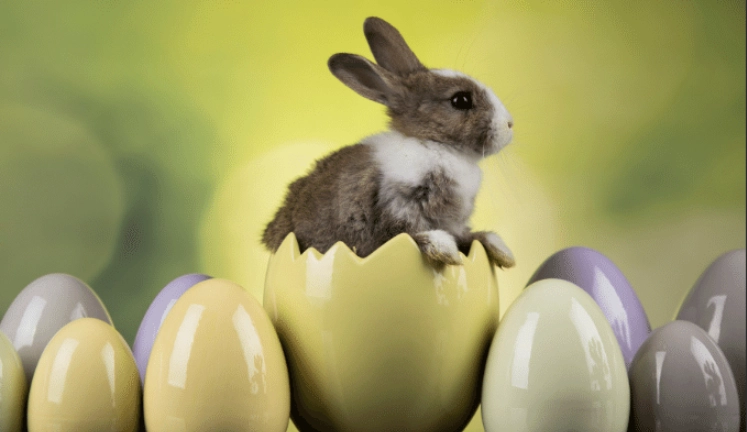
So, How DO Jack Rabbits Actually Have Babies?
Since they don't lay eggs, what's the real process? It's fascinating, and honestly, way more hardcore than just laying an egg and sitting on it.
First off, jack rabbits are hares. This is a crucial distinction that even a lot of wildlife fans gloss over. Hares, like the black-tailed jackrabbit common in the American West, are born precocial. That means the babies (leverets) hit the ground running—quite literally. They are born fully furred, with their eyes wide open, and they can hop around within a short time. Rabbits, in contrast, are altricial: born naked, blind, and utterly helpless. This difference is a major survival adaptation for hares living in open terrain where hiding in a deep burrow isn't always an option.
| Stage | What Happens | Key Fact (No Eggs Involved!) |
|---|---|---|
| Gestation | The female carries the embryos internally for about 41-47 days. | The developing leverets are nourished via a placenta, just like in humans. |
| Birth | She gives birth to a litter of 1-6 leverets, usually in a shallow depression called a "form." | This is the moment that definitively answers "do jack rabbits lay eggs?" with a live birth. |
| Newborns | Leverets are furred, eyes open, and relatively mobile. | They scatter and hide in separate locations to avoid attracting predators. |
| Nursing | The mother returns once or twice a day, usually at dusk/dawn, to nurse them. | This brief visit minimizes the chance of leading predators to her young. |
| Independence | They are weaned and largely independent in about a month. | This incredibly fast cycle allows for multiple litters per year. |
See? Not an egg in sight. The whole process is internal gestation followed by live birth. The mother doesn't even stick around to cuddle. She feeds them quickly and leaves. It's a tough-love strategy that works for their lifestyle.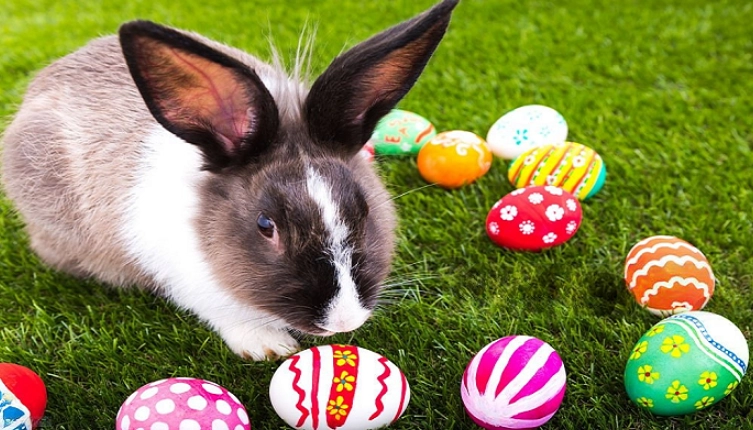
That's the core of it. The question "do jack rabbits lay eggs" can be filed away in the cabinet of interesting myths. Now, let's dig into what makes their real reproductive strategy so wild.
The “Superpower” That Fuels the Myth
If there's one thing that might make you think jack rabbits lay eggs, it's their mind-boggling reproduction rate. It's their actual superpower. A single female black-tailed jackrabbit can have several litters per year. In good conditions with plenty of food, the population can explode seemingly overnight. You go from seeing one or two to seeing dozens. It feels spontaneous, like they must have hatched.
This is a classic survival trait for prey animals. Jack rabbits are on the menu for coyotes, eagles, bobcats, you name it. Their strategy isn't armor or venom; it's sheer numbers. Produce more offspring than the predators can possibly eat. From an evolutionary standpoint, it's brilliant. But it does absolutely nothing to support the idea of egg-laying. It's just very, very efficient mammalian reproduction.
I've seen this population boom firsthand after a wet year in the desert. The shrubs were green, and the jack rabbits were everywhere. It was easy to see how someone, without knowing about their quick gestation, could assume they just... appeared. But spending time observing, you might spot a lean mother moving between hiding spots to nurse her scattered young. That's the reality.
Egg-Layers vs. Live-Bearers: A Quick Biology Refresher
To really nail the lid shut on the "do jack rabbits lay eggs" question, it helps to remember the big picture. The animal kingdom is broadly divided on this reproductive front.
On one side, you have the oviparous animals. They lay eggs. This includes all birds, most reptiles and fish, amphibians, insects, and arachnids. The embryo develops outside the mother's body, protected and nourished by the contents of the egg.
On the other side, you have the viviparous animals. They give birth to live young. This includes almost all mammals (except the monotremes), some reptiles like boa constrictors, and some fish. The embryo develops inside the mother, receiving nourishment directly from her.
Jack rabbits, as mammals, fall squarely into the viviparous category. The National Wildlife Federation's guide clearly lists them as giving birth to leverets. For authoritative, detailed taxonomy, resources like the IUCN Red List or the Integrated Taxonomic Information System (ITIS) are where scientists go to confirm these classifications. These sites don't entertain the egg idea because the science is settled.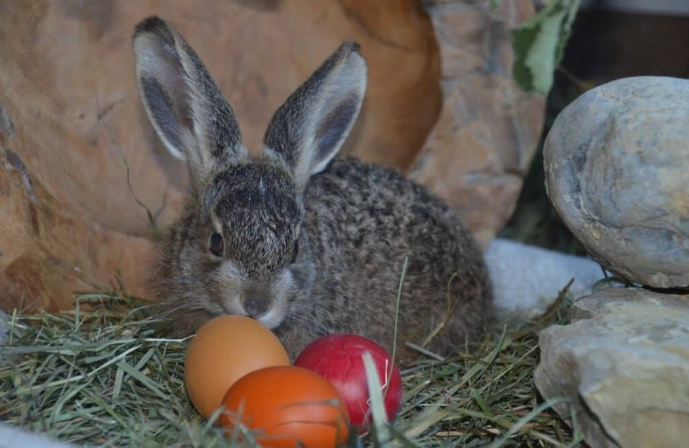
Quick Fact Check: Even the famous "Easter Bunny" is depicted with eggs as a symbolic spring fertility motif, not a biological one. This cultural mash-up might subtly feed the confusion for some people, blending the rabbit image with eggs in the popular imagination.
Your Top Questions About Jack Rabbits (and No-Egg Answers)
What You Might Actually Be Seeing
Let's be practical. If you're out in jack rabbit country and you find something that looks like a small, leathery egg near where you see rabbits, what is it? Well, it's not from a rabbit. You might be near a nesting site for a reptile, like a snake or a lizard. Many ground-nesting birds also have well-camouflaged eggs. Or, you might have stumbled upon a rabbit's "form" and seen the young themselves, which from a distance could be mistaken for a strange, furry egg if they're all balled up.
The Washington Department of Fish and Wildlife has great pages on local lagomorphs, and universities with wildlife programs, like the Penn State Extension or University of Maine Extension, often publish detailed, peer-reviewed fact sheets on animal reproduction that leave no room for the egg-laying myth.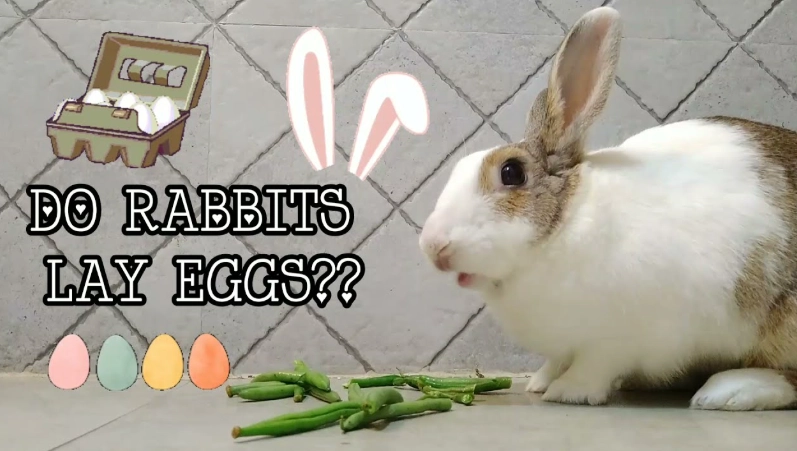
The Bottom Line Takeaway: The next time someone asks you, "Hey, do jack rabbits lay eggs?" you can give them a confident, informed answer. You can explain they are hares, mammals that give birth to precocial young in a simple ground nest. Their reproductive magic lies in speed and numbers, not in producing eggs. It's a cool piece of natural history that's way more interesting than the myth.
Understanding this isn't just about trivia. It helps in respecting wildlife. Knowing that leverets are born ready to hide means if you find one, you should almost always leave it alone—its mother isn't far and has a system. It connects us to the real, adaptive strategies of the animals we share the landscape with. And it starts with letting go of that persistent, quirky little question about eggs.
So, we've covered it from every angle. The taxonomy, the biology, the behavior, the comparisons. The answer is a resounding, definitive no. Jack rabbits do not, will not, and cannot lay eggs. And honestly, their real story is so much better.
Comment