Thinking about getting a rabbit? You might picture a generic, cute ball of fur. That's where most people start. But after a decade of living with everything from a feisty Netherland Dwarf to a couch-potato Flemish Giant, I can tell you: choosing between different breed rabbits is the single biggest decision you'll make. It's the difference between a pet that fits seamlessly into your life and one that causes constant, frustrating friction.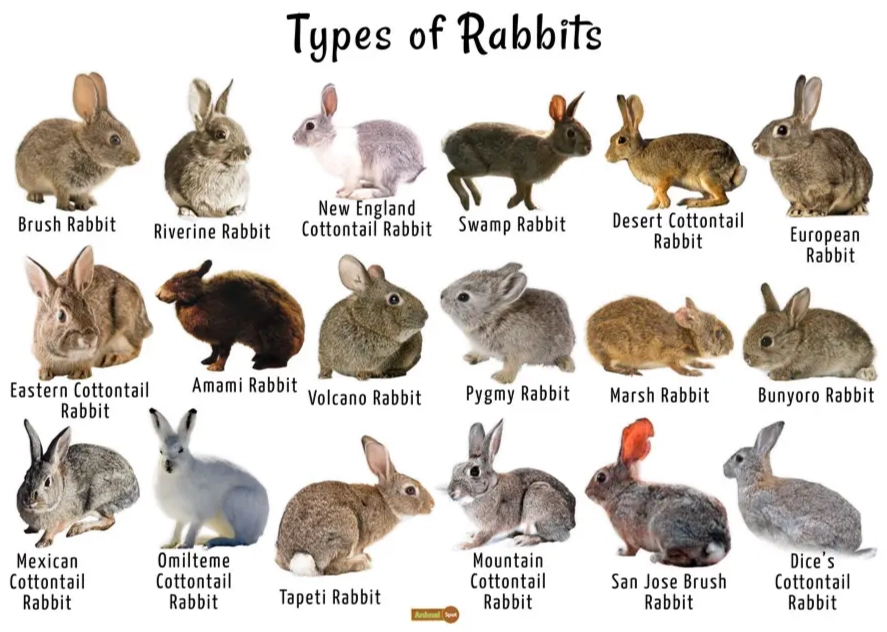
This isn't just about looks. It's about energy levels, space requirements, grooming demands, and even how likely they are to cuddle. Get this wrong, and you could end up with a rabbit who's miserable in your apartment, or one whose fur matts into a daily battle. Let's get past the fluff and find your perfect match.
What You'll Find in This Guide
The Small & Mighty Breeds
Don't let the size fool you. Small rabbit breeds pack a huge personality into a tiny package. They're often the most energetic and, frankly, sometimes the most stubborn. A common misconception is that a small rabbit equals less work. The truth? They need just as much space to run and play as a larger rabbit; their enclosure just has smaller gaps.
Take the Netherland Dwarf. With their baby-doll faces and compact bodies, they're irresistible. But I've had two. One was a sweetheart, the other was a tiny, furry dictator who ruled the house with an iron paw. They can be skittish and less tolerant of clumsy handling, which makes them a questionable choice for very young children. Their small size also makes them more prone to dental issues, so a vet familiar with dwarf breeds is a must.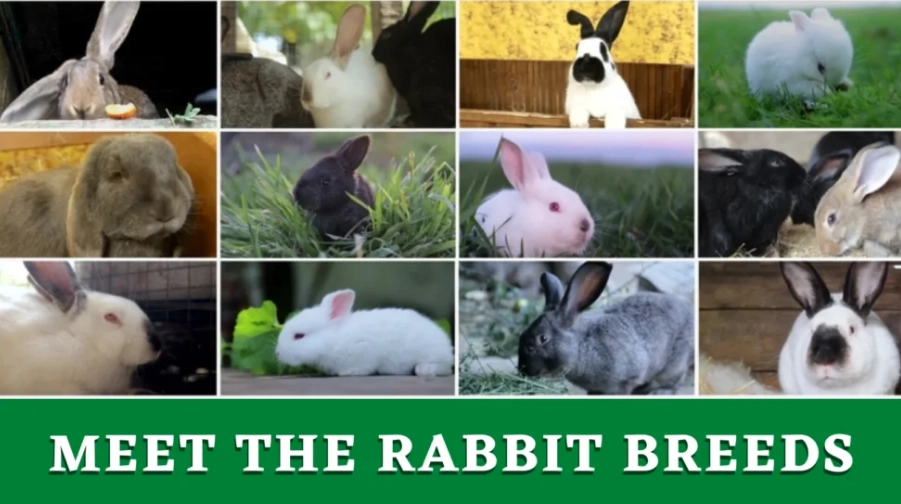
Then there's the Polish rabbit. Similar in size to the Netherland Dwarf but with a slightly longer face, they often have a reputation for being a tad more relaxed. But it's a spectrum, not a guarantee.
The Goldilocks Zone: Medium Breeds
For many households, medium-sized rabbits hit the sweet spot. They're substantial enough to feel sturdy in your arms but don't require the square footage of a small dog. Their temperaments are often more predictable and developed for life as a companion animal.
The Mini Lop and Holland Lop are the quintessential "floppy-eared" bunnies. Generally docile and friendly, they often enjoy being petted and can be real clowns. Their lopped ears mean they need regular checks for wax buildup. My Holland Lop, Mochi, was a champion snuggler but had a hidden talent for chewing baseboards when bored.
The Mini Rex is in a league of its own because of its fur. It's a velvety plush that feels like nothing else. They tend to have calm, curious personalities and are less prone to matting than long-haired breeds. A huge plus for busy owners.
Large & Giant Breeds: Gentle Giants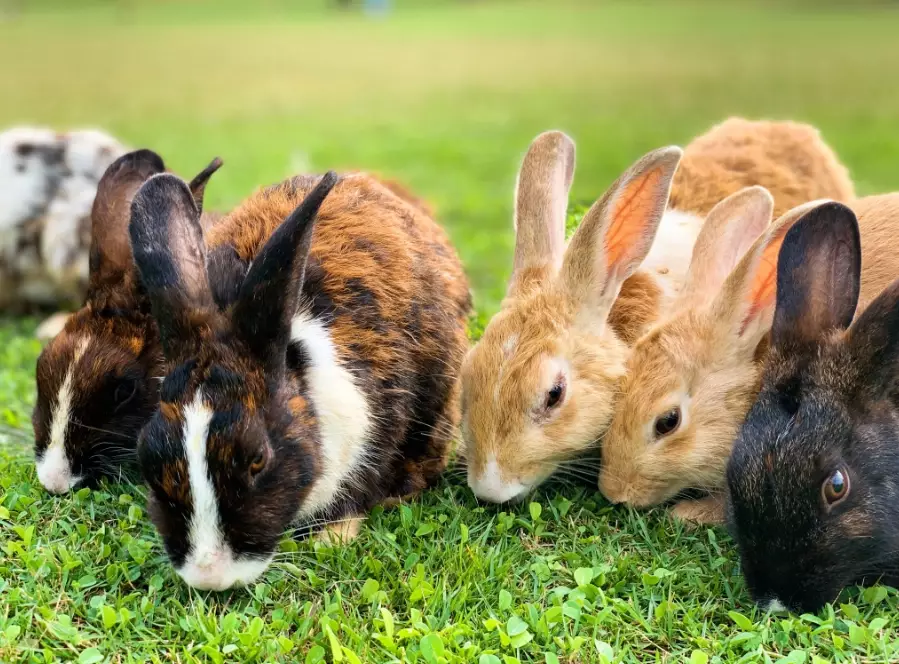
This is where stereotypes get flipped. Large breed rabbits are frequently the most relaxed and gentle of all. They tend to be less flighty, more confident, and often behave like calm, furry cats. The trade-off? Space and cost.
The Flemish Giant is the poster child. We're talking 15+ pounds of serene, laid-back bunny. They don't hop much as much as they... amble. But you can't keep one in a standard cage. They need a puppy pen or a rabbit-proofed room. Their food, litter, and vet bills (medication is dosed by weight) are proportionally larger. If you have the room, there's no better lap-filling companion.
Checkered Giants and French Lops fall into this category too. They are often described as "dog-like" in their loyalty and ease of handling. They're less likely to startle at sudden movements, making them potentially better for active families (with proper introductions, of course).
Quick Comparison: Breed Highlights at a Glance
| Breed | Size Category | Avg. Weight | Key Personality Trait | Primary Care Note |
|---|---|---|---|---|
| Netherland Dwarf | Small | 2-2.5 lbs | Spirited, can be shy | Monitor for dental issues. Needs confidence-building. |
| Holland Lop | Small/Medium | 3-4 lbs | Sweet-tempered, playful | Weekly ear checks. Prone to obesity; watch diet. |
| Mini Rex | Medium | 4-5 lbs | Calm, inquisitive, soft | Minimal grooming. Provide digging alternatives. |
| English Spot | Medium/Large | 6-8 lbs | Energetic, curious | Needs lots of exercise and mental stimulation. |
| Flemish Giant | Giant | 13+ lbs | Gentle, docile, calm | Requires large space. Monitor for joint stress. |
That table gives you the blueprint, but the house still needs to be built. The real-life details matter more.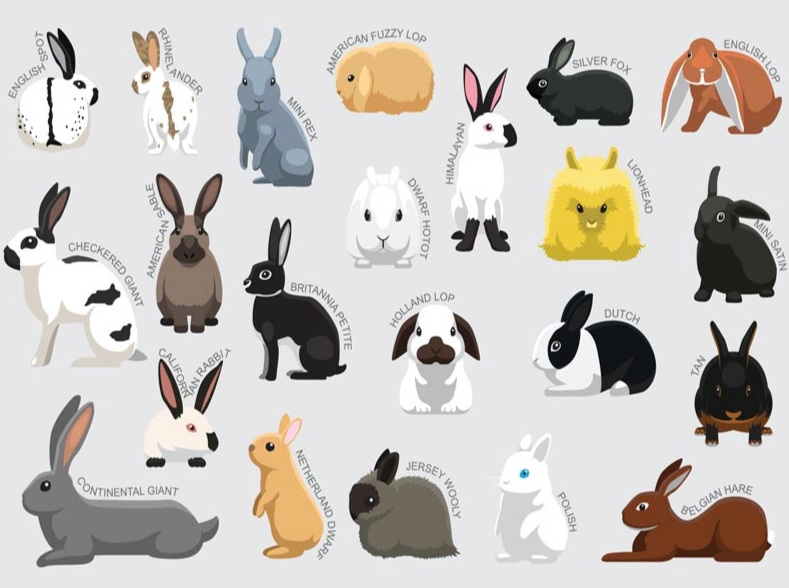
The Real Deal on Mixing Different Breeds
Can a Netherland Dwarf live with a French Lop? Technically, yes. Bonding depends on individual personality, not breed. But I've found it's harder to judge compatibility with a huge size disparity. The larger rabbit might unintentionally intimidate the smaller one during initial meetings, or their play styles might be incompatible. It's not a deal-breaker, but it adds a layer of complexity most first-time bonders don't need.
A more common and successful pairing is between similar-sized medium breeds, like a Mini Rex and a Holland Lop. Their energy levels and communication styles are more likely to align.
The absolute rule? Both rabbits must be spayed or neutered. Hormones trump breed every time.
My Top Pick for Your First Rabbit
If you're new to rabbits and want the highest chance of success, I consistently point people toward a well-socialized, adult Mini Rex or a calm Holland Lop. Why adult? Because a baby rabbit's personality is still forming. An adult from a rescue or breeder who handles them extensively gives you a known quantity. You know their temperament, their health history is clearer, and you're skipping the chaotic teenage phase.
Let's imagine your scenario: a family with calm, older kids in a house with a living room you can partially rabbit-proof.
A Mini Rex fits perfectly. Their fur is easy for kids to pet without pulling, they're less likely to startle at moderate noise, and their medium size feels substantial. You'd set up a large exercise pen (at least 4ft x 4ft) attached to a hideout, buy a heavy ceramic bowl, a large hay rack, and start researching rabbit-savvy vets before you bring them home. Your first shopping trip would be for timothy hay, plain pellets, and a cat litter box.
Avoid the impulse to get a "rare" or extreme breed like an Angora (high grooming) or an English Spot (high energy) as your first. Master the basics with a forgiving breed.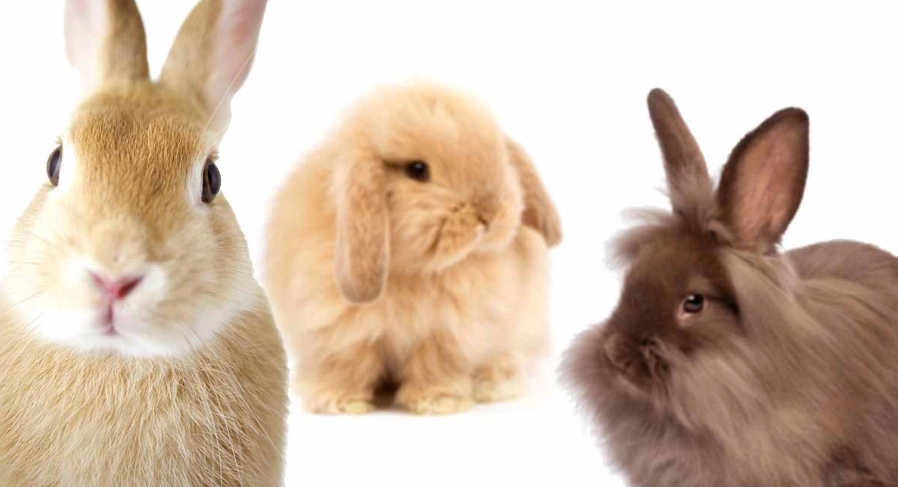
 Choosing between different breed rabbits isn't about finding the "best" one. It's about finding the best one for you. Look past the photos. Think about your daily routine, your living space, and what you truly want from a pet. A calm companion to share your evenings? A playful entertainer? Match that to the breed's inherent tendencies, and you're not just getting a rabbit—you're welcoming a compatible friend for years to come.
Comment