Quick Guide
So you're thinking about getting a rabbit, and that image of a cute, twitching nose attached to a ball of fluff with a perfect little cotton tails rabbit rear end has captured your heart. I get it. I was there too, standing in a pet store years ago, completely smitten. But let me tell you, there's a whole world between that adorable image and the reality of caring for a living creature with specific needs and a big personality. The term "cotton tails rabbit" isn't just about looks; it's a gateway into understanding a unique pet that's more like a tiny, quiet, and sometimes stubborn roommate than a cuddly toy.
This guide isn't going to sugarcoat things. We'll dig into what it really takes to keep a rabbit healthy and happy, from the ground up. We'll talk about the good, the messy, and the surprisingly rewarding parts of sharing your home with a cotton tails rabbit.
What Exactly is a "Cotton Tails Rabbit" Anyway?
First things first, let's clear something up. "Cotton tails" is a descriptive term, not a specific breed recognized by organizations like the American Rabbit Breeders Association (ARBA). It refers to rabbits whose tails have that distinctive fluffy, white, cotton-ball appearance. This trait is common in many breeds. When people search for cotton tails rabbit info, they're often looking for general pet rabbit care, but focused on the breeds that give us that classic look.
You're probably picturing a wild cottontail, but domestic breeds are very different. They've been bred for temperament and health. So which domestic rabbits sport that signature look?
Top Breeds That Give You That Classic Cotton Tail
Not all rabbits have equally fluffy rears. Some breeds are famous for it. If your heart is set on that perfect puff, you'll want to look at these popular choices. Remember, personality varies wildly within breeds, but these are general guidelines.
| Breed | Average Size | Key Personality Traits | Good for First-Time Owners? | Cotton Tail Rating (1-5) |
|---|---|---|---|---|
| Mini Rex | 3.5-4.5 lbs | Calm, friendly, enjoys being petted. Their fur is like velvet. | Excellent choice. Often very sociable. | 4 - Plush and round |
| Netherland Dwarf | 2-2.5 lbs | Can be energetic and sometimes shy or feisty. Not always a lap rabbit. | Can be tricky due to potential skittishness. | 3 - Small but perfectly formed |
| Holland Lop | 3-4 lbs | Typically sweet, curious, and playful. Those floppy ears are irresistible. | Great, but watch for ear health. | 5 - A fluffy, pom-pom masterpiece |
| Mini Lop | 4.5-6 lbs | Gentle giants, very relaxed and good-natured. | Yes, their calm demeanor helps. | 5 - Big and bountiful |
| Polish | 2.5-3.5 lbs | Alert, active, and can be a bit nervous. Very cute and compact. | Maybe, if you're patient with a shy bunny. | 2 - More of a tuft than a ball |
See? That Holland Lop or Mini Lop is basically the poster child for the cotton tails rabbit aesthetic. But choosing a pet on looks alone is a recipe for trouble. A Netherland Dwarf's tiny size might seem perfect for an apartment, but their big personality can be a lot to handle for a novice.
Setting Up Shop: Your Rabbit's Home Base
This is where most first-towners, including past me, mess up. That cute little cage in the pet store? It's a prison, not a home. Rabbits need space to run, hop, and explore. They are crepuscular (most active at dawn and dusk) and can cover surprising distance when they zoomie.
Your setup needs to prioritize safety and space. Think of it as creating a rabbit-proofed room or area, not just placing a cage in a corner.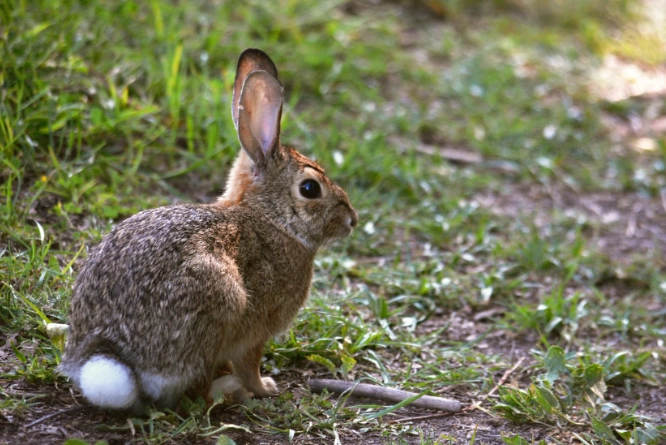
The Non-Negotiable Shopping List
Before you bring your cotton tails rabbit home, have this ready. Trust me, trying to assemble an exercise pen with a curious bunny underfoot is chaos.
- Exercise Pen (X-Pen): This is your best friend. A large, metal exercise pen (at least 4ft x 4ft square) is infinitely better than any commercially marketed rabbit cage. It allows for customization.
- Litter Box: A large cat litter box. Yes, rabbits can be litter trained! It's easier than you think.
- Litter: Paper-based or aspen wood pellet litter. Never use clumping cat litter or cedar/pine shavings. The fumes from cedar and pine are toxic to rabbits' respiratory systems. The Humane Society has good guidelines on safe litter.
- Hay, Hay, and More Hay: Timothy hay should make up 80-90% of their diet. Get a large hay rack that attaches to the pen.
- Heavy Ceramic Food and Water Bowls: Skip the water bottles. Bowls allow for more natural, greater water intake, which is crucial for health. Ceramic ones won't get tipped over.
- Hiding House: A cardboard box with two exits (so they don't feel trapped) is perfect. They need a safe, dark place to retreat.
Where you place this setup matters. Avoid direct sunlight, loud TVs, and drafty areas. Rabbits are sensitive to temperature extremes. A quiet corner of a living room where the family hangs out is ideal—they're social and want to be near you, even if they're not constantly interacting.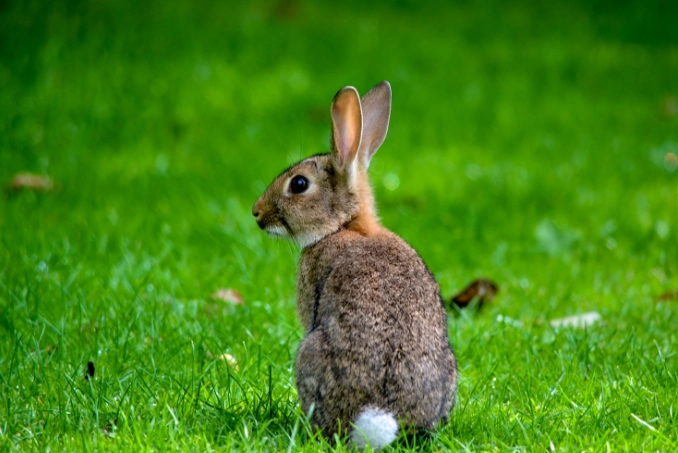
The Day-to-Day with Your Fluffy Friend
Okay, the house is ready. Now what does caring for a cotton tails rabbit actually look like on a Tuesday?
Feeding: It's Not Just Carrots
Forget Bugs Bunny. The diet of a healthy cotton tails rabbit is boringly simple but critical.
- Unlimited Timothy Hay (or Orchard Grass): This is not bedding. It's food. It keeps their digestive system moving and their teeth worn down. If they stop eating hay, it's a veterinary emergency.
- Fresh Greens: About 1 packed cup per 2 lbs of body weight daily. Romaine lettuce, cilantro, basil, spring greens. Introduce new greens slowly to avoid gas. Avoid iceberg lettuce (no nutritional value) and some veggies like cabbage in large amounts.
- Limited Pellets: Just 1/4 cup per 5 lbs of body weight of plain, timothy-based pellets (no colorful bits, seeds, or dried corn mixed in).
- Treats: A tiny slice of apple or banana, or a raspberry. Once in a while. Their sweet tooth is real, but their digestive system is delicate.
The biggest mistake? Overfeeding pellets and treats. That leads to an obese rabbit who ignores their hay, and then you're looking at expensive dental and gut problems.
Health Checks You Can Do at Home
Rabbits are prey animals. They hide illness brilliantly until they're very sick. You have to become a detective.
Every week, do a quick check. Feel their body—you should be able to feel their ribs with a slight padding, not a sharp bone or a thick layer of fat. Check their bottom. This is crucial. A clean cotton tail is a happy tail. If there's any poop stuck ("poopy butt"), it can attract flies and lead to the deadly condition flystrike. Gently clean it with a damp cloth. Check their eyes and nose for discharge, and their ears for wax or mites.
Monitor their eating, drinking, and poop output like it's your job. Any decrease in appetite, smaller or misshapen poops, or no poops for 12 hours means you call the vet. Not tomorrow. Today. Gastrointestinal stasis (GI stasis) kills rabbits fast.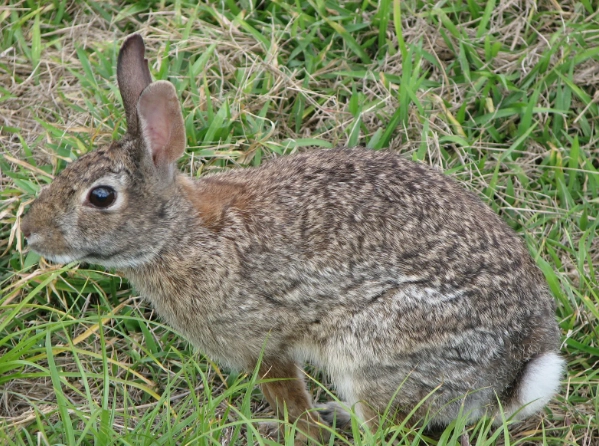
Understanding the Creature Behind the Cotton Tail
This is the part that makes them amazing pets. A rabbit is not a cat or a dog. Their communication is subtle.
What Their Behavior Really Means
- Circling your feet, honking softly: This is often courtship behavior. Your spayed/neutered bunny might do this when they're excited for food or just love you. It's adorable.
- Flopping onto their side suddenly: Don't panic! This is the ultimate sign of contentment and trust. They feel so safe they just melt into the floor. It looks terrifying if you don't know.
- Light, gentle tooth purring when you pet them: Bliss. They're happy.
- Loud tooth grinding: This is different. It's often a sign of pain. Context is key—if they're hunched and grinding, vet time.
- Thumping: Danger! Or annoyance. Mine thumps when I'm late with breakfast.
Bonding with a cotton tails rabbit takes time and patience. You have to get on their level—literally. Sit on the floor in their space with some treats and just read a book. Let them come to you. No grabbing. It can take weeks or months for a shy rabbit to trust you completely.
Common Questions (The Stuff You're Actually Searching For)
The Not-So-Glamorous Parts (Let's Be Real)
Nobody talks about this enough. That adorable cotton tails rabbit produces a staggering amount of poop. Luckily, their poops are dry, odorless pellets and easy to clean up. But you will be sweeping/vacuuming hay every single day. It gets everywhere. Their urine can be strong and stain carpets if not cleaned promptly with an enzyme cleaner.
They can be destructive. Even with a million chew toys, sometimes the baseboard just looks tastier. You have to manage your expectations and your home accordingly.
And sometimes, they just don't want to cuddle. You might get a bunny who is more of a "live-and-let-live" observer than a snuggler. Loving them means respecting their independent personality.
If you take away one thing from this, let it be this: prioritize space, hay, and vet care. Get those three things right, and you and your cotton tails rabbit have an excellent chance at a long, happy life together.
Comment