You see a picture online. A person holding a rabbit the size of a medium dog. Your first thought is probably "Is that real?" Let me tell you, it is. The world of giant rabbit breeds is real, fascinating, and full of misconceptions. It's not just about having a big, fluffy pet. It's about committing to an animal with the care requirements of a small dog but the delicate physiology of a rabbit. I've cared for standard and giant breeds for over a decade, and the differences are profound, often in ways new owners don't anticipate.
What’s Inside: Your Quick Guide
The Undisputed Champion: Meet the Flemish Giant
When people search for "big rabbit in the world," 99% of the time, they're thinking of the Flemish Giant. This breed is the heavyweight title holder, no contest. Recognized by the American Rabbit Breeders Association (ARBA), these behemoths are the standard against which all other large rabbits are measured.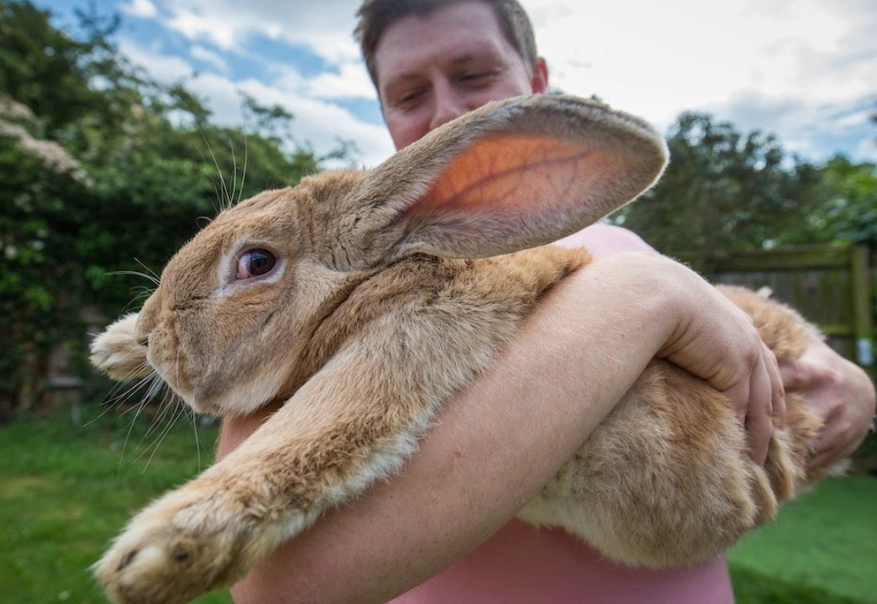
We're talking about an animal that can easily reach 15 pounds, with some documented specimens pushing past 22 pounds. The current record holder, according to Guinness World Records, was a Flemish Giant named Darius who measured over 4 feet long. But weight and length only tell half the story.
Their temperament is what truly defines them. They're often called "gentle giants," and for good reason. Bred originally for meat and fur, their utility purpose required a calm, manageable disposition. A well-socialized Flemish Giant is more like a placid, furry roommate than a skittish prey animal. They'll flop next to you, nudge for pets, and some even enjoy being led on a harness—a feat nearly impossible with smaller, more flighty breeds.
But here's the non-consensus bit everyone misses: that famous calmness is a double-edged sword. Their lower energy level means they are prone to obesity and related issues like sore hocks (a painful foot condition) if their diet and enclosure aren't meticulously managed. A lazy giant is an unhealthy giant.
Flemish Giant Fast Facts: A "senior" or "giant" breed rabbit pellet is essential—regular pellets lack the right fiber-to-protein balance for their size. Their lifespan is typically 5-8 years, similar to smaller breeds, debunking the myth that bigger animals always live shorter lives.
Other Giant Contenders in the Ring
While the Flemish Giant wears the crown, it's not the only massive breed out there. Think of these as the other elite athletes in the giant rabbit league. Each has its own unique history and traits.
The Continental Giant: The Flemish's Close Cousin
Often confused with the Flemish, the Continental Giant (or "Conti") is a separate breed with its own standards, particularly in Europe. They share the massive size and gentle nature. Some argue Contis have a slightly broader head and a wider range of accepted colors. For a pet owner, the practical difference is minimal—the care commitment is identical. Many record-breaking rabbits, like the previously mentioned Darius, are often Continental Giants shown under the Flemish name in media, adding to the confusion.
The Checkered Giant: The Athletic Giant
Don't let the "giant" in the name fool you into thinking it's as heavy as a Flemish. The Checkered Giant is a "commercial" giant breed, topping out around 11-12 pounds. Its "giant" designation refers more to its long, arched body type (the "mandolin" shape) than sheer mass. They are more active and energetic than the laid-back Flemish. Their striking black-and-white or blue-and-white spotted pattern makes them stunning, but their temperament can be more spirited and less inclined to be a couch potato companion.
The French Lop: The Stocky Heavyweight
Weighing in at 10+ pounds, the French Lop is a beast of a different build. It's compact, muscular, and defined by its enormous, drooping ears that can span over a foot tip-to-tip. They are incredibly docile and affectionate, often seeking out human interaction. Their main health watchpoint is those magnificent ears—they need regular checking for cleanliness and airflow to prevent infections. Their dense, roll-shaped body also requires careful weight monitoring.
Choosing between these isn't just about looks. It's about matching energy levels. Want a calm floor rug? Flemish/Conti. Want a more interactive, visually striking pet? Checkered or French Lop.
Caring for a Gentle Giant: It's Not Just a Bigger Cage
This is where most online guides fall short. They say "they need a big cage" and leave it at that. Caring for a giant rabbit is a paradigm shift. You're not keeping a pet; you're managing a small, hay-eating livestock animal in your home.
Space: Redefining "Rabbit-Proofed"
A standard pet store cage is an insult to these animals. It's abusive. They need a permanent enclosure, or "pen," that is at minimum 4 feet wide by 8 feet long and 2 feet high. That's 32 square feet of permanent real estate. I use and recommend heavy-duty exercise pens (X-pens) configured into a square. Even then, this is just their home base. They require several hours daily of supervised free-roam time in a secure room. Their powerful hind legs can clear lower barriers, and their size means they can reach things smaller rabbits can't.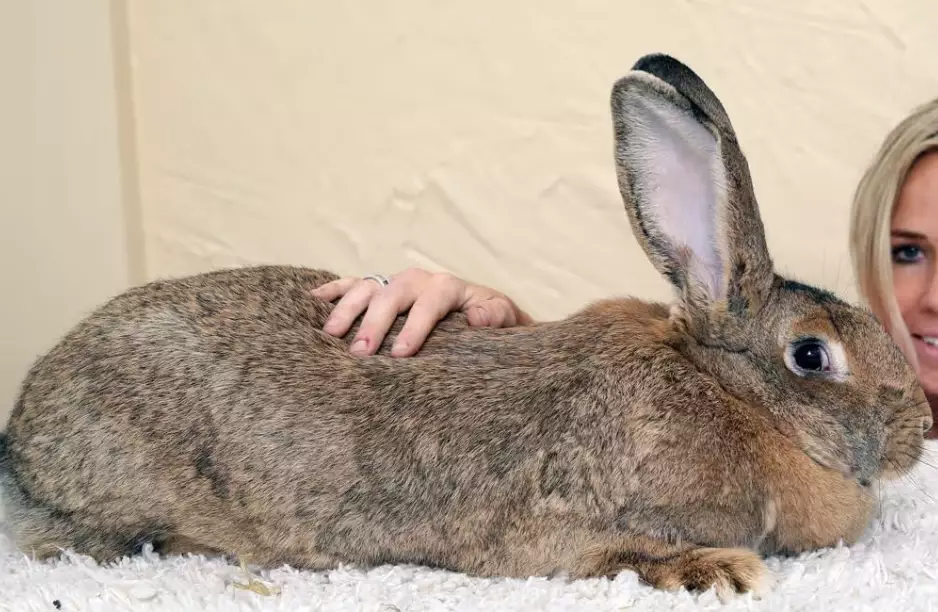
One rookie mistake? Underestimating the digging power of a 15-pound rabbit. A blanket on the floor isn't enough; they'll excavate your carpet in minutes.
Diet: The Hay Mountain
You know rabbits eat hay. A giant rabbit consumes hay. We're talking a pile roughly the size of their own body every day. Timothy hay is best. The cost is significant. A 90-ounce bag might last a week. Pellets are not free-fed; a measured amount (about 1/2 cup per 5 lbs of body weight) of a high-fiber, senior/giant breed formula is crucial to prevent obesity. Greens are given in proportion—a giant-sized salad daily. Fresh water is consumed by the bowlful, so a large, heavy ceramic bowl that can't be tipped is mandatory.
Health & Grooming: Scaling Up the Care
Everything is bigger. Nails are thicker and require sturdier clippers. Shedding produces enough fur to felt a small sweater. But the biggest health concern is sore hocks (pododermatitis). All that weight presses on the heel bone. Wire flooring is torture. Even hard floors or thin bedding can cause painful, infected sores. The solution is deep, soft bedding (like kiln-dried pine shavings topped with hay) over a solid floor, and most importantly, keeping them at a healthy weight. An obese giant will almost certainly develop sore hocks.
Vet bills are higher too. Medications are dosed by weight, so everything costs more. Finding an experienced "exotic" vet who is comfortable with giants is step one before you even bring one home.
Is a Giant Rabbit Right for You? The Honest Checklist
Don't get one just for the "wow" factor. Run through this list honestly.
- Space: Can you dedicate a permanent 4x8 ft area in your home, plus free-roam time?
- Budget: Can you handle $60-$100+ per month on food, litter, and hay, plus higher vet costs?
- Strength & Setup: Can you lift or maneuver a 15+ lb animal for nail trims or vet visits? Can you build or source a giant-sized, sturdy enclosure?
- Lifestyle: Are you home enough to provide social interaction? Giants can get lonely.
- Long-term: Are you prepared for a 5-8 year commitment with an animal that may have mobility issues in old age?
If you hesitated on any point, consider a large (not giant) breed like a New Zealand or Rex first. There's no shame in it.
Comment