What You'll Find Inside
I remember the first time I saw a wild rabbit warren up close. It was in a field in Yorkshire, and the ground was dotted with entrances—like a secret city under the grass. That got me thinking: if rabbits thrive in these complex burrow systems, why do we often keep pet rabbits in bare cages? A rabbit warren isn't just a hole in the ground; it's a dynamic habitat that shapes their behavior, health, and social life. In this guide, I'll break down everything from ancient warren management to how you can apply those principles today. Whether you're a new owner or a seasoned enthusiast, you'll find practical tips that go beyond the basic pet store advice.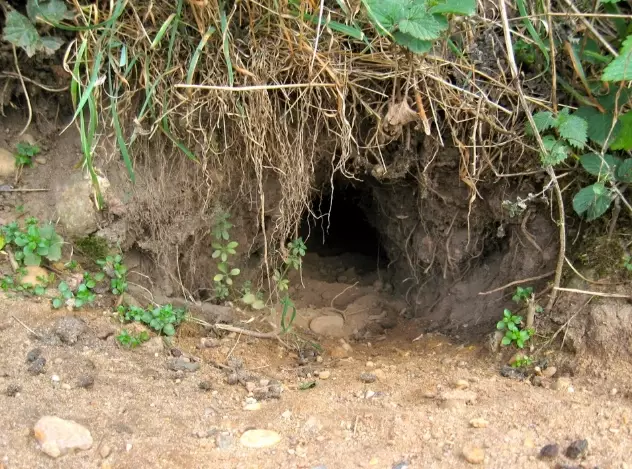
The Surprising History of Rabbit Warrens
Most people think of rabbit warrens as purely natural structures, but humans have been manipulating them for centuries. In medieval England, warrens were economic assets—managed enclosures for rabbit farming, often called "coneygarths." Lords would build artificial burrows using stone or wood to control populations and harvest fur and meat. I've visited sites like the Warren at Woodstock in Oxfordshire, where records show detailed accounts of warren keepers. They'd monitor breeding, protect against predators, and even trade rabbits as a luxury item. It's a far cry from today's pet care, but it highlights how warrens have always been intertwined with human needs.
One subtle mistake historians make is assuming these warrens were always successful. In reality, many failed due to poor soil drainage or overcrowding. For instance, a warren in Norfolk mentioned in the Domesday Book struggled because the clay soil flooded easily, leading to rabbit deaths. That's a lesson for modern owners: location and environment matter deeply.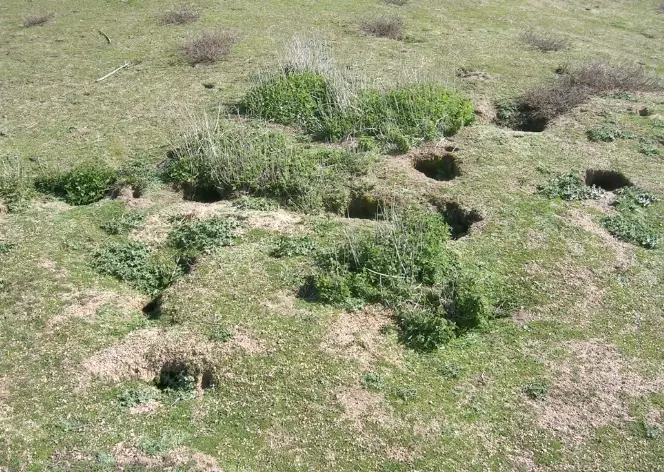
Ancient Uses and Management
Going further back, Romans introduced rabbits to Britain as game animals, and they likely observed warren behavior for hunting. There's evidence from archaeological sites like Fishbourne Roman Palace that suggests early warren-like structures. But here's a non-consensus point: many assume ancient warrens were chaotic, but they often had designated zones for different activities—feeding areas separate from nesting chambers. This zoning is something we can mimic in pet setups to reduce stress.
Medieval Warrens and Economic Impact
By the 12th century, rabbit warrens became big business. The Crown owned many, and warreners had specific roles—similar to modern zookeepers. They'd use ferrets to flush out rabbits for harvest, a practice that's controversial today but shows how warrens were actively managed. I've read accounts from the National Archives that describe warren maintenance schedules, which included clearing vegetation and repairing burrows. It's a reminder that warrens require ongoing attention, not just a one-time setup.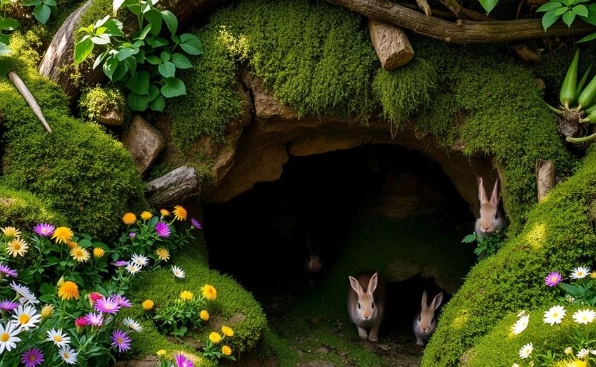
How Rabbits Really Use Warrens in Nature
In the wild, a rabbit warren is a labyrinth of tunnels, chambers, and exits. It's not random; each section serves a purpose. From my observations in countryside walks and studies like those from the Mammal Society, I've learned that warrens have nursery areas for kits, latrine spots to keep living spaces clean, and multiple escape routes. Rabbits are prey animals, so this complexity is survival. They spend hours digging and maintaining tunnels, which also provides mental stimulation.
A common myth is that rabbits are solitary in warrens. Actually, they live in social groups, often with a hierarchy. Dominant rabbits get the best spots, but subordinates have alternative paths to avoid conflict. This social structure is why introducing new rabbits to a home warren can be tricky—without enough space and hideouts, aggression spikes.
Key Insight: Wild warrens can extend over 50 meters with dozens of entrances. For pet rabbits, you don't need that scale, but replicating the variety—different textures, heights, and hiding places—can prevent boredom and behavioral issues like chewing cages.
The Structure of a Natural Warren
Let's get specific. A typical warren includes:
- Main tunnels: Wide enough for a rabbit to turn around, often lined with grass or fur.
- Nesting chambers: Soft, insulated areas for sleeping and raising young.
- Bolt holes: Narrow, quick-exit tunnels for emergencies.
In a study referenced by the British Wildlife Centre, warrens in sandy soil tend to be more extensive because digging is easier. For pet owners, this means if you're using a digging box, choose a loose substrate like peat-free soil or shredded paper, not hard clay.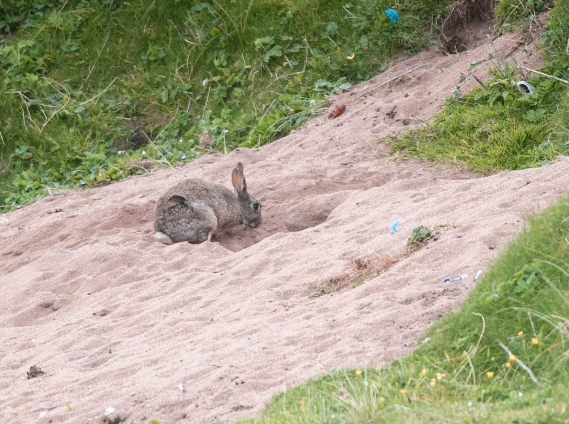
Social Dynamics Within a Warren
Rabbits communicate through scent marking and body language in warrens. I've noticed in my own rabbit group that after adding a new tunnel section, there's a flurry of scent-marking—they rub their chins on surfaces to claim territory. Without enough markers, rabbits can become anxious. That's why in home setups, it's crucial to leave some items unwashed during cleaning to retain familiar scents.
Building a Warren for Your Pet Rabbit: A Step-by-Step Approach
Now, the practical part. Creating a warren-like environment for your pet rabbit doesn't require a backyard field. You can do it indoors or in a secure outdoor run. I've helped friends set up these systems, and the biggest improvement I've seen is in rabbit activity levels—they're more engaged and less prone to obesity.
Start with a base enclosure. Forget the tiny cages; aim for at least 12 square feet per rabbit, as recommended by the Rabbit Welfare Association. Then, layer in warren elements. Here's a table comparing common options:
| Component | Purpose | Recommendation |
|---|---|---|
| Tunnels | Simulate burrowing and provide hideouts | Use PVC pipes (4-6 inch diameter) or commercial rabbit tunnels; avoid sharp edges. |
| Digging areas | Allow natural digging behavior | Fill a large box with child-safe sand or organic soil; change monthly. |
| Multi-level platforms | Add vertical space for exploration | Install ramps or shelves with non-slip surfaces; height should not exceed 2 feet to prevent falls. |
| Nesting boxes | Offer secure sleeping spots | Use wooden hideaways with soft bedding like hay; ensure they're well-ventilated. |
I made a mistake early on: I bought expensive plastic tunnels that my rabbits ignored. Turns out, they preferred cardboard boxes with holes cut out—cheaper and more disposable. The lesson? Observe your rabbit's preferences. Some love tight spaces, others prefer open hideouts.
Designing a Home Warren for Pet Rabbits
Think in zones. Separate feeding, sleeping, and play areas. For example, place hay racks near a tunnel entrance to mimic foraging in a warren. Connect zones with paths—like a rope bridge or a series of platforms. This encourages movement and reduces territorial disputes. In my setup, I used an old bookshelf on its side, adding holes and ramps to create a multi-room warren. It cost less than $50 and kept my rabbits busy for hours.
Common Pitfalls and How to Avoid Them
Here are three pitfalls I've seen repeatedly:
- Overcrowding: Too many rabbits in a small warren leads to stress. Stick to recommended space guidelines and introduce rabbits gradually.
- Poor ventilation: Enclosed warrens can trap ammonia from urine. Ensure airflow with mesh panels or open designs.
- Ignoring maintenance: Warrens get dirty. Spot-clean daily, and do a deep clean every few weeks, but always leave some familiar items to keep scents intact.
For outdoor warrens, predator proofing is key. Bury wire mesh around the perimeter to prevent digging escapes and attacks. I learned this the hard way when a fox nearly breached my run—now I use hardware cloth buried at least a foot deep.
Your Rabbit Warren Questions Answered
Wrapping up, a rabbit warren is more than a habitat—it's a framework for understanding rabbit needs. From historical management to modern DIY projects, the principles are the same: provide complexity, safety, and social opportunities. Don't just copy what you see online; adapt based on your rabbit's personality. I've had rabbits who loved climbing and others who preferred digging; tailoring the warren made all the difference. If you take one thing away, let it be this: think like a rabbit. Give them choices, and they'll thrive.
Comment