So, your rabbit might be pregnant. The first question everyone has is, "How long until the babies come?" The short, textbook answer is 31 to 33 days. But if you stop reading there, you're setting yourself up for a world of stress. That number is an average, a guideline. In reality, I've seen healthy litters born perfectly at 28 days and others keep everyone waiting until day 35. Knowing the rabbit gestation period is just the entry ticket. The real knowledge—the stuff that keeps you from panicking at 3 AM—is understanding everything that happens before, during, and after those 31-ish days.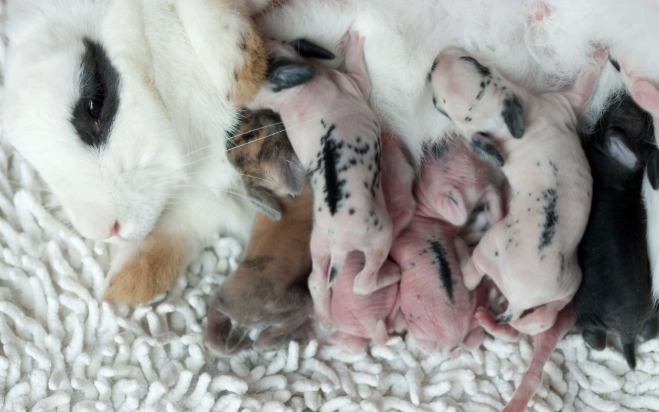
I've been raising rabbits for over a decade, and the number one mistake new breeders make is focusing solely on the due date. They mark day 31 on the calendar and then freak out when nothing happens. Meanwhile, they've missed the subtle signs of pregnancy, fumbled the nesting box setup, or don't know what to do when the kits finally arrive. This guide is here to fix that.
What's Inside This Guide
How Long Are Rabbits Pregnant? The Gestation Period Explained
Let's get specific. The average rabbit pregnancy lasts 31 to 33 days. This is called the gestation period. But "average" means some are shorter, some are longer. Smaller rabbit breeds tend to have slightly shorter pregnancies, sometimes as quick as 28 days. Larger breeds, like Flemish Giants, might go to 35 days. The size of the litter plays a bigger role than most people think. A doe carrying 12 kits will often deliver a bit earlier than a doe carrying only 2 or 3.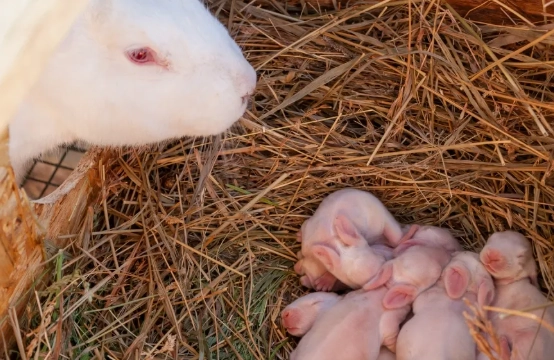
Here’s the thing new owners rarely hear: a due date is an estimate, not an appointment. If your rabbit hits day 34 and seems perfectly content—eating, drinking, acting normal—don't rush to the vet just yet. Stress from a car ride could do more harm than good. However, if she goes past day 35, or if she stops eating and seems lethargic at any point, that's your cue to call the vet.
Key Takeaway: Circle days 28-35 on your calendar as the "watch window." Don't fixate on day 31. Your rabbit hasn't read the manual.
Early Signs: Is She Really Pregnant?
You can't just ask her. In the first two weeks, changes are internal. Around day 10-14, a vet can often feel the developing embryos (like small marbles) through gentle palpation. I don't recommend beginners try this—it's easy to mistake feces for kits or, worse, cause harm.
What can you see at home? Not much early on. Some does might become more territorial or moody. But the real, visible clues come in the final week.
| Timeframe | Physical & Behavioral Signs | Reliability |
|---|---|---|
| Days 0-14 | Very few visible signs. Possible slight increase in appetite or temperament change. | Low. Could be many things. |
| Days 14-21 | Weight gain becomes noticeable. Abdomen starts to firm up and expand. | Medium. But weight gain alone isn't proof. |
| Days 22-28 | Significant abdominal enlargement. Mammary glands develop and may become visible. She may start drinking more water. | High. Strong indication of pregnancy. |
| Days 28-Birth | Nesting behavior begins. She'll frantically gather hay, dig, and pull fur from her chest and belly to line a nest. This is the most reliable behavioral sign. | Very High. But note: false pregnancies also include nesting. |
That last point is critical. False pregnancies are incredibly common in rabbits. A doe can show all the signs—weight gain, mood swings, even building a nest and pulling fur—and not be pregnant. It's her body's response to the mating process. If she engages in full nesting behavior but doesn't give birth within a day or two, it was likely a false pregnancy. It's frustrating, but it's part of rabbit biology.
How to Care for a Pregnant Rabbit: A Step-by-Step Guide
Once you suspect pregnancy, her care needs to shift. This isn't about drastic changes; it's about thoughtful, supportive adjustments.
Diet is Non-Negotiable. From the moment you suspect pregnancy, gradually increase her intake of high-quality alfalfa hay and pellets. Alfalfa is richer in calcium and protein, which she needs for growing skeletons. According to the House Rabbit Society, a pregnant or nursing doe should have unlimited alfalfa hay and pellets. Continue her usual greens, but keep them consistent to avoid digestive upset.
Fresh, clean water must be available 24/7. Her water intake will skyrocket, especially near the end and after birth when she's producing milk.
The Nesting Box: Don't Wait Until the Last Minute. This is where most people mess up. You must provide a nesting box around day 28. If you wait until she starts pulling fur, it might be too late, and she could kindle (give birth) on the bare cage floor.
What makes a good nesting box? A wooden or cardboard box with low sides so she can hop in and out easily. Fill it with a thick layer of soft hay (timothy or orchard grass is fine). I like to put the hay in loosely and let her rearrange it—it satisfies that nesting instinct. Once she starts pulling her own fur and adding it to the mix, you'll know she's getting close.
Stress is the Enemy. Keep her environment calm, quiet, and familiar. Now is not the time to introduce a new pet, move her hutch, or have loud parties nearby. Limit handling to essential health checks. A stressed doe can reabsorb embryos early on or neglect her kits after birth.
The Birthing Process: What Happens on Kindling Day
Rabbits usually give birth in the early morning hours. It's fast, quiet, and private. You will likely miss it, and that's okay. In fact, it's better. Interfering can cause her to abandon the process or the kits.
The process, called kindling, often happens in three quick stages:
1. The Setup: She'll spend a lot of time in her nesting box, arranging and rearranging the hay and fur. She might seem restless.
2. Delivery: The actual births are rapid. Each kit is born in its own amniotic sac, which the mother immediately licks open and cleans off. She'll eat the placenta (this is normal and provides nutrients) and sever the umbilical cord with her teeth.
3. Cleanup and Cover-Up: Once all kits are born (a litter can be 1 to 14!), she will thoroughly clean them, consume any remaining birth material, and then cover them completely with the fur and hay. She'll then hop out of the nest and likely go get a huge drink of water and some food.
This last part is crucial. A well-covered nest looks empty. This is a survival instinct to protect the kits from predators and keep them warm. Do not disturb the nest thinking she has abandoned them.
Postpartum Care for the Doe and Her Kits
The job isn't over when the kits arrive. The next 8 weeks are critical.
For the Mother (Doe): She needs massive nutritional support. Continue unlimited alfalfa hay and pellets. Her water consumption will be enormous. Leave her and the nest completely alone for at least 24 hours. She will feed the kits only once or twice a day, for just a few minutes, usually under cover of darkness. You won't see it. Check on her by observing her behavior from a distance—is she eating, drinking, and acting normally? If so, she's fine.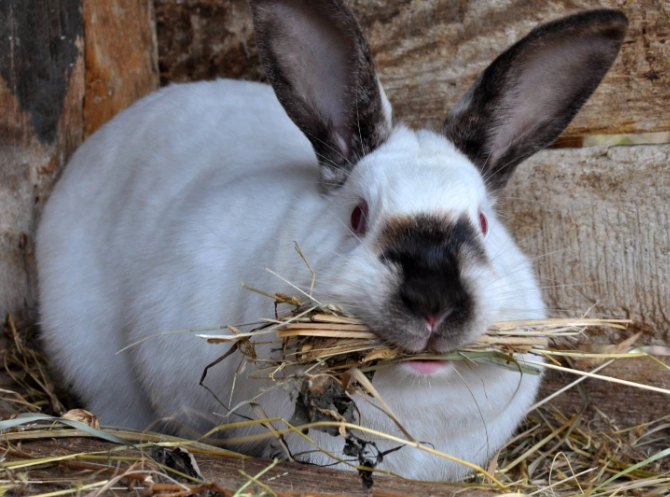
For the Kits: Your first check should be gentle and quick, about 6-8 hours after you suspect birth. Carefully part the fur in the nest. You're looking for two things: warmth and full bellies. Healthy kits will be in a warm pile. A "milk band"—a visible white band across their pink belly—means they've fed. Remove any obviously deceased kits. Do this quickly and with minimal scent transfer (some people rub their hands in the mother's bedding first).
A common panic point: "The mother isn't feeding them!" She is, but on her schedule. If the kits are warm, plump, and quiet, they are being fed. If they are blue, cold, wrinkled, and constantly squealing, there may be a problem. In that case, consulting a vet or an experienced breeder is key.
The kits' eyes will open around day 10, and they'll start venturing out of the nest around 2-3 weeks old. They'll begin nibbling on hay and pellets but will still nurse. They should stay with their mother until at least 8 weeks of age for proper social and nutritional development.

Understanding the timeline of rabbit pregnancy how long it lasts is the foundation. But building a successful outcome—healthy mother, thriving kits—requires you to look beyond the calendar. It's about reading her behavior, providing unwavering nutritional and environmental support, and knowing when to step in and when to step back. Forget the single number. Embrace the entire 35-day journey and the critical weeks that follow. That's how you move from an anxious owner to a confident rabbit caregiver.
Comment