I remember the first time one of my rabbits, a little lionhead named Benji, just sat in the corner of his pen. He wasn't sleeping. He was just... still. His food bowl was untouched. That quiet, subtle change was the only clue he gave me that something was terribly wrong. It turned out to be the early stages of gastrointestinal stasis. That experience taught me more than any book ever could: rabbit disease doesn't announce itself with a bang. It whispers.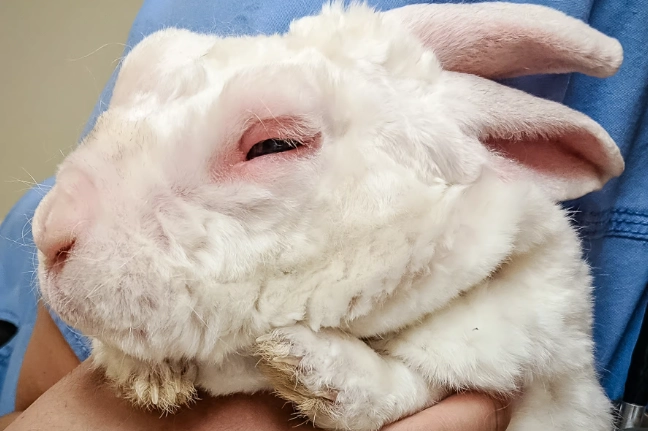
Rabbits are masters of disguise when it comes to illness. In the wild, showing weakness makes you a target. That instinct is still hardwired into our pet bunnies. By the time they look obviously sick—discharge from the eyes, loud breathing, collapse—they are often critically ill. Your job as an owner is to become a detective, learning to read the tiny, almost invisible signs that something is off. This guide isn't just a list of diseases. It's a manual on how to think like a rabbit, spot trouble early, and take the right action to keep them healthy and hopping.
What's Inside This Guide
The 4 Most Common Rabbit Health Problems (And What Makes Them Tick)
Let's cut to the chase. You're probably here because you've noticed something, or you're worried you might miss something. These are the big four rabbit health problems that keep vets and owners up at night. Understanding them is half the battle.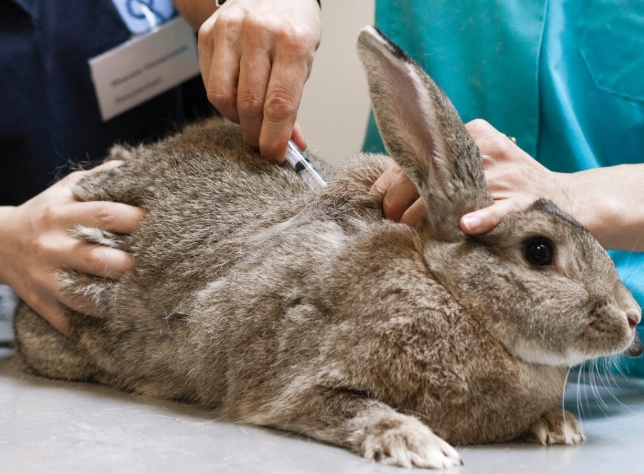
1. Gastrointestinal (GI) Stasis: The Silent Killer
This is the number one rabbit disease emergency. It's not a specific infection; it's a system shutdown. A rabbit's gut needs to be moving constantly. When it slows or stops, gas and painful bloating build up, the rabbit stops eating, and a vicious cycle begins.
Common Triggers: Pain from something else (dental issues, arthritis), a diet too low in fiber (not enough hay), stress, or dehydration. Many owners mistakenly think it's "bloat" from overeating, but it's almost always a motility issue.
2. Dental Disease: More Than Just Overgrown Teeth
Rabbit teeth grow continuously. The problem isn't just the front incisors you can see. It's the molars at the back that form sharp, painful spikes (spurs) that cut into the tongue and cheeks. This is often caused by a lifelong diet lacking the abrasive wear of high-quality grass hay.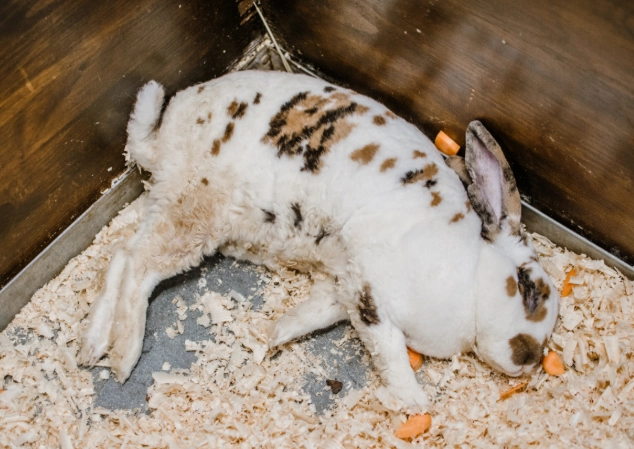
I've seen rabbits labeled as "picky eaters" who were actually in chronic pain every time they tried to chew.
3. Respiratory Infections (Snuffles)
Characterized by sneezing, nasal discharge (which they often wipe on their front paws, leaving a tell-tale crust), and weepy eyes. The bacteria Pasteurella multocida is a common culprit, but it's not the only one. Stress is a huge factor in flare-ups. It's chronic, manageable, but rarely curable.
4. Viral Threats: RHDV and Myxomatosis
These are the scary ones. Rabbit Hemorrhagic Disease Virus (RHDV) causes sudden death, often with blood from the nose. Myxomatosis causes severe swelling of the eyes, genitals, and head. Both are spread by insects, contaminated objects, or other rabbits. The House Rabbit Society emphasizes that vaccination, where available, is the single most important preventative step.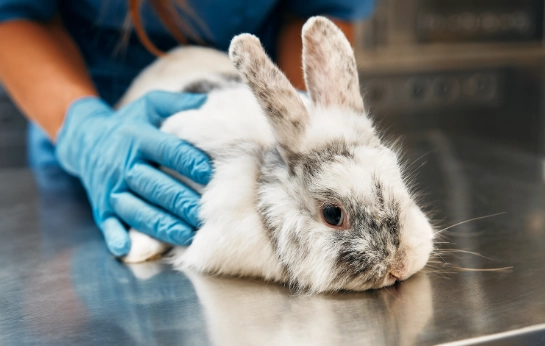
| Disease | Key Early Signs | Primary Cause | Action Required |
|---|---|---|---|
| GI Stasis | Smaller/No poops, hunched posture, tooth grinding (pain) | Low fiber, pain, stress | EMERGENCY VET |
| Dental Disease | Dropping food, drooling, weight loss, eye discharge | Diet (lack of hay), genetics | Schedule vet exam |
| Snuffles | Sneezing, wet front paws, sticky eyes | Bacteria (e.g., Pasteurella) | Vet for antibiotics |
| RHDV/Myxo | Lethargy, fever, swellings (Myxo), sudden death (RHDV) | Virus (insects, contact) | Prevention via vaccination |
How to Spot Early Signs of Rabbit Illness: Become a Bunny Detective
Forget waiting for obvious symptoms. You need to establish a baseline of normal for your rabbit. Spend five minutes each day just observing.
Monitor Input and Output: Know how much they eat and drink. Count poops. Healthy poops are round, firm, and plentiful. Smaller, misshapen, or strung-together poops are a first-alert system.
The "Treat Test": A reliable, non-scientific but highly effective tool. Offer a tiny piece of a favorite treat (a sprig of cilantro, a bit of banana). A healthy rabbit will practically take your finger off. A sick rabbit will ignore it, turn away, or take it and drop it. This is often the very first sign.
Posture and Eyes: A hunched rabbit is a rabbit in pain. A healthy rabbit relaxes in a loaf or flops. Also, look at their eyes. A sick rabbit's eyes often look dull, half-closed, or have a "glazed" appearance compared to their usual bright, alert look.
Your Rabbit Disease Prevention Plan: It's Mostly About Routine
Prevention isn't complicated, but it requires consistency. Think of it as building a strong foundation.
Diet is 90% of Prevention: Unlimited grass hay (Timothy, Orchard, Meadow). Not alfalfa for adult rabbits—it's too rich. Hay keeps the gut moving and grinds down teeth. Fresh greens daily. Limited pellets. This simple formula prevents GI stasis and mitigates dental disease.
Annual Vet Checks: Not optional. A rabbit-savvy vet (find one via the House Rabbit Society directory) will check weight, teeth with an otoscope, listen to the heart and lungs, and feel the abdomen. This establishes a health record and catches problems early. A check-up might cost $60-$100, but it's cheaper than an emergency $500 surgery.
Environment: Clean, spacious, low-stress. Ammonia from dirty litter irritates respiratory tracts. Boredom and fear cause stress, which suppresses the immune system.
What to Do: Home Care & Vet Treatment
If you suspect illness, your actions are critical.
Step 1: Assess and Stabilize. Is your rabbit eating? Pooping? Passing the treat test? If not, skip online forums. Move to Step 2.
Step 2: Call Your Vet. Describe symptoms precisely: "No food intake in 10 hours, small poops, hunched posture." Have your rabbit's weight handy. If it's after hours, know the location of your nearest emergency exotic animal clinic. Don't rely on a regular dog/cat ER.
Step 3: Provide Supportive Care. While waiting for the vet or traveling:
- Keep them warm. A cold rabbit's metabolism slows further.
- Offer water from a syringe or bowl.
- Syringe-feed if you have a recovery food like Oxbow Critical Care. This can be a lifesaving bridge.
- Do not force-feed if they are struggling or have respiratory distress.
At the Vet: Expect diagnostics like X-rays (to check for blockages and gas), blood work, and pain medication (Meloxicam is common). Treatment for GI stasis involves fluids (often subcutaneously), gut motility drugs, pain relief, and assisted feeding. Dental disease requires sedation and filing of the molars with a special burr.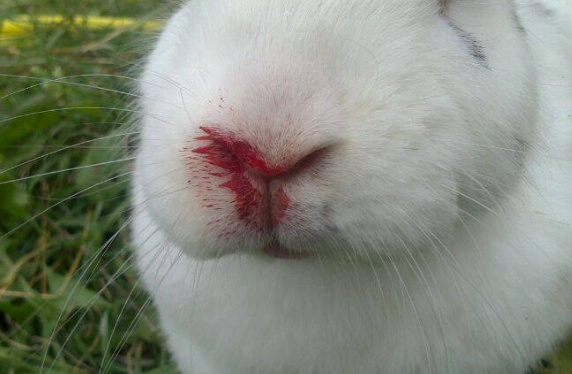
Your Rabbit Health Questions Answered
The bottom line with rabbit disease is this: trust your gut. If something feels off, it probably is. Building a relationship with a rabbit-savvy vet before you have an emergency is the best investment you can make. Pay attention to the quiet moments, the daily routines, and the size of those poops. That's where you'll find the clues to keeping your bunny healthy for years to come.
Comment