If you've ever seen a rabbit with a wild, fluffy mane framing its face like a tiny lion, you've met the Lion's Mane Rabbit, more commonly known as the Lionhead. That distinctive fluff isn't just for show—it defines their care, their challenges, and their charm. I've kept rabbits for over a decade, and while Lionheads are enchanting, I've also seen too many new owners blindsided by the reality behind the cute photos. This isn't a breed you pick on a whim. Let's cut through the fluff and talk about what living with a miniature lion is really like.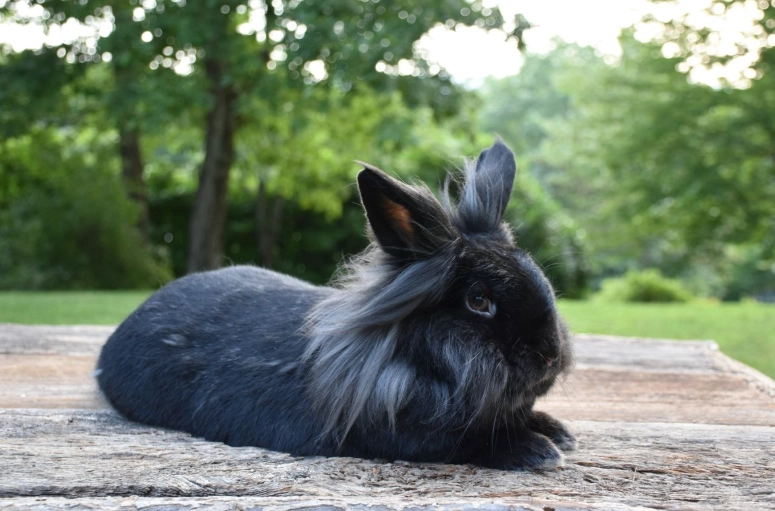
What You'll Find in This Guide
Where Did the Lion's Mane Rabbit Come From?
The Lionhead's story starts in Belgium sometime in the late 20th century, not centuries ago. Breeders were experimenting with crossing a Swiss Fox rabbit (known for long fur) with a Netherland Dwarf (the tiny, popular breed). The goal was a small, woolly rabbit, and a genetic mutation for a "mane" gene popped up. This dominant gene causes wool to grow in a ring around the head, on the chest, and sometimes the flanks.
Here's a common myth I want to squash right away: they are not related to Angora rabbits. The mane is a different type of wool—finer and more prone to matting. The breed was developed further in the UK and was officially recognized by the British Rabbit Council (BRC) in 2002 and later by the American Rabbit Breeders Association (ARBA) in 2014 after a long process. Their relative newness as a standardized breed is key. It means their genetics can still be a bit unpredictable, and finding a reputable breeder who prioritizes health over fluff is crucial.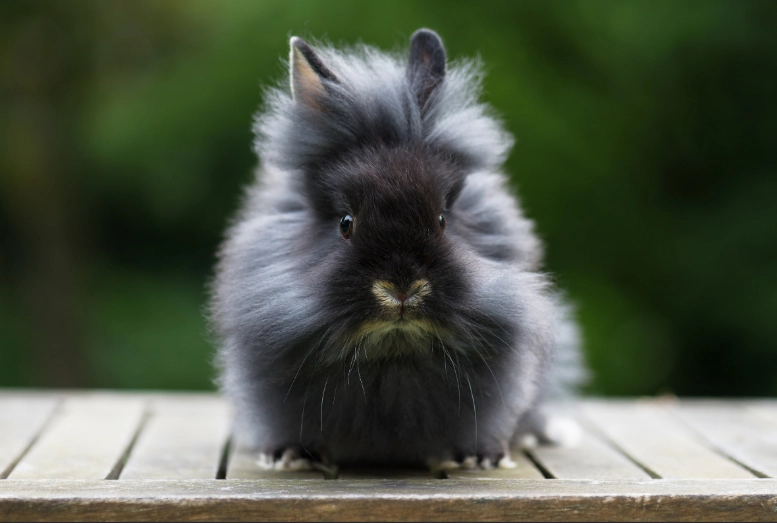
Key Takeaway: The Lionhead is a modern, man-made breed. Its signature mane is the result of a specific gene, not ancient lineage. Always check a breeder's affiliation with the ARBA or BRC to ensure they follow the breed standard and ethical practices.
Identifying a True Lionhead: Looks and Variants
Not every fluffy rabbit is a Lionhead. The official breed standard is specific. They are small, weighing between 2.5 and 3.75 pounds, with a compact, rounded body. The head is bold with a well-defined forehead. Ears are upright and ideally no longer than 3 inches.
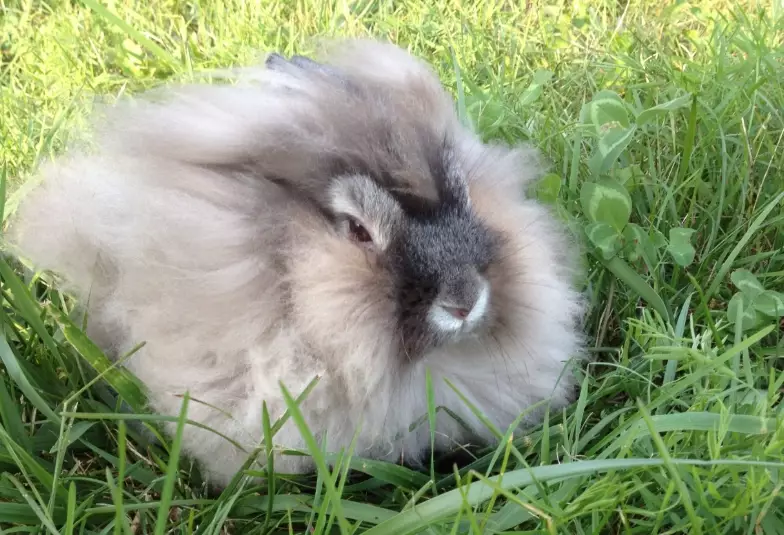
Then there's the mane. According to ARBA standards, it should be at least 2 inches long and form a full circle around the head, extending to a "vest" on the chest. The rest of the body has normal, shorter rollback fur.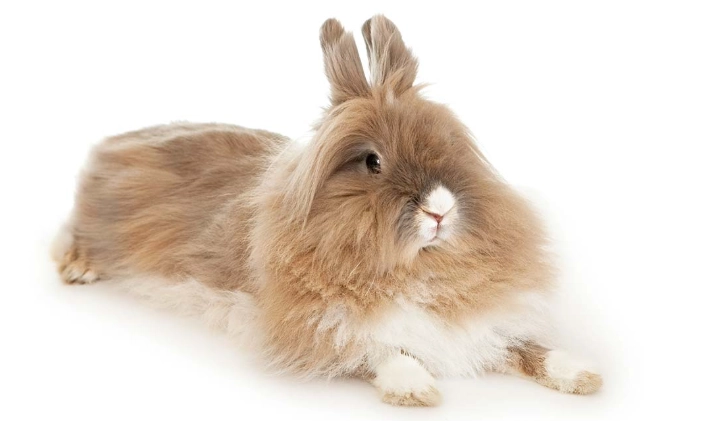
In practice, you'll find two main types, determined by genetics:
| Mane Type | Genetic Makeup | What It Looks Like | Consideration for Owners |
|---|---|---|---|
| Single Mane | One copy of the mane gene. | A definite, but often thinner, mane. It may thin or disappear somewhat after the first molt. Fur on flanks is usually normal. | Lower grooming maintenance, but the mane might be less impressive over time. |
| Double Mane | Two copies of the mane gene. | A very thick, abundant mane. Often has "wool" (longer fur) on the flanks and rear, sometimes creating a "skirt." | Significantly higher grooming needs. The flank wool mats easily and requires daily attention. |
I made the mistake early on of not asking a breeder which type I was getting. My first Lionhead, Mochi, was a double mane. I thought I was prepared. I wasn't. The wool on her sides was a constant battle. A single mane is often a better fit for a first-time Lionhead owner.
Personality and Behavior: More Than Just a Fluffy Face
Forget the stereotype of the aloof, decorative rabbit. A well-socialized Lionhead is typically curious, intelligent, and often delightfully cheeky. Their small size doesn't mean a small personality. Many are confident and can be quite territorial, especially around their designated space or food.
They form strong bonds but on their own terms. Don't expect a lap rabbit that will cuddle for hours. Most prefer to be near you, exploring, nudging your foot for treats, or performing little binkies (joyful jumps) when they have space to run. They are highly food-motivated, which makes positive reinforcement training possible—you can teach them to come when called, navigate simple agility courses, or even use a litter box reliably.
The biggest behavioral challenge ties back to their care. A Lionhead in pain from mats or gastrointestinal discomfort (common if their diet is wrong) will become reclusive, aggressive, or destructive. Bad behavior is often a health check in disguise.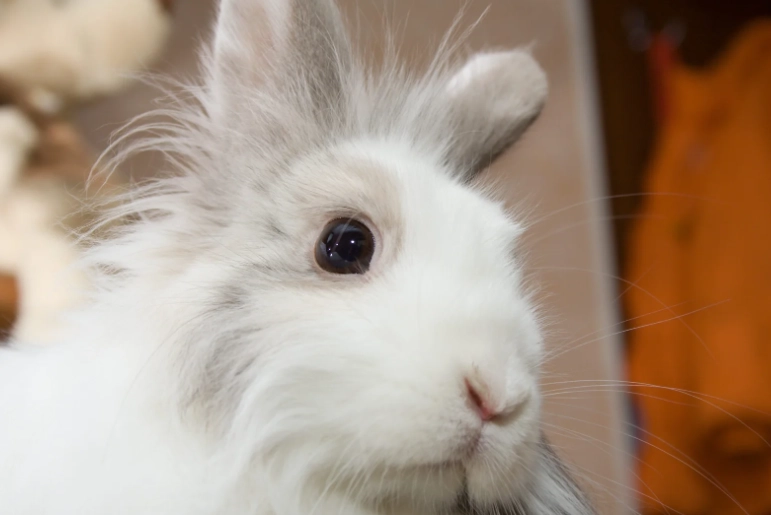
The Complete Lionhead Rabbit Care Guide
This is where the rubber meets the road. Owning a Lionhead is a lifestyle adjustment. Here’s the breakdown, room by room, task by task.
Housing and Environment: Think Palace, Not Prison
A standard pet store cage is torture for any rabbit, especially an active one. The House Rabbit Society recommends a minimum of 8 square feet of enclosed space, plus constant access to a larger exercise area (like a rabbit-proofed room) for at least 4-5 hours daily. For a Lionhead, I'd go bigger. They need space to run to stay healthy and avoid obesity.
Use a large exercise pen (x-pen) or a custom-built enclosure. The floor must be solid—wire floors cause painful sore hocks. Cover it with soft fleece blankets, vet bed, or thick paper bedding. Provide a large litter box (cat-sized) filled with paper-based litter and hay, a heavy ceramic food bowl, a water bowl (preferred over bottles), and hideaways like cardboard castles or wooden houses.
Diet: The Hay, The Pellets, The Greens
Their digestive system is a delicate, constantly moving conveyor belt. The number one rule: unlimited grass hay. Timothy hay or Orchard grass should make up 80-90% of their diet. It provides essential fiber for gut motility and wears down their constantly growing teeth.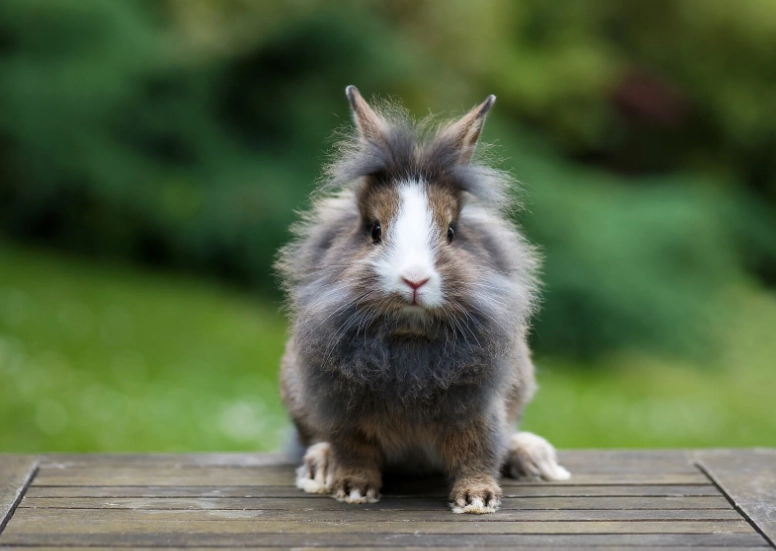
Critical Warning: Wool Block. This is a Lionhead-specific danger. They groom themselves and ingest their own fine wool, which can combine with ingested food to form a deadly blockage in the gut. The only prevention is a massive amount of hay fiber to keep everything moving, and relentless grooming by you to reduce the wool they swallow.
Supplement hay with a measured amount of high-fiber pellets (about 1/4 cup per day for a 3lb rabbit). Avoid pellet mixes with colorful bits, seeds, or corn. Then add 1-2 cups of fresh, dark leafy greens daily (romaine, kale, cilantro, spring greens). Treats like a tiny slice of apple or banana should be rare.
Health and Veterinary Care
Find a vet who specializes in exotics or rabbits before you need one. Annual check-ups are a must. Key health issues to watch for:
Gastrointestinal Stasis (GI Stasis): The gut slows or stops. Signs include no fecal pellets, lethargy, and hunched posture. This is an emergency. Prevention is key: massive hay intake, low stress, and prompt grooming.
Dental Problems: Rabbit teeth grow continuously. A diet poor in hay leads to overgrowth, causing pain, abscesses, and inability to eat. Your vet should check their teeth at every visit.
Flystrike: If mats or urine-soaked fur are left unattended, flies lay eggs which become maggots that eat the rabbit's flesh. It's horrific and fatal if not caught immediately. Clean housing and mat-free fur are your shields.
Grooming: The Non-Negotiable Ritual
Here's the 10-year-experience tip everyone misses: Start grooming on day one, even if they don't need it. Get them used to being handled, the touch of the brush, and the sound of the clippers. Make it a positive experience with treats.
You'll need a fine-toothed metal comb, a slicker brush, and small, quiet pet clippers. For a double mane Lionhead, you must comb through the entire mane and any flank wool every other day, daily during molts. Don't just brush the top—part the fur and comb down to the skin to prevent hidden mats. If you find a mat, don't pull. Gently work it apart with the comb or carefully clip it out.
Some owners opt for a periodic "sanitary trim," carefully clipping the wool around the rear end to keep it clean. If you're not confident, a rabbit-savvy groomer or vet can show you how.
Your Lionhead Rabbit Questions Answered
Is a Lion's Mane Rabbit a good pet for beginners?
How often do I need to groom my Lionhead rabbit's mane?
 What is the single biggest mistake new Lion's Mane Rabbit owners make?
What should a Lion's Mane Rabbit eat daily?
How long do Lionhead rabbits typically live?
 The Lion's Mane Rabbit is a captivating pet that rewards dedicated owners with heaps of personality bundled in a tiny, fluffy package. But that package comes with a strict set of instructions. If you're willing to put in the work—the daily grooming, the spacious housing, the meticulous diet—you'll have a unique and wonderful companion. If not, admire them from afar. Their well-being depends entirely on an owner who sees past the mane and understands the serious care commitment underneath.
Reader Comments