You've seen the pictures. Fluffy clouds with eyes, impossibly soft, looking like living teddy bears. Angora rabbits capture hearts instantly. But here's the raw truth most cute social media posts don't show: that magnificent coat is a full-time job. I've raised Angoras for over a decade, and the number one mistake I see is people falling for the fluff without understanding the commitment behind it. This isn't a typical pet rabbit guide. This is a reality check and a manual for anyone serious about providing a good life for these high-maintenance, wonderful creatures.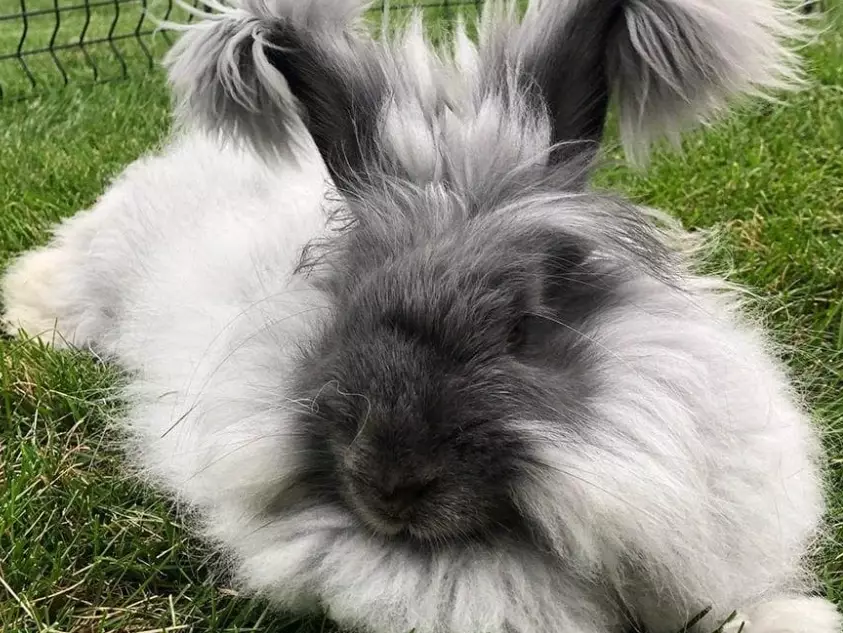
What You'll Find in This Guide
Are Angora Rabbits the Right Pet for You?
Let's cut to the chase. An Angora rabbit is not a "starter pet." It's not even a standard rabbit with extra fur. It's a project, a hobby, and a living being with very specific needs. Before you even look at breeders, ask yourself these questions honestly.
Do you have 30-45 minutes every single day, without fail, for grooming and care? Holidays, busy work weeks, feeling under the weather—the rabbit doesn't care. Mats form with shocking speed.
Are you prepared for significant upfront and ongoing costs? The rabbit itself might cost $50-$150. Then you need a massive enclosure (they need space to move, not a tiny hutch), premium hay by the bale, specialized grooming tools (a cheap brush won't cut it), and a vet fund. Rabbit-savvy vets are more expensive, and GI stasis, a common emergency, can cost hundreds to treat.
What's your tolerance for mess? Angoras shed. Constantly. Tiny wool fibers will be on your clothes, in your coffee, floating in sunbeams. You'll be vacuuming more than ever.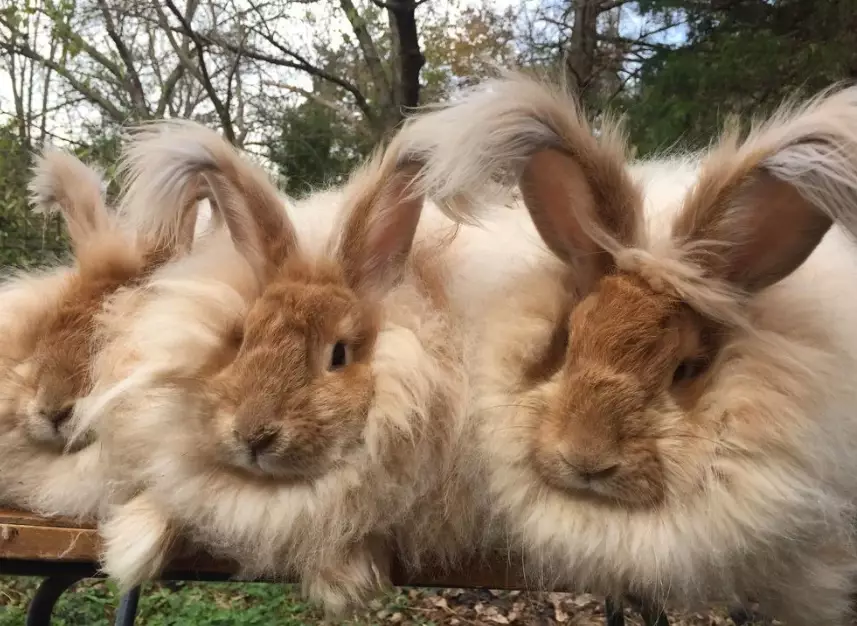
If you answered yes to all that, and you're still excited by the prospect of harvesting your own luxury fiber and bonding with a unique pet, then read on. You might be one of us.
The Non-Negotiable Daily Grooming Routine
Grooming isn't about keeping them pretty. It's a critical health procedure. Matted fur pulls on the skin, causes sores, restricts movement, and traps moisture leading to skin infections. A severely matted rabbit is a suffering rabbit.
Here’s what my daily 30-minute session looks like for my English Angora, Mochi:
- The Tools: A long-pinned slicker brush (I swear by Chris Christensen brushes), a fine-toothed metal comb, blunted-tip grooming scissors, and a spray bottle with water or a dilute grooming spray. Forget plastic combs from pet stores; they're useless.
- The Process: I start by misting the coat lightly to reduce static. I work in sections, from the bottom up. Comb first to find tangles, then use the slicker brush gently. I pay obsessive attention to the "trouble zones"—armpits, chest, belly, and behind the ears. This is where felting starts.
- The Bottom Check: This is the most unglamorous, vital step. Angoras can get "poopy butt" where droppings stick to the wool around their rear. This is a hygiene disaster and attracts flies. You must check and, if necessary, carefully trim this area daily. I keep a small pair of electric clippers just for this sanitary trim.
Missing a day is risky. Missing two days means you'll be spending an hour or more the next day fixing your mistake. During a molt (when they shed their coat), you're essentially on high alert, grooming twice a day.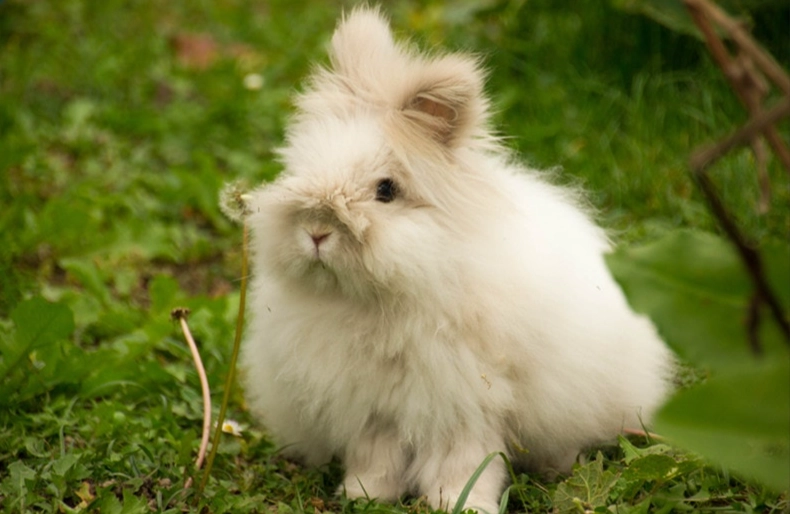
Grooming Tools You Actually Need (And Where to Save)
| Tool | Purpose & Why It's Essential | Budget Option Risk |
|---|---|---|
| Long-Pinned Slicker Brush | Reaches deep into the undercoat without scratching skin. Detangles gently. | Short pins won't penetrate the dense coat. Cheap brushes have sharp pins that hurt the rabbit and make them hate grooming. |
| Fine-Toothed Metal Comb | Your truth-teller. Runs through the coat to find hidden mats the brush missed. | Plastic combs bend and break. The spacing is often wrong for Angora wool. |
| Blunt-Tip Grooming Scissors | For safely cutting out small, tight mats you can't comb out. Blunt tips prevent stabbing. | Using sharp sewing or kitchen scissors is a disaster waiting to happen. One flinch and you cut skin. |
| Small Pet Clippers | For sanitary trims and, if necessary, a full "shave down" of a severely matted rabbit. | Human hair clippers overheat. You must use quiet, small animal clippers like Wahl Arco. |
Angora-Specific Diet and Health Watch-Outs
Their digestive system is their Achilles' heel, and the wool complicates everything. The goal is to keep the gut moving and minimize wool ingestion.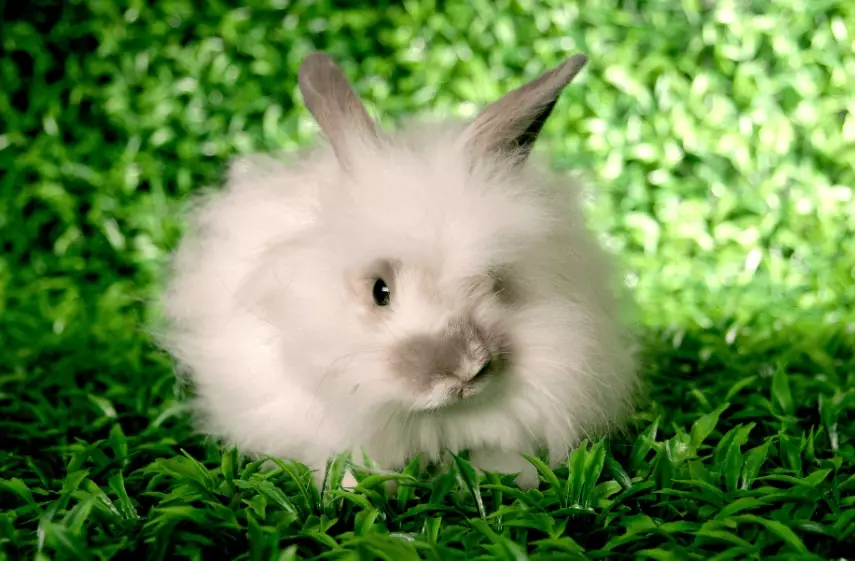
Diet Breakdown (This is non-negotiable):
- Unlimited Grass Hay (80% of diet): Timothy, Orchard, or Meadow hay. This is the engine of their GI tract. Alfalfa is too rich and high in calcium for adults and leads to obesity and urinary sludge.
- Limited High-Fiber Pellets (18%): About 1/4 cup per 5 lbs of body weight. Choose a plain, high-fiber pellet (18%+ fiber). Avoid the colorful mixes with seeds and corn—they're junk food.
- Fresh Greens & Treats (2%): A handful of dark leafy greens like romaine, cilantro, or kale. Fruits are a tiny, rare treat. Too much sugar disrupts their delicate gut bacteria.
The Hairball Problem (Wool Block): Unlike cats, rabbits cannot vomit. Ingested fur can accumulate in the stomach, causing a deadly blockage called GI stasis. Signs: small or no droppings, lethargy, loss of appetite, a hunched posture. This is an emergency requiring an immediate vet.
Prevention is your only weapon: daily grooming to remove loose fur before they swallow it, and that massive amount of hay to push any ingested fur through. During heavy molts, many owners (myself included) give a teaspoon of plain canned pumpkin (not pie filling) daily. The fiber and moisture can help.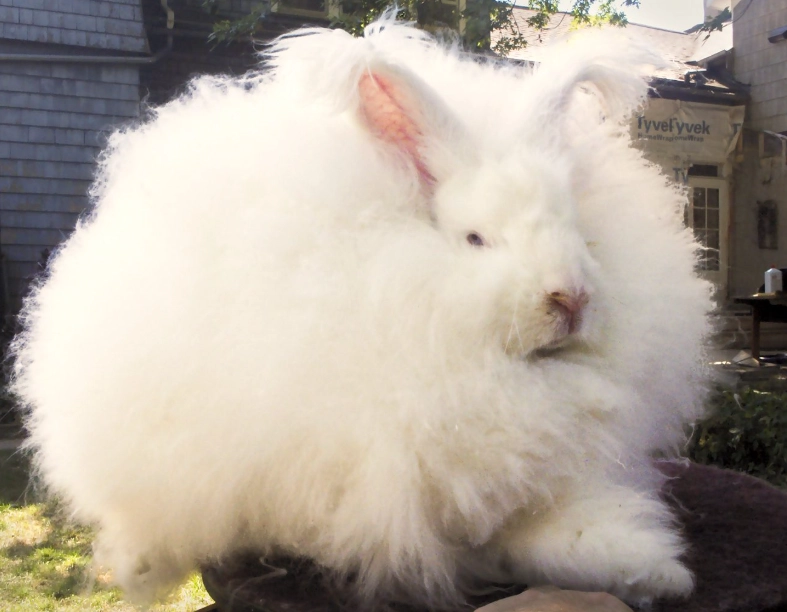
How to Harvest Angora Wool Humanely
If you do the grooming right, harvesting the wool is the rewarding part. You never, ever shear an Angora like a sheep. Their skin is paper-thin and easily cut. There are two humane methods: plucking and clipping.
Plucking (Hand Harvesting): This is done when the rabbit is naturally shedding. You gently pull the loose tufts of wool that are already releasing. It yields the highest quality, longest-staple fiber, ideal for spinning. The rabbit doesn't feel a thing if the wool is truly ready. If it resists, stop. It's not ready.
Clipping: Using sharp, safe scissors or clippers, you cut the wool when it's about 3-4 inches long, before it can mat. You leave about an inch of wool on the rabbit for insulation and protection. This is the method for rabbits who don't shed clearly or if you need to remove a slightly matted coat. The fiber is shorter but still very usable.
I set up a "spa day" every 3-4 months. Mochi gets a thorough grooming, then I gently pluck what comes easily. Whatever remains, I carefully clip. I keep the different quality wools separate. The prime, clean plucked wool goes for spinning. The shorter or slightly soiled clippings are perfect for felting or stuffing.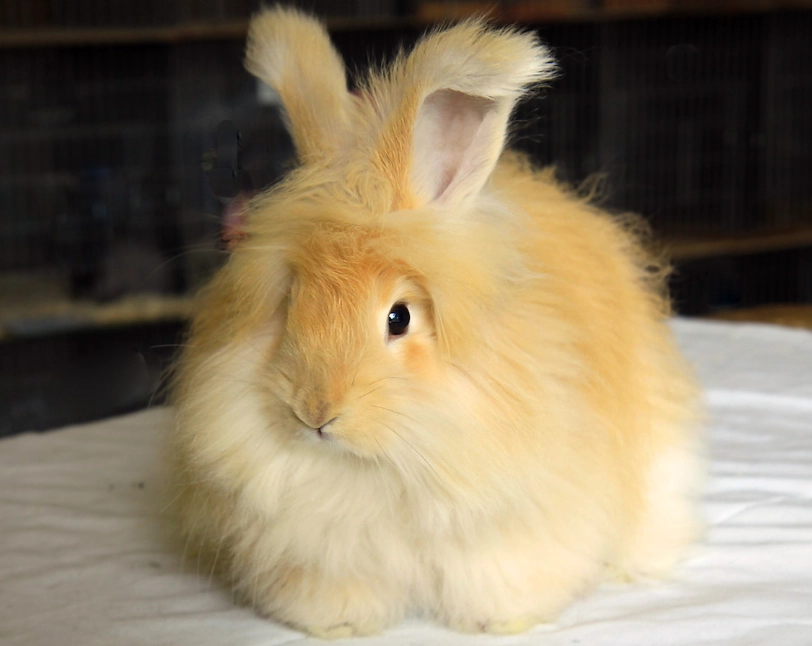
Choosing Your Fluff: A Breakdown of Angora Breeds
Not all Angoras are the same. The breed drastically changes the grooming experience.
| Breed | Coat Type & Grooming Demand | Best For... | Realistic Consideration |
|---|---|---|---|
| English Angora | Extremely fine, silky wool. Requires the MOST intensive daily grooming. Wool covers face and ears. | Dedicated hobbyists focused on premium spinning fiber. The classic "fluffy face" look. | Wool can easily felt. Face wool needs frequent trimming around eyes for visibility. |
| French Angora | Coarser, smoother wool with a satin texture. Less prone to matting. Face and ears are clear of wool. | First-time Angora owners. Those who want slightly less maintenance but still great fiber. | Fiber is excellent but has a different hand-feel than English. Often described as more "rabbity" looking. |
| Giant Angora | Massive rabbits (9.5+ lbs) with a dense, wool-undercoat mix. Requires regular grooming. | Those wanting maximum fiber yield. Experienced rabbit owners with space. | Size means everything is bigger—more food, bigger cage, more poop, more wool to process. |
| Satin Angora | Wool has a unique satin sheen. Grooming needs similar to French. | Fiber artists seeking a distinctive, shiny yarn. | Rarest of the four. Can be harder to find from reputable breeders. |
My first was an English. I loved her, but the learning curve was steep. My second was a French, and the difference in daily maintenance was noticeable. I recommend French or Satin Angoras for beginners in the wooled rabbit world.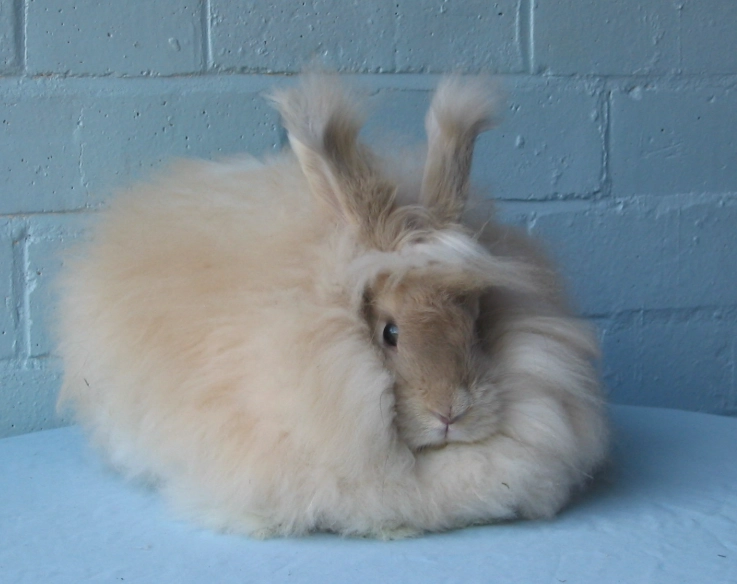
Your Top Angora Rabbit Questions Answered
How much time does Angora rabbit care really take per day?
A realistic daily commitment is 30 to 45 minutes for a single, well-maintained Angora. This isn't just a quick petting session. It involves a thorough 10-15 minute comb-through to prevent mats, checking their bottom for cleanliness (a critical step often overlooked), refreshing their hay and water, and a brief health check. During seasonal shedding or if you miss a day, this time can easily double as you work out tangles.
What is the biggest financial surprise for new Angora rabbit owners?
Beyond the initial setup and vet bills, the recurring cost of professional grooming tools shocks many. A cheap pet-store comb is useless. You need a high-quality, long-pinned slicker brush and a fine-toothed metal comb like those from Chris Christensen. A quality pair of blunted-tip grooming scissors is also essential. These tools are an investment, often totaling over $80, but they prevent skin injuries and make grooming tolerable for both you and the rabbit. Skimping here leads to misery.
 How much wool can I expect from my Angora rabbit, and is it worth it?
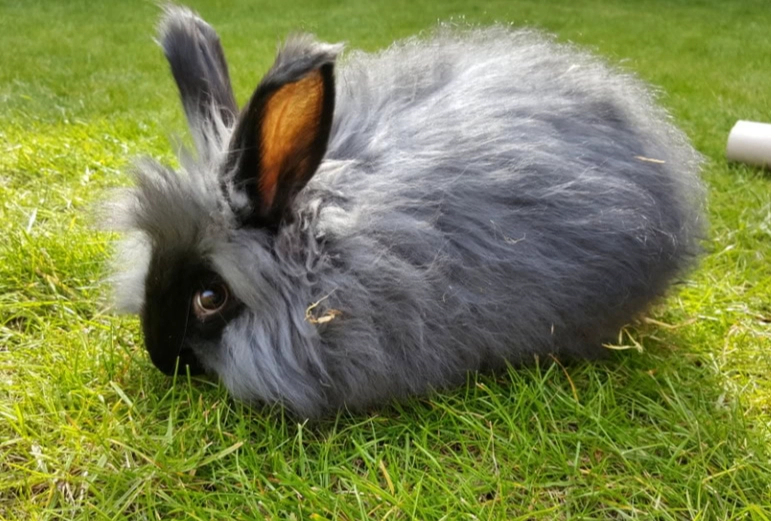
A healthy, mature English Angora produces 10-16 ounces of spinnable fiber every 3-4 months. Giant Angoras produce more. 'Worth it' depends on your perspective. Financially, raw fiber sells for about $10-$15 an ounce, so one harvest might net $100-$150. However, when you factor in premium feed, hay, and hours of care, the profit margin is slim for most. The real value is in the process—the sustainability, the connection to your animal, and the luxury of crafting with fiber you nurtured. It's a hobby with benefits, not a business.
What's the most common health problem in Angora rabbits, and how do I prevent it?
Gastrointestinal (GI) stasis is the silent killer, and Angoras are prone to it. The prevention is twofold and non-negotiable. First, diet: 80% of their intake must be unlimited, high-quality grass hay (Timothy, Orchard). This fiber keeps their gut moving. Pellets and treats are minimal. Second, hair ingestion: daily grooming is your primary defense against wool block. During heavy molts, a product like plain canned pumpkin (not pie filling) or a digestive supplement with papaya enzyme can help move ingested fur through their system. Watch for small or absent droppings—it's an emergency.
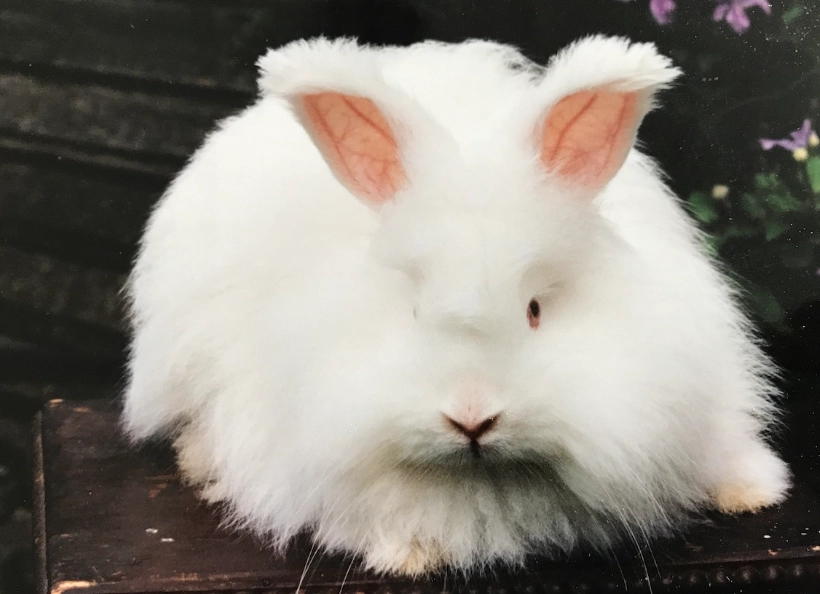 So, there you have it. The unfiltered truth about Angora rabbit care. They are enchanting, rewarding, and soft beyond belief. But they are a mirror—they reflect the amount of care you put in directly back in their health and happiness. If you're ready for the commitment, you'll gain not just a pet, but a fascinating journey into animal husbandry and fiber arts. If not, there are countless wonderful short-haired rabbit breeds in shelters waiting for a home. Choose wisely, for their sake and yours.
Comment