Let's clear this up right at the start. You search for "rabbit difference bunny" and you might expect a simple dictionary definition. Rabbit is the formal term for the species Oryctolagus cuniculus. Bunny is the affectionate, colloquial nickname, often implying youth or cuteness. But if you're here because you own one or are thinking about it, that surface-level answer is useless. The real "difference" you need to understand isn't in the word—it's in the animal. It's the gap between the cartoon image of a fluffy bunny and the complex, sensitive reality of a living rabbit. That's the gap where most care mistakes happen.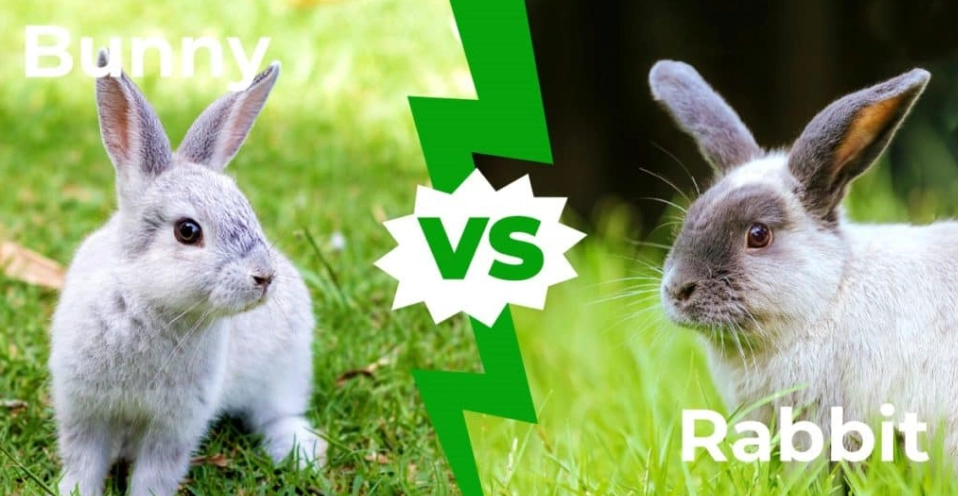
What You'll Discover in This Guide
What Exactly is the Difference Between Rabbit and Bunny?
Semantics matter because they shape expectations. Calling it a "bunny" can unconsciously frame it as a simple, low-maintenance child's pet. Calling it a "rabbit" feels more substantial, like caring for a real animal. Both refer to the same creature, but the mindset behind the word changes everything.
I've seen it firsthand. A family gets an "Easter bunny." They picture a quiet ball of fur in a small cage. What they get is a crepuscular athlete with a need to dig, chew, and explore—an animal that can live 10-12 years. The mismatch leads to frustration, neglect, or surrender. The House Rabbit Society rescues see this cycle every year.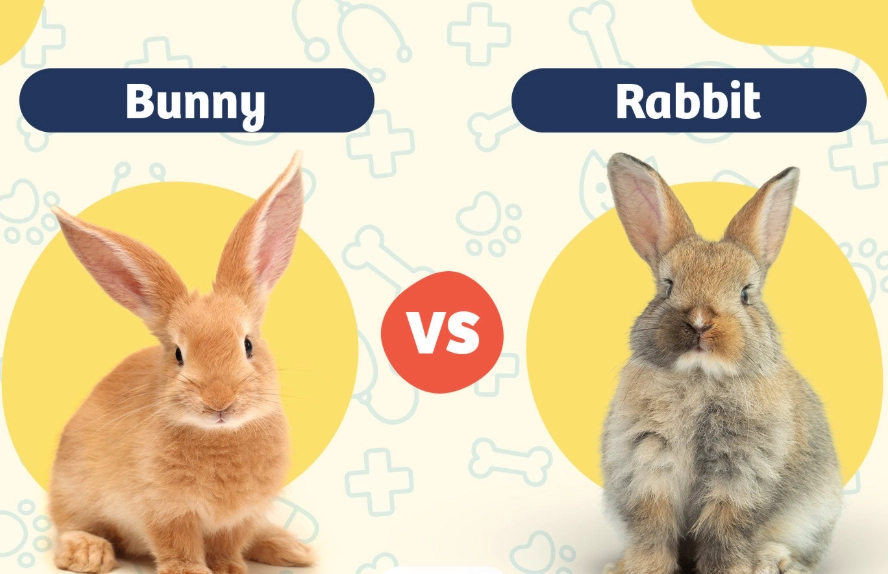
Think of it like this: You have a dog. You might call it a puppy, a doggo, or a good boy. The name doesn't change its need for walks, training, and vet care. Same with rabbit vs bunny. The cute name doesn't erase its real requirements.
The Hidden World of Rabbit Behavior
This is where new owners get blindsided. Rabbits are prey animals. Every instinct is wired for survival, which manifests in ways that are often misunderstood as behavioral problems.
They Don't Just Hop, They Binky
A "binky" is a joyful leap and twist in the air. It's the ultimate sign of a happy, secure rabbit. If you never see one, your rabbit might be stressed, bored, or unwell. I spent months with my first rescue rabbit, Finn, before he felt safe enough to binky. It wasn't about bigger treats; it was about predictable routines, no sudden grabs, and plenty of floor time where he controlled the interaction.
The Truth About Litter Training
Most rabbits can be litter trained, but it's not like a cat. They prefer to eat and poop in the same place. The trick? Put a hay rack directly over the litter box. Use a paper-based or aspen pellet litter, never clumping clay or pine/cedar shavings (the fumes can damage their liver). Spaying/neutering is critical for reliable litter habits and reduces cancer risk dramatically—a fact many vets unfamiliar with exotics underplay.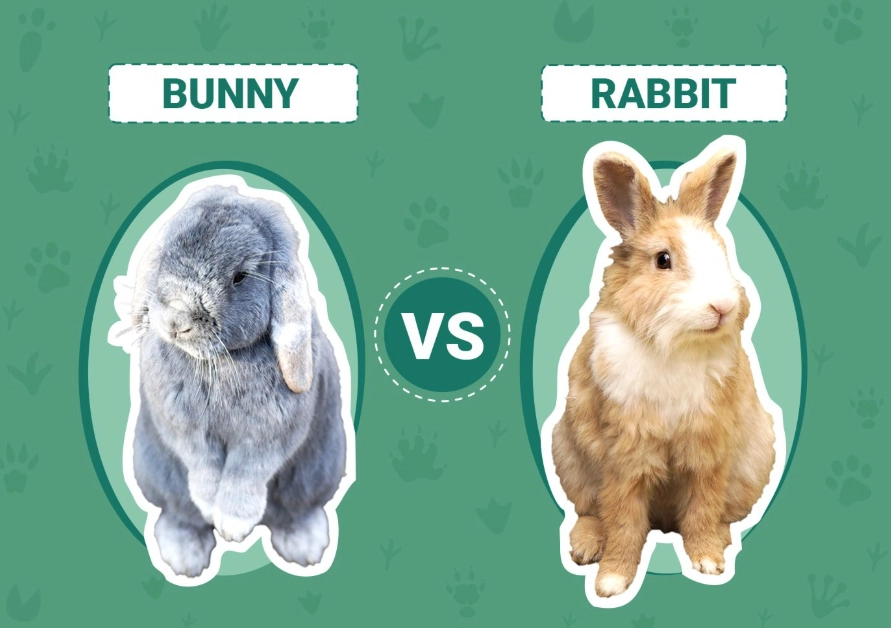
A Common Misread: Chinning (rubbing their chin on objects) isn't just cute. They have scent glands there. They're marking their territory. That corner of the couch? In their mind, it's now officially theirs. This is normal, not aggression.
Non-Negotiable Rabbit Care Essentials
Forget the pet store kit. Here’s what a rabbit actually needs, based on guidelines from organizations like the House Rabbit Society and my own trial-and-error.
| Category | Essential Item/Need | Why It's Critical & Common Mistake |
|---|---|---|
| Habitat | Large enclosure (x-pen) + Free-roam time | Cages are too small. Rabbits need space to run (at least 3 hops consecutively) and vertical space to stand. Confinement causes physical and mental decline. |
| Diet | Unlimited Timothy Hay (or other grass hay) | 80-90% of their diet. It wears down constantly growing teeth and keeps gut moving. Pellets are a supplement, not the main food. Lettuce isn't enough. |
| Healthcare | Exotic/Small Animal Veterinarian | Regular vets often lack rabbit-specific knowledge. You need a vet who understands GI stasis, dental disease, and rabbit-safe anesthesia. Find one before you have an emergency. |
| Enrichment | Digging boxes, chew toys, puzzle feeders | A bored rabbit is a destructive rabbit. They need to express natural behaviors. Cardboard castles, untreated willow baskets, and a box filled with shredded paper can save your baseboards. |
The diet point is huge. I once met a owner feeding their rabbit mostly carrots and iceberg lettuce—the classic "bunny" diet. The rabbit had terrible dental issues and was overweight. We switched to unlimited orchard grass hay, a cup of dark leafy greens (romaine, kale, cilantro), and a measured tablespoon of pellets. The change in energy and health was visible in weeks.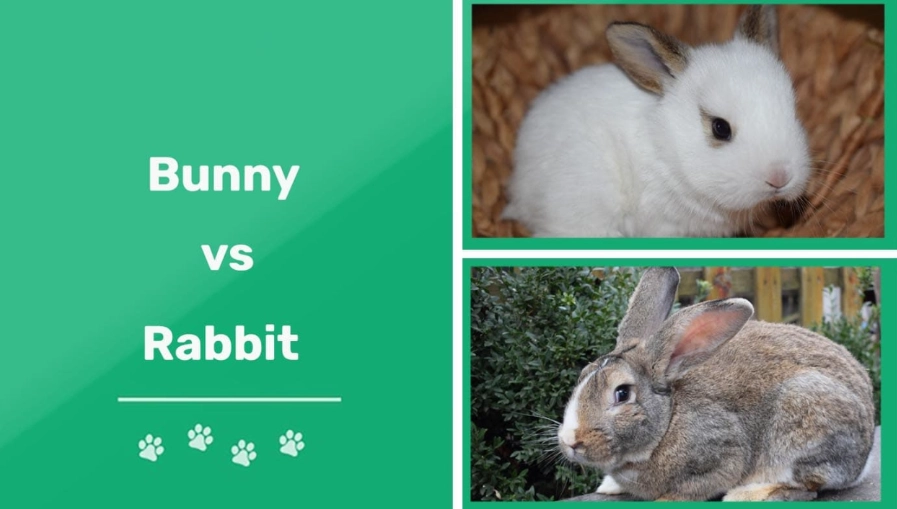
The Rabbit Bonding Challenge: It's Not What You Think
This might be the most important section for someone searching about rabbit differences. Rabbits are social. In the wild, they live in complex warren communities. The idea of a solitary rabbit is, frankly, a bit sad when you've seen a bonded pair.
But bonding isn't just putting two rabbits together. It's a deliberate process.
- Neutral Territory is Law: Introductions must happen where neither rabbit has established territory. A bathtub, a hallway, a pen in a new room.
- Stress Bonding Can Work: A controversial but often effective technique. Taking both rabbits for a short, calm car ride (in a secure carrier) can make them seek comfort in each other, breaking the ice. It mimics a shared stressful event in nature.
- It Takes Time: Expect weeks, sometimes months. Rushing leads to fights and permanent fear. Supervised dates, swapping bedding for scent familiarization, and ending each session on a positive note are key.
A failed bond isn't just a hassle; it can lead to two rabbits needing separate, spacious living arrangements permanently, essentially doubling your workload. Do your research. Better yet, adopt a pre-bonded pair from a rescue. It saves so much trouble.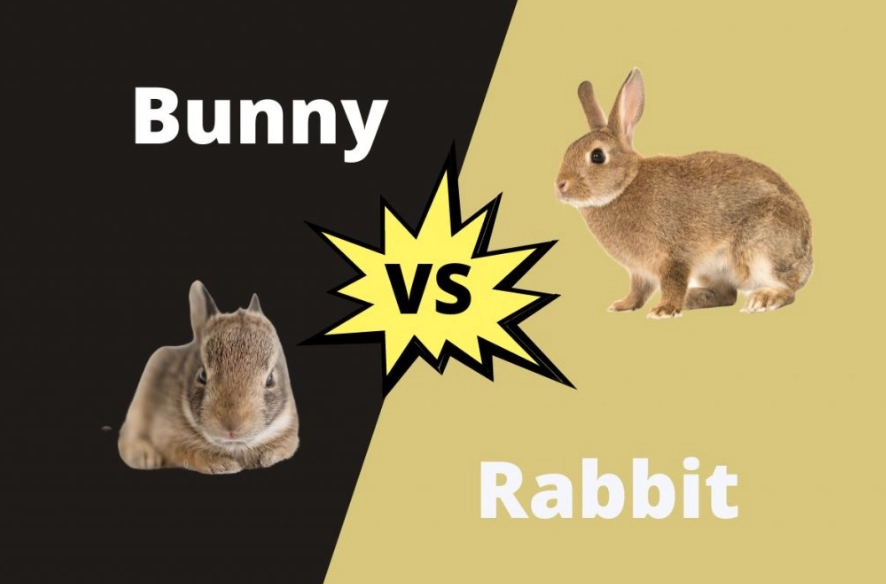
Your Top Rabbit Care Questions Answered
 The journey from seeing a "bunny" to understanding and caring for a rabbit is significant. It's about respecting them as the intelligent, emotional, and demanding creatures they are. The difference in terminology is minor. The difference in the quality of life you provide, based on truly understanding their needs, is everything. Start with the right mindset, invest in the proper setup, and be prepared for a wonderfully quirky companion for years to come.
Reader Comments