What You’ll Find in This Guide
- Why Broccoli is a Tricky Treat for Bunnies
- The Broccoli Breakdown: Florets, Leaves, and Stalks
- Exactly How to Feed Broccoli to Your Rabbit (The Safe Way)
- What If My Rabbit Eats Too Much Broccoli?
- Safer & Better Alternatives to Broccoli
- Answering Your Burning Questions About Rabbits and Broccoli
- The Golden Rules of a Healthy Rabbit Diet
- Final Thoughts: To Feed or Not to Feed?
So you're staring at that little fluffball munching on hay, then you look at the broccoli florets you're chopping for dinner. The thought pops into your head: can rabbits eat broccoli? It's a green vegetable, it looks healthy, surely it's okay, right? Well, hold on. I've been down this road with my own rabbits, and the answer isn't just a simple yes or no. It's a "yes, but..." and that "but" is pretty darn important if you want to avoid a gassy, uncomfortable bunny (and a worried you).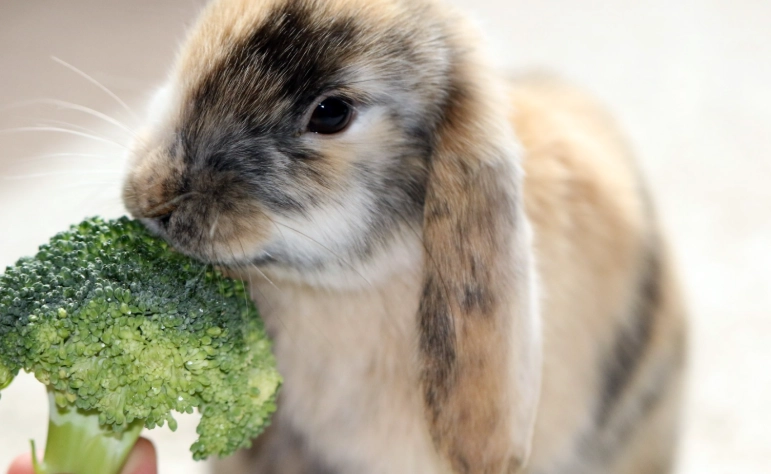
Let's cut through the confusion you might find on random forums. The truth is, broccoli is not toxic to rabbits. It won't poison them on the spot. But feeding it wrong can lead to some serious digestive upset. Think about it—a rabbit's gut is a finely tuned fermentation vat, designed for a steady flow of fibrous hay. Throwing in the wrong stuff, or too much of a new thing, can throw the whole system out of whack.
Why Broccoli is a Tricky Treat for Bunnies
To understand why the question "can rabbits eat broccoli" needs caution, you have to understand a rabbit's digestion. They are hindgut fermenters. This means the hard work of breaking down food happens in their large intestine and cecum, with the help of billions of bacteria. It's a delicate bacterial balance.
Broccoli belongs to the cruciferous vegetable family (think cabbage, cauliflower, kale). These veggies contain complex sugars called raffinose. Here's the kicker—rabbits lack the enzyme to break down raffinose in their small intestine. So it travels undigested to the large intestine, where all those gut bacteria go to town on it. The fermentation process produces gas. A lot of gas.
For us, it's a minor inconvenience. For a rabbit, it's a big problem. They cannot pass gas easily. That trapped gas builds up, causing painful bloating (also called GI stasis), loss of appetite, and can be life-threatening if it slows or stops their gut entirely. I learned this the slightly scary way when I once gave my first rabbit, Thumper, a bit too much cauliflower (a broccoli cousin). He spent the next day hunched up and not touching his hay. A lesson learned with a trip to the vet.
So, is broccoli good for rabbits at all? In tiny amounts, it does offer some benefits. It's packed with Vitamin C (though rabbits produce their own, a little extra doesn't hurt), Vitamin K, and fiber. But the risks often outweigh these benefits, especially when there are safer veggie options out there.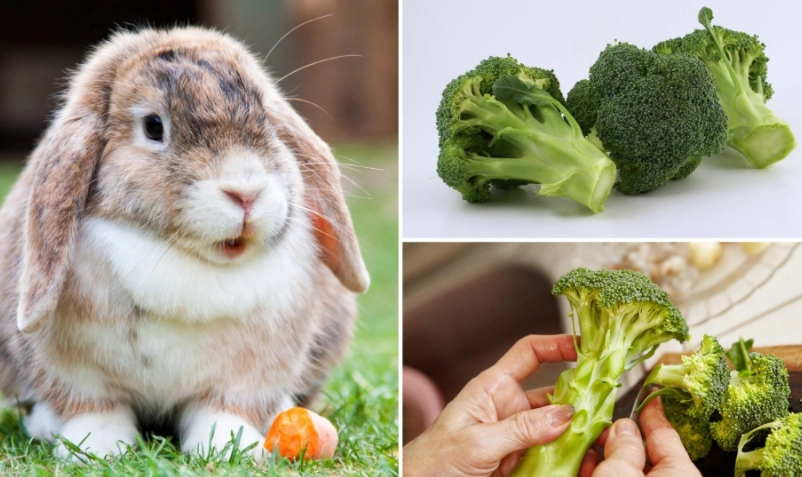
The Broccoli Breakdown: Florets, Leaves, and Stalks
Not all parts of the broccoli plant are created equal in the rabbit world. If you are going to offer it, you should know the differences.
Broccoli Florets (The Top Part)
This is the most dense, sugary part. It's also the part most likely to cause gas. Think of it as the highest-risk, highest-reward (in terms of bunny taste buds) section. Most rabbits go nuts for it, precisely because it's a bit sweet. This is the part you need to be most conservative with.
Broccoli Leaves
Honestly, these are often the safer bet. They are more leaf-like, less dense, and sometimes easier on digestion than the compact florets. They still contain those complex sugars, so caution is key, but many rabbit owners report fewer issues with the leaves compared to the heads.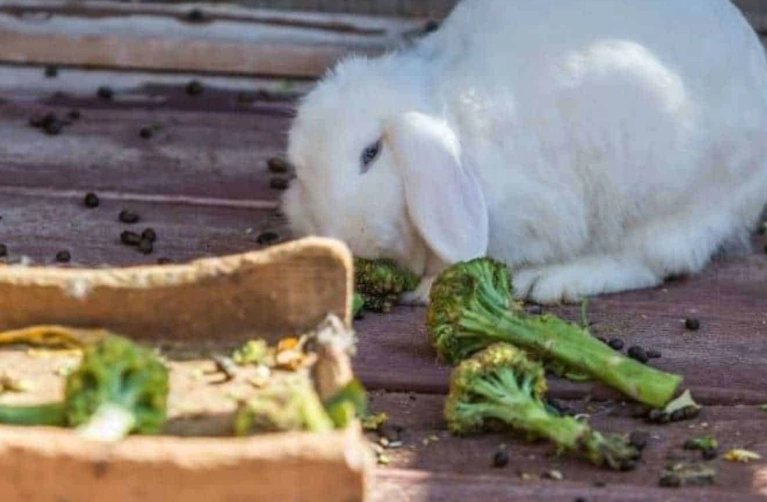
Broccoli Stems (Stalks)
The stalks are fibrous and crunchy. The fiber is good, but the interior can still be starchy. You must wash them thoroughly (like all produce) and cut them into small, manageable pieces to prevent choking. Peel the tough outer skin if it seems too woody.
Exactly How to Feed Broccoli to Your Rabbit (The Safe Way)
If you've decided to try giving your rabbit broccoli after weighing the risks, here's a step-by-step, no-nonsense guide. This isn't guesswork; this is how you do it without ending up with an emergency.
Step 1: The Introduction. This is non-negotiable. If your rabbit has never had broccoli before, you start with a piece the size of your thumbnail. One small floret, or a similar-sized piece of leaf/stalk. That's it. Serve it alongside their usual greens.
Step 2: The 24-Hour Watch. For the next day, monitor their behavior, appetite, and poop production closely. Are they eating their hay normally? Are their poops round, dry, and plentiful, or are they getting smaller, misshapen, or strung together with fur? Any sign of lethargy, a hard or bloated belly, or reduced poops means broccoli is not for them. Stop immediately.
Step 3: The Portion Rule. If they tolerate it, broccoli remains a treat, not a food group. A general rule from resources like the House Rabbit Society is that treats (including fruits and starchy veggies) should be less than 2% of their total diet. For a medium-sized rabbit, one to two small florets (or equivalent) once or twice a week is the absolute maximum. I personally stick to once a week, if at all.
Step 4: Preparation is Key. Wash it thoroughly under cold water. I mean, really get in there. Remove any dirt or potential contaminants. Cut it into bite-sized chunks to prevent choking. Serve it raw—cooking breaks down the fibers in a way that isn't helpful for rabbits and can make the sugars more problematic.
Can rabbits eat broccoli every day? I wouldn't recommend it. Not even close. The gas-causing compounds can build up. Variety is safer. Give them broccoli one day, then stick to safer options for the rest of the week.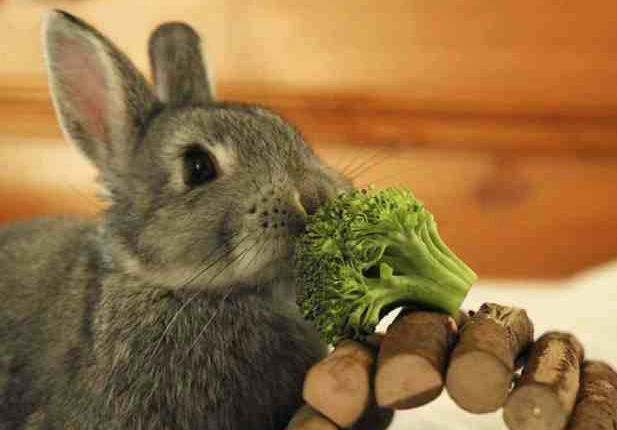
What If My Rabbit Eats Too Much Broccoli?
Mistakes happen. Maybe a piece fell on the floor, or you misjudged the portion. Don't panic, but be alert.
First, remove all other fresh foods and treats. Push hay, hay, and more hay. Timothy hay or orchard grass is perfect—the high fiber will help keep their gut moving. Make sure they have plenty of fresh water.
Watch for these red flags:
- A complete refusal to eat or drink.
- No fecal pellets for 10-12 hours.
- Loud, painful grinding of teeth (different from contented purring).
- A hunched posture, pressing their belly to the floor.
- A stomach that feels hard or drum-like to a gentle touch.
If you see any of these signs, especially a lack of poop, it's time to call your vet. Gastrointestinal stasis is a veterinary emergency. It's not something to "wait and see" with. The vet might prescribe gut motility drugs, pain relief, and recommend critical care feeding. Trust me, the vet bill is worth it to save your bunny's life.
Safer & Better Alternatives to Broccoli
Honestly, why risk it when there's a whole world of rabbit-safe greens that are less likely to cause issues? The foundation of a rabbit's fresh food diet should be leafy greens. Here’s a quick table comparing broccoli to some top-tier, safer choices.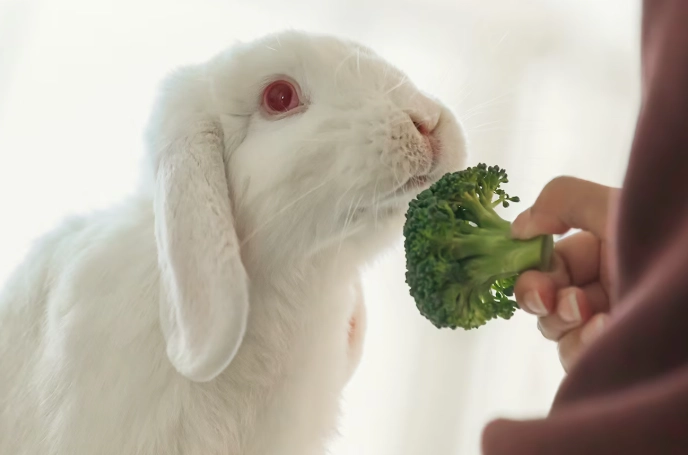
| Vegetable | Safety Level | Key Benefit | Frequency Tip |
|---|---|---|---|
| Romaine Lettuce (not iceberg) | Excellent - Staple | High water content, low in calories, good fiber. | Daily, as part of a mixed green salad. |
| Spring Greens / Mixed Salad Greens | Excellent - Staple | Variety of nutrients, generally well-tolerated. | Daily staple. |
| Herbs: Cilantro, Mint, Basil | Excellent - Staple/Treat | Great flavor, antioxidants, usually loved by bunnies. | Daily in small handfuls. |
| Bell Peppers (any color, seeds removed) | Very Good - Treat | Super high in Vitamin C, crunchy, sweet. | A few thin slices several times a week. |
| Broccoli (all parts) | Caution - Rare Treat | Some vitamins, but high gas risk. | Tiny amount, max 1-2 times per week. |
| Carrot Tops (the greens) | Very Good - Staple | Fantastic leafy green, often free if you buy carrots! | Daily in rotation. |
| Kale | Good - In Moderation | Nutrient-dense but high in calcium/oxalates. | Few times a week, rotate with other greens. |
See? Plenty of options. My rabbits get a big bowl of romaine, cilantro, and arugula every day. They're thrilled with it, and their digestive systems are rock solid. I save the broccoli-level treats for very rare occasions.
Answering Your Burning Questions About Rabbits and Broccoli
Can baby rabbits (kits) eat broccoli?
Absolutely not. No. Nada. A baby rabbit's digestive system is extremely sensitive and still developing. Their diet until about 12 weeks should be primarily their mother's milk and alfalfa hay (which is higher in protein and calcium for growth). Introduce any fresh vegetables, including the safest ones, only after 12 weeks of age, and do it one at a time, in tiny amounts. Broccoli should be one of the last vegetables you ever consider introducing, and only when they are fully mature adults.
Is cooked broccoli safer for rabbits?
No, it's not recommended. Cooking alters the vegetable's structure, breaks down fiber, and can concentrate sugars. It loses its crunchy texture which is good for dental wear. Always feed vegetables raw, washed, and fresh.
Can rabbits eat frozen broccoli?
I'd advise against it. You must thaw it completely, and the freezing process can make the cell walls mushy when thawed, which isn't ideal. It also might have lost some nutritional value. Stick to fresh, crisp produce.
My rabbit loves broccoli and has never had a problem. Why?
Some rabbits have guts of steel. Just like some people can eat anything, some rabbits seem to tolerate gas-producing foods better than others. But it's a gamble. Tolerance can change with age or stress. What was fine last year might cause a problem tomorrow. It's always safer to treat them as the delicate creatures they are, rather than pushing their luck.
What about other cruciferous veggies like cauliflower or Brussels sprouts?
Same family, same risks. Apply all the same extreme caution and moderation rules. Cabbage is notoriously gassy. I treat cauliflower exactly like broccoli—a tiny, rare treat, if at all.
The Golden Rules of a Healthy Rabbit Diet
Unlimited Timothy Hay (or Orchard Grass, Meadow Hay): This should make up 80-90% of their intake. It's essential for digestive health, dental wear (their teeth never stop growing!), and mental stimulation. Not alfalfa for adult rabbits—it's too rich.
High-Quality Pelleted Food: A small, measured amount daily (about 1/4 cup per 5 lbs of body weight). Look for pellets that are high in fiber (18%+), plain green, and without colorful bits, seeds, or dried treats mixed in. The ASPCA's rabbit care guide emphasizes the importance of limiting pellets to encourage hay consumption.
Fresh Water: Always available, changed daily, in a heavy bowl (better than a bottle for encouraging drinking).
Fresh Leafy Greens: About 1 packed cup per 2 lbs of body weight daily. This is where your romaine, herbs, and spring greens come in.
Treats (Fruits, Carrots, Broccoli): A tiny amount, a few times a week. Think of it as a cookie, not a meal.
When you look at it this way, broccoli is a tiny blip on the radar. A potential garnish. Not a necessity.
Final Thoughts: To Feed or Not to Feed?
Look, I'm not here to tell you you're a bad owner if you give your rabbit a speck of broccoli. The point of this deep dive is to give you the full picture so you can make an informed choice. You now know that can rabbits eat broccoli is a qualified yes.
But you also know the very real risks of gas and GI stasis. You know there are safer, equally enjoyed alternatives. You know how to introduce it safely if you choose to.
My personal stance? After my early scare and after seeing how happy my bunnies are with their routine of hay, pellets, and a big bowl of safe leafy greens, I just don't see the need to include broccoli in their diet. The potential downside isn't worth the momentary excitement for them. There are so many other ways to spoil them—a new toy, a cardboard castle to destroy, a sprig of fragrant basil.
Your rabbit's health is built on consistency and the right kinds of fiber. When in doubt, more hay, fewer mysteries. That's the secret that keeps those bunny guts—and bunny owners—happy and worry-free.
Comment