Quick Guide to Rabbit Nutrition
- The Absolute Foundation: Why Getting This Right Matters
- The Core Four: What Makes Up a Balanced Rabbit Diet
- What Do Rabbits Eat Daily? A Sample Feeding Schedule
- The "No-Go" List: Foods That Are Dangerous for Rabbits
- Special Considerations: Age, Health, and Life Stage
- Answers to Your Burning Questions (FAQ)
- Putting It All Together: Your Action Plan
Hey there, fellow bunny lover! You’re probably here because you’ve asked yourself that exact question: what do rabbits eat? Maybe you just brought home a fluffy new family member, or perhaps you’re looking to fine-tune your current rabbit’s meals. I get it. I’ve been there too, staring at the pet store shelves, completely overwhelmed.
When I first got my rabbit, Thumper, I made the classic mistake. I thought those colorful muesli mixes in the cute packaging were the way to go. Big mistake. It led to selective feeding (he’d pick out all the sweet, starchy bits) and some serious digestive upset. It was a tough lesson that sent me down a rabbit hole of research—pun intended—to figure out what a rabbit really needs to eat.
Turns out, it’s not that complicated once you understand the basics. But getting it wrong can have serious consequences for their health. So let’s break it down, ditch the marketing hype, and talk about what you should actually be putting in that food bowl.
The Absolute Foundation: Why Getting This Right Matters
Before we dive into lists of foods, you need to know why a proper diet is non-negotiable for rabbits. Their entire digestive system is a finely tuned fermentation machine. Unlike ours, it’s designed to process huge amounts of low-quality, fibrous plant material.
The core principle is simple: fiber, fiber, and more fiber.
Their teeth never stop growing, and chewing fibrous food is what wears them down properly. Their gut is a delicate ecosystem that requires a steady flow of roughage to keep moving. When you understand what a rabbit eat is directly tied to their dental health, gut motility, and overall well-being, it changes how you shop for them. It’s not just about filling their belly; it’s about maintaining a complex biological system.
A poor diet is the root cause of so many common rabbit health issues: painful dental spurs, gastrointestinal stasis (a life-threatening condition where the gut stops moving), obesity, and urinary tract problems. Honestly, it’s the number one thing vets say owners get wrong.
The Core Four: What Makes Up a Balanced Rabbit Diet
Think of a rabbit’s diet like a pyramid. The huge base is one thing, and the tiny top is another. Here’s the breakdown of what a rabbit eat daily, from most important to least.
1. Unlimited Grass Hay (The Non-Negotiable Base)
This isn’t just food; it’s the cornerstone of their existence. Hay provides the essential long-strand fiber that keeps everything moving. It should be available 24/7, in quantities so large your rabbit can burrow in it if they want to.
- Timothy Hay: The gold standard for adult rabbits. It’s perfectly balanced in fiber, protein, and calcium. This should be your go-to.
- Orchard Grass or Meadow Hay: Great alternatives if your rabbit is picky or if you want variety. Similar nutritional profile to Timothy.
- Oat Hay: Can be a nice occasional treat hay, with slightly broader blades.
A common question I get: What about Alfalfa hay? Alfalfa is a legume hay, not a grass hay. It’s rich in protein and calcium, which is fantastic for growing baby bunnies, pregnant, or nursing does. But for most adult rabbits, it’s too rich and can lead to obesity and bladder sludge. Stick to grass hays for adults.
The quality matters too. Good hay smells sweet and grassy, not dusty or moldy. It should be greenish, not brown and straw-like. I’ve found buying in bulk from a reputable farm online often gets you better quality than the compressed bricks at the big-box store.
2. Fresh Leafy Greens & Vegetables (The Daily Essentials)
Hay is for digestion, but the next crucial part of what a rabbit eat comes from fresh veggies. This category provides moisture and essential nutrients. A good handful daily (about 1 packed cup per 2 lbs of body weight) is perfect.
Here’s a solid list of daily staples that are generally safe for most bunnies:
- Leafy Greens: Romaine lettuce, green leaf lettuce, red leaf lettuce, butter lettuce. (Avoid iceberg lettuce—it’s mostly water and has little nutritional value).
- Herbs: Cilantro, parsley, dill, mint, basil. These are packed with flavor and nutrients.
- Tops: Carrot tops, radish tops, beet greens. These are often more nutritious than the root we eat!
- Others: Bok choy, celery leaves, endive, escarole.
3. High-Quality Pellets (The Concentrated Supplement)
Pellets are a supplement, not the main course. Think of them as a daily vitamin pill, not a meal. For an average 5-6 lb adult rabbit, a mere 1/4 cup of plain, high-fiber pellets is sufficient.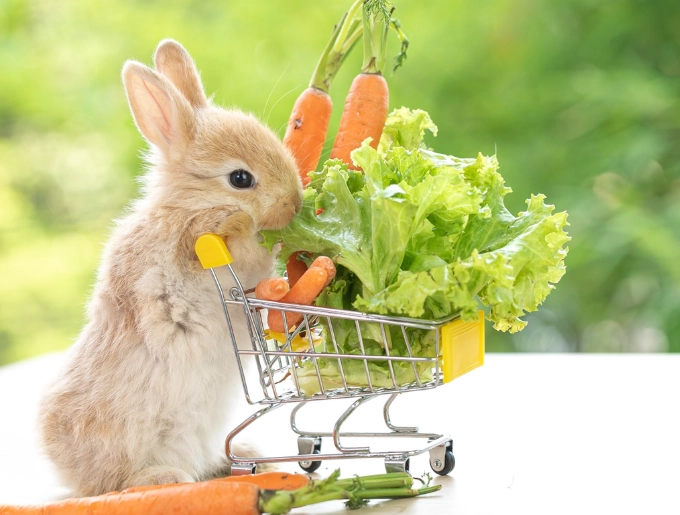
What to look for in good pellets:
- High Fiber: At least 18-20% crude fiber.
- Low Protein & Fat: Around 12-14% protein is plenty for an adult.
- Simple Ingredients: The first ingredient should be a grass hay (e.g., "Timothy Grass Meal").
- No Nuts, Seeds, or Colorful Bits: Those "gourmet" mixes are junk food. Avoid them.
My personal pick? I’ve had great results with brands like Oxbow Essentials. They’re straightforward and trusted by many rabbit rescues. You can find more detailed guidelines on selecting appropriate food from reputable sources like the House Rabbit Society, a non-profit organization with decades of rabbit care expertise.
Less is more with pellets. Seriously.
4. Occasional Treats (The Tiny Tip of the Pyramid)
This is the fun part, but it requires restraint. Treats should be given in amounts no larger than your thumbnail, and only a few times a week.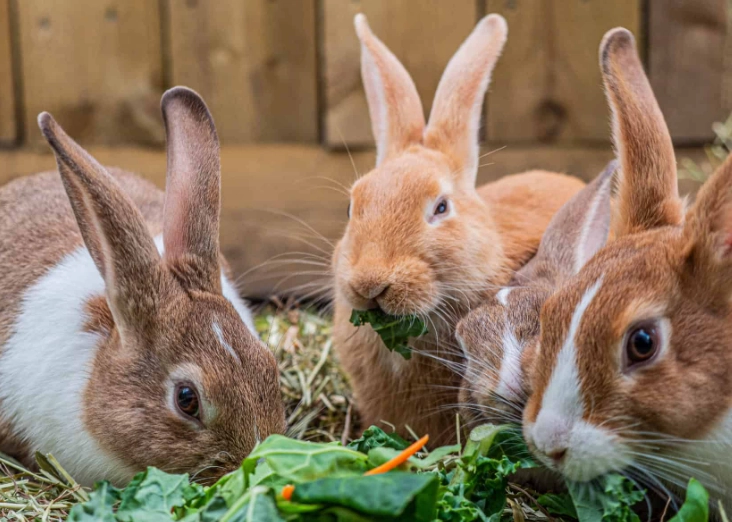
Healthy Treat Options:
- Fruits: Apple slice (no seeds), banana (a tiny slice), blueberry, strawberry top, melon rind. Fruits are high in sugar, so tiny amounts only.
- Vegetable Treats: A small baby carrot, a slice of bell pepper, a small piece of broccoli floret.
The key is variety and moderation. If you’re wondering what a rabbit eat for a treat, think natural, low-sugar, and in tiny quantities.
What Do Rabbits Eat Daily? A Sample Feeding Schedule
Let’s make this practical. Here’s what a typical day for my 5 lb rabbit looks like. Adjust portions based on your bunny’s size (dwarf vs. giant breeds have very different needs!).
| Time of Day | Food Item | Amount & Notes |
|---|---|---|
| Morning (7 AM) | Fresh Timothy Hay | Unlimited. Refill the rack completely. |
| Morning (7 AM) | Fresh Water | Change water, scrub bowl to prevent biofilm. |
| Evening (6 PM) | Leafy Greens/Veggies | About 1 heaping packed cup total. A mix of 3-4 types from the safe list. |
| Evening (6 PM) | Pellets | Exactly 1/4 cup measured. This is his "dinner." |
| Evening (Treat) | Occasional Fruit/Veg | Maybe twice a week: one blueberry or a thin slice of bell pepper. |
That’s it. The hay is always there, munching away. The fresh food and pellets are given at a consistent time, which rabbits love. Routine is comforting for them.
The "No-Go" List: Foods That Are Dangerous for Rabbits
This is critical. Knowing what not to feed is as important as knowing what a rabbit eat. Some common human foods are toxic or can cause severe digestive blockages.
- Allium Vegetables: Onions, garlic, leeks, chives. These cause blood cell damage.
- Iceberg Lettuce: Contains lactucarium, which can be harmful in quantity, and offers no nutrition.
- Potatoes & Potato Leaves: Raw potatoes are toxic; all parts of the plant contain solanine.
- Rhubarb: The leaves are highly toxic.
- Avocado: All parts are toxic to many pets.
- Beans & Legumes: Raw kidney beans, etc., can cause severe gas and digestive issues.
- Chocolate, Candy, Cookies, Bread, Pasta, Cereal: High in sugars and simple carbs, they disrupt gut flora and can cause enterotoxemia.
- Nuts & Seeds: Too high in fat and protein, and a choking hazard.
- Yogurt Drops & Commercial "Treats": These are pure sugar and dairy, which rabbits cannot digest.
I know those yogurt drops are marketed for bunnies right on the package. It’s infuriating. It’s pure profit-driven nonsense with zero regard for rabbit health. Stick to natural treats.
Special Considerations: Age, Health, and Life Stage
What a rabbit eat changes throughout their life. A one-size-fits-all approach doesn't work.
Baby Bunnies (Kits up to 7 months)
- Unlimited Alfalfa Hay: The high protein and calcium supports rapid growth.
- Unlimited Alfalfa-Based Pellets: They need the extra nutrients.
- Introduce Greens Slowly: Start around 12 weeks old, one type at a time, in tiny amounts to monitor tolerance.
Young Adults (7 months to 1 year)
Transition time! Slowly mix Timothy hay in with the Alfalfa over a few weeks until it’s 100% Timothy. Switch from alfalfa pellets to adult Timothy-based pellets, gradually reducing the amount to the adult portion.
Adult Rabbits (1 year to 5-6 years)
This is the standard diet outlined above: unlimited grass hay, measured greens, limited pellets.
Senior Rabbits (6+ years)
They may need adjustments. Some seniors struggle to maintain weight, so you might slightly increase pellets or offer some oat hay alongside Timothy. Dental issues are more common, so ensure hay is soft and leafy. Always consult your vet for a senior plan. Resources like the American Veterinary Medical Association (AVMA) can help you find a rabbit-savvy vet.
Rabbits with Health Issues
If your rabbit has specific problems like bladder sludge (high calcium), your vet may recommend low-calcium greens like endive and romaine, and avoid high-calcium ones like kale and spinach. For overweight bunnies, cut back on pellets first, never the hay.
Answers to Your Burning Questions (FAQ)
Putting It All Together: Your Action Plan
Feeling overwhelmed? Don’t be. Start here:
- Audit Your Current Food. Toss the colorful mixes, yogurt drops, and seed sticks. Check your pellet bag’s fiber content and ingredients.
- Invest in Premium Hay. Find a good source of green, fragrant Timothy or Orchard grass hay. Buy a bale if you have space—it’s cheaper and often better quality.
- Reset the Ratios. Fill a hay rack to overflowing. Measure out the correct daily pellet portion (for most adults, it’s shockingly small). Go shopping for a variety of rabbit-safe greens.
- Establish a Routine. Feed greens and pellets at the same time each day. Refresh hay and water daily.
- Monitor Output. The best indicator of health is their poop. You want plenty of uniform, round, fibrous droppings. Small, misshapen, or no droppings is a red flag.
Figuring out what a rabbit eat isn’t about memorizing a huge list. It’s about understanding a principle: they are hindgut fermenters who thrive on fiber. Hay is the key. Everything else is a careful supplement.
It’s a shift in thinking, but it’s so worth it.
When I finally switched Thumper to this proper diet, the change was remarkable. His coat got softer, his energy levels were more consistent, and most importantly, we’ve had no more scary bouts of GI stasis. His litter box habits even improved because his digestion was so regular.
Your rabbit’s health is literally in the food you provide. By focusing on what a rabbit eat naturally—an abundance of grass—you’re giving them the foundation for a long, happy, and hop-filled life. Now go give your bunny some extra hay and a cilantro sprig from me.
Comment