Quick Guide
- What’s Actually in Celery? A Bunny Nutrition Breakdown
- The Not-So-Fun Part: Why “Can They?” Isn’t the Same as “Should They?” – The Risks
- How to Serve Celery to Your Rabbit: The Safe Method
- Celery vs. The Competition: How Does It Stack Up?
- Answering Your Burning Questions (The FAQ)
- The Final Verdict: Making Your Decision
If you’re standing in the kitchen, looking from your curious bunny to that bunch of celery in the fridge, you’re not alone. That question pops into every rabbit owner’s head at some point. I remember the first time I wondered if I should give my rabbit, Mochi, a piece. I did a frantic internet search, found a dozen conflicting answers, and ended up more confused than before.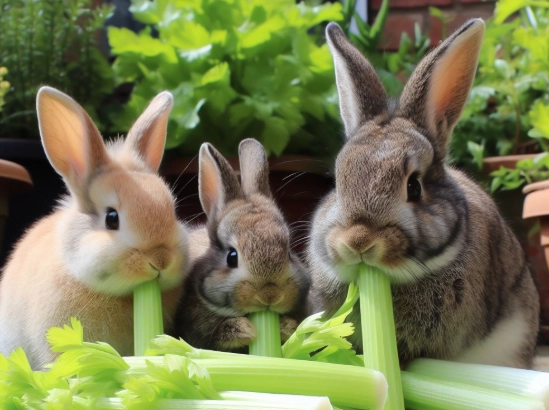
Here’s the straight answer right up front, so you can stop worrying: Yes, rabbits can eat celery. But—and this is a huge but—it’s not as simple as just handing over a stalk. There’s a right way and a very wrong way to do it. The wrong way can literally be dangerous. So while the simple answer is yes, the real question we need to answer is: How should rabbits eat celery to make it safe and healthy?
This isn’t just about ticking a “yes” box. It’s about understanding the why and the how. We’ll dig into what’s actually in celery that’s good for bunnies, the hidden risks most articles gloss over (especially those tough strings), and my own step-by-step prep routine that I’ve developed after years of trial and error. We’ll also bust some myths and look at what the experts say. By the end, you’ll know exactly what to do, and more importantly, why you’re doing it.
What’s Actually in Celery? A Bunny Nutrition Breakdown
To figure out if something is good for your rabbit, you have to think like a rabbit. Their digestive systems are finely tuned for a very specific diet—mainly unlimited hay, a portion of fresh greens, and a few pellets. Any new food needs to fit into that framework. So, what does celery bring to the table?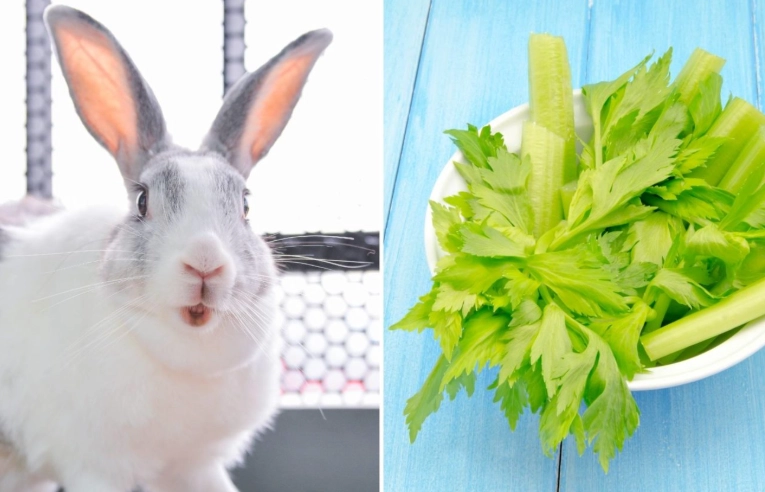
Celery is mostly water. We’re talking about 95% water. For a rabbit that might not be the best drinker, offering watery veggies can be a sneaky way to boost hydration, especially in warmer weather. That’s a definite plus.
Then there’s the fiber. Rabbits need fiber, and lots of it, to keep their gut motility going. Celery does contain dietary fiber, which is good. But here’s the catch—the type of fiber matters. The long, stringy fibers in celery stalks are lignin, a type of insoluble fiber that’s incredibly tough. A rabbit’s gut can handle it in small, well-prepared amounts, but it’s not the same as the gentle, digestible fiber they get from timothy hay. It’s like comparing a soft broom to a steel wire brush for a delicate job.
Vitamin-wise, celery offers some Vitamin K (good for blood), Vitamin A (for vision and immunity), and folate. It also has minerals like potassium and manganese. These are beneficial, but let’s be real—your rabbit should be getting the bulk of their vitamins from a varied diet of dark leafy greens like romaine, kale, and herbs. Celery is more of a supporting actor, not the star of the show.
The Not-So-Fun Part: Why “Can They?” Isn’t the Same as “Should They?” – The Risks
This is the section most rabbit owners need to read twice. It’s what separates a responsible treat from a potential vet visit. When people ask “should rabbits eat celery,” they’re often really asking about safety. And the safety concerns are real.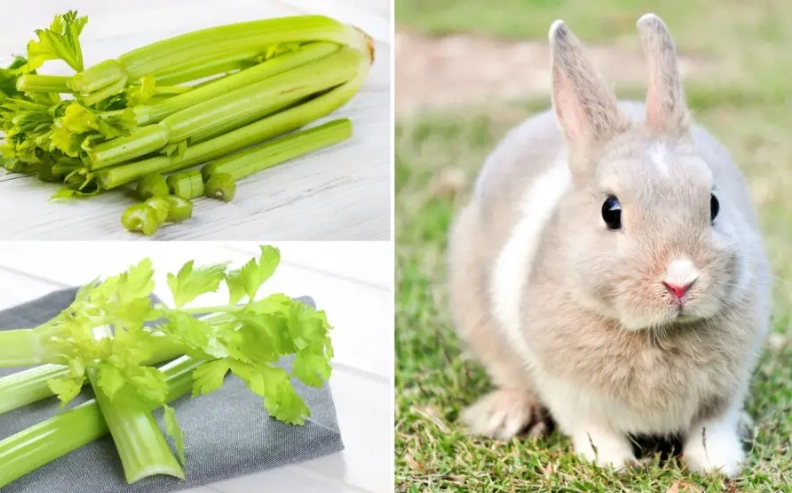
The Big One: Choking and String Impaction
Those strings. Those infamous, unbreakable strings running the length of the stalk. They are public enemy number one. A rabbit, especially an eager one, might not chew a long piece of celery stalk thoroughly. Those strings can get wadded up in their mouth or, worse, travel down the digestive tract and cause an impaction—a blockage. This is serious and can be life-threatening.
I’ve seen forums where people say, “Oh, my rabbit eats it just fine.” Maybe. But it’s a risk I’m not willing to take. An impaction means a stressed bunny, a huge vet bill, and a dangerous procedure. It’s easily preventable.
Pesticides and Chemical Residues
Celery often ranks high on lists like the Environmental Working Group’s “Dirty Dozen” for pesticide residue. You’re not feeding your bunny a single stalk; you’re feeding them everything on and in it. Pesticides can disrupt their sensitive gut flora and cause long-term health issues. Washing helps, but it doesn’t remove everything. This is why opting for organic celery, or at least washing it meticulously, isn’t just a “health nut” thing for rabbits—it’s a genuine safety precaution.
The Sugar and Oxalate Content
It’s not high, but celery does contain natural sugars. For a rabbit prone to gastrointestinal stasis or obesity, even small amounts of sugar from multiple sources can add up. It also contains oxalates. In large quantities, oxalates can contribute to kidney stone formation. Now, the amount in an occasional piece of celery is negligible for a healthy rabbit, but it’s another reason celery stays in the “treat/supplemental” category, not the “staple food” category.
So, should rabbits eat celery? With these risks in mind, the answer becomes: Yes, but only if you actively manage these dangers. The “how” becomes critical.
How to Serve Celery to Your Rabbit: The Safe Method
This is the practical, roll-up-your-sleeves part. Doing it right takes two extra minutes and makes all the difference. Here’s my non-negotiable routine.
- Choose Wisely: Pick a fresh, crisp stalk. Avoid anything wilted, rubbery, or with brown spots. Organic is my strong preference.
- Wash Like You Mean It: Hold it under cold running water and scrub the entire surface with a clean produce brush. Get into the grooves at the top. I sometimes do a quick soak in a vinegar-water solution (1 part vinegar to 3 parts water) for a few minutes, then rinse thoroughly.
- The De-Stringing Operation: This is the key step. Take a small paring knife or even your fingernail. At the top (leafy end) of the stalk, grab one of the obvious strings and pull it down the length of the stalk. It should peel off in a long strand. Do this a few times around the stalk. You can also use a vegetable peeler to lightly shave the outer layer off. The goal is to remove those long, tough fibers.
- Chop It Up: Never, ever give a whole stalk. Cut the de-stringed stalk into small, bite-sized pieces—about half an inch to an inch long. This encourages proper chewing and further breaks up any remaining fibers.
- Start with the Leaves: Funny enough, the leafy tops are often the best part for rabbits. They’re tender, flavorful, and less fibrous. I usually give Mochi the leaves first. She goes nuts for them.
Celery vs. The Competition: How Does It Stack Up?
It’s useful to see where celery falls in the grand scheme of rabbit veggies. I put together this quick comparison based on nutritional data and common feeding guidelines from sources like the House Rabbit Society, a fantastic and authoritative resource for all things bunny care.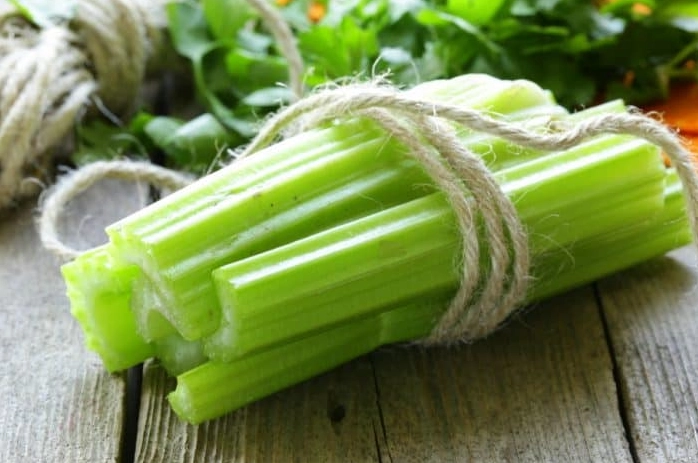
| Vegetable | Best For | Feed Frequency | Key Note |
|---|---|---|---|
| Romaine Lettuce | Hydration, Vitamins A & K | Daily (Staple) | Low in oxalates, a great base green. |
| Celery (prepared) | Hydration, Chewing Exercise | 2-3 times a week (Treat/Supplement) | Requires prep to remove strings. High water content. |
| Bell Pepper (core/seeds removed) | Vitamin C, Variety | Few times a week | Sweet, colorful. Remove all seeds and white pith. |
| Kale | Calcium, Vitamins | Moderation (2-3 times a week) | High in calcium & oxalates. Rotate with other greens. |
| Cilantro / Parsley | Flavor, Antioxidants | Daily in small bunches | Herbs are usually a big hit and very safe. |
See? Celery has its place. It’s not the most nutrient-dense, but it’s a good hydrating, crunchy option for variety. It shouldn’t replace darker, leafier greens, but it can complement them. The U.K.’s RSPCA also lists suitable vegetables for rabbits, emphasizing variety and moderation, which aligns perfectly with this approach.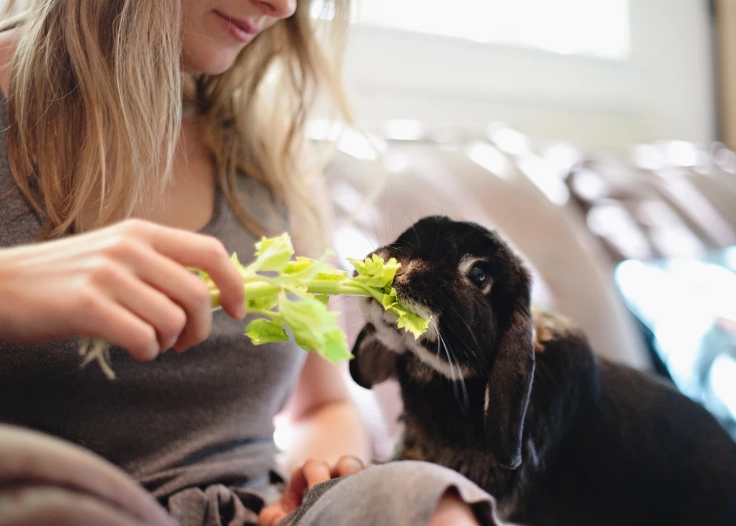
Answering Your Burning Questions (The FAQ)
The Final Verdict: Making Your Decision
So, after all this, should rabbits eat celery? My take, after years with Mochi and countless conversations with other owners and vets, is this: It’s a perfectly safe and acceptable occasional food, provided you put in the prep work.
The benefits—extra hydration, a bit of variety, a crunchy chew—are nice. But the risks from those strings are not worth ignoring. The extra two minutes it takes to wash, de-string, and chop are a non-negotiable part of the deal. If you’re not willing to do that, then skip celery entirely and choose a safer, easier veggie like romaine lettuce or cilantro. There’s no shame in that.
Ultimately, knowing whether you should let your rabbit eat celery comes down to you. You have the information now—the good, the bad, and the stringy. You know it’s not a nutritional powerhouse but can be a fun snack. You know the leaves are often the prize. You know baby bunnies should steer clear.
For me, I’ll keep giving Mochi her little prepped celery treats. She loves the crunch, and I love watching her enjoy it safely. But it’s always on my terms, prepared my way. Because at the end of the day, our job is to give them the good life, without the unnecessary risks. And honestly, that’s the only answer that really matters.
Comment