Quick Guide
So you're standing in the kitchen, chopping up a salad, and your fluffy buddy is doing that intense stare from the corner of the pen. You've got a juicy red tomato slice in your hand, and the question pops into your head: can rabbits eat tomatoes? I've been there. With my first rabbit, Thumper, I was terrified of giving him anything new. The internet was full of conflicting advice – some sites said yes, others screamed no. It was confusing, to say the least.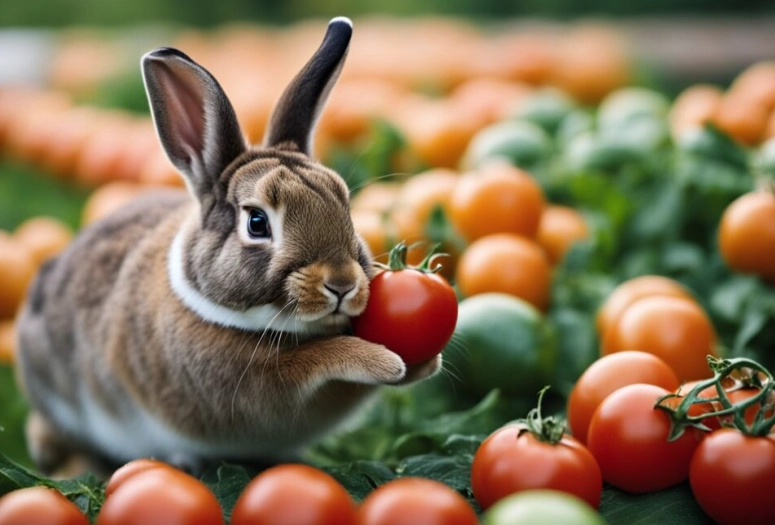
Let's cut through the noise right now. The short, direct answer is yes, rabbits can eat tomatoes, but with very important and non-negotiable conditions. It's not a simple yes or no. It's a "yes, but..." and that "but" is what separates a safe treat from a potential vet visit. Think of it like dark chocolate for humans – a little bit of the right kind is fine for some, but the wrong part or too much is seriously bad news.
The Core of the Matter: Breaking Down the Tomato for Bunnies
To really understand if rabbits can eat tomatoes, we need to look at what a tomato is made of and how a rabbit's digestive system, which is pretty delicate and specialized, handles it. A rabbit's gut is a fermentation vat designed for one main fuel: fiber. Specifically, the long-strand fiber found in hay and grasses. Anything that disrupts that delicate bacterial balance can cause big problems, from simple tummy aches to life-threatening GI stasis.
The Good Stuff: What's in a Tomato That's Okay?
The fleshy, ripe red part of the tomato (the part we usually eat) contains a few things that aren't terrible in tiny amounts.
- Water: Tomatoes are about 95% water. For a well-hydrated bunny, this isn't a benefit, but it's not harmful. It just means the treat is very low in actual nutrients for its volume.
- Vitamins: They have some Vitamin C and A, and a bit of potassium. But here's the thing – rabbits make their own Vitamin C, and they get plenty of Vitamin A from their leafy greens. So tomatoes aren't offering any unique nutritional magic they can't get better elsewhere.
- Lycopene: That's the antioxidant that makes tomatoes red. It's fine, but again, not something a rabbit needs from a tomato.
Honestly, the nutritional argument for feeding tomatoes is pretty weak. You're not doing it for their health. You're doing it because sometimes, as a treat, it's okay. The real reasons people ask "can rabbits eat tomatoes" is often because they have some extra, or the rabbit seems interested, not because it's a dietary must-have.
The Not-So-Good and the Downright Dangerous
This is the critical part most quick guides gloss over. The risks are real.
The Plant Itself is Toxic. This is the number one rule. The tomato plant – the leaves, the stems, the vines, the flowers, and the little green stem cap on top of the fruit – belongs to the nightshade family (Solanaceae). These parts contain solanine and tomatine, which are glycoalkaloid poisons. For rabbits, ingesting these can cause symptoms ranging from lethargy, drooling, and digestive upset to severe neurological issues, slowed heart rate, and even death. There is no safe amount of the green parts. If your rabbit ever gets into your tomato plant, treat it as an emergency and contact your vet immediately.
Then there's the fruit's own issues:
- High Sugar Content: For their size, tomatoes have a surprising amount of natural sugar (fructose and glucose). A rabbit's system isn't built for sugar. Too much can lead to an overgrowth of the wrong gut bacteria, causing gas, bloating, diarrhea, and potentially triggering GI stasis. It can also contribute to weight gain and dental problems.
- Acidity: Tomatoes are acidic. Some rabbits have sensitive stomachs, and this acidity can cause irritation or upset. You won't know if your bunny is one of them until you try, which is why you start super small.
I made the sugar mistake early on with Thumper. I gave him a cherry tomato, he loved it, and I got carried away. The next day he was quieter, eating less hay. Nothing major, but it was a clear sign his gut wasn't happy. It scared me straight about portion control.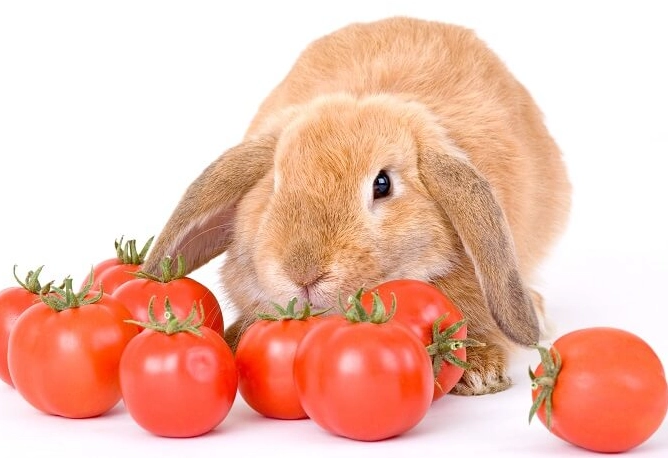
The Practical Guide: How to Safely Feed Tomatoes to Your Rabbit
Let's say you've weighed the pros and cons and you want to offer a tiny taste. Here’s exactly how to do it. This isn't guesswork; it's a protocol.
| Action | Details & Why It's Important |
|---|---|
| Selection | Choose organic if possible to minimize pesticide risk. Pick a fully ripe, red tomato. Avoid any with green patches, bruises, or mold. A single cherry tomato or a small slice of a larger one is more than enough. |
| Washing | Wash it thoroughly under running water, even if organic. You're trying to remove any surface contaminants, dirt, or residual sprays. |
| Critical Prep | This is the most important step. Remove the stem, the leaves, and the green calyx (the star-shaped bit at the top). Remove all seeds? It's debated. The seeds themselves aren't toxic, but they're part of the watery, sugary pulp. I always scrape them out to reduce the sugar load. It takes two seconds. |
| First Offering | Offer a piece no larger than a teaspoon. Watch your rabbit for the next 12-24 hours. Are they eating their hay normally? Are their poops normal (round, dry, fibrous)? Any signs of soft stool, lethargy, or gas? If anything seems off, tomatoes are not for your bunny. |
| Frequency & Portion | If all goes well, tomatoes remain an occasional treat. Think once a week at most. The portion should never exceed the size of their thumbnail, or about one cherry tomato for a standard-sized rabbit. It should never replace their core diet of hay, fresh water, and leafy greens. |
Pro Tip: I always feed treats like tomato at the end of the day, after they've spent all day munching on hay. That way, their gut is full of the right fiber first, acting as a buffer for the sugary treat.
Can rabbits eat tomatoes daily? No. Absolutely not. The sugar and acid buildup would almost certainly cause problems. It's a now-and-then thing, like you having a slice of cake.
Nutritional Breakdown: Putting the Tomato in Context
Let's look at the numbers. This table compares a typical serving of tomato (one cherry tomato) to a rabbit's daily dietary staples. It puts the "treat" status into sharp perspective.
| Food Item | Primary Nutrient | Role in Rabbit Diet | Daily Importance |
|---|---|---|---|
| Unlimited Timothy Hay | Long-Strand Fiber | Wears down teeth, keeps gut moving, prevents stasis. | ESSENTIAL (80-90% of diet) |
| Leafy Greens (e.g., Romaine) | Water, Vitamins, Some Fiber | Provides moisture, vitamins, and additional nutrients. | IMPORTANT (1-2 cups daily) |
| Plain Pellets | Concentrated Nutrients/Fiber | Supplements diet, especially for specific life stages. | SUPPLEMENTAL (Limited amount) |
| Red Tomato (1 cherry) | Water, Sugar, Vitamin C | Provides minimal unique benefit, high in sugar for size. | OCCASIONAL TREAT ONLY |
See the difference? The tomato is in a totally different category. It's not nutritionally important. This is why the question "can rabbits eat tomatoes" is less about nutrition and more about safety and harm reduction.
Your Rabbit Tomato FAQs – Answered Honestly
Here are the specific questions I get asked all the time, the ones that keep rabbit owners up at night.
Can baby rabbits (kits) eat tomatoes?
No. Do not feed tomatoes to rabbits under 12 weeks old. Their digestive systems are incredibly sensitive and still developing. Stick to alfalfa hay, mother's milk, and specially formulated young rabbit pellets. Introduce any veggies, let alone sugary fruits, only after they are fully mature, and even then, start with bland leafy greens long before you think about fruit treats.
My rabbit ate a tomato leaf! What do I do?
Don't panic, but act quickly. Remove any remaining plant material. Monitor your rabbit very closely for the next several hours. Look for signs of poisoning: loss of appetite, weakness, drooling, dilated pupils, trembling, or any change in behavior. Have your vet's number and the number for an emergency animal poison control center (like the ASPCA Animal Poison Control Center) handy. If you see any symptoms, call immediately. It's always better to be safe.
Are other tomato types (cherry, grape, plum) safer?
Not really. The rules are the same. A cherry or grape tomato is just a smaller package. In fact, because they're sweet and easy to eat whole, you have to be even more careful with portion control. One is plenty. Plum or Roma tomatoes are denser and have less water, but the same sugar and acid rules apply.
Can rabbits eat cooked or canned tomatoes?
No. Never. Cooked tomatoes are often concentrated, and canned tomatoes are a minefield. They almost always contain added salt, onion powder, garlic powder, or other seasonings that are toxic to rabbits. Even plain canned tomatoes have a much higher acidity level. Stick to fresh, raw, ripe red fruit only.
What if my rabbit doesn't like tomatoes?
Celebrate! Seriously. It's one less potential risk to manage. Rabbits don't need tomatoes. There are plenty of other treat options that are lower in sugar and just as exciting, like a sprig of fresh basil, a small piece of bell pepper (seeds removed), or a single blueberry. Your rabbit's preferences are their own.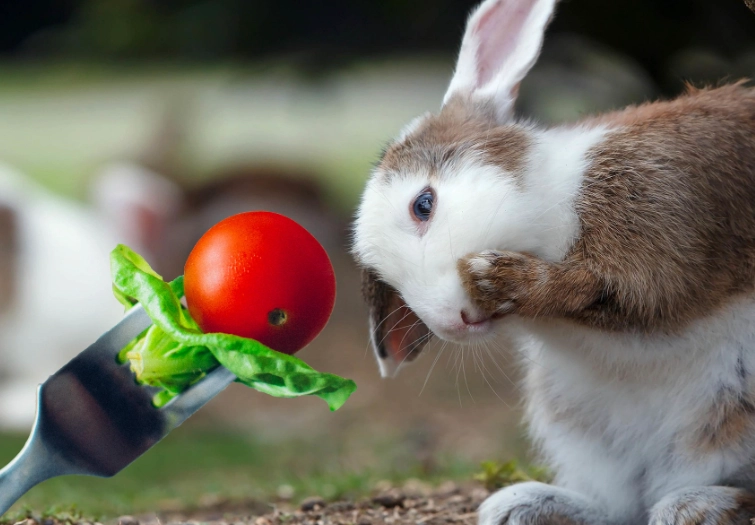
Better Alternatives: What to Feed Instead
If you're looking for safe, healthy ways to treat your rabbit, focus on herbs and low-sugar vegetables. These are far better choices than wondering if rabbits can eat tomatoes.
- Herb Festival: Basil, cilantro, mint, dill, and parsley (in moderation due to calcium) are usually huge hits and have beneficial properties.
- Leafy Green Variety: Instead of just romaine, try radicchio, endive, or arugula for a different flavor.
- Crunchy Veg: A thin slice of bell pepper (any color, seeds out) or a small broccoli floret can be a fun, fibrous treat.
- The Ultimate "Fruit" Treat: If you really want to give fruit, berries are often a better bet than tomatoes. One single blueberry or a raspberry once a week is a good standard. Still sugary, but easier to portion.
I keep a list on my fridge of "green light" treats. It helps when I'm wondering what to give them. Tomato isn't at the top of that list, I'll tell you that.
Tying It All Together: The Final Verdict
So, after all this, can rabbits eat tomatoes? The final, nuanced answer is this: The ripe, red flesh of a tomato, meticulously prepared to remove all green toxic parts and offered in a thumbnail-sized portion once in a blue moon, is unlikely to harm a healthy, adult rabbit.
But – and it's a big but – is it worth it? In my opinion, often not. The risks (accidental ingestion of green parts, sugar overload, digestive upset) outweigh the minimal benefits. There are so many other wonderful, safer ways to enrich your rabbit's diet and show them love.
The most important thing is not the tomato itself. It's understanding why we have these rules. It's about respecting the unique and fragile biology of our rabbit companions. Their health depends on us making informed choices, not just following a simple yes or no.
When you search "can rabbits eat tomatoes," what you're really looking for is permission to share your food with your friend, safely. I get that. The best advice I can give is this: when in doubt, leave it out. Your rabbit's steady diet of hay and greens is what they truly love and need. A head scratch or a new cardboard box to destroy is often a better treat than any piece of food.
Authoritative Reference: For the most conservative and widely respected guidelines on rabbit nutrition, including the risks of foods in the nightshade family, I always cross-check with the Rabbit Welfare Association & Fund (RWAF) in the UK. Their "A Healthy Diet" page is a gold standard. The House Rabbit Society is another fantastic, vet-backed resource based in the US that provides deep dives into safe feeding practices.
At the end of the day, you know your rabbit best. You're the one watching their habits and their health. If you decide to offer that tiny red piece, do it with eyes wide open, following every safety step. And if you decide it's just not worth the worry, your rabbit will be perfectly happy – and healthy – without ever knowing what a tomato tastes like.
Comment