Quick Navigation
- Why Apples Aren't All Bad: The Bunny Benefits
- The Not-So-Sweet Side: Real Risks of Feeding Apples to Rabbits
- The Step-by-Step Guide: How to Safely Let Your Rabbit Eat Apples
- Who Should *Never* Eat Apples? The No-Go List
- What If You Run Into Trouble? Warning Signs & Actions
- Better Than Apples: Top Safe & Healthy Treat Alternatives
- Your Questions, Answered: The Rabbit & Apple FAQ
- Wrapping It Up: The Final Verdict
You're holding a crisp apple slice, and those furry ears perk up. The question pops into your head: can rabbits eat apples? It's one of the most common searches rabbit owners make, and honestly, the answers out there can be confusing. Some sources make it sound like a death sentence, others treat it like a daily vitamin. The truth, as it usually does, sits firmly in the middle.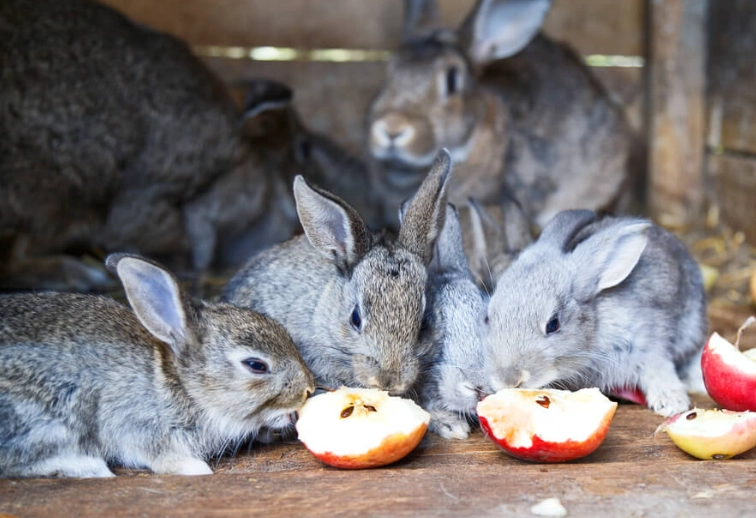
I remember the first time I wondered if rabbits eat apples. My bunny, Mochi, was giving me the classic "I-want-what-you-have" stare. I did what anyone would do – I googled it. The mixed messages were frustrating. That's why I dug deep, talked to vets, and learned from experience to put together this complete guide.
The Short Answer: Yes, rabbits can eat apples. But – and this is a huge but – only as an occasional treat, in very small amounts, and always without the seeds and core. Think of it as their version of a candy bar, not a salad ingredient.
We're going to go beyond the simple yes or no. We'll talk about why you'd want to offer this treat, the real risks you need to manage, the exact "how-to" that keeps your bunny safe, and what to do if things go sideways. By the end, you'll know exactly how to answer can rabbits eat apples for yourself and anyone who asks.
Why Apples Aren't All Bad: The Bunny Benefits
Let's start with the good stuff. Why even consider letting rabbits eat apples? When stripped of the scary parts (we'll get to those), the fleshy part of the apple offers a few things.
First, there's hydration. Apples are about 85% water. For a bunny that's maybe not drinking enough from its bottle, a juicy piece of apple can provide a little moisture boost. It's not a substitute for fresh water, but it's a nice little extra.
Then there's the mental stimulation. A rabbit's life can get boring. New textures and tastes are like a mini adventure for them. The crunch of an apple is different from their hay or pellets. Offering variety, in strict moderation, keeps them engaged and happy. I've seen bunnies do little happy hops for a tiny apple bit – it's pure joy.
There are also trace vitamins. You'll find small amounts of Vitamin C (though rabbits make their own) and Vitamin A. There's some dietary fiber too, but let's be clear – it's nothing compared to the fiber in their essential timothy hay. The sugar content completely overshadows any minor vitamin benefit, honestly.
So the appeal isn't really nutritional supremacy. It's about enrichment and that special bond you create during treat time. The key is ensuring that moment of joy doesn't lead to a night of worry.
The Not-So-Sweet Side: Real Risks of Feeding Apples to Rabbits
This is the part most rabbit owners need to hear. The risks are why the question "can rabbits eat apples" requires a cautious answer. Ignoring these is how bunnies end up at the vet.
The #1 Danger: Sugar. Apples are packed with natural sugars like fructose. A rabbit's digestive system is a finely tuned machine designed for low-sugar, high-fiber roughage (think grass and hay). Dumping a load of sugar into it disrupts everything.
What does that disruption look like? It starts with an imbalance in the cecum – that crucial part of their gut where fermentation happens. Bad bacteria (the ones that love sugar) can multiply, pushing out the good bacteria. This leads to gastrointestinal (GI) stasis – a scary condition where the gut slows down or stops moving. Symptoms include loss of appetite, small or no poops, and lethargy. GI stasis is a veterinary emergency.
Then there's obesity. Sugar means calories. A chubby rabbit isn't a cute rabbit; it's a rabbit at risk for sore hocks, arthritis, and heart disease. Treats like apple should never contribute significantly to their daily calorie intake.
The Silent Threat: Apple Seeds
This is non-negotiable. Apple seeds contain amygdalin, a compound that releases cyanide when chewed and digested. Now, before you panic, a rabbit would need to eat a lot of seeds to get acutely poisoned. But why risk any amount?
The bigger issue is the choking hazard and the potential for intestinal blockage. Seeds are hard and small. It's just not worth it. Always, always remove the core and every single seed before even thinking about letting your rabbit have a nibble. I'm super paranoid about this – I cut the apple, then visually inspect every piece for seed fragments.
Some rabbits also have more sensitive stomachs than others. Just like people, one bunny might handle a tiny piece fine, while another gets soft stools immediately. You have to know your own rabbit.
The Step-by-Step Guide: How to Safely Let Your Rabbit Eat Apples
Okay, you've weighed the pros and cons and want to proceed with extreme caution. Good. Here's your foolproof action plan. Treat this like a laboratory procedure, because in a way, it is.
- Choose the Right Apple: Go for fresh, organic if possible, to minimize pesticide exposure. Wash it thoroughly under running water. A mushy, overripe apple is a no-go.
- Prepare with Surgical Precision: Peel it? This is debated. The peel has extra fiber but can also harbor more chemicals. For a first time or a sensitive bunny, I'd peel it. Cut a small slice off the apple. Now, cut out the entire core area, giving it a wide berth. No seeds, no white core material. Then, chop that flesh into tiny, rabbit-bite-sized cubes. We're talking pieces smaller than your thumbnail.
- The Grand Introduction (If It's Their First Time): Offer one single piece. Wait 24 hours. Monitor their poop like a detective. You're looking for normal, round, dry fecal pellets. Any sign of softening, diarrhea, or reduced poop output means apples are not for your bunny. Stop immediately.
- If All Goes Well: The Strict Portion Rule: This is the most important part. An apple treat should make up no more than 1-2% of your rabbit's daily diet. What does that look like in real life?
| Rabbit Size | Maximum Apple Treat (per serving) | How Often? |
|---|---|---|
| Small (e.g., Netherland Dwarf) | 1-2 tiny cubes (about 1 tsp) | Once or twice a week, max |
| Medium (e.g., Mini Lop) | 2-3 tiny cubes (about 2 tsp) | Once or twice a week, max |
| Large (e.g., Flemish Giant) | 3-4 tiny cubes (about 1 tbsp) | Once or twice a week, max |
Seriously, that's it. More is not better. I use a weekly treat calendar to avoid overdoing it. Tuesday: a blueberry. Friday: a tiny apple piece. It keeps things varied and safe.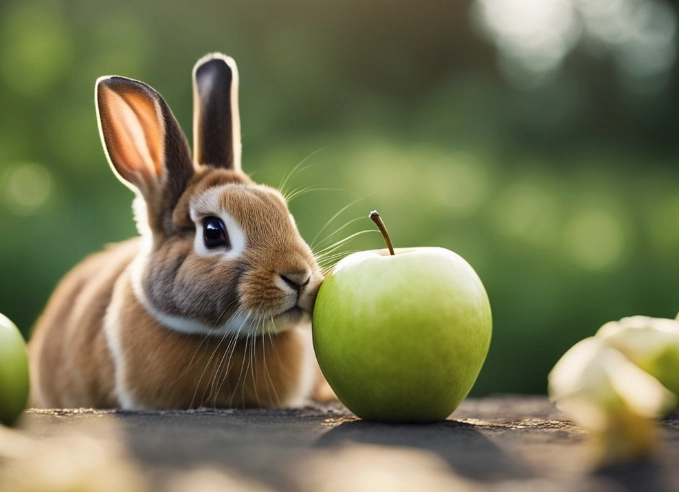
Pro Tip: Always feed the apple treat by hand or place it in their enclosure after they've eaten their main meal of hay. You never want a sugary treat to spoil their appetite for the fibrous food that keeps their gut moving.
Who Should *Never* Eat Apples? The No-Go List
This guide on whether rabbits can eat apples isn't one-size-fits-all. For some bunnies, the answer should be a hard "no," not even a whisper of a maybe.
- Baby Rabbits (Kits): Their digestive systems are incredibly delicate and still developing. No fruits, no vegetables, no treats until they are at least 12 weeks old, and even then, introduce greens before even considering fruit. Stick to alfalfa hay, pellets, and water.
- Rabbits with a History of GI Issues: If your bunny has ever had bouts of stasis, soft stool, or bloating, don't introduce a known potential trigger. It's not worth the vet bill or the stress.
- Overweight or Obese Rabbits: They need a strict diet of unlimited hay, limited pellets, and leafy greens. Sugar-laden treats, even natural ones, are counterproductive to getting them healthy.
- Rabbits with Dental Problems: While apples are soft, the sugar can exacerbate issues if there are already sores or infections in the mouth.
When in doubt, skip it. The bond with your rabbit isn't built on apple slices; it's built on consistent care, and sometimes that means saying no to the pleading eyes.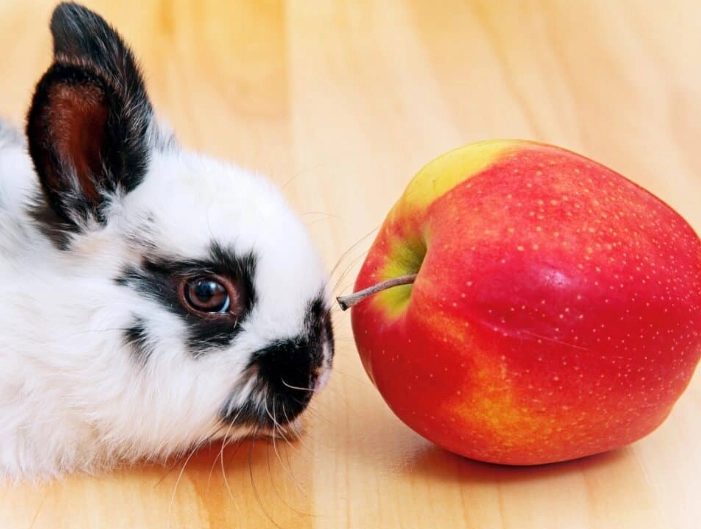
What If You Run Into Trouble? Warning Signs & Actions
Let's say you gave a little piece and now you're worried. What are the red flags?
Immediate Concerns (Within 12 hours): Diarrhea or very soft, misshapen cecotropes (the sticky, nutrient-rich poops they usually eat). Loss of interest in food, especially their hay. Lethargy, sitting hunched up in a corner, or grinding teeth (a sign of pain).
What to do: First, remove all treats and any fresh food. Go back to basics: unlimited hay and fresh water only. Encourage movement to help gut motility. Monitor poop output closely. If there are no fecal pellets for 10-12 hours, or if your rabbit stops eating and drinking entirely, this is an emergency. Contact your veterinarian or an emergency exotic animal clinic immediately. GI stasis can be fatal within 24 hours.
For mild soft stool, the "hay and water only" diet for 24-48 hours often does the trick. Once poops are normal for a few days, you can slowly reintroduce leafy greens, but maybe cross apples off your treat list for that particular rabbit.
Better Than Apples: Top Safe & Healthy Treat Alternatives
Honestly, if the risks of apples make you nervous (and they should, a bit), there are fantastic alternatives that are lower in sugar and often better received.
My bunny goes crazy for these, and I feel better giving them:
- Herb Sprigs: Cilantro, parsley, mint, basil, dill. These are packed with flavor, low in sugar, and count as part of their leafy green intake.
- Leafy Green Tops: Carrot tops, radish tops, beet greens. Way better than the actual carrot or beetroot!
- Other Low-Sugar Fruits (in even tinier amounts): A single blueberry or raspberry. A thin slice of strawberry. A small chunk of peeled pear (also no seeds!). These are still treats, but their sugar profile can be slightly better.
- The Ultimate Treat: Foraging toys stuffed with their regular hay or dried herb mixes (like those from Rabbit Hole Hay or similar reputable sellers). It engages their natural behavior without the sugar crash.
I've found that a sprig of fresh basil makes Mochi just as happy as an apple piece ever did, and I don't have to worry about the aftermath.
Your Questions, Answered: The Rabbit & Apple FAQ
Maybe. If the apple is thoroughly washed or organic, the skin has extra fiber. But it can also be harder to digest and may carry more residues. For a first time or sensitive stomach, peel it. For a robust bunny with a proven tolerance, a piece with skin might be okay. When in doubt, peel.
I would strongly advise against it. Drying concentrates the sugar, making it an even bigger gut bomb. It's also a serious choking hazard, becoming tough and chewy. Stick to fresh, and even then, barely any.
No. Just no. These are pure sugar, often with additives. They offer zero nutritional benefit to a rabbit and will almost certainly cause digestive upset. Don't do it.
Don't panic over one seed. It's very unlikely to cause cyanide poisoning. The risk is more about choking or a potential blockage. Monitor your rabbit closely for the next 24-48 hours for any signs of distress, changes in appetite, or abnormal poop. If they seem fine, they probably are, but be extra vigilant with preparation next time.
Greener, tarter apples (like Granny Smith) have slightly less sugar than super-sweet red varieties (like Fuji or Gala). So if you have a choice, go for the tart green one. But the portion rules still apply strictly.
Wrapping It Up: The Final Verdict
So, after all this, can rabbits eat apples?
The core message? Moderation. Knowledge. Vigilance.
Apples aren't poison, but they're not health food for bunnies either. They're a high-sugar indulgence that must be managed with extreme care. The correct answer to the question isn't just "yes" or "no." It's "yes, but only under these very specific, safe conditions."
Your rabbit's health hinges on a diet that's about 85-90% high-quality grass hay (like timothy or orchard grass). Everything else – pellets, leafy greens, and the rare treat like an apple cube – is just the garnish on that hay foundation. Never let the garnish compromise the foundation.
When you see those lists of "foods for rabbits," remember that "safe in tiny amounts" is different from "recommended." For the most reliable, science-backed information on rabbit nutrition, always cross-check with resources from established animal welfare organizations. The ASPCA's general rabbit care guide is a great starting point, and the House Rabbit Society has exhaustive, vet-reviewed articles on diet that go deep into the details.
Now you know exactly what's involved in letting rabbits eat apples. You can make an informed choice, keep those happy hops coming, and ensure your furry friend's digestive system stays on track. That's the real goal, isn't it?
Comment