Quick Guide
- Where Did the Word "Bunny" Even Come From?
- The Biology: What Are We Actually Talking About?
- Bunny vs Rabbit: A Side-by-Side Look at Perception
- What About Hares? Throwing a Third Term into the Mix
- Choosing a Pet: Does the Bunny vs Rabbit Mindset Matter?
- Wrapping It All Up
- Your Questions, Answered (The Real FAQ)
So you're wondering about the bunny difference rabbit thing. You're not alone. Honestly, I used the terms interchangeably for years, calling my pet rabbit a bunny one minute and a rabbit the next. It wasn't until I started diving into rabbit care more seriously that I realized there might be more to it. Is there a real, biological difference? Or is it just a cute name we use? Let's get into it.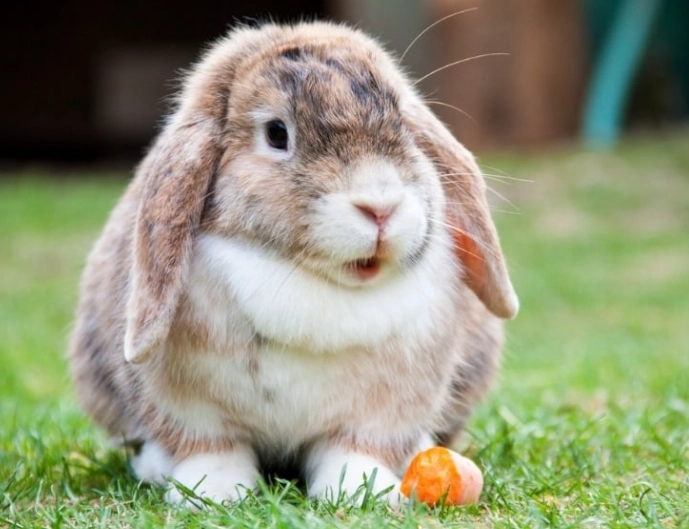
The short, slightly disappointing answer is that biologically, there is absolutely no difference between a bunny and a rabbit. They refer to the same animal. A scientist would look at you funny if you tried to argue otherwise. But—and this is a big but—in everyday language, culture, and even among pet communities, the words carry different weights and connotations. That's where the confusion, and the interesting part, lies.
Where Did the Word "Bunny" Even Come From?
This is my favorite part of the whole puzzle. "Rabbit" has been around in English for centuries. But "bunny"? That's a relatively modern, and adorable, invention. It's believed to have come from the Scottish word "bun," which originally referred to a squirrel's or rabbit's tail. Can you picture it? A little fluffy "bun." Somehow, that morphed into an affectionate term for the whole animal, especially a young or small one.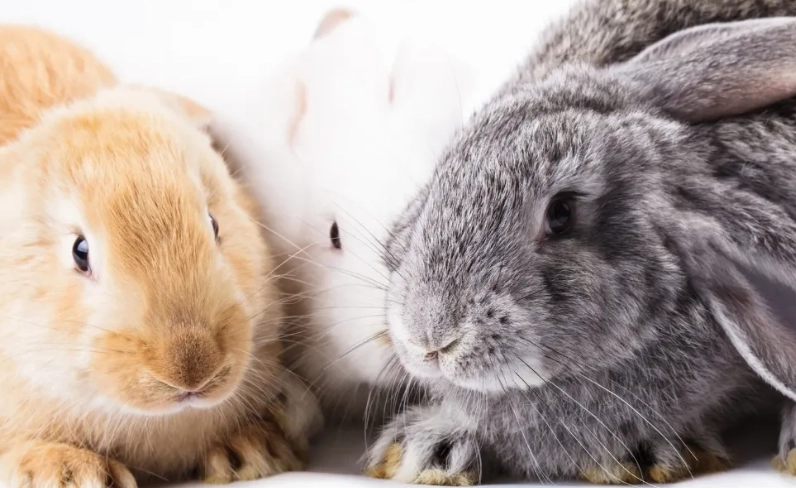
By the 18th century, "bunny" was firmly in the lexicon as a cute, child-friendly term. It's no accident that the Easter Bunny isn't called the Easter Rabbit. The former sounds inviting and magical; the latter sounds like a biology lesson. This linguistic shift cemented "bunny" in the realm of the soft, the small, and the endearing.
"Rabbit," on the other hand, stayed neutral. It's the word you'd use in a vet's office, a scientific paper, or when talking about the wild animal digging up your garden. This distinction in tone is the heart of the perceived difference between bunny and rabbit.
The Biology: What Are We Actually Talking About?
Let's ground ourselves in facts. Whether you say bunny or rabbit, you're talking about a mammal in the order Lagomorpha (which they share with hares and pikas). This is a key point often missed. They are not rodents. They have two pairs of upper incisors, one behind the other—a signature lagomorph feature.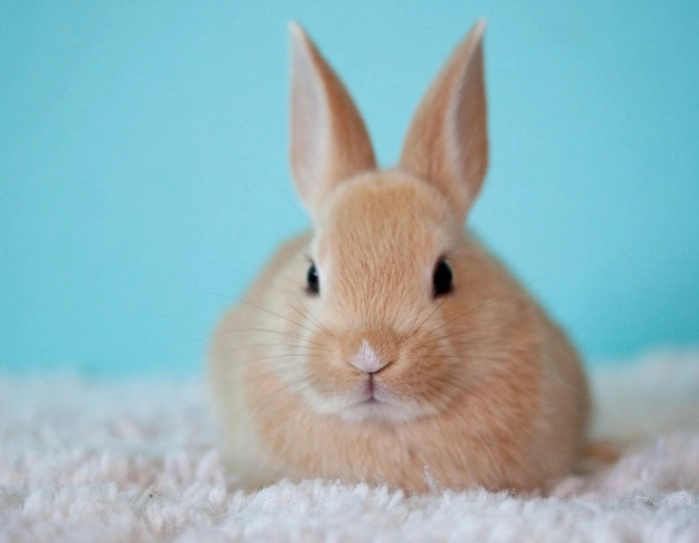
For accurate, detailed biological classification, resources like the Integrated Taxonomic Information System (ITIS) are invaluable. It lays out the scientific hierarchy clearly, from kingdom down to species, for animals like the European rabbit (Oryctolagus cuniculus), which is the ancestor of most domestic rabbits.
Their biology is fascinating and identical regardless of the name. They are hindgut fermenters, meaning they digest crucial nutrients in their large intestine and cecum. This is why they practice cecotrophy—eating their special nighttime droppings (cecotropes) to get all the nutrients. Not the most glamorous habit, but essential for their health.
Life Stages: The Only Time "Bunny" Has a Technical Lean
Here's a nuance. While not a strict scientific term, in animal husbandry and pet breeding circles, "bunny" is often informally used to refer to a young rabbit. The official term for a baby rabbit is a "kit" or "kitten." But let's be real, hardly anyone calls them that outside of a breeder's notebook.
The life cycle generally goes like this:
- Newborn to 3 months: Kit/Kitten. Often colloquially called a "bunny."
- 3 to 6 months: Adolescent. Still sometimes a "bunny."
- 6 months+: Adult. Usually just called a rabbit.
So, if someone says they have a "bunny," there's a good chance they mean a young animal, or they want you to *think* of a young, cute animal. If they say they have a "rabbit," it feels more like a statement about an adult pet or animal. It's a subtle cue.
Bunny vs Rabbit: A Side-by-Side Look at Perception
Since the biological bunny difference rabbit is zero, the real differences live in our heads. This table breaks down how the two terms are typically used and perceived. It's not hard science, but it's very real social science.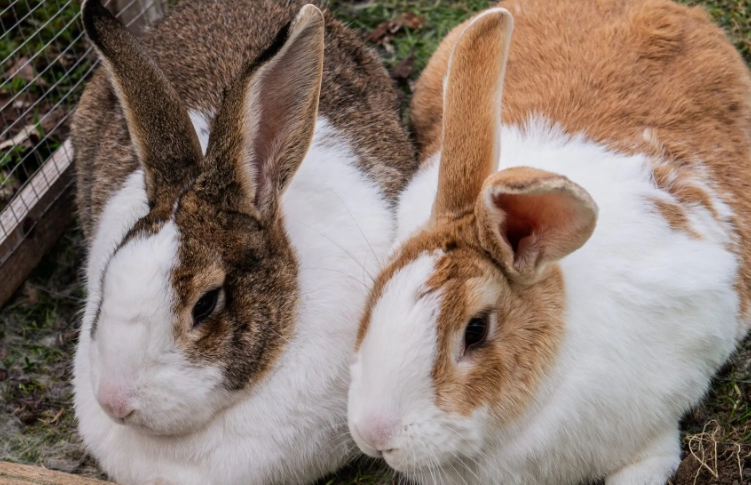
| Aspect | "Bunny" | "Rabbit" |
|---|---|---|
| Primary Connotation | Cuteness, youth, softness, domestication. | Neutrality, adulthood, wildness, biology. |
| Common Context | Pet names ("Thumper the bunny"), children's stories, Easter, cute social media. | Veterinary medicine, wildlife discussions, farming, formal settings. |
| Implied Size/Age | Small, young, baby-like. | Any size or age, often adult. |
| Emotional Tone | Affectionate, diminutive, playful. | Factual, descriptive, respectful. |
| Example in a Sentence | "Look at that fluffy little bunny hopping around!" | "The rabbit population in this area has increased due to conservation efforts." |
See what I mean? Using one word over the other sends a signal. Telling a date you have a "bunny" might get an "Aww!" Telling them you have a "rabbit" might prompt a question about care or habitat. Both refer to the same creature in your living room, but the framing is different.
What About Hares? Throwing a Third Term into the Mix
Now, if you really want confusion, bring up hares. This is where there is a genuine biological difference between bunny and rabbit... except we're replacing "bunny" with "hare." Rabbits and hares are different genera within the same family. People mix them up constantly.
Hares (like jackrabbits) are generally larger, with longer ears and legs. They are born precocial—furred, eyes open, and ready to move shortly after birth. They live primarily above ground in simple nests. Rabbits are born altricial—hairless, blind, and completely dependent. They live in complex burrow systems called warrens.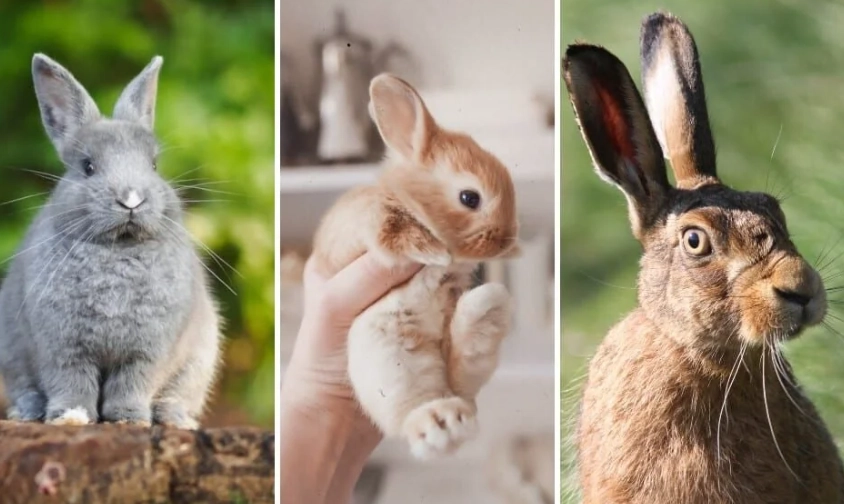
So, the next time someone points to a wild lagomorph and calls it a bunny, you can gently note that it's likely a rabbit or a hare, but "bunny" is just the cute umbrella term we've all agreed on. For authoritative information on wildlife distinctions, government natural resources departments, like the U.S. Fish and Wildlife Service, provide clear, factual guides.
It's a mess of words, I know.
Choosing a Pet: Does the Bunny vs Rabbit Mindset Matter?
This is where the semantic debate hits the real world. When people decide to get a pet, they often say they want a "bunny." They're picturing a small, cuddly, low-maintenance ball of fluff. This mindset can lead to serious problems.
The word "bunny" can unintentionally downplay the reality of rabbit ownership. Rabbits are complex, sensitive, and demanding pets. They require specialized vet care (exotic vets, not just any cat-and-dog vet), a lot of space, a specific diet (mainly hay!), and careful socialization. They can live 10-12 years. That's a decade-long commitment.
Calling it a "rabbit" from the start might put prospective owners in a more realistic frame of mind. It sounds more like caring for an animal with specific needs, not just hosting a living toy. Reputable organizations like the House Rabbit Society are fantastic resources that treat rabbit care with the seriousness it deserves, often using the term "rabbit" predominantly.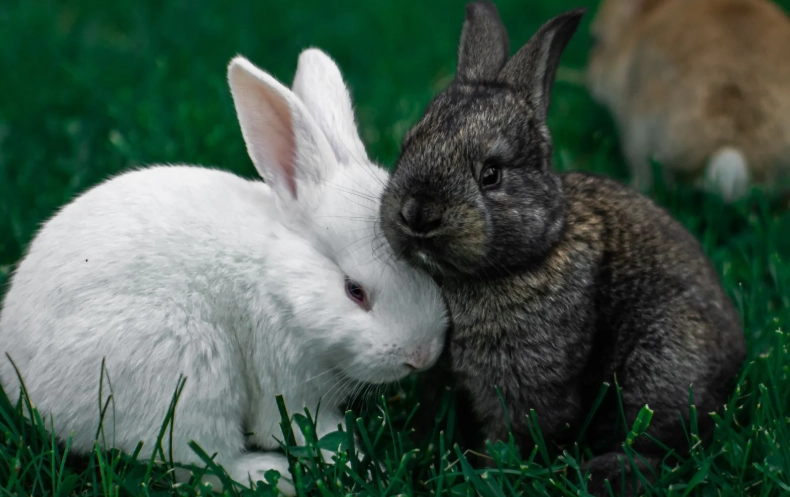
The Reality Checklist for a Pet Rabbit (Not Just a "Bunny")
If you're considering one, forget the word for a second. Here's what you're actually signing up for:
- Vet Costs: Spaying/neutering is crucial for health and behavior, and it's expensive for exotics. Emergency care is also costly.
- Housing: Not a tiny cage. They need a large, puppy-pen-style enclosure or a fully rabbit-proofed room.
- Diet: Unlimited timothy hay (or other grass hay), fresh greens, limited pellets. Not just carrots and lettuce.
- Companionship: They are social. Many do best with a bonded rabbit friend. They also need daily interaction with you.
- Destruction: They chew. Wires, baseboards, furniture. Rabbit-proofing is a constant task.
Adopting from a rescue that uses the term "rabbit" might even be a good sign—it suggests they're focused on responsible ownership education. Shelters often have wonderful adult animals whose "bunny" phase is long past, but who make incredibly loving and settled pets.
Your Questions, Answered (The Real FAQ)
Wrapping It All Up
At the end of the day, the great bunny difference rabbit debate is a human invention. We created the distinction in tone because we needed a word that captured the innocent, soft appeal of these animals, separate from their biological or wild identity.
That's kind of beautiful, when you think about it.
We took one animal and gave it two linguistic personas: the familiar, cuddly "bunny" and the formal, natural "rabbit." Both are valid, depending on what you want to communicate. The key is to understand that behind both words is a living creature with specific, and sometimes demanding, needs. Whether you're reading a children's book about bunnies or a veterinary manual on rabbit medicine, you're learning about the same wonderful member of the animal kingdom.
So, what's the verdict? You can confidently say there is no difference between bunny and rabbit in a biological sense. But you can also appreciate that in the rich tapestry of language and perception, the difference between a bunny and a rabbit is all about the story we want to tell.
Comment