Quick Guide
- What Exactly Is a Pygmy Rabbit? Breaking Down the Basics
- The Pygmy Rabbit's World: Sagebrush, Soil, and Survival
- The Troubled State of the Pygmy Rabbit: Conservation and Threats
- The Elephant in the Room: Can You Keep a Pygmy Rabbit as a Pet?
- Pygmy Rabbit FAQs: Answering Your Burning Questions
- Final Thoughts: Why This Little Rabbit Matters
Let's talk about rabbits. You probably picture the fluffy eastern cottontail hopping through your backyard, or maybe a big Flemish giant. But have you ever heard of a rabbit so small it could practically fit in your hand? I'm not kidding. Meet the pygmy rabbit (Brachylagus idahoensis), the absolute smallest rabbit species in all of North America, and honestly, one of the most fascinating and stubbornly specialized creatures out there.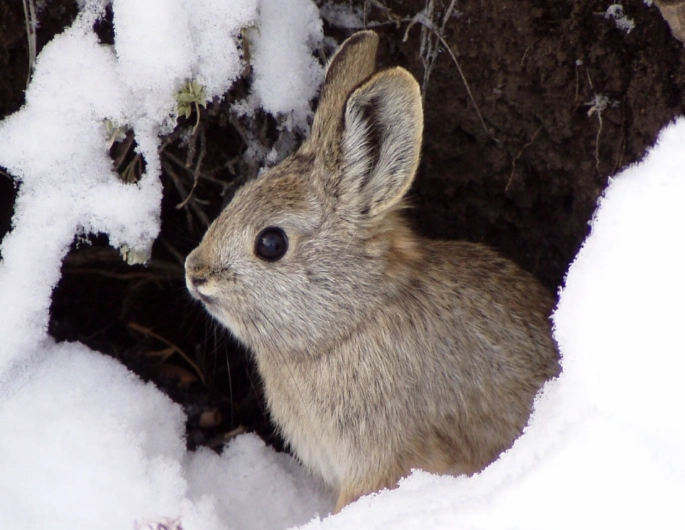
I first read about them in a wildlife magazine years ago, and the description stuck with me: a rabbit that lives in dense sagebrush, digs its own burrows, and survives winters in some of the harshest climates. It sounded more like a gritty survivor from a documentary than the typical image of a timid bunny. The more I looked into it, the more I realized how much misinformation was floating around online. Some sites made them sound like potential pets (a terrible idea, as we'll get into), while others barely scratched the surface of what makes them tick.
So, what's the real story? If you're curious about this elusive little animal—whether you're a wildlife enthusiast, a student, or just someone who stumbled upon the term "pygmy rabbit"—you've come to the right place. This isn't just a list of dry facts. We're going to dig deep into their world, their struggles, and why this tiny rabbit matters more than you might think.
What Exactly Is a Pygmy Rabbit? Breaking Down the Basics
You can't just call something "the world's smallest rabbit" without proof, right? The pygmy rabbit lives up to the name in every way. An adult typically weighs between 375 and 500 grams (that's about 0.8 to 1.1 pounds). To put that in perspective, a standard can of soup weighs more than a full-grown pygmy rabbit. Their body length is only about 9 to 11.5 inches, and they have proportionally smaller ears and legs compared to other rabbits. They're not built for speed like jackrabbits; they're built for navigating a maze of sagebrush stems.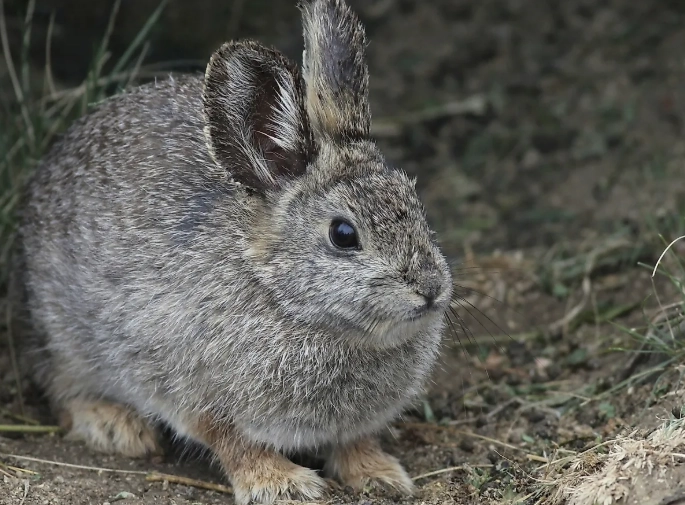
Their fur is a soft, grayish-brown that provides perfect camouflage against the dusty soil and gray-green sagebrush. It's a masterclass in blending in. But size and color are just the start. What truly sets the pygmy rabbit apart is its ecological niche. This isn't a generalist animal that can live anywhere. It's a specialist, and its entire world revolves around one plant: big sagebrush (Artemisia tridentata).
Pygmy Rabbit vs. Other Common Rabbits: A Quick Comparison
It's easy to get them mixed up. Here’s a clear breakdown of how the pygmy rabbit stacks up against its more familiar cousins.
| Feature | Pygmy Rabbit (Brachylagus idahoensis) | Eastern Cottontail (Sylvilagus floridanus) | Jackrabbit (e.g., Black-tailed, Lepus californicus) |
|---|---|---|---|
| Size | Very small (0.8-1.1 lbs) | Medium (2-4 lbs) | Large (4-8 lbs) |
| Key Habitat | Dense, tall sagebrush | Fields, forest edges, suburbs | Open grasslands, deserts |
| Shelter | Digs its own burrows | Uses abandoned burrows or forms | Uses shallow depressions (forms) |
| in soft soil | |||
| Primary Diet | Sagebrush (winter), grasses/forbs (summer) | Grasses, clover, garden vegetables | Grasses, shrubs, bark |
| Ears & Legs | Short and rounded | Medium length | Very long (for speed/hearing) |
| Conservation Status | Endangered/Threatened (in parts of its range) | Least Concern | Least Concern |
See the difference? The pygmy rabbit is in a league of its own. That dependence on sagebrush is its superpower and its greatest vulnerability.
The Pygmy Rabbit's World: Sagebrush, Soil, and Survival
Finding a pygmy rabbit means going to a very specific place. Their historic range centers on the Great Basin, that huge, dry region between the Sierra Nevada and Rocky Mountains. We're talking parts of Montana, Idaho, Wyoming, Utah, Nevada, California, Oregon, and Washington. But here's the catch: they're not spread evenly across those states. They live only where conditions are just right.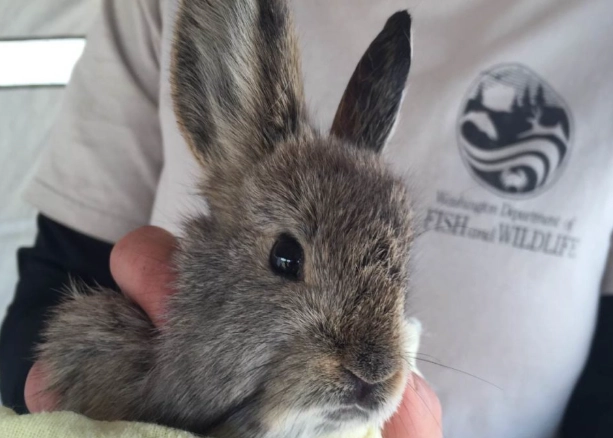
The perfect pygmy rabbit habitat needs two non-negotiable things:
- Tall, Dense Sagebrush: Not just any sagebrush. It needs to be old-growth, stands that are at least 3 feet tall and provide 20-25% canopy cover. This is their food, their shelter from predators (like hawks, coyotes, and weasels), and their highway system.
- Deep, Soft Soil: This is the other half of the equation. Pygmy rabbits are the only North American rabbits that excavate their own extensive burrow systems. They need soil that's loose and deep enough to dig in. These burrows are complex, with multiple entrances and chambers, providing escape routes and protection from extreme heat and cold.
This specialization is why their populations are so patchy. You can drive through miles of what looks like perfect rabbit country and see none, then find a thriving colony in one specific basin where the sagebrush is thick and the soil is just right.
A Year in the Life: Diet, Breeding, and Beating the Winter
Their life cycle is a testament to adaptation. In the summer, their menu expands. They'll munch on grasses and forbs (broad-leafed plants), but even then, sagebrush makes up a significant part of their diet.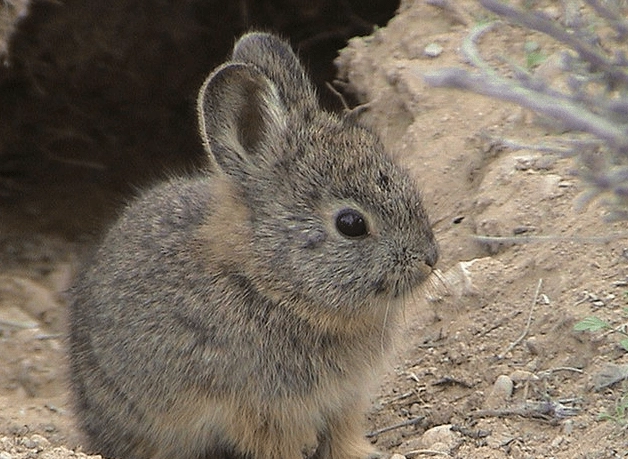
Come winter, when everything else is buried under snow, the pygmy rabbit's world shrinks to the sagebrush. It becomes their sole source of food. They've evolved to handle the plant's toxic and aromatic oils (monoterpenes), which deter most other herbivores. They'll climb right into the bush, sometimes standing on their hind legs, to nibble the tender bark and leaves. Watching them do this (if you're lucky enough to see it) is a lesson in determination.
Breeding season is brief, starting in late winter or early spring. A female might have two or three litters a year, with an average of four to six kits per litter. The kits are born in the safety of the burrow, blind and helpless. They grow fast, though, and are weaned and independent in just a few weeks. It's a race against time and predators.
Which brings us to the hard part.
The Troubled State of the Pygmy Rabbit: Conservation and Threats
Let's be blunt: the pygmy rabbit is in trouble. Its population has declined significantly over the past century. The Columbia Basin distinct population segment in Washington state was listed as endangered under the U.S. Endangered Species Act, a clear signal of how dire things had become. While other populations aren't all federally listed, they are considered species of concern by state agencies.
Why? The threats are a perfect storm of human activity and environmental change.
- Sagebrush Habitat Loss: This is the big one. Conversion of land for agriculture, urban development, and improper livestock grazing has fragmented and destroyed vast swaths of the dense, tall sagebrush the rabbits need.
- Wildfire: This is a massive, accelerating threat. Invasive grasses like cheatgrass have created a cycle of more frequent and intense fires. Sagebrush is slow to recover after a burn. A fire can wipe out a colony's home and food source for decades.
- Disease: Like all rabbits, they are susceptible to outbreaks of Rabbit Hemorrhagic Disease (RHD), a highly contagious and often fatal virus that has been detected in North America.
- Climate Change: Altered precipitation patterns and prolonged droughts stress the sagebrush ecosystem, making it harder for both the plants and the rabbits that depend on them to survive.
- Predation: While a natural part of the ecosystem, predation pressure can become unsustainable when rabbit numbers are already low and habitat is fragmented, leaving them with fewer places to hide.
I remember reading a report from the U.S. Fish and Wildlife Service about the emergency conservation measures for the Washington population. It involved captive breeding and reintroduction—a last-ditch effort to save a population that had dwindled to almost nothing. It was a stark reminder that conservation isn't always about far-away rainforests; it's happening right here, in our own backyards, for a creature most people have never heard of.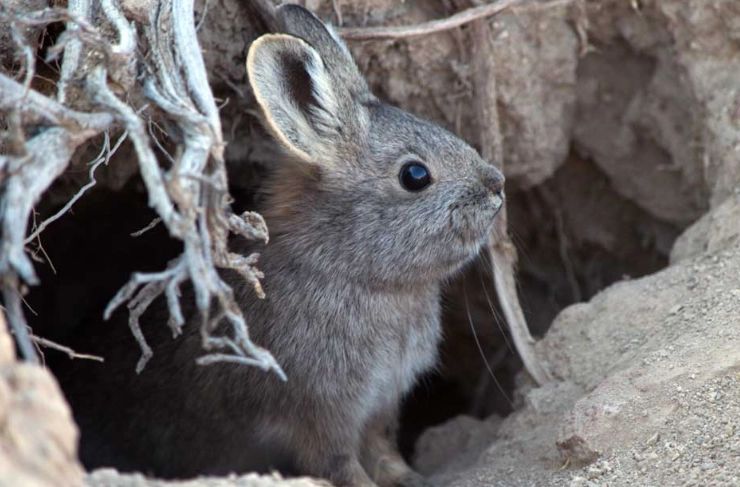
What's Being Done? The Fight to Save a Species
It's not all doom and gloom. Dedicated biologists, agencies, and NGOs are working hard. Conservation efforts are multi-layered:
- Foundation: Habitat Protection & Restoration. This is the most critical long-term work. Agencies like the Bureau of Land Management (BLM) and state wildlife departments are working to protect existing stands of sagebrush and restore degraded areas by controlling invasive grasses and reseeding native plants.
- Emergency Intervention: Captive Breeding & Reintroduction. For critically small populations, like the one in Washington, rabbits are bred in controlled settings (like the Oregon Zoo and Washington State University) and released into protected, managed habitats. The Washington Department of Fish and Wildlife provides detailed updates on these programs.
- Monitoring & Research. Scientists use live-trapping, camera traps, and burrow surveys to track population trends, health, and genetic diversity. This data informs every other action.
- Public Education & Partnership. Getting the word out—through articles like this, school programs, and community science—helps build support for the landscape-level policies needed to save the sagebrush sea.
You can find specifics on these efforts from sources like the Idaho Department of Fish and Game, which manages significant pygmy rabbit habitat. Their work is a practical, on-the-ground example of state-level conservation.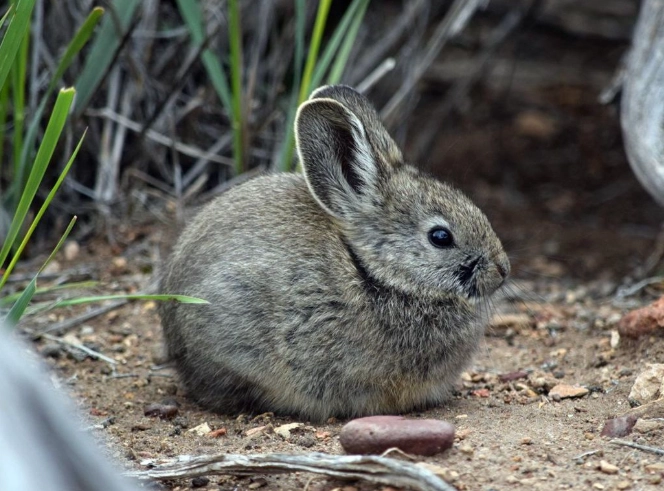
The Elephant in the Room: Can You Keep a Pygmy Rabbit as a Pet?
I knew this question was coming. Every time an animal is small and cute, someone wonders if they can have one. With the pygmy rabbit, the answer is a resounding, unequivocal NO.
Why? Let's count the ways, based on what we now know about their biology:
- Specialized Diet: Their digestive system is built to process sagebrush. You cannot replicate this in captivity. Trying to feed them standard rabbit pellets or lettuce would lead to malnutrition and digestive failure.
- Burrowing Instinct: They have a deep, hardwired need to dig complex burrows. A standard rabbit hutch or cage would be a psychological prison for them.
- Extreme Stress: They are wild, secretive animals. The presence of humans, other pets, and the noises of a household would cause chronic, debilitating stress.
- Conservation Harm: Removing even a single individual from a wild population, especially a struggling one, has a negative impact on the species' recovery.
I've seen forums where people ask about this, and sometimes the answers are worryingly vague. There should be no vagueness. If you love the pygmy rabbit, admire it in the wild (from a respectful distance) or support organizations working to protect its habitat. Do not ever consider it a pet.
If you want a small pet rabbit, adopt a domesticated dwarf breed from a shelter. They've been bred for centuries to thrive with people. The pygmy rabbit is a wild spirit, and it needs to stay that way.
Pygmy Rabbit FAQs: Answering Your Burning Questions
Final Thoughts: Why This Little Rabbit Matters
It would be easy to write off the pygmy rabbit as just another obscure animal in a remote place. But that misses the point entirely.
The pygmy rabbit is an indicator species. Its health tells us about the health of the entire sagebrush steppe—an ecosystem that supports hundreds of other species, from pronghorn and sage-grouse to countless insects and plants. When the pygmy rabbit struggles, it's a warning siren for a landscape in trouble.
Its story is also one of incredible specialization and resilience. This tiny creature has carved out a life in a harsh environment by becoming a master of one thing: the sagebrush. In a world that often rewards generalists, the pygmy rabbit is a beautiful, vulnerable reminder of a different survival strategy.
Learning about it changed how I see the American West. It's not just empty space between mountains; it's a complex, living tapestry, and the pygmy rabbit is one of its most unique and delicate threads. Protecting it isn't just about saving a rabbit; it's about holding onto a piece of our natural heritage that, once lost, we can never get back.
So next time you hear about sagebrush country, maybe you'll think of the tough little bunny that calls it home, digging its burrows and weathering the storms, a tiny testament to the wildness that still remains.
Comment