Quick Navigation
- What Exactly Qualifies as a "Giant" Rabbit?
- The Main Contenders: A Breakdown of Popular Giant Rabbit Breeds
- The Real Cost of Caring for a Giant Rabbit Breed
- Health Considerations: Keeping Your Giant Healthy
- Choosing the Right Giant Rabbit Breed for You
- Common Myths About Giant Rabbit Breeds Debunked
- Frequently Asked Questions (FAQs)
- Final Thoughts: Is a Giant Rabbit Right for You?
So you're thinking about getting a rabbit, but not just any rabbit. You've seen pictures of those massive, cuddly-looking giants lounging on couches and your heart melted. I get it. The first time I met a Flemish Giant in person, I honestly thought it was a small dog from a distance. That experience sent me down a rabbit hole (pun intended) of research and, eventually, ownership. Let's talk about what it's really like to live with these magnificent giant rabbit breeds.
It's not all Instagram-perfect snuggles. These are large animals with specific needs that are often glossed over in cute videos. This guide is for anyone seriously considering welcoming a giant bunny into their home. We'll cut through the fluff and get into the nitty-gritty of size, personality, cost, and care. By the end, you'll know exactly which giant rabbit breed might be your perfect match—or if you're better off with a smaller variety.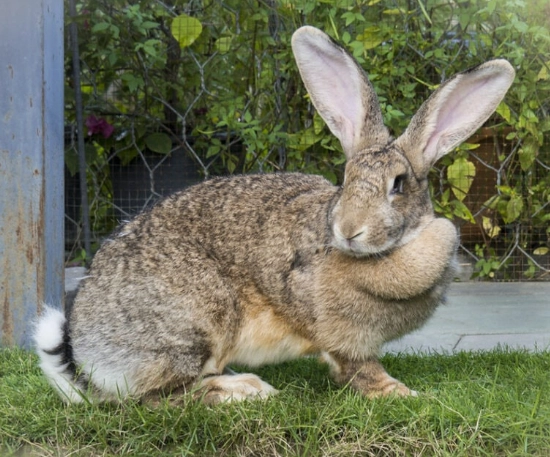
What Exactly Qualifies as a "Giant" Rabbit?
This seems like a simple question, but it's where confusion starts. In the rabbit world, "giant" isn't just a casual description for a big bunny. It's a specific classification. Generally, a rabbit breed is considered giant when its standard minimum weight is over 9 pounds (4 kg). But the true giants, the ones that leave you speechless, often start at 11-12 pounds and go way up from there.
The official arbiter of this in the United States is the American Rabbit Breeders Association (ARBA). They maintain the "Standard of Perfection" that defines each breed, including the weight ranges for giants. It's a good resource if you want the official specs. In the UK, the British Rabbit Council (BRC) plays a similar role.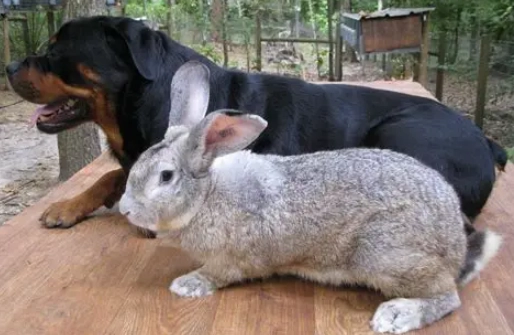
Key Takeaway: Don't go by baby pictures! Many giant rabbit breeds start life looking like typical bunnies. Their colossal size comes from a prolonged growth period. They can keep growing for up to 12-18 months, unlike smaller breeds that are full-grown by 6-7 months. That tiny bunny you adopt could be a 15-pound floor rug in a year.
The Main Contenders: A Breakdown of Popular Giant Rabbit Breeds
Not all giants are created equal. Their personalities, care needs, and even the shapes of their bodies differ quite a bit. Here’s a detailed look at the most common giant rabbit breeds you're likely to encounter.
The Flemish Giant: The Undisputed King
This is the breed most people picture. Often called the "Gentle Giant," the Flemish Giant is the standard by which other giant rabbit breeds are measured. They have a semi-arch body shape (a graceful arch starting at the shoulders), long powerful hind legs, and broad heads.
Their temperament is legendary for being docile and patient. I've found them to be less skittish than many smaller breeds, perhaps due to their size making them feel less vulnerable. But "gentle" doesn't mean inactive. A healthy Flemish needs space to run and stretch those long legs. They can be surprisingly clumsy when excited, so watch your coffee table!
The ARBA standard weight for a senior Flemish Giant buck (male) is at least 13 pounds, with does (females) often being larger. It's not uncommon for well-cared-for pets to hit 18-20 pounds. Their coat is short, dense, and comes in a variety of colors like light gray, steel gray, black, blue, fawn, and sandy.
A friend of mine has a Fawn Flemish named Gus. He's 17 pounds of pure laziness, but when he decides to binky (that joyful jump and twist rabbits do), the whole floor shakes. It's hilarious and a little terrifying.
The Continental Giant: The Colossal Cousin
Often confused with the Flemish, the Continental Giant (or "Conti") is a separate breed with European roots, recognized by the BRC. They are, quite simply, bred for maximum size. While Flemish Giants have a weight *minimum*, Contis are often measured by their potential maximums.
They have a full-arch mandolin body shape and can be even heavier and longer than Flemish Giants. Stories of 25-pound Contis aren't just internet myths. Their personality is similar—generally calm and friendly, but their sheer size makes everything more intense. Everything costs more: food, cage size, vet bills. You need to be prepared.
One thing folks don't always consider? Litter boxes. A giant rabbit breed like the Conti needs a massive litter box. I'm talking about using concrete mixing trays from the hardware store. The standard pet store ones are laughably small.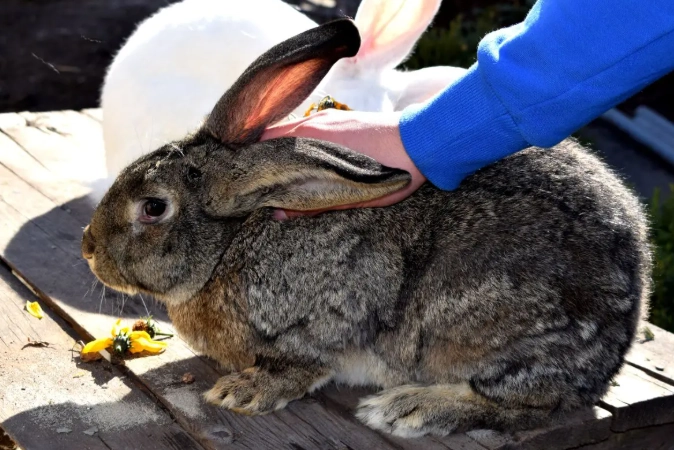
The Checkered Giant: The Athletic Show-Off
This breed stands out. While still a giant (ARBA minimum 11 lbs), the Checkered Giant is built differently. It has a full-arch body, giving it a very alert, racehorse-like appearance. It's less of a "couch potato" giant and more of an energetic, spirited one.
Their markings are distinct: a white coat with black or blue markings in a very specific pattern (butterfly nose, eye circles, cheek spots, ears, a spine stripe, and a chain of side spots). They are stunning. However, many breeders and owners note they can be more strong-willed and less inclined to sit still for long cuddles than a Flemish. They're for the owner who appreciates a more interactive, playful giant.
The French Lop: The Charming Heavyweight
Ah, the French Lop. If the Flemish is a greyhound, the French Lop is a bulldog. This giant rabbit breed has a massive, thickset, compact body and the iconic droopy ears that define lops. They have a commercial body type—broad, deep, and well-muscled, with a minimum weight of 10.5 pounds.
Their temperament is usually wonderfully calm and sweet. They tend to be less active than the arch-bodied giants and are often described as real "cuddle bugs" who enjoy lounging. The downside? Those adorable folds and their compact build can sometimes lead to more health issues, like ear infections (because of the lopped ears) and needing careful monitoring for sore hocks due to their heavy weight on their feet.
The Giant Angora: The High-Maintenance Cloud
This is the giant rabbit breed for the truly dedicated. As the name suggests, they are giants (9+ lbs) covered in the long, wooly fur of the Angora. They produce massive amounts of wool that must be sheared or plucked every 3-4 months. It's a significant commitment.
Their temperament is typically very docile, a necessity for all the grooming they endure. But be honest with yourself: are you ready for daily brushing to prevent life-threatening mats and a house covered in a fine layer of rabbit wool? They are beautiful, unique animals, but they are a lifestyle choice, not a casual pet.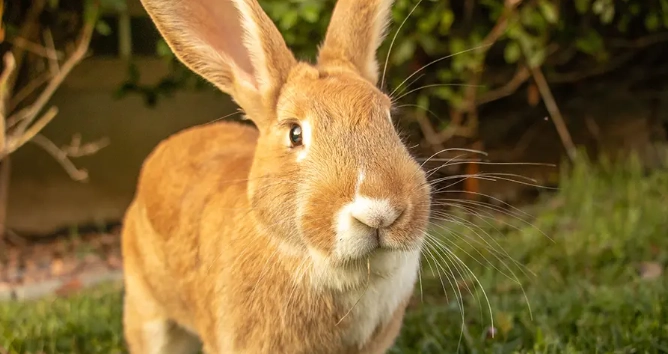
| Breed | Average Weight | Key Temperament Trait | Grooming Needs | Best For... |
|---|---|---|---|---|
| Flemish Giant | 13-20+ lbs | Docile, Gentle, Patient | Low (Weekly brush) | First-time giant owners, families with calm kids |
| Continental Giant | 16-25+ lbs | Calm, Friendly, Imposing | Low (Weekly brush) | Experienced owners with maximum space |
| Checkered Giant | 11-16 lbs | Energetic, Alert, Playful | Low (Weekly brush) | Active owners who want an interactive pet |
| French Lop | 10.5-15+ lbs | Calm, Sweet, Cuddly | Medium (2-3x week brush, ear checks) | Owners seeking a lap-sized companion |
| Giant Angora | 9.5-12+ lbs | Docile, Patient | Very High (Daily brush, shearing) | Fiber artists, highly dedicated groomers |
The Real Cost of Caring for a Giant Rabbit Breed
Let's talk money, because the financial aspect of keeping giant rabbit breeds is no joke. It scales up literally and figuratively.
The Upfront & Ongoing Costs:
- Adoption/Purchase: From $50 (rescue) to $200+ (reputable breeder). Show-quality from champion lines can be much more.
- Housing: Forget cages. You need a massive exercise pen (x-pen) or a fully rabbit-proofed room. A 4'x4' pen is an absolute minimum, but bigger is non-negotiable. This is a $100-$300 initial investment.
- Food: They eat a lot. A 15-pound rabbit can easily go through a quarter-cup of pellets, 2+ cups of veggies, and unlimited hay... daily. High-quality hay (Timothy or Orchard) is your biggest recurring cost. Budget at least $50-$80 a month for food and hay.
- Veterinary Care: This is the big one. You need an exotic vet experienced with rabbits. Spay/neuter for a giant costs significantly more ($300-$600+) due to increased anesthesia risk and time. Annual checkups and potential GI stasis treatments are also pricier. Always have an emergency fund of at least $500-$1000.
- Supplies: Heavy-duty litter boxes, large carriers (dog carriers work best), bigger toys, indestructible food bowls. It all adds up.
See what I mean? It's like owning a medium-sized dog.
Health Considerations: Keeping Your Giant Healthy
Giant rabbit breeds are prone to some specific health issues. Being aware of them is crucial for prevention.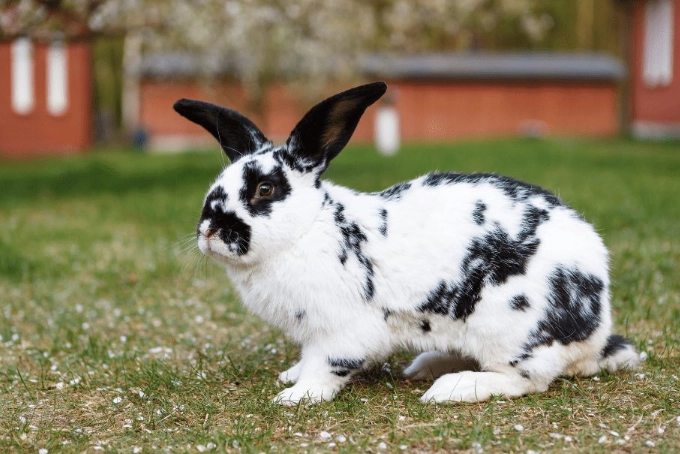
Sore Hocks (Pododermatitis): This is a major one. All that weight pressing on their foot pads, especially if they are on hard or wire surfaces, can cause painful ulcers and infections. Prevention is key: provide thick, soft bedding (fleece blankets over carpet, foam mats), keep their living area impeccably clean, and ensure they are a healthy weight.
GI Stasis: Common in all rabbits, but the consequences in a giant can be more severe quickly. Knowing the signs (small or no poops, lethargy, not eating) and having critical care food and a vet plan is essential.
Heart Strain: Some vets note that giants, like all very large breeds of animals, can be more prone to cardiac issues as they age. Keeping them lean and fit helps.
Arthritis: Joint pain is common in senior giants. Ramps instead of jumps, soft bedding, and joint supplements (like glucosamine, only with vet approval) can help manage quality of life.
Vet Warning: Not all vets are comfortable anesthetizing a 20-pound rabbit. Before you even bring your giant home, locate an experienced exotic veterinarian. Call and ask if they regularly treat giant rabbit breeds like Flemish Giants or Continentals. This is non-negotiable for responsible ownership.
Choosing the Right Giant Rabbit Breed for You
Ask yourself these hard questions before falling in love with a photo.
- Space: Do you have a dedicated, rabbit-proofed room or a very large pen area? Not just for now, but for the next 8-10 years?
- Time: Can you commit to daily social interaction, spot-cleaning a large area, and more involved grooming for some breeds?
- Budget: Can you handle the doubled or tripled cost of food, supplies, and vet care?
- Lifestyle: Are you home enough? Are you prepared for a pet that may not be as portable as a smaller bunny?
- Family: Do you have young children? While gentle, a giant rabbit can be accidentally injured by a fall, and a scared giant can kick powerfully.
If you answered yes to most of these, fantastic! Now, match your lifestyle to the breed. Want a calm companion to watch TV with? A Flemish or French Lop might be perfect. Want a project and love grooming? Look at the Giant Angora. Want the biggest of the big and have the space? Research Continental Giants.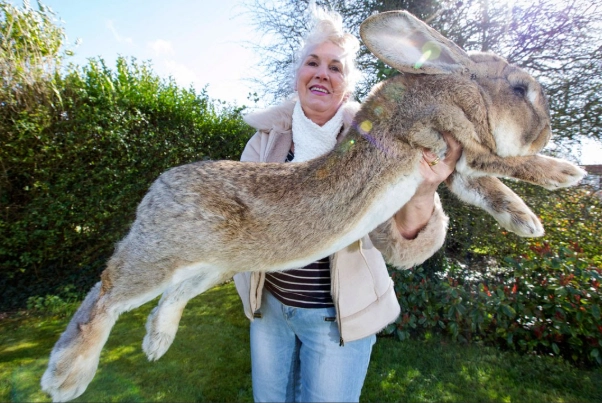
Common Myths About Giant Rabbit Breeds Debunked
Myth 1: They are lazy and don't need much space. False. They are large, but they are still rabbits who need to run, jump, and explore. A cramped space leads to obesity and depression.
Myth 2: They are always calm and never bite. While typically docile, any rabbit, regardless of size, can bite or scratch if frightened, in pain, or improperly handled. Their size means a warning nip has more force.
Myth 3: They are outdoor animals. Absolutely not. Domestic rabbits, especially giant rabbit breeds, should live indoors with the family. They are sensitive to temperature extremes (heat kills quickly), and are vulnerable to predators, parasites, and loneliness outdoors.
Myth 4: They are low-maintenance compared to dogs. This is a tricky one. They don't need walks, but their need for mental stimulation, social interaction, and specialized veterinary care makes them a high-maintenance pet in their own way. You can't just leave them in a hutch.
Frequently Asked Questions (FAQs)
What is the friendliest giant rabbit breed?
Hands down, the Flemish Giant gets the most consistent votes for its gentle, patient demeanor. French Lops are also famously sweet. But remember, individual personality matters more than breed. A well-socialized rabbit from any giant breed can be wonderfully friendly.
What do giant rabbits eat?
The same core diet as any rabbit, just more of it: Unlimited high-quality grass hay (Timothy, Orchard, Meadow), a limited amount of rabbit pellets (about 1/4 cup per 5 lbs of body weight), and fresh leafy greens (2+ cups daily). Treats like carrot or fruit are given sparingly. Their digestive system is identical to a small rabbit's, just housed in a bigger body.
How long do giant rabbit breeds live?
With excellent care, you can expect a lifespan of 5 to 8 years. Some may live longer, but giants sometimes have slightly shorter average lifespans than smaller breeds, often due to the strain their large size puts on their bodies. Quality of life is key.
Can giant rabbits be litter trained?
Yes, remarkably well! In fact, their intelligence and tendency to pick one or two corners make them excellent candidates. Use a large, low-sided box filled with paper-based or aspen pellet litter, topped with hay. They'll often munch and poop at the same time. Consistency is key.
Are giant rabbits good with dogs or cats?
This depends entirely on the individual animals. Some dogs have high prey drives and will see any rabbit as a target. Some cats are curious but can learn to coexist. Supervised, gradual introductions are mandatory. The rabbit should always have a safe, dog/cat-free retreat. Never leave them unsupervised together. The rabbit's size might deter some pets, but a kick from a scared giant could also injure a smaller dog or cat.
Final Thoughts: Is a Giant Rabbit Right for You?
Owning one of these magnificent giant rabbit breeds is an incredibly rewarding experience. There's nothing quite like the bond with an animal that chooses to hop over and lay its considerable weight against your leg. The quiet companionship, the silly antics, the sheer awe they inspire in guests—it's special.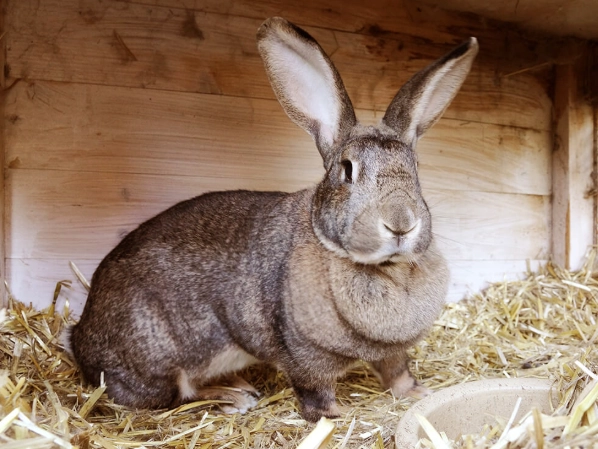
But it's a major commitment. It's more expensive, more space-consuming, and logistically more challenging than a standard-sized rabbit.
My advice? If you're new to rabbits, consider fostering for a local rabbit rescue first. You'll learn the basics of rabbit care with a support system. If you're already an experienced rabbit owner and have the space and budget, then diving into the world of giants can be your next great adventure.
Do your research, connect with reputable breeders or rescues (check the House Rabbit Society for resources), and prepare your home. If you do it right, you'll gain a gentle, unforgettable friend who just happens to be the size of a small dog.
Just remember to reinforce your furniture.
Reader Comments