Quick Guide to Rabbit Winter Care
- Why the Confusion? The Hibernation Myth Explained
- The Science Bit: Why Rabbits Can't Afford to Hibernate
- The Essential Winter Care Guide: From Myth to Action
- Answering Your Burning Questions (The Rabbit Winter FAQ)
- When to Stop Worrying About Winter and Start Worrying About Your Rabbit
- Final Thoughts: Moving Beyond the Hibernation Question
You know, I remember the first winter I had my rabbit, Thumper. The temperature started dropping, the days got shorter, and I found myself staring at his hutch, a nagging question in my mind. Do rabbits hibernate? Should I be expecting him to curl up in a ball and sleep for months like the hedgehog at the bottom of my garden? I did what anyone does – I googled it. And honestly, the answers were a bit all over the place. Some forums said yes, some said no, and some gave such vague advice I was more confused than when I started.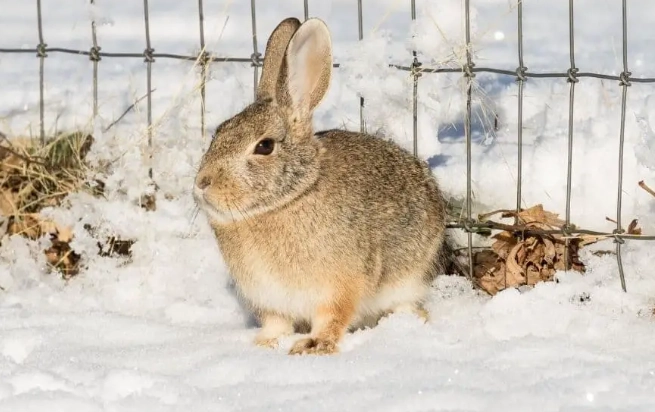
So I dug deeper. I talked to my vet, read actual studies (not just forum posts), and learned through years of experience. The short, definitive answer is no, rabbits do not hibernate. Not even a little bit. In fact, assuming they do can be a dangerous mistake for a pet owner. But that's just the beginning of the story. The real question isn't "do rabbits hibernate," but rather, "what on earth do they do instead?"
If you're a rabbit owner worrying about the cold months, or just someone curious about animal behavior, you're in the right place. We're going to bust the hibernation myth wide open and talk about what rabbits actually do to handle winter. It's way more fascinating than just sleeping through it.
Why the Confusion? The Hibernation Myth Explained
It's easy to see where the idea comes from. Think about classic winter animals. Bears, bats, groundhogs – they all disappear for the season. Some rabbits, especially wild ones, might seem less visible in deep winter. You might see fewer of them hopping around. This reduced visibility, coupled with our general cultural idea of "animals sleeping in winter," probably spawned the myth.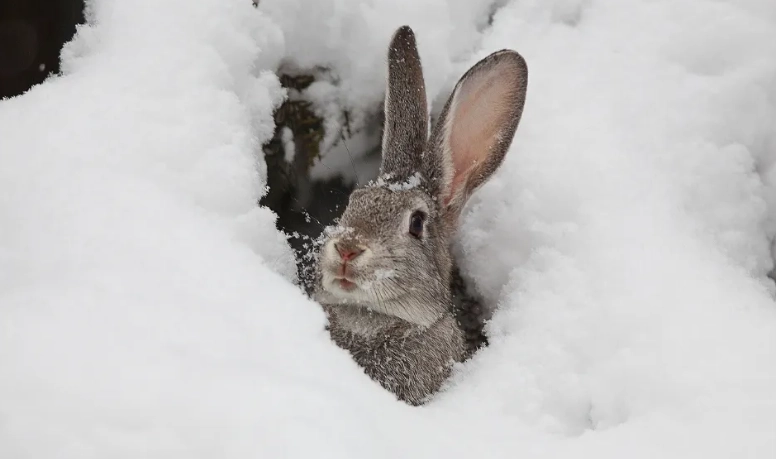
There's also a biological mix-up. Some small mammals, like certain rodents, do enter torpor – a short-term, controlled drop in body temperature and metabolism to save energy on a very cold night. It's like a mini, daily hibernation. But even this is not a standard behavior for our pet rabbits (Oryctolagus cuniculus) or most common wild hare species. Their survival strategy is completely different.
I think another reason people ask "do rabbits hibernate" is because they hope for a simple solution. Winter pet care can be a hassle. The thought of your pet peacefully snoozing away, needing minimal care, is appealing. Reality, as usual, is more demanding but also more interesting.
The Science Bit: Why Rabbits Can't Afford to Hibernate
Let's get technical for a second, but I'll keep it painless. True hibernation is an extreme physiological adaptation. An animal like a groundhog slows its heartbeat to a few beats per minute, drops its body temperature to just above the surrounding environment, and enters a state of profound unconsciousness. It lives off stored fat reserves.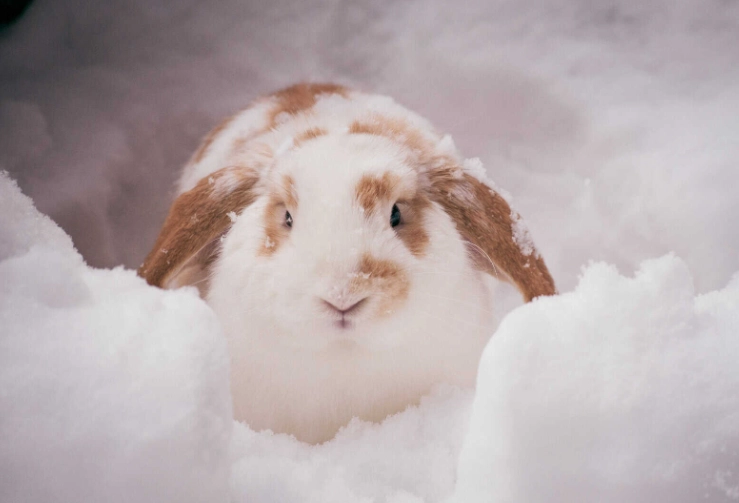
Rabbits are not built for this. Their digestive system is the key reason. Rabbits are hindgut fermenters. They need to eat almost constantly – specifically, high-fiber food like hay – to keep their unique gut motility going. If they stop eating, their gut stasis sets in shockingly fast, which is a life-threatening condition. A hibernating animal doesn't eat for months. For a rabbit, that's a death sentence, not a survival strategy.
Their metabolism isn't designed for long-term shutdown. They are prey animals, always needing to be alert enough to flee from predators. A hibernating rabbit would be an easy snack. Evolution shaped them for vigilance and constant feeding, not long naps.
So, if they don't hibernate, what's their game plan? It's a combination of clever adaptations.
Physical Adaptations for Winter
Rabbits are surprisingly well-dressed for cold weather.
- The Coat: Come autumn, many rabbits (especially wild ones and certain breeds) undergo a molt and grow a thicker, denser winter coat. This undercoat provides serious insulation. My Thumper's fur definitely feels plusher in December than it does in July.
- Ears Down: Those big ears aren't just for hearing. They're a major site for heat exchange. In the cold, rabbits can reduce blood flow to their ears to conserve core body heat. You might see them tucked tightly against their back.
- Paws: The fur on their feet gets thicker too, acting like little snow boots.
Behavioral Adaptations: What You'll Actually See
This is where it gets practical for an owner. When you understand their natural behavior, you know what to look for and how to help.
Wild rabbits spend more time in their burrows (warrens), which maintain a more stable temperature than the outside air. They become more crepuscular – active at dawn and dusk – to avoid the coldest parts of the day and night. They also focus their foraging efforts, sometimes even digging through light snow to find dried grasses and remaining vegetation.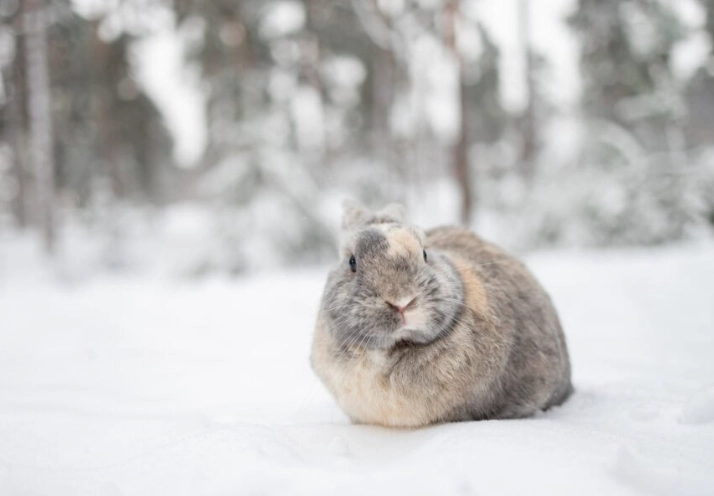
For a pet rabbit, especially one kept outdoors, you'll notice changes too. They might be slightly less active during the day, choosing to stay in the insulated part of their hutch. They'll eat more. Seriously, they need extra calories just to stay warm, so their food intake can increase noticeably. You'll see them fluffing up into a tight, round ball – a classic heat-conserving posture.
The bottom line? They adapt, they don't shut down.
The Essential Winter Care Guide: From Myth to Action
Okay, so we've established that rabbits do not hibernate. Now let's talk about what you should do to help them through winter, whether they live indoors or out. This is the stuff that really matters.
If Your Rabbit Lives Outdoors
This requires the most preparation. I'll be honest, after a particularly harsh winter scare with Thumper years ago, I became a strong advocate for bringing rabbits indoors for the worst of the winter. But if outdoor living is the setup, here's your non-negotiable checklist:
- Hutch Fortification: The hutch must be weatherproof. Solid walls on at least three sides, a waterproof roof that overhangs, and raised off the ground. Line the sleeping area with piles of straw (not hay – straw is better for insulation as it's hollow). Hay is for eating. Provide a completely enclosed, stuffed box inside the hutch for them to burrow into.
- Water, Water, Water: This is the number one problem. Water bottles freeze solid. You need a thermal cover for the bottle, or better yet, switch to a heavy ceramic bowl and check it twice a day, replacing frozen water with fresh, lukewarm water. Dehydration in winter is a silent killer.
- Fuel for the Furnace: Increase their food. Unlimited high-quality hay (timothy or meadow) is the absolute base. Increase their portion of pellets slightly. Offer fresh greens, but ensure they are not frozen and are dried off. The act of digesting fiber (called fermentation) actually generates internal heat.
- Windbreak & Placement: Move the hutch to a sheltered spot, like against a wall of your house or in a garage (but only if the garage is unheated and well-ventilated – car fumes are toxic). Use tarps or Perspex sheets to block prevailing winds while allowing light and air.
If Your Rabbit Lives Indoors
You might think you're off the hook, but indoor winter brings its own challenges.
- Dry Air: Central heating sucks moisture out of the air, which can irritate a rabbit's respiratory tract. Not ideal for an animal prone to snuffles. Consider a room humidifier, or at least place a bowl of water near a heat source.
- Drafts Again: Even indoors, avoid placing their enclosure directly under a vent, in front of a frequently opened door, or by a drafty window.
- Static & Overheating: Rabbits can overheat if placed right next to a radiator or fireplace. Also, dry air causes static in their fur, which they hate. Brushing helps.
- Less Sunlight: With shorter days, ensure their area still gets some natural light cycle. Don't leave bright artificial lights on them all evening.
To make the differences crystal clear, here’s a quick comparison: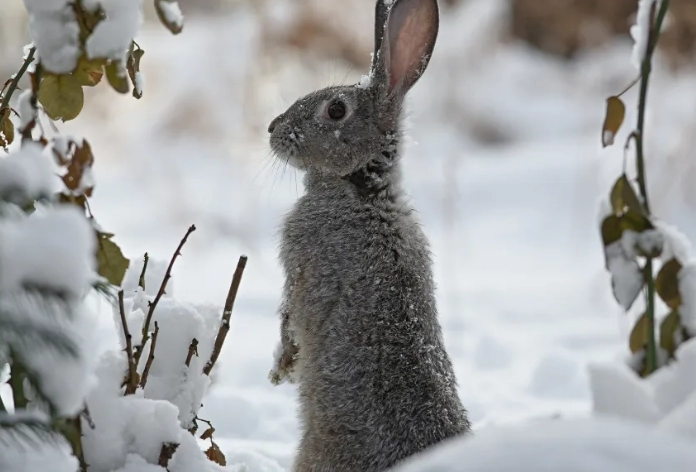
| Aspect of Care | Outdoor Rabbit in Winter | Indoor Rabbit in Winter |
|---|---|---|
| Primary Concern | Preventing hypothermia & frostbite from damp/drafts | Managing dry air and consistent temperature |
| Shelter Focus | Weatherproofing, deep dry bedding, windbreaks | Away from direct heat sources and drafts |
| Water Strategy | Preventing freezing (thermal bottles, frequent checks) | Ensuring availability in dry air; maybe a heavier bowl |
| Diet Adjustment | Significant increase in hay/pellets for extra calories | Possible slight increase, monitor weight |
| Health Watch | Checking ears/paws for frostbite, monitoring for lethargy | Watching for dry skin/snuffles from low humidity |
Answering Your Burning Questions (The Rabbit Winter FAQ)
When to Stop Worrying About Winter and Start Worrying About Your Rabbit
This is the most important part of this whole discussion. We've spent all this time asking "do rabbits hibernate" to understand their normal behavior. But you need to know the signs that something is abnormal. Winter can mask or exacerbate health problems.
Hypothermia is the big one. Symptoms include extreme lethargy, weak pulse, shallow breathing, muscle stiffness, and eventually unconsciousness. This is a vet-now situation. While transporting, wrap the rabbit in warm (not hot) towels and use your own body heat.
Frostbite usually affects the tips of the ears, the nose, and the feet. The skin may appear pale, white, or blue at first, later turning red, black, and crusty as damaged tissue dies. If you suspect frostbite, do not rub the area. Gently warm it with lukewarm (not hot) compresses and seek immediate veterinary care. Prevention through proper housing is 100% the best cure here.
Respiratory infections ("snuffles") can flare up in damp, drafty, or stressful conditions. Listen for sneezing, look for white nasal discharge (wiping paws on nose), and listen for noisy breathing.
Final Thoughts: Moving Beyond the Hibernation Question
So, do rabbits hibernate? We've firmly put that myth to bed. They are resilient, adaptable creatures with a clever set of tools for winter survival. But as their caregivers, the responsibility falls on us to augment those tools with proper housing, nutrition, and vigilance.
The question isn't really about their natural abilities; it's about our support. Understanding that rabbits do not hibernate reframes our entire approach. We stop waiting for them to "sleep it off" and start actively managing their environment. We become attuned to subtle changes in their behavior that signal comfort or distress.
Winter with a rabbit isn't about coping with a dormant pet. It's about partnering with an active, hungry, fuzzy companion who relies on you to bridge the gap between their natural adaptations and the challenges of a domestic winter. It's more work than just assuming they hibernate, but it's also what allows you to enjoy their quirky, lively presence all year round.
And honestly, on a cold winter evening, there's nothing quite like the company of a warm, contented rabbit, happily munching on hay, reminding you that life – and appetite – goes on, season after season.
Comment