Quick Navigation
- What's a Californian Rabbit Really Like? Personality Deep Dive
- The Complete Californian Rabbit Care Guide
- Common Health Issues in Californian Rabbits
- Californian vs. Other Popular Large Rabbit Breeds
- Frequently Asked Questions About Californian Rabbits
- Final Thoughts: Is the Californian Rabbit Right for You?
So you're thinking about getting a rabbit, and the name "Californian" keeps popping up. Maybe you saw one at a fair, or a friend has one of those strikingly beautiful white rabbits with the dark points. I remember the first time I saw a Californian rabbit in person – it was at a 4-H show years ago, and I was struck by how different it looked from the smaller Netherland Dwarf I had at home. There's a lot more to this breed than just its good looks, though. Let's dive in and figure out if a Californian rabbit is the right fluffy companion for your home.
First things first, let's clear up a common mix-up. Despite the name, the Californian rabbit breed wasn't actually developed in California. Funny, right? A guy named George West in Southern California created them in the early 1920s. He was aiming for a top-quality meat and fur rabbit, and he crossed Himalayan rabbits with Standard Chinchillas, and then threw some New Zealand Whites into the mix. The goal was a rabbit that grew quickly and had a great pelt. What he ended up with was this incredibly distinctive-looking animal that later became a huge hit as a show animal and pet.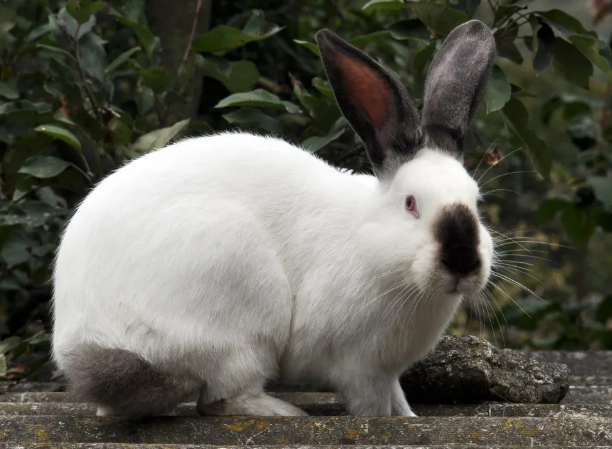
Quick Breed Snapshot: The Californian is a large rabbit breed, typically weighing between 8 to 10.5 pounds when fully grown. They're known for their "commercial" body type – think full, rounded, and well-muscled, like an athlete in rabbit form. But their signature feature is their coloring: a pure white body with deep, dark brown or nearly black points on their ears, nose, feet, and tail. It's a look that turns heads.
What's a Californian Rabbit Really Like? Personality Deep Dive
This is where things get interesting. You can't judge a rabbit by its cover. When people look at the size and the poised show-ring appearance of a Californian, they often assume they're aloof or just big, lazy lumps. In my experience, that's not the whole story at all.
Most Californians have a wonderfully calm and docile temperament. They're often described as "gentle giants," and I think that fits pretty well. They tend to be less skittish than some smaller breeds, which makes them feel more substantial and present. They're not usually the type to zip around the room at lightning speed for no reason (though they definitely enjoy a good run). Their calmness makes them fantastic candidates for families with calm, older children who understand how to handle a large animal gently. I'd be a bit more cautious with very young kids simply because of the rabbit's size – a dropped rabbit is a tragedy, and a large rabbit is harder for small hands to hold securely.
But here's a personal observation: don't mistake that calmness for a lack of personality. The Californian rabbits I've known have been quietly inquisitive. They'll come over to see what you're doing, nudge your hand for pets, and then might just flop down contentedly next to you. They form strong bonds with their people. They're not always the most overtly "playful" in the way you might see with a Holland Lop tossing toys, but they show affection in their own way. One of my friend's Californians has a ritual of circling her feet every morning until she sits down for coffee, then he hops into her lap. It's his routine.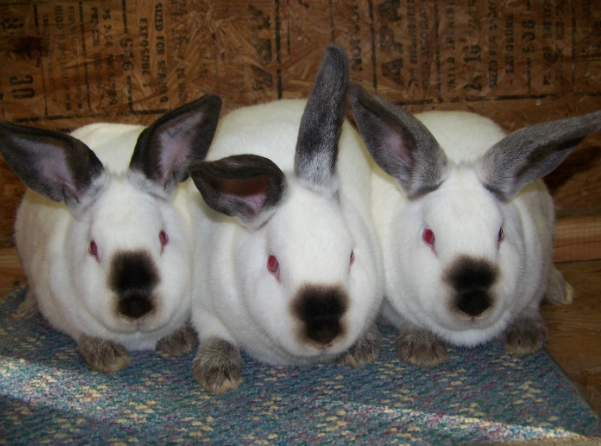
Why You Might Love a Californian
- Generally Calm & Docile: Less prone to nervousness, great for relaxing with.
- Stunning Appearance: That pointed pattern is a real conversation starter.
- Good Size: Substantial to hold and cuddle, feels less fragile than tiny breeds.
- Often Patient: Can tolerate gentle handling well, good for respectful families.
- Dual-Purpose History: Often means they are robust and healthy when sourced from good breeders.
Potential Challenges to Consider
- Space Requirements: A large rabbit needs a large enclosure, no way around it.
- Higher Food & Litter Costs: More rabbit equals more consumption.
- Not a Lap Rabbit by Default: While calm, not all individuals are cuddly; personality varies.
- Shedding: That white fur shows up everywhere, and during molts, it's a snowstorm.
- Potential for Weight Gain: Their large frame can easily become overweight without proper diet/exercise.
It's also worth noting that, like any animal, individual personality varies. I've met a few Californians that were surprisingly sassy and dominant. The breed standard calls for a good temperament, and reputable breeders select for this, but there's always an outlier. That's why meeting the specific rabbit (and its parents, if possible) is so important.
The Complete Californian Rabbit Care Guide
Okay, so you're smitten with the idea. What does it actually take to keep one of these beautiful animals happy and healthy for their 5-10 year lifespan? Let's break it down, because Californian rabbit care has some specific needs driven by their size.
Housing: Think Big, Then Go Bigger
This is the biggest non-negotiable. A standard pet store cage is a prison for a Californian. They need room to move. The Humane Society of the United States recommends a minimum enclosure size of at least 12 square feet, plus additional time for exercise outside of it. For a Californian, I'd push that even higher. An exercise pen (x-pen) is often a better base than a cage.
Their housing needs to allow them to take at least three full hops in any direction and to stand up on their hind legs without their ears touching the top. They also need a solid, private hideaway box where they can retreat and feel safe. Wire flooring is a definite no – it can cause painful sore hocks (ulcerative pododermatitis), a condition larger breeds can be prone to. Cover it with mats or use solid flooring.
The bottom line? If you can't provide a seriously spacious living area, a Californian rabbit breed is not for you. It's that simple.
Diet: Fueling a Large Frame
A proper diet is critical, especially to prevent obesity. The foundation is unlimited, high-quality grass hay (Timothy, Orchard, Oat). This makes up about 80-90% of their diet, keeps their digestive system moving, and grinds down their constantly growing teeth. Fresh, dark leafy greens (romaine, kale, cilantro, etc.) should be offered daily – a good-sized handful for a rabbit this size.
Here's where people mess up: pellets. You need to be strict. A Californian rabbit only needs about 1/4 to 1/2 cup of plain, timothy-based pellets per day. No colorful mixes with seeds and corn – those are junk food. Overfeeding pellets is the fastest way to a fat, unhealthy rabbit. Treats like a small piece of apple or carrot should be rare – think the size of your thumbnail, once or twice a week.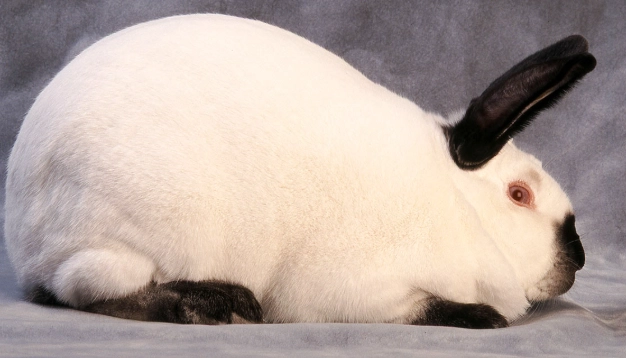
Water is Life: Always, always provide fresh water in a heavy ceramic bowl they can't tip over. A bottle can be a backup, but bowls allow for more natural, greater intake, which is vital for preventing urinary tract issues, something else larger rabbits need to watch for.
Grooming & Maintenance
That gorgeous white coat requires work. Californians are moderate shedders, but when they molt (usually a couple times a year), it's epic. You will be finding white fur in places you didn't know existed. Weekly brushing with a slicker brush or a fur-minimizing glove is a must. During a molt, you might need to brush daily to prevent them from ingesting too much fur, which can cause life-threatening gastrointestinal stasis.
Check their nails every month. Large rabbits have large nails that can snag and break painfully if left too long. Many owners learn to trim them at home with proper rabbit clippers, or you can have a vet or groomer do it. Also, make checking their bottom a weekly habit. Larger rabbits, especially as they age, can sometimes have trouble keeping themselves perfectly clean, leading to "poopy butt," which needs to be gently cleaned to prevent flystrike.
Exercise & Enrichment
A bored rabbit is a destructive rabbit, and a large bored rabbit can do real damage. They need several hours of supervised time outside their enclosure every day to run, jump, and explore. This is non-negotiable for their physical and mental health.
Provide enrichment: cardboard castles to destroy, untreated wood blocks to chew, tunnels to run through, puzzle feeders that make them work for their pellets. Rotate toys to keep things interesting. A Californian might not be as hyper as some breeds, but they still have a brain that needs stimulation.
Common Health Issues in Californian Rabbits
No breed is immune to health problems, but being a large, commercially-developed breed, Californians have a generally robust constitution. However, there are a few things to watch for. The House Rabbit Society's vet list is an essential resource to find a rabbit-savvy vet before you have an emergency.
- Gastrointestinal (GI) Stasis: The number one killer of pet rabbits. It's when the gut slows down or stops. Signs include not eating, not pooping, and lethargy. This is a dire emergency requiring immediate vet care. Prevention is key: unlimited hay, plenty of water, exercise, and minimal stress.
- Sore Hocks (Pododermatitis): As mentioned, their large weight on wire or hard, abrasive surfaces can cause painful sores on the bottom of their feet. Provide soft, solid flooring with plenty of cushioning (like fleece blankets over mats).
- Dental Issues: Like all rabbits, their teeth grow continuously. A diet poor in hay can lead to overgrowth, malocclusion, and painful spikes. Unlimited hay is the best preventative.
- Obesity: A huge risk. An overweight rabbit is at higher risk for almost everything else, including sore hocks, heart disease, and liver problems. Monitor their weight and body condition – you should be able to feel their ribs with a slight fat covering.
- Uterine Cancer (in unspayed females): The risk for does is extremely high, up to 80% by age 5. Spaying your female Californian is not optional; it is a life-saving procedure. Males should also be neutered to curb hormonal behaviors and prevent testicular cancer.
Finding a breeder who prioritizes health and temperament over just winning shows is crucial. Ask about the health history of the parents. A good breeder will be asking you just as many questions as you ask them.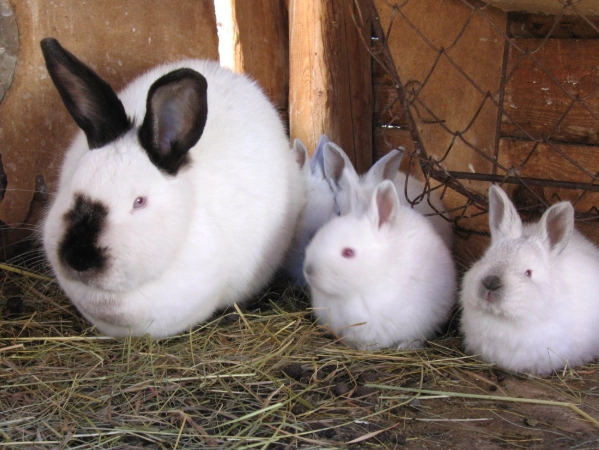
Californian vs. Other Popular Large Rabbit Breeds
How does the Californian rabbit breed stack up against other popular large rabbit breeds? This table might help if you're deciding between a few options.
| Breed | Average Size | Key Personality Traits | Coat & Grooming Needs | Best For... |
|---|---|---|---|---|
| Californian | 8 - 10.5 lbs | Calm, docile, gentle, often patient. | Short, white with points. Moderate shedding, needs regular brushing. | Families with calm older children, first-time large rabbit owners, those who love the pointed pattern. |
| New Zealand (White, Red, Black) | 9 - 12 lbs | Often very docile and friendly, known as "easy-going." Similar to Californian in temperament. | Short, rollback coat. Low maintenance grooming. | Very similar to Californian in many ways; often a choice based on color preference (solid vs pointed). |
| Flemish Giant | 13+ lbs (can exceed 20) | Often called "gentle" but can be more varied; some are very laid-back, others more energetic. Requires immense confidence from owner. | Short but dense coat. Moderate grooming. | Experienced rabbit owners with massive amounts of space and budget for food/vet care. |
| French Lop | 10+ lbs | Typically extremely laid-back, even lazy. Known for being "couch potatoes." | Short, dense coat. Moderate grooming. Requires ear cleaning due to lop shape. | Someone who wants a super-chill, less active companion. Watch for dental issues common in lops. |
See, the Californian rabbit fits nicely in that sweet spot. They're large and impressive but not overwhelmingly giant like a Flemish. They're calm but not always as sedentary as a French Lop can be. They're a fantastic, classic choice in the world of large rabbit breeds.
Frequently Asked Questions About Californian Rabbits
Let's tackle some of the specific questions I see popping up all the time online and from people visiting rabbit shelters.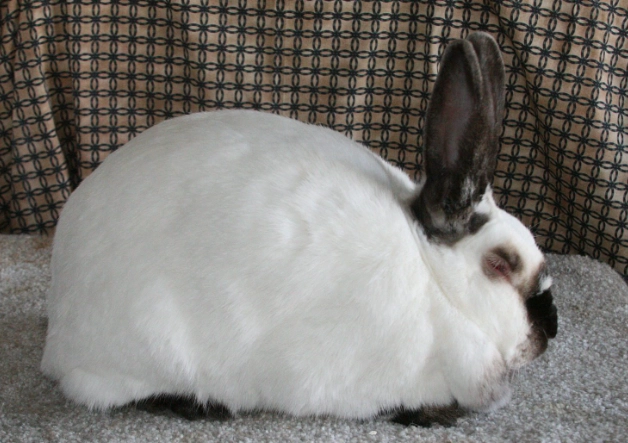
They can be, with a major caveat. Their generally calm temperament is a plus for a novice. However, their large size means everything is amplified: space needs, food costs, potential health issue severity (like sore hocks), and the strength needed to handle them properly. A first-timer must be 100% committed to learning proper Californian rabbit care and providing that substantial space. If you're a diligent researcher, yes. If you're looking for an easy, low-maintenance pet, any rabbit is likely a wrong choice.
This is so individual. Their calm nature means they often tolerate being held better than a flighty breed. But "like" is a different story. Most rabbits, regardless of breed, are ground animals and prefer interaction on their level – sitting next to you, getting pets on the floor. Some Californians become true lap rabbits, but many are more "companionable" than "cuddly." Never force it. Build trust and let them come to you.
More than a small rabbit. Budget for:
- Hay: $30-$50 (they go through a lot!).
- Pellets & Greens: $20-$30.
- Litter (paper-based): $15-$25.
- Annual Vet Fund: Setting aside $40-$50/month is smart for check-ups and emergencies. The initial setup (pen, hideouts, bowls, carrier) can easily be $200-$400. And don't forget spay/neuter, which can be $300-$600.
Ah, the magic of the Himalayan gene! The dark points on a Californian are temperature-sensitive. Cooler areas of the body develop darker fur. That's why the extremities (ears, nose, feet, tail) are dark. If you live in a very warm climate, the points might be lighter. If your rabbit has an injury or you shave a spot, the new fur might grow in dark because the skin temperature is cooler. It's a fascinating trait they inherited from their Himalayan ancestors. The official breed standard, maintained by the American Rabbit Breeders Association (ARBA), calls for as dark and even points as possible.
With extreme caution. They should never be housed with guinea pigs (different dietary needs, risk of disease transmission). Introductions to calm, rabbit-savvy cats or dogs can sometimes work under strict, controlled supervision, but the rabbit must always have a safe retreat where the other pet cannot go. The rabbit's safety is the absolute priority. Many rabbits are happiest as a bonded pair with another neutered/spayed rabbit. A bonded friend is often the best "other pet" for them.
Final Thoughts: Is the Californian Rabbit Right for You?
Look, the Californian rabbit breed is stunning. There's no denying that. They have a regal, striking presence. But choosing a pet based on looks is a recipe for disappointment.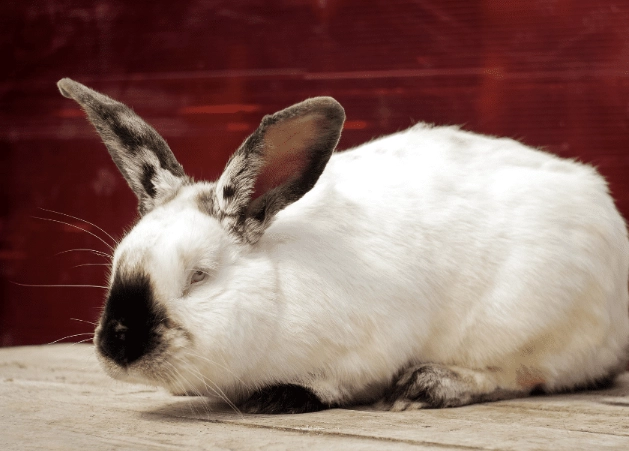
You need to be honest with yourself. Do you have the physical space—not just a corner, but a legitimate chunk of a room—for a proper enclosure and daily exercise? Is your budget ready for the higher ongoing costs of food and litter? Are you prepared for the grooming, especially during those intense molts? Are you looking for a calm, grounding presence rather than a tiny, energetic acrobat?
If you answered yes, then a Californian could be an incredibly rewarding companion.
My biggest piece of advice? Don't rush. Check out Petfinder or your local rabbit rescue. You'd be surprised how many purebred Californian rabbits end up in shelters after someone was unprepared for their needs. Rescue is a wonderful option. If you go the breeder route, do your homework. Visit, ask tough questions about health and temperament, and see how the animals are kept.
Bringing any rabbit home is a long-term commitment. But bringing a large, beautiful character like the Californian into your life? That's a decision that will shape your days for years. Make sure it's the right shape for both of you.
Reader Comments