When most people hear "New Zealand rabbit," they picture a white rabbit in a laboratory or perhaps imagine livestock. That's only part of the story. I've raised and kept these rabbits for over a decade, and the most common misconception is that they're a single-purpose breed. The truth is, the New Zealand rabbit is a remarkably versatile animal, equally at home as a productive homestead resource, a show animal, and even a gentle, large-sized family pet. Their story begins not in New Zealand, but in America, bred for a very specific purpose that shaped everything about them.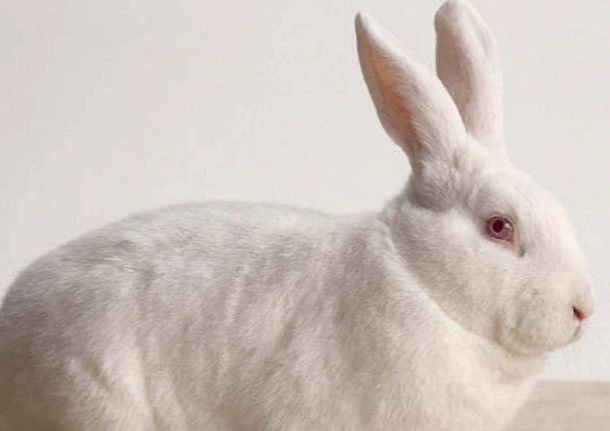
Your Quick Guide to All Things New Zealand Rabbit
What Exactly is a New Zealand Rabbit?
Let's clear up the geography first. Despite the name, the New Zealand rabbit was developed in the United States around 1910. Breeders crossed Belgian Hares, Flemish Giants, and possibly other breeds to create what they needed: a fast-growing rabbit with a good meat-to-bone ratio and a pelt that could be easily dyed for the fur trade. The "New Zealand" name was likely a marketing tactic, capitalizing on the exotic appeal of the Southern Hemisphere at the time.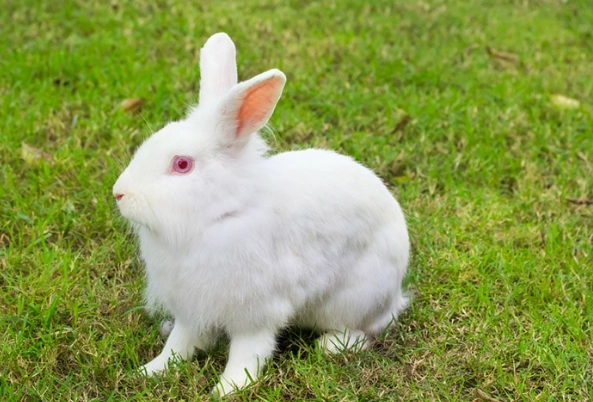
The breed was an instant success in the commercial world. Its efficiency set a new standard. The American Rabbit Breeders Association (ARBA) recognizes four colors: White, Red, Black, and Broken (a pattern of white with another color). The White is by far the most common, especially in laboratories and large-scale meat operations, because its albino characteristics (red eyes, pure white fur) make it ideal for controlled studies.
A Quick Breed Snapshot
Size: Large. Ideal weight is 9-12 pounds, with bucks (males) sometimes slightly smaller.
Body Type: "Mandolin" shape—full, rounded hindquarters that taper towards the shoulders.
Temperament: Generally docile, calm, and tolerant. This is a key reason they're used in labs and can make good pets.
Lifespan: 5-8 years with proper care, which is standard for a rabbit of this size.
I have a soft spot for the Red and Black varieties. While the Whites get all the attention, the colored New Zealands often have a slightly different personality—in my experience, a bit more curious and engaged. Their rich, solid coats are stunning when well-groomed.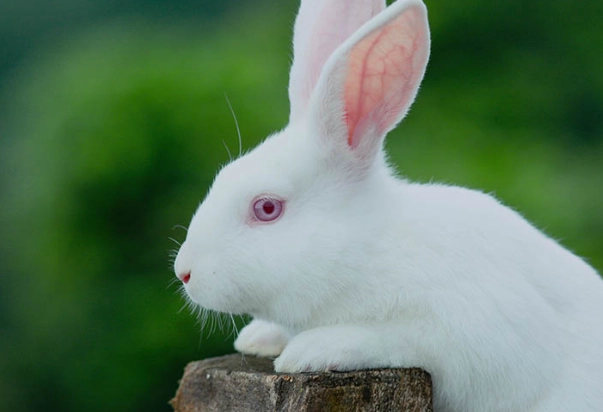
The Commercial Powerhouse: Raising New Zealand Rabbits for Meat and More
This is where the breed truly shines. If you're considering rabbits for homestead meat production, New Zealands (often crossed with Californians for better fryer conformation) are the industry standard for good reason.
Their growth rate is exceptional. A well-bred kit can reach a 5-pound market weight in 8-10 weeks. That feed-to-meat conversion ratio is hard to beat by any other small livestock. But here's a nuance many beginners miss: achieving that rate depends heavily on the quality of the breeding stock and precise nutrition. A pet-store rabbit sold as a "New Zealand mix" likely won't perform the same as one from a breeder who selects for growth and maternal traits.
Setting Up a Small-Scale Operation: Costs and Considerations
Let's get practical. You're not building a commercial shed, but you need a functional setup. The biggest upfront cost is housing. You need sturdy, all-wire cages (14 gauge at least) that are at least 30" x 36" for a doe with a litter. Don't skimp here; flimsy cages are a safety hazard for these strong animals.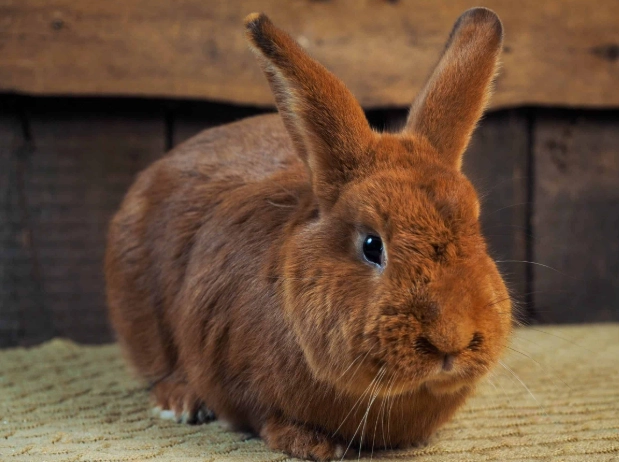
| Item | Estimated Cost (USD) | Notes |
|---|---|---|
| Quality Breeding Trio (1 buck, 2 does) | $75 - $150+ | Price varies by lineage, color, and breeder reputation. |
| All-Wire Cage (each) | $50 - $100 | DIY can be cheaper, but buy good wire. |
| Feeders & Water Systems (automatic) | $20 - $50 per cage | J-feeders and nipple waterers save labor. |
| Monthly Feed per Doe | $5 - $8 | High-quality 16-18% protein pellet, plus hay. |
| Nesting Box | $15 - $30 | Wood or metal. Essential for kindling. |
Feed is your main ongoing expense. A common pitfall I see is over-reliance on pellets alone. Even for meat rabbits, timothy or grass hay should make up 70% of their adult diet when they're not breeding or growing. It's crucial for digestion and prevents obesity in your breeding stock. Pellets (a measured 1/4 to 1/2 cup daily for a non-breeding adult) are the supplement, not the main course.
The does are usually excellent mothers, known for large litters (8-10 kits is common). But they need a quiet, private nesting box filled with straw a few days before they're due. Interfere as little as possible.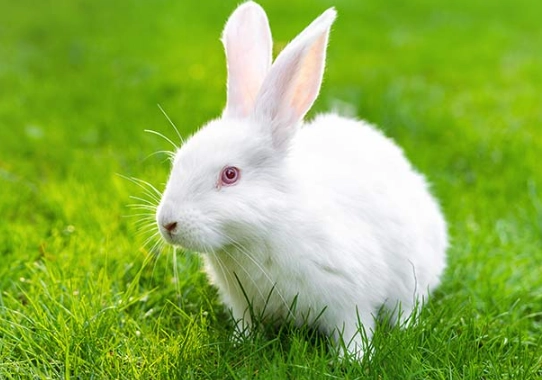
How to Care for a New Zealand Rabbit as a Pet?
Yes, these commercial giants can be pets, and wonderful ones. But you must respect their origins. Their size and energy needs are different from a Netherland Dwarf.
Housing is the first hurdle. A standard pet store cage is unacceptable. You need a large dog exercise pen (x-pen), a custom-built condo, or a fully rabbit-proofed room. The House Rabbit Society recommends at least 12 square feet of enclosed space, plus daily supervised time in a larger area. For a New Zealand, I'd push that to 16 square feet minimum. They need to stretch out, hop, and stand on their hind legs without hitting their head.
Diet is critical for weight management. The formula is simple but non-negotiable:
- Unlimited Grass Hay (Timothy, Orchard, Meadow): 80% of their diet. This files teeth and keeps gut moving.
- Measured Pellets: Just 1/4 cup per day for a 10lb rabbit. Use a plain, high-fiber timothy-based pellet, not an alfalfa-based mix.
- Fresh Greens: About 2 packed cups daily. Romaine, cilantro, kale, carrot tops. Introduce slowly.
- Treats: Sparingly. A blueberry or a small slice of apple, not sugary yogurt drops.
I learned the hard way with my first New Zealand pet, Bruno. I fed him like the breeding stock—more pellets, less hay. He became overweight and sluggish within a year. Correcting it took months of strict diet adjustment. It's a common story.
Handling and Socialization
Their generally placid nature is a plus. They often tolerate handling better than more skittish breeds. However, always support their powerful hind legs and full body. Never pick them up by the scruff. Socialization is key. Spend time sitting with them at their level, offering treats, and letting them come to you. They can form deep bonds but aren't always cuddly; they show affection by following you, nudging, or flopping down contentedly nearby.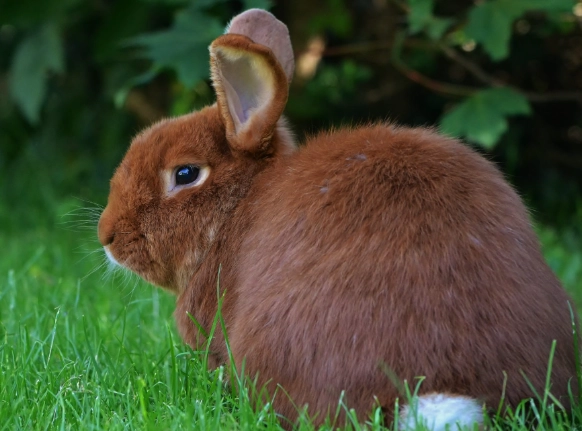
Common Health Issues and How to Spot Them
New Zealands are robust, but their size and genetics predispose them to specific issues. Being proactive is everything.
Gastrointestinal (GI) Stasis: The rabbit killer number one. It's when the gut slows or stops. Symptoms include small, misshapen poops or none at all, lethargy, and hunched posture. Prevention is hay, hay, and more hay. If you see signs, it's a vet emergency immediately.
Overgrown Teeth (Malocclusion): All rabbits' teeth grow constantly. If they don't wear down correctly from chewing hay, they become painful spikes. Watch for drooling, weight loss, or dropping food. A vet must trim them regularly.
Sore Hocks (Pododermatitis): Their large weight puts pressure on their feet. Wire-bottom cages without rest mats are a primary cause. Symptoms are hair loss and red, sore patches on the bottom of the back feet. Provide solid resting areas and clean, soft bedding.
Uterine Cancer in Unspayed Does: This is a big one. According to veterinary studies, the incidence in older unspayed does can be as high as 60-80%. Spaying at around 6 months old prevents this fatal cancer and also helps with hormonal behavior.
Find a rabbit-savvy vet before you have an emergency. Not all cat-and-dog vets are trained in rabbit medicine.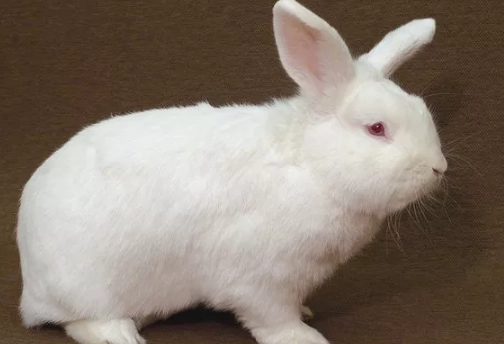
Your Questions Answered (FAQ)
Can a New Zealand rabbit live indoors as a house pet?
What's the biggest mistake new owners make with New Zealand rabbits?
Are New Zealand rabbits good for first-time rabbit owners?
How much does it cost to raise a New Zealand rabbit for meat?
Comment