Let's cut to the chase. Yes, rabbits can eat grapes. But that "yes" comes with more warnings and conditions than a software license agreement. As someone who's cared for rabbits for over a decade and watched well-meaning owners make subtle, dangerous mistakes, I'm here to give you the full picture—not just the easy answer.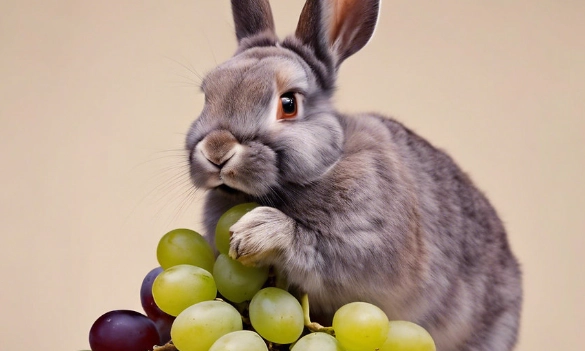
The real question isn't "can they," but "should they, and if so, how?" Grapes are a sugary treat, and a rabbit's digestive system is a finely tuned machine designed for low-sugar, high-fiber hay. One wrong move can throw that machine into a costly and dangerous stall. We're going to break down the risks, the proper serving size (it's smaller than you think), and what to do if things go wrong.
Quick Navigation: What You’ll Learn
The Real Problem Isn't Just Toxicity, It's Sugar
Most online guides will vaguely mention "potential toxicity," which stems from anecdotal reports in dogs and a lack of definitive studies in rabbits. The more immediate and proven danger for rabbits is simpler: sugar and the wrong gut bacteria.
A rabbit's cecum is a fermentation chamber full of bacteria that break down fiber. Introduce a sudden burst of simple sugars from a grape, and you risk promoting the growth of harmful bacteria like E. coli or Clostridium. This can lead to gas, pain, and the rabbit owner's nightmare: gastrointestinal (GI) stasis, where the gut slows down or stops completely.
Think of it this way. A single green seedless grape contains about 0.7 grams of sugar. For a 6-pound (2.7 kg) rabbit, that's like a human eating a full-sized candy bar in one go. It's a massive shock to their system.
A Common Mistake I See: Owners think, "One grape is so small, it can't hurt." They give one daily as a "little treat." Over weeks, this conditions the rabbit to prefer sweet foods, leading them to reject their critical hay diet. The result? A rabbit with dental problems, an unbalanced gut, and a high risk of obesity. The treat becomes a slow-acting poison.
The Seed and Pesticide Wild Card
Beyond sugar, there are physical risks. Grape seeds are a choking hazard and may contain trace compounds. Pesticide residue on the skin is another concern. While the House Rabbit Society notes that fruits can be offered in strict moderation, they emphasize that hay and greens are the dietary cornerstones. The Merck Veterinary Manual doesn't list grapes as a primary toxin for rabbits but stresses the importance of a high-fiber, low-carbohydrate diet to prevent digestive diseases.
How to Serve Grapes (If You Must): A Step-by-Step Guide
If you've weighed the risks and decided to offer a tiny taste, here's the only safe protocol. Treat this like a science experiment, not a regular snack.
- Choose Your Grape: Pick one single, seedless grape. Organic is best to minimize pesticides. Red or green doesn't matter much; sugar content is similar.
- Wash and Prepare: Wash it thoroughly under cold water. Cut it into at least four quarters, or even smaller pieces for dwarf breeds. This prevents choking and makes the sugar hit less intense.
- Introduce Slowly: Offer one small piece. This is a tasting, not a feeding. Monitor your rabbit for the next 24 hours.
- Observe Rigorously: Check their poop. Are pellets normal in size, amount, and consistency? Is their appetite for hay and water unchanged? Any signs of soft stool or lethargy mean grapes are off the menu for good.
- Limit with an Iron Fist: If no issues arise, you could offer one quarter of a grape, no more than once every 7-14 days. I'm serious about this interval. Mark it on a calendar.
| Rabbit Size | Maximum Grape Serving (Seedless) | Maximum Frequency |
|---|---|---|
| Dwarf (under 3 lbs) | 1/8 of a grape (a tiny nibble) | Once a month, if at all |
| Standard (5-8 lbs) | 1/4 of a grape | Once every 10-14 days |
| Large/Giant (9+ lbs) | 1/2 of a grape | Once a week, absolute max |
Safer, Healthier Treat Alternatives to Grapes
Honestly, you're better off skipping grapes entirely. The risk-reward ratio is poor. Rabbits don't crave sweets until we give them sweets. Their true "treats" are flavorful herbs and crunchy veggies. Here are my top recommendations, which I use for training and bonding:
The Herb Bundle: A sprig of fresh cilantro, a small basil leaf, or a bit of dill. These are packed with flavor and have beneficial properties, without the sugar bomb.
The Crunchy Veggie Stick: A 1-inch piece of bell pepper (any color, seeds removed), a small broccoli floret, or a raspberry leaf (which is actually great for their digestion).
The "Fruity" Illusion: If you want to give a fruit-like treat, use a single blueberry or a thin slice of apple (core and seeds removed). These are still sugary, but slightly lower in sugar than grapes, and one blueberry is a much more appropriate portion size.
Pro Tip: The best "treat" isn't food at all. For many rabbits, a head scratch, a new cardboard box to destroy, or a session of clicker training is more rewarding and engaging than any piece of fruit. It strengthens your bond without compromising their health.
Emergency Signs: When to Call the Vet Immediately
Rabbits are prey animals. They hide weakness. You must be a detective. If your rabbit eats a grape (especially a whole one or one with seeds) and shows any of these signs, don't wait. Call your exotic vet.
- No Fecal Pellets: Check the litter box. A 12-hour period with no poops is a major red flag.
- Smaller, Misshapen, or Fewer Pellets: This is often the first sign of gut slowdown.
- Loss of Appetite: Ignoring their favorite hay or greens.
- Lethargy/Hunched Posture: Sitting still, pressed into a corner, looking "puffed up." This indicates pain.
- Loud Gut Sounds or Complete Silence: Gurgling or, conversely, a silent belly when you press your ear to it.
Time is critical with GI stasis. Having a vet who specializes in exotic pets is not a luxury; it's a necessity for any rabbit owner. Keep their number saved.
Your Top Grape & Rabbit Questions Answered
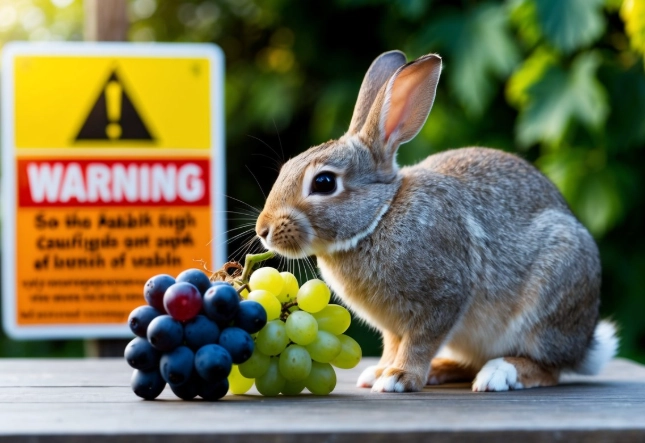
So, can rabbits eat grapes? Technically, yes. But the better question to ask yourself is: does the minimal pleasure my bunny might get from this tiny, sugary fruit outweigh the very real risks to their delicate digestive health? In my ten years of experience, the answer is almost always no. There are so many safer, healthier ways to show your rabbit you love them. Stick to those, and you'll both be happier for it.
Comment