Let's be honest, those pictures of tiny, fluffy dwarf rabbits are basically irresistible. They look like perfect little pets that fit in your palm. I get it, I was there too. But after years of sharing my home with a grumpy Netherland Dwarf named Pepper and a much more laid-back Mini Lop, I've learned there's a massive gap between the Instagram fantasy and the day-to-day reality. These aren't just decorations; they're complex, sensitive little creatures with very specific needs.
This guide isn't going to sugarcoat it. We'll dive into everything—the good, the bad, the surprisingly expensive, and the incredibly rewarding. Whether you're just browsing or have already fallen for a pair of twitching whiskers, this is the info you need before you bring one home.
What's Inside This Guide
- What Exactly Is a Dwarf Rabbit, Anyway?
- The Lifespan Question: How Long Do Dwarf Rabbits Really Live?
- Setting Up Your Home: It's More Than Just a Cage
- The Daily Grind: Diet, Health, and Spotting Trouble
- Behavior and Bonding: You're Not Getting a Cuddly Toy
- Final Thoughts: Is a Dwarf Rabbit Right for You?
What Exactly Is a Dwarf Rabbit, Anyway?
First things first, "dwarf rabbit" isn't one specific breed. It's more of a category for several small rabbit breeds that have a specific dwarf gene. This gene is what keeps them petite, usually under 4 pounds (about 1.8 kg) when fully grown. But here's the catch—that same gene can sometimes come with health complications, which we'll get into later. The most popular dwarf rabbit breeds you'll encounter are pretty distinct from each other.
Meet the Most Common Dwarf Rabbit Breeds
Picking a dwarf rabbit isn't just about color. Their breed heavily influences their personality and care needs. I made the mistake of not researching this enough with my first one.
| Breed | Average Weight | Key Personality Traits | Good For First-Time Owners? |
|---|---|---|---|
| Netherland Dwarf | 1.1 - 2.5 lbs (0.5 - 1.1 kg) | Often energetic, can be shy or nervous, known for a bold, round "baby" face. | Proceed with caution. Their skittishness can be challenging. |
| Holland Lop | 2 - 4 lbs (0.9 - 1.8 kg) | Typically docile, friendly, and relaxed. Those floppy ears are a huge charm point. | Yes, generally. One of the most recommended for beginners. |
| Mini Rex | 3 - 4.5 lbs (1.4 - 2 kg) | Curious and playful, famous for their incredibly plush, velvety fur. | Yes, but they need more space to play due to high energy. |
| Dwarf Hotot | 2.5 - 3.5 lbs (1.1 - 1.6 kg) | Usually playful and inquisitive, with a striking "eyeliner" look. | Moderate. They can be strong-willed. |
| Britannia Petite | 1.5 - 2.5 lbs (0.7 - 1.1 kg) | Very active and alert, known for an arched body shape. Can be high-strung. | Not usually. Best for experienced rabbit owners. |
See what I mean? A Holland Lop and a Netherland Dwarf could be worlds apart in temperament. My Netherland Dwarf, Pepper, took six months to stop bolting every time I walked into the room. My friend's Holland Lop was begging for head scratches on day two. It makes a difference.
The Lifespan Question: How Long Do Dwarf Rabbits Really Live?
This is a big one. A lot of folks think small pets have short lives. That's a dangerous misconception. With proper care, a dwarf rabbit lifespan can be 7 to 10 years, sometimes even longer. A decade is a serious commitment—longer than many dogs. I've met rabbits well into their teens at my local rabbit rescue.
What shortens a dwarf rabbit's life? Mostly preventable stuff. A poor diet (those awful colorful muesli mixes you see at pet stores are terrible), lack of exercise, stress from being alone, and, most critically, skipping vet care. Rabbits are prey animals and hide illness incredibly well. By the time they look sick, it's often an emergency.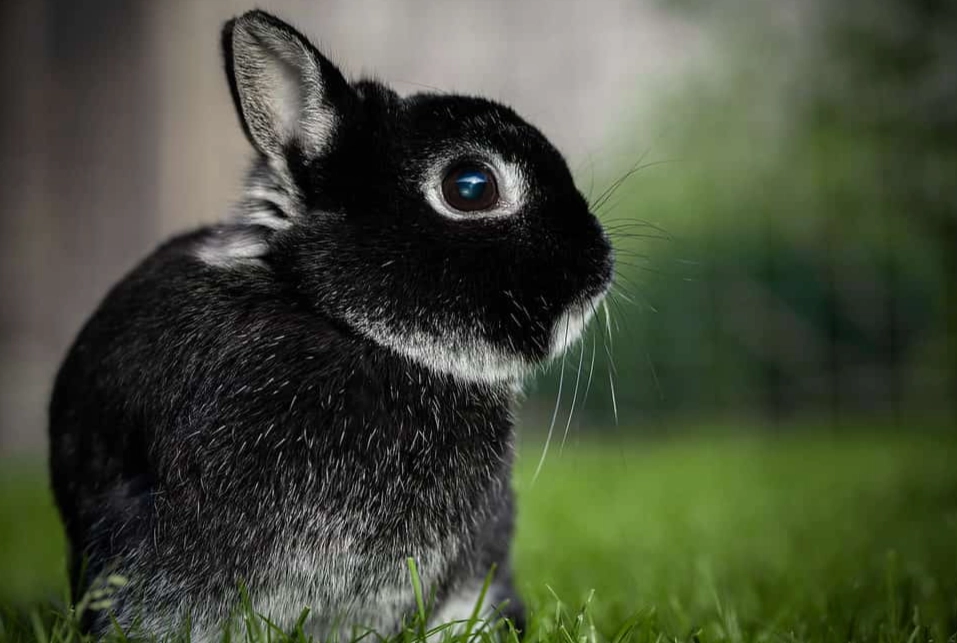
Setting Up Your Home: It's More Than Just a Cage
The biggest mistake new owners make is thinking a small cage is enough. It's not. Rabbits need space to run, jump, and binky (that joyful mid-air twist they do). Confining a dwarf rabbit to a tiny hutch is a recipe for an obese, depressed, and destructive pet.
The Essential Shopping List (The Real Cost)
Forget the $50 starter kit. Here's what you actually need to budget for:
- Primary Enclosure (X-Pen or Large Cage): Minimum 4ft x 4ft area, but bigger is always better. An exercise pen (x-pen) is often cheaper and more flexible than a cage.
- Litter Box: A large cat-sized corner box. Yes, you can litter train them! Use paper-based or aspen pellet litter. Never use clumping cat litter or cedar shavings—they're toxic.
- Hidey House: A must-have. A simple cardboard box with two exits works perfectly. They need a safe place to retreat.
- Food & Water Bowls: Heavy ceramic bowls that can't be tipped over. Ditch the water bottle; a bowl lets them drink more naturally.
- Endless Hay: This is 80-90% of their diet. You'll need a large hay rack that they can pull from easily. Timothy hay is standard for adults.
- Chew Toys: Cardboard, applewood sticks, willow balls. Their teeth never stop growing, and your baseboards will suffer if you don't provide alternatives.
And then there's the vet fund. You need a vet who specializes in exotics, not just a cat-and-dog vet. A basic check-up can cost $80-$120, and emergencies (like GI stasis, which is common) can easily run into the hundreds. Having a savings fund or pet insurance isn't a luxury; it's part of responsible ownership.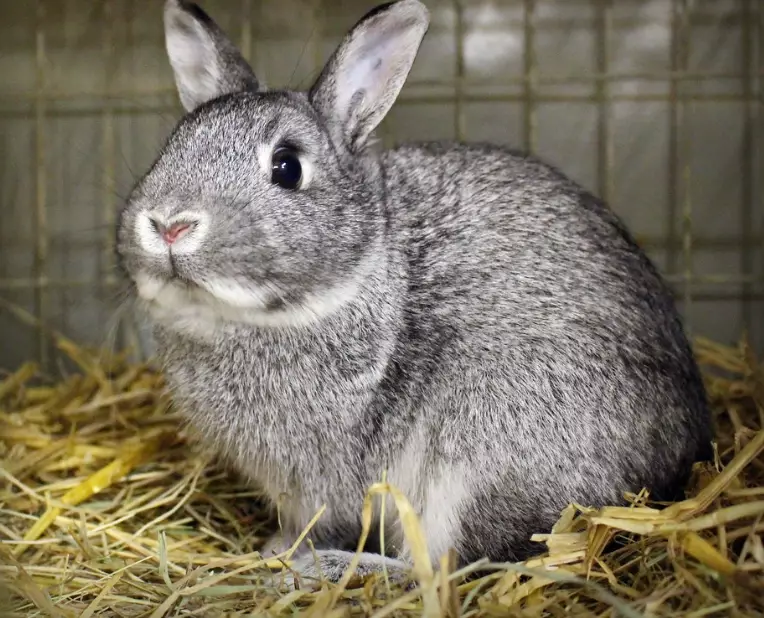
The Daily Grind: Diet, Health, and Spotting Trouble
Okay, the home is set up. Now, what do you actually do every day?
The Perfect Dwarf Rabbit Diet (Hint: It's Simple)
Forget the colorful pellets with seeds and corn. A proper diet is straightforward but non-negotiable.
- Unlimited Grass Hay: Timothy, Orchard, or Meadow hay. It should always be fresh, green, and smell sweet. This keeps their gut moving and teeth worn down.
- Fresh Leafy Greens: About 1 packed cup per 2 lbs of body weight daily. Romaine, cilantro, kale, spring greens, carrot tops. Introduce new greens slowly to avoid upset.
- Limited Pellets: Just 1/4 cup of plain, high-fiber timothy-based pellets per day for a typical dwarf rabbit. Pellets are not the main food!
- Treats: A tiny piece of fruit (like a blueberry or apple slice) or a carrot sliver once in a while. Too much sugar causes obesity and dental issues.
Common Dwarf Rabbit Health Problems to Watch For
Their small size and genetics make them prone to certain issues. Knowing the signs can save their life.
GI Stasis: The number one killer. Their digestive system slows or stops. Signs: no poop for 12 hours, lethargy, hunched posture, loss of appetite. This is a same-day vet emergency.
Dental Problems: Those ever-growing teeth can misalign (malocclusion), especially in dwarfs. Signs: drooling, dropping food, weight loss, not eating hay. They need regular dental check-ups.
Respiratory Infections (Snuffles): Sneezing, runny nose or eyes, matted fur on front paws from wiping. Needs antibiotics from a vet.
Urinary Tract Issues: Difficulty urinating, bloody urine, straining. Requires immediate vet attention.
For the most current and detailed health information, I always cross-reference with the House Rabbit Society, a fantastic non-profit resource. Their medical guides are a lifesaver. I also keep the number for the Association of Exotic Mammal Veterinarians (AEMV) vet locator bookmarked. Finding a good vet before you have an emergency is crucial.
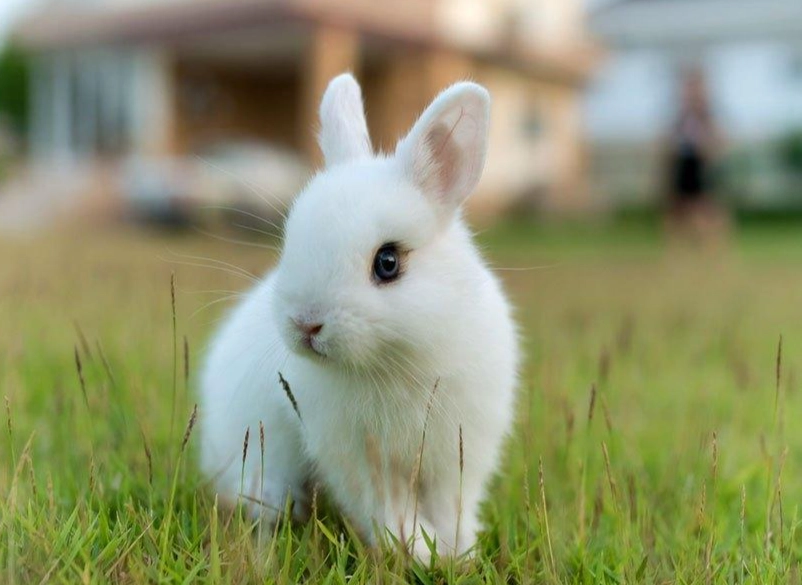 A quiet rabbit is often a sick rabbit. Pay attention.
Behavior and Bonding: You're Not Getting a Cuddly Toy
This might disappoint some people, but most rabbits don't enjoy being cuddled and carried like a doll. They are ground-loving animals that feel threatened when their feet leave the floor. Bonding is on their terms.
The key? Get down on their level. Sit quietly in their play area with some greens. Let them come to you. Nudge your hand with their head? That's a request for petting, usually on the forehead and cheeks. A happy rabbit will grind its teeth softly (purring), flop over dramatically, or run and jump with joy.
And please, consider getting two. Rabbits are profoundly social. A bonded pair keeps each other company, groom each other, and are generally happier. Adopting a already-bonded pair from a rescue is a wonderful option. The House Rabbit Society's bonding guide is the bible if you're introducing rabbits.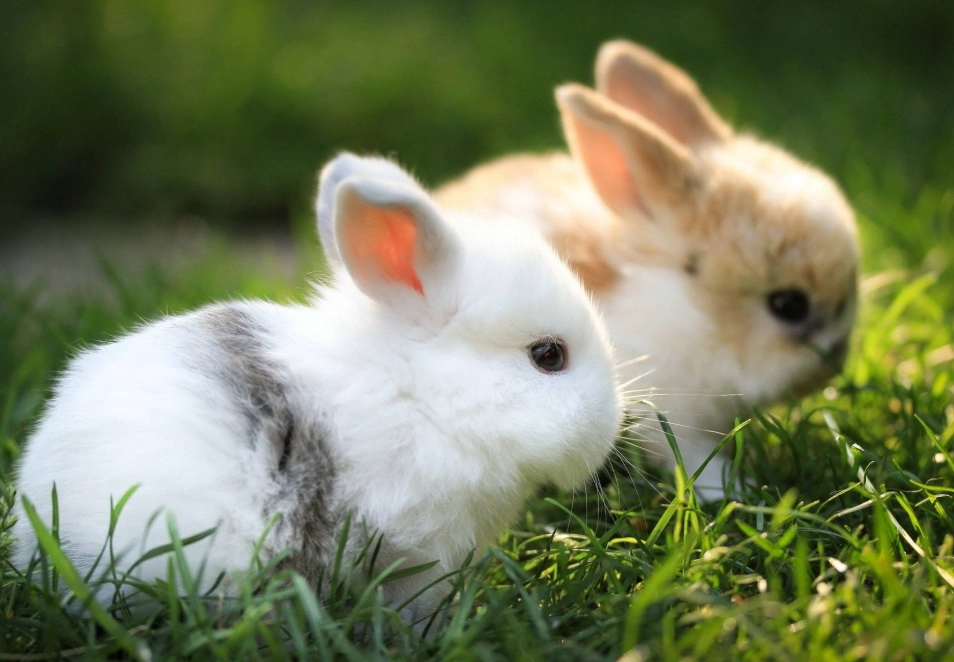
Your Top Dwarf Rabbit Questions, Answered
Final Thoughts: Is a Dwarf Rabbit Right for You?
Look, I love my dwarf rabbits. The sight of Pepper finally flopping over in complete trust after months of work was one of the most rewarding moments I've had with a pet. But they are not low-maintenance. They are a long-term, often expensive, and sometimes frustrating commitment that requires patience.
If you want a pet that's interactive, quiet, clean (once litter-trained), and full of quirky personality, a dwarf rabbit could be perfect. If you want a pet that's cheap to set up, cuddly on demand, and requires minimal vet care, you might want to look elsewhere.
My strongest advice? Skip the pet store. Visit a local rabbit rescue or shelter. You can meet adult rabbits whose personalities are already known, often they're already spayed/neutered and litter-trained, and you're giving a second chance to a wonderful animal. Talk to the volunteers—they'll give you the unvarnished truth.
Do your homework, prepare your home and your wallet, and if you take the leap, you might just find yourself utterly charmed by these tiny, big-personality creatures for years to come.
Comment