Quick Navigation
- What Exactly Is a Dutch Rabbit? A Breed Deep Dive
- The Heart of the Matter: Dutch Rabbit Personality and Temperament
- The Complete Dutch Rabbit Care Guide: From Housing to Health
- Finding Your Dutch Rabbit: Breeder, Rescue, or Store?
- Answering Your Burning Questions (FAQs)
- The Final Hop: Is a Dutch Rabbit Right for You?
You know that rabbit. The one that looks like it's wearing a perfectly fitted tuxedo or a little saddle. The one with the striking white blaze on its face and the contrasting body colors that seem almost painted on. That's the Dutch rabbit, and if you're here, you're probably wondering if this living piece of art is the right pet for you. I remember the first time I saw one at a local 4-H show as a kid. I thought it was a toy someone had placed in the cage. The markings were just that precise. But let's get past the looks, because owning a Dutch rabbit is about so much more than their iconic appearance.
I've talked to breeders, rescued a few over the years, and spent countless hours just observing them. What I've learned is that the Dutch rabbit personality is a fascinating mix. They're often touted as the perfect beginner rabbit, and while there's some truth to that, it's a bit of an oversimplification. They can be wonderfully friendly and calm, but don't be surprised if you get one with a stubborn streak or a surprisingly playful side. It's this complexity that makes them so interesting to live with.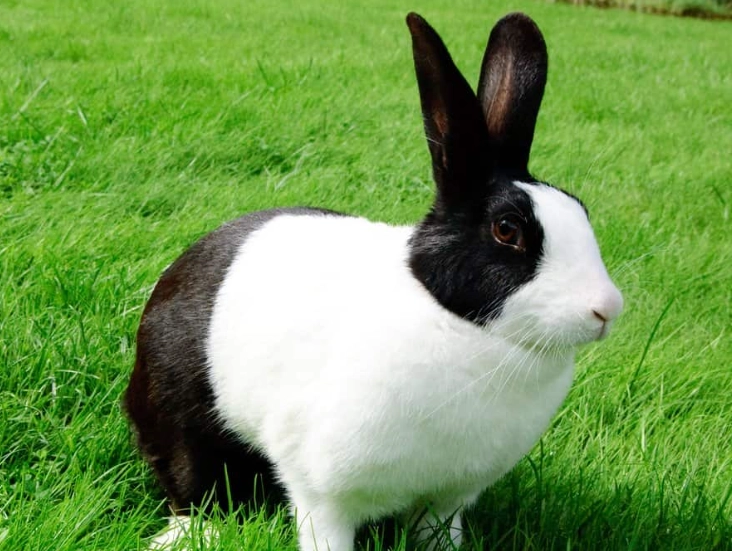
What Exactly Is a Dutch Rabbit? A Breed Deep Dive
Okay, so let's start with the basics. The Dutch rabbit is one of the oldest and most easily recognizable rabbit breeds in the world. Its origins are a bit murky, but most historians point to the Netherlands (hence the name) or England in the mid-19th century. They were initially developed as a meat and fur breed, but those impeccable markings quickly made them a favorite in the show ring. The American Rabbit Breeders Association (ARBA) officially recognizes them, and you can find their detailed breed standard on the ARBA website, which is the absolute authority on such things.
The most defining feature? The pattern. It's not just random. A proper Dutch rabbit has a very specific set of markings that breeders strive for:
- The Blaze: A wedge of white running up the face, centered between the eyes and ears. It should be even and clean.
- The Saddle: This is the colored section on the back. It should start just behind the shoulders and run smoothly to the tail.
- The Cheek Patches: Two circles of color on each side of the face, behind the eyes. They should be symmetrical.
- The Neck Band: The white fur that forms a "collar" around the neck, separating the head color from the saddle. It should be clean and continuous.
- The Undercutting: The line where the white on the hind legs meets the colored saddle should be as straight as possible.
Getting this pattern perfect is the holy grail for show breeders. For a pet owner, slight deviations are normal and honestly, part of the charm. My friend's Dutch, for instance, has a cheek patch that's slightly smudged. It gives him character.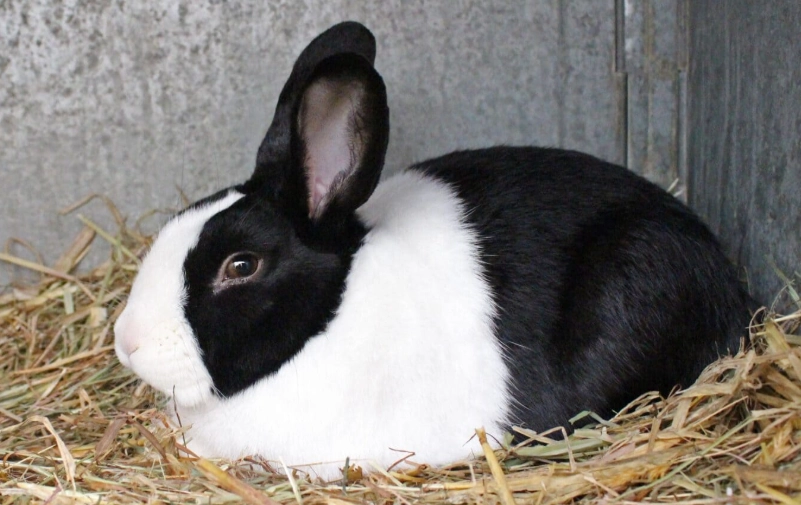
The Colors You'll Fall In Love With
When people think "Dutch rabbit," they often picture the classic black and white. But there's a whole palette out there. The ARBA recognizes several color varieties, each with its own appeal.
| Color Variety | Description | Popularity Note |
|---|---|---|
| Black | The classic. Deep, jet-black saddle and markings against pure white. Timeless and striking. | This is the most common and widely available color. |
| Blue | A soft, slate-gray color. It has a more subdued, elegant look compared to the bold black. | Quite popular among fanciers for its unique tone. |
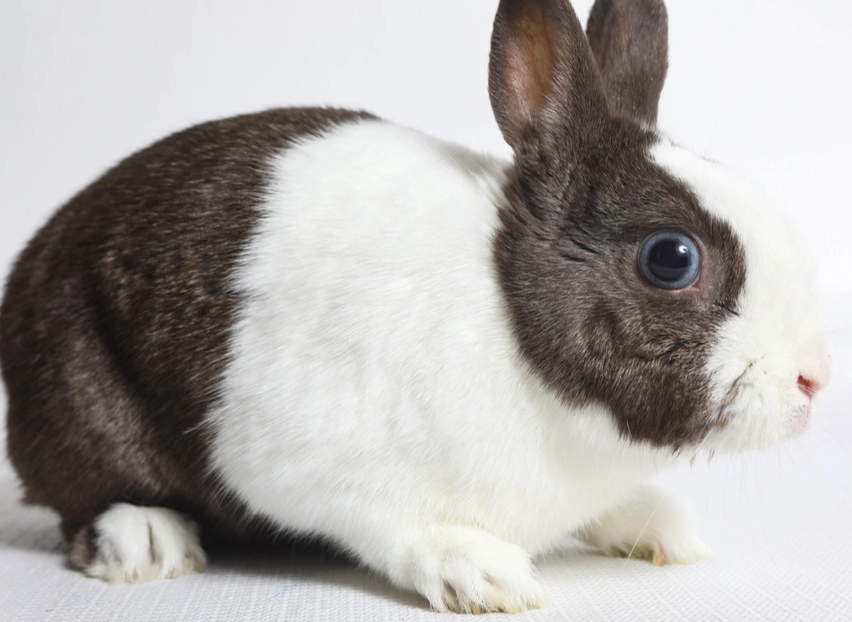
| Chocolate | A rich, medium-brown color. Looks like milk chocolate and is incredibly warm and cute. | Less common than black, but highly sought after. |
| Gray | Sometimes called "steel grey," it's an agouti-based color with banding on the hairs. | A traditional color that's less flashy but very natural-looking. |
| Tortoise | A blend of orange and black hairs, creating a brindled, tortoiseshell effect. Only in does (females). | A rare and beautiful variety. Much harder to find. |
Size-wise, Dutch rabbits are considered a small to medium breed. The ideal weight, according to the standard, is between 3.5 and 5.5 pounds. That's a great size—big enough to feel substantial and not too fragile, but small enough to handle comfortably and not require a massive living space.
The Heart of the Matter: Dutch Rabbit Personality and Temperament
This is where it gets real. You're not buying a painting; you're inviting a living creature into your home for potentially a decade. So, what's the typical Dutch rabbit personality like?
Generally, they have an excellent reputation. They're known for being docile, good-natured, and adaptable. This is a big reason why they're often recommended for first-time rabbit owners, families with calm children (under supervision, always!), and as therapy animals. They tend to be less high-strung than some of the smaller dwarf breeds and less demanding than some of the giant breeds.
But.
I need to be honest here. "Docile" can sometimes be misinterpreted as "boring" or "lazy," and that's not fair to them. A well-socialized Dutch rabbit is often curious and playful. They enjoy exploring new spaces, tossing toys around, and can learn tricks for treats. I've seen one who was obsessed with pushing a little ball through a makeshift tunnel. They have minds of their own.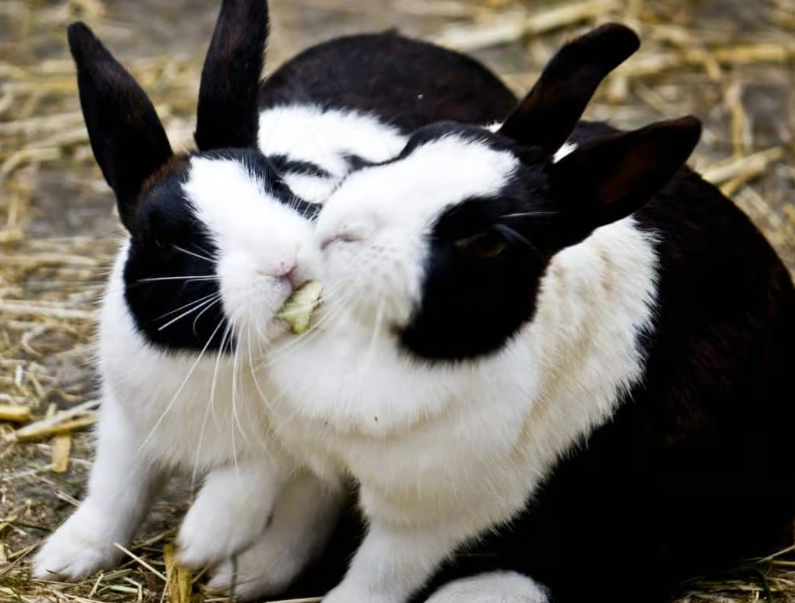
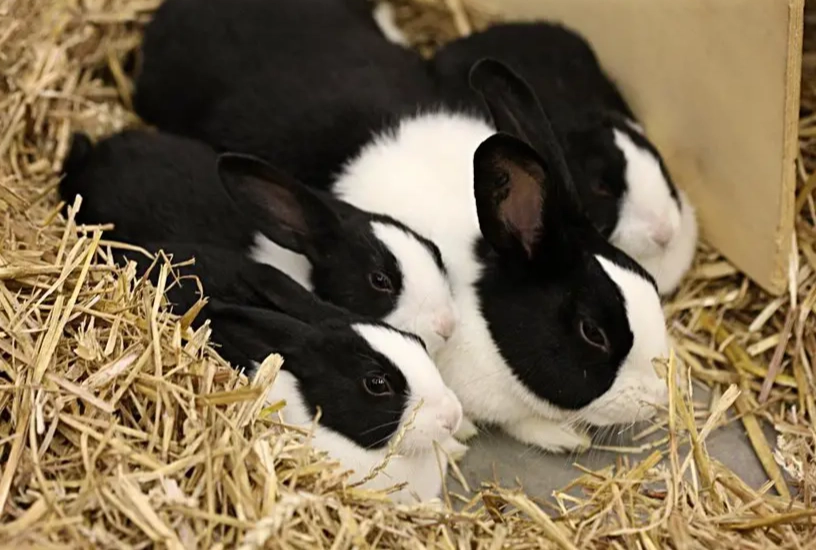
Their temperament is also heavily influenced by how they're raised. A Dutch rabbit baby (called a kit) that's been handled gently and frequently from a young age by a responsible breeder is much more likely to grow into a confident, friendly adult. One that's been ignored or housed in poor conditions may be skittish, regardless of its breed. This is why sourcing is so important, which we'll get to later.
So, are Dutch rabbits affectionate? They can be, but on their own terms. They're not typically "lap rabbits" who will sit still for hours of cuddling. Their affection is shown through nudging your hand for pets, circling your feet (a sign of excitement and sometimes courtship behavior), relaxing and flopping over next to you, or gently grooming you. That last one—when they lick your hand or clothes—is the ultimate rabbit compliment. It means they consider you part of their family.
The Complete Dutch Rabbit Care Guide: From Housing to Health
Alright, let's roll up our sleeves. You've decided a Dutch rabbit could be a good fit. Now, what do they actually need to thrive? Proper care is non-negotiable and is the biggest factor in their health and happiness.
Setting Up the Perfect Home (It's Not Just a Cage)
The biggest mistake new owners make is thinking a small cage from the pet store is sufficient. It's not. Rabbits need space to run, hop, stand up on their hind legs, and play. A Dutch rabbit's home should be based on the concept of an exercise pen (x-pen) or a large, rabbit-proofed room.
- Primary Enclosure: A large dog exercise pen is ideal. It should provide at least 8 square feet of space, but more is always better. Inside, you'll place their litter box, hay rack, water bowl/bottle, and a hidey-house.
- Litter Training: Good news! Rabbits are naturally clean and can be litter trained surprisingly easily. Use a large, low-sided cat litter box filled with paper-based or aspen wood pellet litter. Never use clumping cat litter or cedar/pine shavings, as the fumes can be harmful. Place hay in a rack right next to or over the litter box—they love to munch while they do their business.
- Rabbit-Proofing: When they're out for supervised playtime (which should be several hours daily), you must protect your baseboards, electrical cords, and furniture legs. Cord protectors and bitter apple spray are your friends. Provide plenty of approved chew toys (apple wood sticks, willow balls, cardboard) to redirect their natural chewing instinct.
What to Feed Your Dutch Rabbit: The Diet Breakdown
This is arguably the most critical part of care. A poor diet leads directly to health problems. The digestive system of a Dutch rabbit is a finely tuned engine that needs the right fuel.
- Unlimited Grass Hay (80-90% of diet): This is not optional. Timothy hay is perfect for adult Dutch rabbits. Orchard grass or meadow hay are good alternatives. Hay keeps their digestive system moving, wears down their constantly growing teeth, and provides essential fiber. It should be fresh, sweet-smelling, and available 24/7. Alfalfa hay is too rich in calcium and protein for adults and should only be fed to kits.
- Fresh Greens (10-15% of diet): About 1-2 packed cups of leafy greens per day per rabbit. Rotate varieties: romaine lettuce, green leaf lettuce, cilantro, parsley, dandelion greens (untreated), and the tops of carrots or radishes. Introduce new greens one at a time to avoid upsetting their stomach.
- High-Quality Pellets (5% or less): A small, measured amount of plain, timothy-based pellets. Look for pellets high in fiber (18% minimum) and low in protein and fat. For a 4-5 lb Dutch rabbit, about 1/4 cup per day is plenty. They are a supplement, not the main course. Overfeeding pellets is a common cause of obesity.
- Treats: Very sparingly. A small slice of apple, a bit of banana, or a carrot is a treat, not a daily food. Fruits are high in sugar. The best treats are often more hay or a sprig of fresh herb.
Fresh, clean water must always be available, changed daily.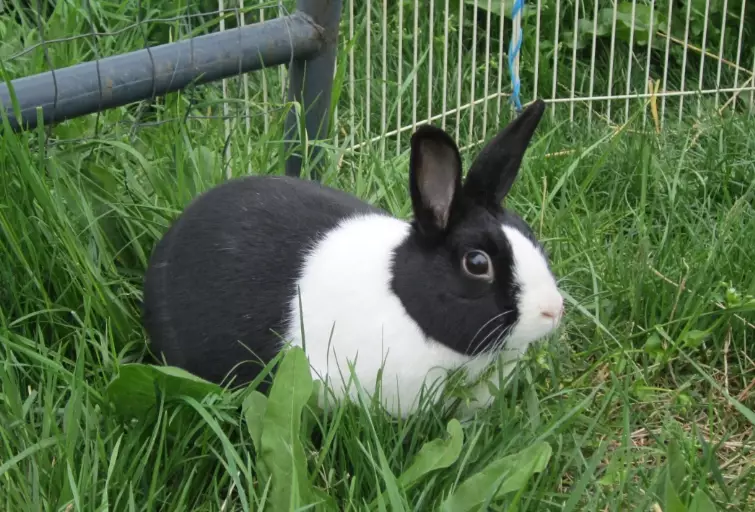
Keeping Your Dutch Rabbit Healthy: Common Issues to Watch For
Even with perfect care, rabbits can get sick. Being a prey species, they hide illness well until they're very sick. You need to be a detective. Here are the big ones for Dutch rabbits (and rabbits in general):
- Gastrointestinal (GI) Stasis: This is the silent killer. It's not a specific disease but a condition where the gut slows down or stops moving. Causes include stress, pain, dehydration, or a diet too low in fiber. Symptoms: Small, misshapen poops or no poops, loss of appetite, lethargy, hunched posture. This is a life-threatening emergency requiring an immediate vet visit.
- Dental Problems: Rabbit teeth grow continuously. If their diet isn't abrasive enough (thanks, hay!), or due to genetics, teeth can overgrow or develop sharp points (spurs) that cut their cheeks or tongue. Symptoms: Drooling, dropping food, weight loss, reduced appetite, swelling on the face.
- Respiratory Infections (Snuffles): Often caused by the bacteria *Pasteurella multocida*. Symptoms: Sneezing, nasal discharge (white, yellow), wet front paws from wiping the nose, crusty eyes.
- E. Cuniculi (EC): A microscopic parasite that can affect the nervous system and kidneys. Symptoms: Head tilt, loss of balance, hind leg weakness, seizures, eye issues. Many rabbits carry it without symptoms, but stress can cause a flare-up.
- Overgrown Nails and Sore Hocks: Basic husbandry issues. Nails need trimming every 4-6 weeks. Sore hocks (ulcers on the bottom of the feet) can develop from living on hard, wet, or wire flooring.
The single most important thing you can do for your Dutch rabbit's health is to find a rabbit-savvy veterinarian before you get the rabbit. Not all vets see exotics. Your regular cat and dog vet likely does not have the training. The House Rabbit Society maintains a vet list, which is a great place to start. Your rabbit will need yearly check-ups and should be spayed or neutered (which reduces cancer risk and improves litter habits and behavior).
Finding Your Dutch Rabbit: Breeder, Rescue, or Store?
This is a major ethical and practical decision. Let's weigh the options.
Reputable Breeder: This is your best bet for a specific color, a show-quality rabbit, or a very predictable temperament from a known bloodline. A good breeder will:
- Welcome you to see where the rabbits are raised (in the home, clean).
- Ask you as many questions as you ask them.
- Provide pedigree papers and health records.
- Have the kits socialized and well-handled.
- Be a member of the ARBA or a national specialty club like the National Dutch Rabbit Club.
- Not sell rabbits before 8 weeks of age.
Animal Rescue or Shelter: This is where my heart is. There are so many wonderful Dutch rabbits (and mixes) in shelters waiting for a second chance. The benefits are huge:
- You are saving a life.
- The rabbit is often already spayed/neutered and may have initial vaccinations.
- Rescue staff usually have a good sense of the rabbit's adult personality.
- It's typically more affordable than a breeder.
You can search on Petfinder and filter by rabbit and breed. Be open to Dutch mixes—they often have the same wonderful markings and temperament.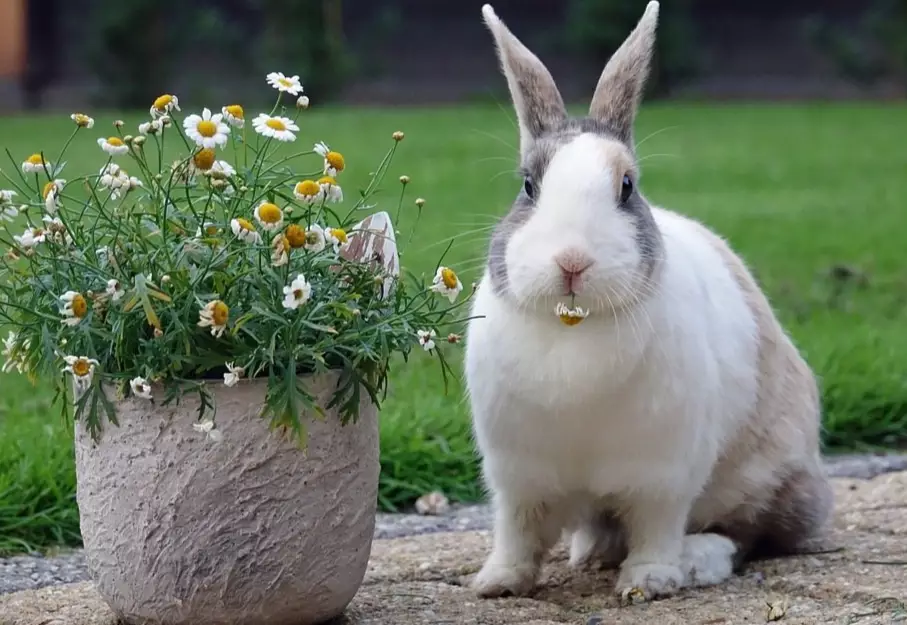
Pet Store: I have to be blunt here: I generally advise against it. Rabbits in pet stores often come from large-scale commercial breeding facilities (mills) where health and socialization are not priorities. You have no history on the parents, and the rabbit may have underlying health or behavioral issues. It also supports an industry many animal advocates find problematic.
Answering Your Burning Questions (FAQs)
How long do Dutch rabbits live?
With excellent care—proper diet, housing, vet care, and safety indoors—a Dutch rabbit's lifespan is typically 8 to 12 years. Some live even longer. This is a long-term commitment, similar to a dog.
Are Dutch rabbits good pets for apartments?
Absolutely! In fact, they can be ideal. They are quiet (no barking!), their space needs are manageable with creative use of pens, and they are litter trained. The key is providing enough daily exercise and stimulation since they don't have a backyard.
Do Dutch rabbits shed a lot?
They shed moderately year-round and have heavier seasonal molts (usually spring and fall). During a molt, you'll need to brush them daily with a slicker brush or a grooming glove to remove loose fur and prevent them from ingesting too much when they groom themselves, which can cause hairballs (a serious issue for rabbits).
Can Dutch rabbits live with other pets?
This requires extreme caution. They should never be left unsupervised with dogs or cats, even friendly ones. The prey-predator dynamic is instinctual. However, many rabbits can form bonds with other rabbits. The best pair is a spayed female and a neutered male. Introductions must be done slowly and neutrally, often with guidance from a rescue. A bonded rabbit pair is a joy to watch.
How much does a Dutch rabbit cost?
The initial cost is the smallest part. A rabbit from a breeder might be $50-$150. Adoption fees are usually $50-$100. But the real costs are in setup and ongoing care: a proper pen, litter box, carrier, toys ($200+), monthly supplies like hay and greens ($40-$60), and most importantly, vet care. An emergency visit for GI stasis can easily cost $300-$800. Please factor this in.
The Final Hop: Is a Dutch Rabbit Right for You?
Let's circle back. The Dutch rabbit is a fantastic breed. They are beautiful, generally good-natured, intelligent, and can be a wonderfully rewarding pet. But they are not low-maintenance. They are a 10-year commitment that requires daily interaction, a specific diet, a safe environment, and access to specialized veterinary care.
You might be a great match for a Dutch rabbit if: you're home enough to provide daily out-of-pen time, you're fascinated by their unique behaviors (not just their looks), you're prepared for the financial responsibility, and you want a quiet, interactive companion that's different from a cat or dog.
You might want to reconsider if: you travel frequently, want a cuddly lap animal that requires little space, are on a very tight budget, or have young children who want to carry it around constantly.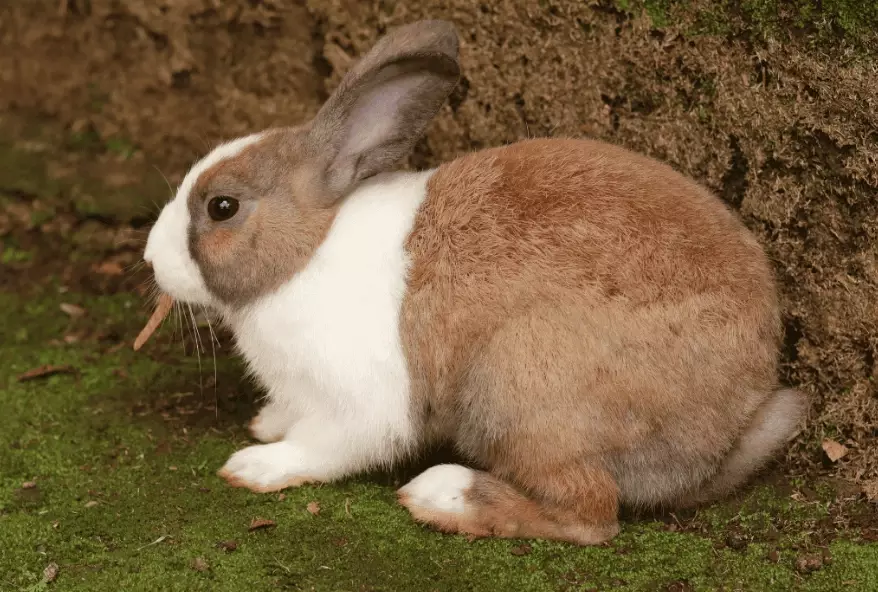
If you've read this far, you're clearly doing your research, and that's the best first step anyone can take. Whether you find your perfect Dutch through a dedicated breeder or give a rescue rabbit a loving home, providing a great life for one of these charming creatures is an experience like no other. Just be ready for the chewed charger cord. It's practically a rite of passage.
Comment