Your Quick Guide to Netherland Dwarf Rabbits
- What Exactly Is a Netherland Dwarf Rabbit?
- The Netherland Dwarf Personality: Not Always a Cuddly Cloud
- Setting Up the Perfect Home: It's Bigger Than You Think
- The Netherland Dwarf Diet: It's Not Just Carrots
- Health and Lifespan: Commitment for the Long Haul
- Behavior, Training, and Bonding
- Frequently Asked Questions (The Stuff You're Really Wondering)
Let's be honest. You've probably seen those impossibly cute pictures online—tiny, round balls of fluff with teeny ears and big, curious eyes. The Netherland Dwarf rabbit is basically the poster child for adorable small pets. I get it. The appeal is instant. But before you fall head over heels for that cute face, there's a whole lot you need to know. This isn't just about having a living stuffed animal; it's about committing to a complex, intelligent, and surprisingly long-lived little creature.
I've talked to breeders, spent hours on forums (the good ones and the dramatic ones), and have a friend who's owned two Netherland Dwarfs for years. She loves them, but she's also the first to tell you they can be a handful. This guide is my attempt to cut through the fluff (pun intended) and give you the straight story. We'll talk about the good, the bad, the expensive, and the incredibly rewarding parts of sharing your life with a Netherland Dwarf rabbit.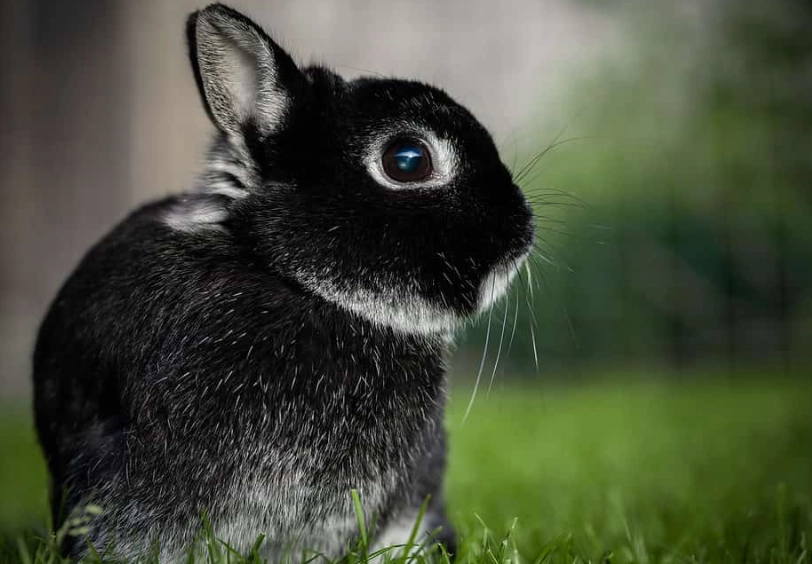
What Exactly Is a Netherland Dwarf Rabbit?
Think of them as the compact car of the rabbit world. They originated in the Netherlands in the early 20th century, bred from small wild rabbits and other small domestic breeds. The goal was size, and boy, did they succeed. A true Netherland Dwarf rabbit should weigh no more than 2.5 pounds (about 1.13 kg), with most averaging between 1.5 and 2.5 pounds. That's smaller than a bag of sugar.
Their most distinctive features are their short, compact bodies, rounded faces, and short, upright ears that just seem to fit their miniature proportions perfectly. Their coats are short and roll back into place when you pet them the wrong way. They come in a dizzying array of colors—from the classic white with red eyes (Ruby-eyed White) to chestnut, siamese sable, chinchilla, and even pointed patterns like Himalayan. The American Rabbit Breeders Association (ARBA) recognizes a wide variety; you can check their official breed standards list to see the full spectrum.
The Netherland Dwarf Personality: Not Always a Cuddly Cloud
This is the biggest misconception and where many first-time owners get tripped up. Because of their wild ancestry and breeding for show, the temperament of a Netherland Dwarf rabbit can be... spirited. They are often described as more energetic, alert, and even a bit more nervous or shy than some larger, more laid-back breeds like the Holland Lop.
Don't expect a lap rabbit from day one. Many never truly become one. They can be skittish. Sudden movements or loud noises might send them darting. Some have a reputation for being a bit nippy if they feel cornered or annoyed. This isn't malice; it's just a small animal with a big sense of self-preservation.
But here's the flip side. Once they trust you, their personalities are huge. They are incredibly playful, curious, and can be very mischievous. A bonded Netherland Dwarf will follow you around, demand treats with little nose nudges, and perform hilarious "binkies" (those joyful mid-air twists and kicks) when they're happy. The bond you build with a shy animal that learns to trust you is deeply special. It just takes more patience.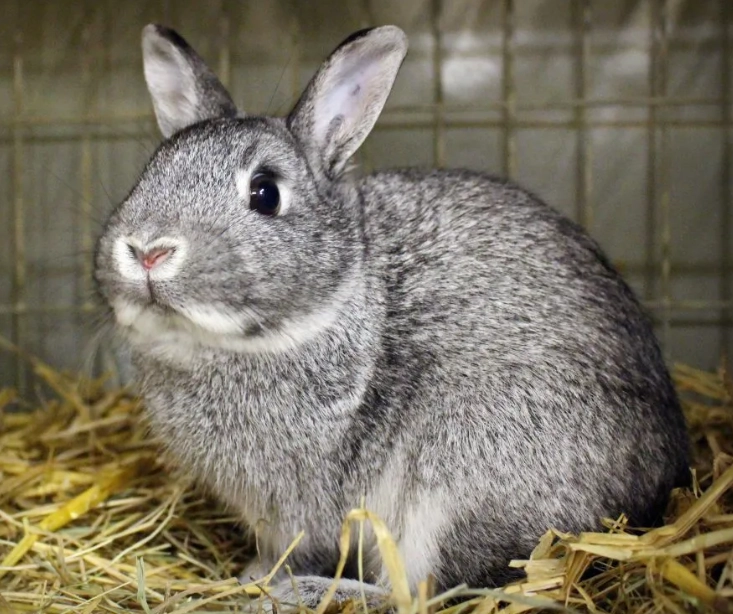
Choosing Your Dwarf: Breeder, Rescue, or Store?
Where you get your rabbit sets the stage for everything.
- Reputable Breeder: This is the best route if you have your heart set on a specific color or show-quality animal. A good breeder prioritizes health and temperament. They socialize the kits (baby rabbits) from a young age, which is crucial for a Netherland Dwarf. Ask about genetic history, specifically regarding dental issues. Expect to pay $50 to $150 or more. Visit the facility. A good resource to start is the ARBA's Find a Breeder directory.
- Rescue or Shelter: My personal recommendation for most people. You're giving a home to an animal in need. Often, adult rabbits in rescues are already spayed/neutered and litter-trained. You also get a clearer sense of their adult personality. The House Rabbit Society is a fantastic organization, and their website has a wealth of info and may help connect you with local rescues.
- Pet Store: I'm hesitant here. You often don't know the origin, age, or health history. The rabbits may not be well-socialized early on, leading to more behavioral challenges. It's a gamble.
Setting Up the Perfect Home: It's Bigger Than You Think
Just because they're small doesn't mean they can live in a small cage. That's the number one mistake. A Netherland Dwarf rabbit needs space to run, hop, and explore to stay physically and mentally healthy. Confinement in a tiny hutch is a recipe for an obese, depressed, and destructive bunny.
Your main options:
- X-Pen (Exercise Pen): My top pick. You can get a sturdy metal one and configure it to a large size (like 4ft x 4ft). It's flexible, easy to clean, and gives them great space.
- Large Dog Crate: A 42-inch crate can work as a base, but the door must be left open for several hours daily for real exercise in a rabbit-proofed room.
- Custom Built or Large Rabbit Cage: If buying a cage, look for ones labeled for rabbits that are at least 4 feet long. Many "rabbit cages" sold in stores are tragically too small.
Inside this space, you need to layer their world:
- Litter Box: A corner litter box with a layer of paper-based pellet litter (like Yesterday's News). Never use clumping cat litter or pine/cedar shavings—the fumes are harmful.
- Hay Rack: Placed right next to or over the litter box. Rabbits like to munch and poop simultaneously.
- Hiding House: A must. A simple cardboard box with two exits (so they don't feel trapped) is perfect. They need a safe place to retreat.
- Food and Water Bowls: Heavy ceramic bowls that can't be tipped. A water bottle can be a backup, but bowls are more natural and allow for better hydration.
- Toys: Willow balls, applewood sticks to chew, cardboard tubes, puzzle feeders. A bored rabbit is a destructive rabbit.

The Netherland Dwarf Diet: It's Not Just Carrots
Getting their diet wrong is the fastest way to health problems. Their digestive systems are finely tuned and surprisingly delicate.
| Food Type | Percentage of Diet | Details & Examples | Frequency |
|---|---|---|---|
| Unlimited Hay | 80-90% | Timothy hay or Orchard grass is ideal for adults. Alfalfa hay is too rich in calcium/protein for adults but good for babies. Hay wears down teeth (which never stop growing) and keeps the gut moving. | ALWAYS available. Refill daily. |
| Fresh Greens | ~10% | Dark, leafy greens. Romaine lettuce, green/red leaf lettuce, cilantro, parsley, dill, carrot tops, basil. Introduce one new green at a time to check for soft stools. | About 1 packed cup per 2 lbs of body weight daily. |
| High-Quality Pellets | ~5% or less | Timothy-based pellets, no colorful bits/seeds/nuts. Look for high fiber (18%+), low protein (14% or less). | Only 1/8 to 1/4 cup per day for an adult. Overfeeding pellets is a common cause of obesity. |
| Treats (Fruits/Veg) | Apple slice (no seeds), banana slice, blueberry, strawberry top. Carrots are a treat, not a staple—they're high in sugar. | A tiny piece 2-3 times a week max. |
Health and Lifespan: Commitment for the Long Haul
With proper care, a Netherland Dwarf rabbit's lifespan is impressive—typically 7 to 10 years, and some even reach 12. That's a decade-long friend. But they are prone to specific health issues you need to watch for.
Common Health Concerns
- Dental Problems: Their compact, brachycephalic (short-faced) skull can lead to malocclusion—misaligned teeth that don't wear down properly. This can cause painful spikes, abscesses, and an inability to eat. Regular check-ups (every 6-12 months) with a rabbit-savvy vet are non-negotiable. The House Rabbit Society Vet List is a great place to start your search.
- Gastrointestinal (GI) Stasis: As mentioned, this is the big one. Symptoms: no appetite, no fecal pellets, lethargy, hunched posture. This is an immediate vet emergency.
- Respiratory Issues: Snuffles (Pasteurellosis) causes sneezing, nasal discharge, and weepy eyes. It's bacterial and requires veterinary antibiotics.
- Pododermatitis (Sore Hocks): Sores on the bottom of the feet, often from living on wire flooring or dirty, abrasive surfaces. Provide soft resting mats.
Prevention is everything. That means a proper diet, a clean environment, annual vet check-ups, and spaying or neutering. This last point is vital. For females, spaying virtually eliminates the very high risk of uterine cancer (up to 80% in unspayed does over age 4). For both sexes, it dramatically reduces hormonal behaviors like territorial spraying, aggression, and mounting, making them calmer, better litter-box users, and more inclined to bond with you or another rabbit.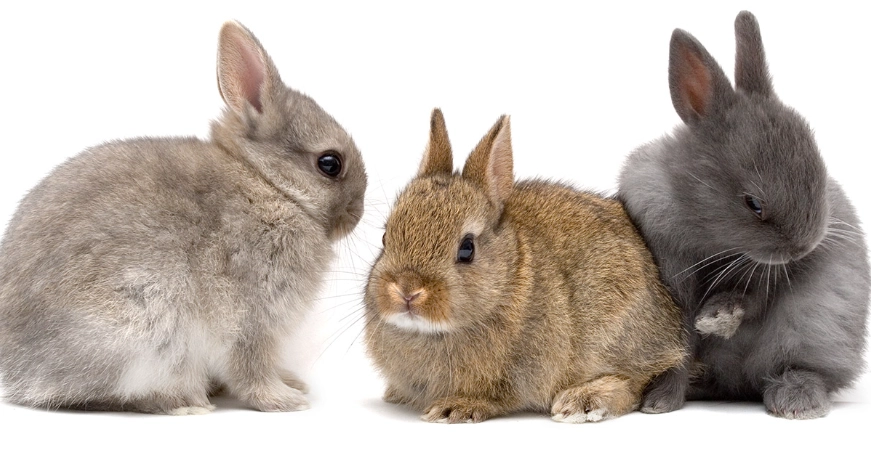
Behavior, Training, and Bonding
You can train a rabbit! It just takes patience and positive reinforcement (usually a tiny piece of a favorite treat).
Litter Training: Most rabbits naturally pick a corner. Place the litter box there, put some of their soiled bedding in it, and keep hay right above it. Clean accidents outside the box with white vinegar to remove the scent. Spaying/neutering is 90% of the battle for reliable training.
Bonding with You: Get down on their level. Sit quietly in their play area and let them come to you. Offer treats from your hand. Pet them gently on the forehead and cheeks—most dislike being touched on the chin or back initially. Never pick them up unless necessary; it triggers a prey-animal panic response. Let them approach interactions on their terms.
Bonding with Another Rabbit: Rabbits are social. A bonded pair is often happier than a solo rabbit. The process (called "dating") must be done carefully on neutral territory. Consider adopting an already-bonded pair from a rescue.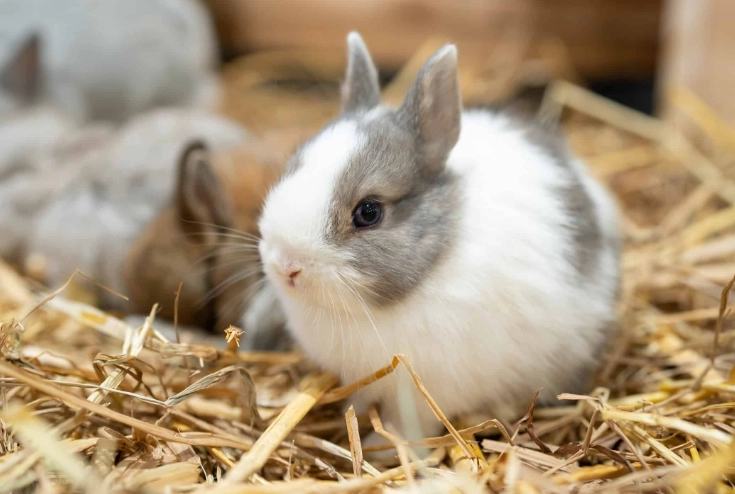
Frequently Asked Questions (The Stuff You're Really Wondering)
Bringing a Netherland Dwarf rabbit into your life isn't a casual decision. It's a commitment to a sensitive, intelligent animal with specific needs for a decade. They aren't the cuddly, low-maintenance pets the internet sometimes makes them out to be. They can be messy, stubborn, and expensive.
But if you're willing to put in the work—to provide the space, the proper diet, the vet care, and most importantly, the patience to earn their trust—the reward is immense. There's nothing quite like the quiet companionship of a happy rabbit, the sight of them flopped over in total contentment, or the little nose bonk they give you when they finally see you as their person.
Do your homework. Maybe even volunteer at a rabbit rescue first to get some hands-on experience. If, after all this, you're still ready, then you might just be the perfect home for one of these remarkable little creatures. And that's a wonderful thing.
Comment