Let's cut to the chase. If you're here, you're probably looking at your garden's new moon-like landscape or watching your pet bunny frantically scratch at the carpet and wondering, with some exasperation, do rabbits dig holes? The short, unequivocal answer is a resounding yes. But that simple yes opens a door to a whole world of instinct, biology, and behavior that's honestly pretty fascinating once you get past the ruined flower beds.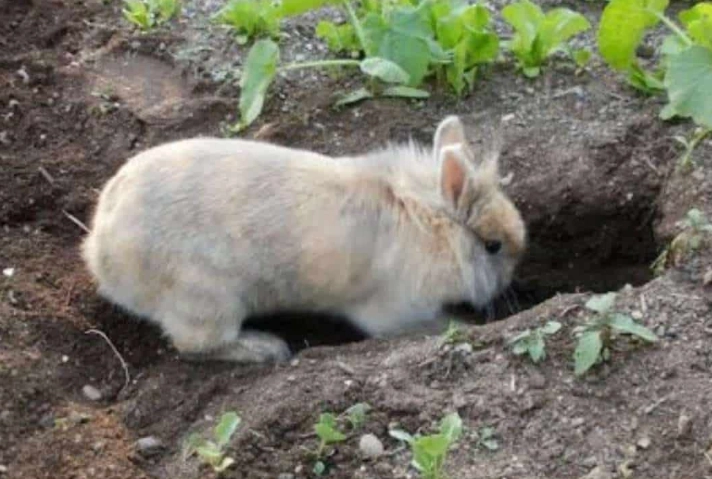
I remember the first time my pet rabbit, Mochi, decided the corner of my living room rug was the perfect site for an excavation project. I was baffled. Was he bored? Looking for something? It sent me down a rabbit hole of research (pun intended) that completely changed how I see these creatures. Digging isn't a hobby for them; it's hardwired into their DNA, as essential as breathing for a fish. Whether you're a rabbit owner trying to preserve your sanity and your flooring, or a gardener at war with wild cottontails, understanding the why behind the digging is the first step to managing it.
Key Takeaway Right Off the Bat: All rabbits have the instinct to dig. For wild rabbits, it's a non-negotiable survival skill. For our domesticated friends, it's a deeply ingrained behavior that doesn't vanish just because they have a comfy hutch. The question isn't really do rabbits dig holes, but why do they dig holes, and what can we do about it?
Why on Earth Do Rabbits Dig Holes? It's Not Just for Fun
We often think of digging as just something animals do, but for rabbits, every scrape of the earth has a purpose. It's a complex behavior tied to their most basic needs. If you want to stop fighting the behavior and start working with it, you need to see the world from a rabbit's perspective.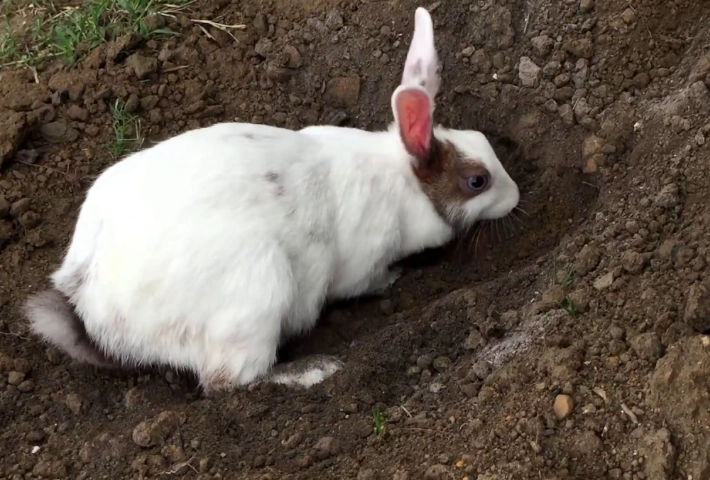
Here’s the breakdown of the major reasons rabbits feel that irresistible urge to burrow:
1. Safety and Shelter: The Ultimate Underground Fortress
In the wild, rabbits are smack in the middle of the food chain. Everything from foxes and hawks to snakes and weasels sees them as a meal ticket. A rabbit out in the open is a dead rabbit. So, over millions of years, they evolved to become master architects of the underground.
A rabbit warren—that's the proper name for their tunnel system—is a marvel of engineering. It's not just one hole leading to a dead end. We're talking about a complex network of tunnels with multiple entrances and exits (bolt holes), separate chambers for nesting, sleeping, and even toilet areas. This design allows them to escape predators from any direction. When you see a wild rabbit zip into a hole, you're only seeing the tip of the iceberg. That's the core reason rabbits dig holes—it's their primary defense mechanism. Without it, their species likely wouldn't have survived.
2. Temperature Control: Nature's Perfect Insulation
Ever notice how a basement stays cool in summer and warm in winter? Rabbits figured this out long before we did. The earth is a fantastic insulator. During scorching summer days, the temperature deep in a burrow can be 20-30 degrees Fahrenheit cooler than the surface. In the bitter cold of winter, it stays significantly warmer, protecting them from frostbite and hypothermia.
For a pet rabbit in a climate-controlled home, this instinct is less about survival and more about comfort. You might see them dig at a particular spot on a hot day, instinctively trying to find that cooler layer.
3. Food Storage and Foraging
Some rabbit species will cache food in their burrows. They might not be as famous for it as squirrels, but the behavior exists. More commonly, digging is part of their foraging process. They'll scratch at the earth to uncover roots, tender shoots, or any other edible morsel just beneath the surface. That's why your garden vegetables are so appealing—they're like a pre-marked treasure map for a rabbit.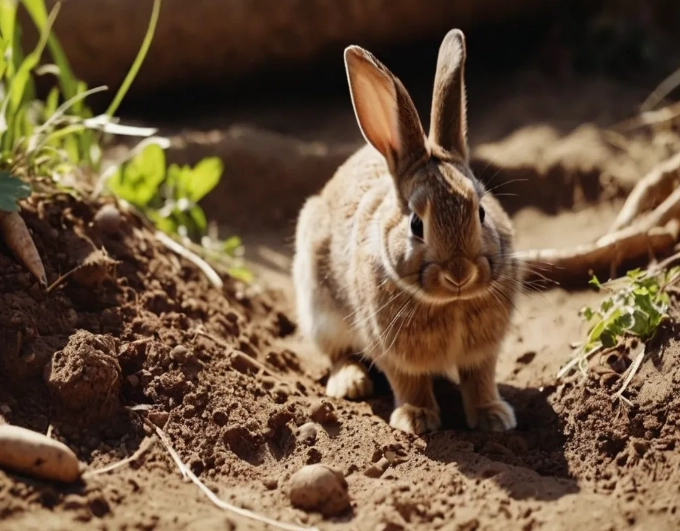
4. Creating a Nest (Especially for Does)
This is a big one for female rabbits (does). When preparing to give birth, a doe has an overpowering drive to dig a special, deep, and carefully lined nesting chamber. She'll pull fur from her own chest to create a soft, warm bed for her kits. Even spayed pet does can exhibit this nesting behavior due to hormonal cycles. If your female rabbit suddenly starts intense, focused digging, this primal nesting instinct could be the trigger.
5. Boredom, Stress, and Pent-Up Energy
This is the big one for our house rabbits. In the wild, a rabbit's life is spent foraging, exploring, socializing, and yes, digging expansive homes. A pet rabbit in an enclosure with nothing to do is like an Olympic athlete locked in a broom closet. All that natural energy and instinct has to go somewhere. If we don't provide an acceptable outlet, it will manifest as destructive digging on carpets, couches, or bedding. Often, what we label as "bad behavior" is just a rabbit screaming, "I'm bored out of my mind!"
Pet Rabbit vs. Wild Rabbit: Two Worlds of Digging
It's crucial to separate these two, as the context and solutions are wildly different. A wild rabbit digging in your yard is following a million-year-old survival blueprint. Your pet bunny digging up your Persian rug is following the same blueprint, but in a hilariously (or infuriatingly) wrong context.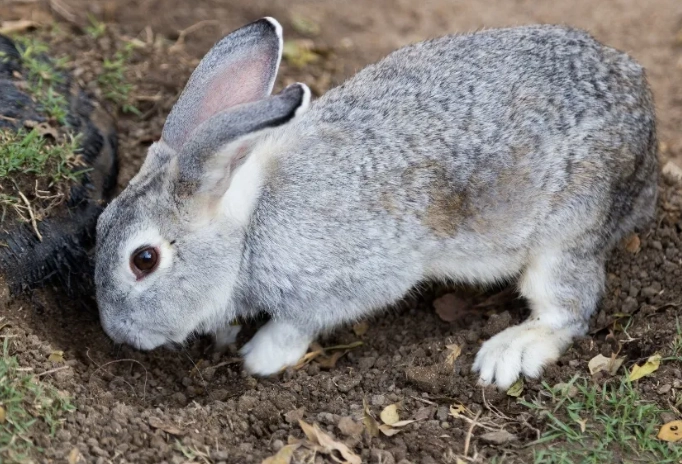
| Aspect | Wild Rabbits | Pet Rabbits |
|---|---|---|
| Primary Motivation | Survival: shelter from predators/weather. | Instinctual release, boredom, play, nesting. |
| Scale of Digging | Large, complex warren systems. | Usually superficial scratching or focused small-area digging. |
| Location | Gardens, fields, under sheds. | Carpets, litter boxes, couch corners, bedding. |
| Our Goal | Deter humanely to protect property. | Redirect to appropriate outlets. |
| Key Insight | They are not "vandals"; they are animals seeking a home. | They are not being "bad"; they are expressing natural behavior. |
See the difference? Getting angry at a pet rabbit for digging is like getting angry at a bird for chirping. The behavior itself isn't wrong; the location is. Our job is to fix the location problem.
Managing the Digging Instinct in Pet Rabbits
You can't eliminate the instinct, but you can absolutely manage it. The goal is to provide acceptable, even enriching, alternatives that satisfy that deep-seated need. It's about channeling the energy, not suppressing it.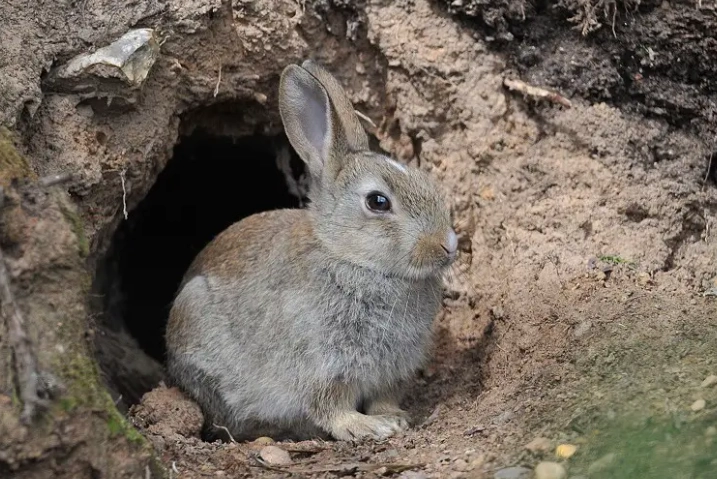
Providing a "Dig Box" – Your Secret Weapon
This is, hands down, the most effective strategy. A dig box is a designated container filled with rabbit-safe digging material. It gives your bunny a legal zone to indulge their passion.
How to make a great dig box:
- Container: A large, shallow plastic storage bin, a cardboard box, or even a dedicated corner penned off with boards.
- Fillings: The fun part! You can use:
- Shredded paper (untreated).
- Organic, pesticide-free potting soil (ensure no fertilizers).
- Hay (this is a great one—they can dig and snack!).
- Safe, dust-free child's play sand.
- Cut-up strips of old towels or fleece. - Pro Tip: Hide treats, dried forage, or pieces of their pellet food deep in the material. This turns digging into a rewarding foraging game. I scatter a few dried cranberries in Mochi's hay dig box, and he'll happily excavate for 20 minutes.
Personal Experience: I tried a sand dig box once. It worked… too well. The sand ended up everywhere. It was like living at a tiny beach. I switched to a bin of hay, and it's been perfect—less mess, and he eats while he digs. Sometimes the simplest solution is best.
Other Essential Strategies
More Space & Exercise: A confined rabbit is a bored rabbit. Ensure they have several hours a day of free-roam time in a rabbit-proofed area. A tired rabbit is less likely to engage in destructive digging.
Mental Stimulation: Food puzzles, treat balls, cardboard castles to explore, and rotating toys. A busy mind doesn't default to destructive habits.
Spaying/Neutering: This can significantly reduce hormone-driven behaviors like territorial digging and intense nesting digging.
Positive Reinforcement: When they use the dig box, offer a small treat or verbal praise. Never punish digging; it only creates fear and confusion, as the rabbit has no idea why its natural behavior is wrong.
When Digging Might Be a Problem
Most digging is normal, but sometimes it's a red flag. Excessive, frantic, or obsessive digging, especially if it's new behavior, can signal:
- Stress or Anxiety: Changes in the household, a new pet, loud noises.
- Inadequate Housing: A cage that's too small is a major cause.
- Lack of Companionship: Rabbits are social. A lonely rabbit may dig out of frustration. Consider bonding with another rabbit (after neutering/spaying).
If you're concerned, a check-up with a rabbit-savvy vet is always a good idea to rule out any health issues.
Protecting Your Garden from Wild Rabbits
This is the other side of the coin. While we want to encourage digging in our pets, we need to humanely discourage it from wild rabbits in our yards. The goal here is exclusion and deterrents, not harm.
First, you have to accept a hard truth: if your garden is accessible and appealing, rabbits will dig holes and feast. The battle is about making your yard less attractive than your neighbor's.
Physical Barriers: The Most Effective Method
- Fencing: This is the gold standard. But rabbit fencing is specific. Chicken wire or hardware cloth with 1-inch or smaller mesh works. It needs to be at least 2 feet high above ground and buried at least 6 inches deep, bent outward in an "L" shape underground to stop burrowers. They absolutely will dig under a fence that's just sitting on the ground.
- Individual Plant Protectors: Use wire cloches or cylinders around tender seedlings.
Natural Deterrents
Rabbits have sensitive noses and tastes. You can use this against them.
- Plant Choices: Incorporate plants rabbits tend to dislike: lavender, marigolds, sage, onions, garlic, snapdragons. The USDA and many university extension services have lists of rabbit-resistant plants for your region.
- Repellents: Commercial or homemade sprays with ingredients like garlic, chili powder, or eggs. Reapply after rain. Their effectiveness varies wildly, and some rabbits get used to them.
- Predator Scents: Human hair, dog hair, or commercial fox/ coyote urine granules around the garden perimeter. These need frequent refreshing.
A Word of Caution: Ultrasonic devices, spinning pinwheels, and scarecrows might work for a few days, but rabbits are smart. They quickly learn these things aren't a real threat. I've watched rabbits happily graze right next to a spinning sonic spike thing I wasted money on. Physical barriers are consistently more reliable.
Making the Environment Less Hospitable
Remove cover. Rabbits hate crossing large, open spaces where they feel exposed. Keep grass trimmed and clear away brush piles or debris near your garden where they can hide. Install motion-activated lights or sprinklers—the sudden activation can startle them away.
Common Questions About Rabbits and Digging
Let's tackle some of the specific questions that pop up when people search for this topic. These are the real head-scratchers.
How deep do rabbits dig their holes?
Wild rabbit warrens can be surprisingly deep. While the nesting chamber might be 1-2 feet below the surface, the tunnel network itself can extend over a large area horizontally. They can dig several feet down if the soil is right. Pet rabbits, when given deep enough substrate, might dig 6-12 inches enthusiastically, but it depends on the space and material.
Do all rabbit breeds dig?
Yes, the instinct is universal across all breeds of Oryctolagus cuniculus (the European rabbit, ancestor to all domestic breeds). However, some individuals may show the behavior more strongly than others, just like some dogs have a stronger prey drive. There's no such thing as a "non-digging" rabbit breed.
My rabbit digs in their litter box. Is that normal?
Extremely common! For many rabbits, the litter box is the only place in their environment with loose, diggable material (litter). They often dig and rearrange the litter before using it. It's a natural part of their toileting ritual. Using a larger, high-sided litter box can help contain the mess.
How do I stop a rabbit from digging holes in my yard?
As covered above: physical barriers are king. Fencing with an underground barrier is the only near-guarantee. Combine this with removing hiding spots and using repellents for a multi-layered defense. Remember, you're trying to convince them to set up shop elsewhere, not win a war of attrition.
Is it cruel to stop a rabbit from digging?
Stopping a wild rabbit from digging in your yard isn't cruel; it's property protection. For a pet rabbit, preventing them from expressing the instinct at all can lead to welfare issues like frustration, stress, and obesity from lack of activity. That's why redirecting the behavior (dig box) is the ethical and effective approach, not suppression.
For truly in-depth, science-backed information on rabbit biology and behavior, organizations like the House Rabbit Society and the British Rabbit Council are fantastic resources. These are rabbit-specific authorities, and their advice is grounded in extensive experience and welfare science.
Wrapping It Up: Living in Harmony with Diggers
So, do rabbits dig holes? Absolutely. It's as much a part of them as their twitchy noses and powerful hind legs. For the wild rabbit, it's the difference between life and death. For our domestic companions, it's a core behavior that brings them mental stimulation, physical exercise, and sheer joy.
The secret isn't to ask, "How do I make my rabbit stop digging?" The real question is, "How can I satisfy this need in a way that works for both of us?"
For pet owners, that means embracing the dig box, enriching their environment, and viewing that scratching not as vandalism, but as a sign of a healthy, instinct-driven animal. For gardeners, it means smart, humane exclusion tactics that protect your plants without causing harm.
Understanding the "why" transforms frustration into empathy. You start to see that frantic carpet digging not as an attack on your security deposit, but as your rabbit saying, in the only way it knows how, "I need a job to do." Give them that job—a box of hay to rummage through, a puzzle to solve, a space to run—and you'll both be a lot happier. The holes might not completely disappear, but they'll be in the right places.
It's a simple shift in perspective, but it makes all the difference.
Comment