So, you're thinking about bringing a bunny into your life, or maybe you just did and you're staring at this fluffy creature wondering, "Now what?" I get it. I was in the same spot years ago. The internet is full of snippets, but piecing together a full picture of proper rabbit care feels like a part-time job. Let's fix that.
You've probably heard they're easy pets. A cage, some pellets, good to go. Right? Wrong. That's the biggest myth out there. Learning how to care for a rabbit is more like learning to care for a tiny, quirky, plant-eating cat with constantly growing teeth. It's a commitment, but one of the most rewarding ones you can make.
This guide isn't just a list of instructions. It's the handbook I wish I'd had. We'll walk through everything—from picking the right supplies (and avoiding the useless ones) to decoding their weird behaviors and keeping them healthy for the long haul. Forget the fluff; let's get into the real stuff.
First Things First: Is a Rabbit the Right Pet for You?
This is the most crucial step everyone skips. We see a cute nose and floppy ears and our brains short-circuit. But bringing a rabbit home is a 8-12 year commitment. They're not starter pets for young kids. They're prey animals, which means they startle easily, and they require gentle, patient handling.
Think about your lifestyle. Do you travel a lot? Rabbits need daily care. Are you looking for a cuddly lap pet? Some are, but many are more interested in exploring than snuggling on your schedule. Their primary language is not affection in the way a dog shows it; it's trust. You earn it.
And the costs. Let's be real. The initial setup for how to care for a rabbit properly isn't cheap. You need a big enclosure, not a small cage. You'll spend more on vet bills than for a cat or dog because they need an exotic or rabbit-savvy vet. Surgeries are complex. This isn't to scare you off, but to set realistic expectations. If you're still nodding along, you're in the right place.
The Rabbit Habitat: Building a Bunny Paradise
Forget everything you've seen in pet store displays. Those tiny cages are a big part of the problem. A rabbit needs space to run, jump (they do these amazing twists called binkies), and stretch out fully in every direction.
Housing Options That Actually Work
The gold standard is free-roaming in a thoroughly bunny-proofed room or area. This is what I eventually moved to, and it transformed my rabbit's personality. He became more confident and playful. If that's not possible, a large exercise pen (x-pen) is the next best thing. You can connect multiple pens to create a massive living area. It's cheaper and more flexible than most cages.
If you must use a cage, it should only be a home base within a larger penned area. The House Rabbit Society, a fantastic and authoritative resource, states that a cage should be at least four times the size of your rabbit. For an average 4-6 lb rabbit, that's about 24 square feet of continuous space, not counting levels. See what I mean about pet store cages being useless?
Bunny-Proofing 101: Saving Your Cables (and Sanity)
Rabbits chew. It's not them being bad; it's a biological need to wear down their teeth and explore their world. Bunny-proofing is non-negotiable. This means:
- Cable Armageddon: Get cable protectors (the hard plastic spine kind) or, better yet, run cords completely out of reach. They can find wires you didn't know existed.
- Baseboard & Furniture: Corner guards for baseboards and bitter apple spray (test on a small area first) can deter chewing. Providing plenty of approved chew toys is key—willow balls, applewood sticks, seagrass mats.
- Plants: Assume all houseplants are toxic. Move them to hanging planters or another room. The House Rabbit Society has a great list of toxic and safe plants.
Bedding, Litter, and the Litter Box Win
Yes, you can litter train rabbits! They're naturally clean and prefer to use one spot. Get a large cat litter box. Skip clay or clumping cat litters—dusty and dangerous if ingested. The best setup I've found is this:
| Layer | Material | Purpose | Brands/Examples |
|---|---|---|---|
| Bottom | Newspaper or pee pad | Absorbs liquid, protects box | Any generic brand |
| Main Layer | Paper-based pellet litter | Highly absorbent, controls odor | Yesterday's News, Ökocat |
| Top Layer | Soft hay (Timothy or Orchard) | Encourages eating while they "go" | Put a big handful right in the box |
Place the box in the corner they naturally choose. Clean it daily. It makes the whole area smell fresher and reinforces the habit. For the rest of the enclosure, use soft fleece blankets, vet bed, or washable pee pads. Avoid cedar or pine shavings—the aromatic oils can cause serious liver and respiratory issues.
The Rabbit Diet: It's Not Just Carrots
This is where most new owners go wrong, and it leads to huge health problems. Bugs Bunny lied to us. A proper diet is simple in structure but crucial in execution.
Think of it like a pyramid.
The Foundation: Unlimited Hay (80-90% of Diet)
Timothy hay, Orchard grass, Meadow hay. It should be fresh, sweet-smelling, and available 24/7. Hay does three vital things: wears down constantly growing teeth, keeps the gut moving to prevent deadly blockages (GI stasis), and provides necessary fiber. If you remember one thing about rabbit care, it's this: HAY IS NON-NEGOTIABLE.
The Fresh Stuff: Leafy Greens (10-15% of Diet)
A packed cup of greens per 2 lbs of body weight daily. Rotate them for variety and nutrient balance.
- Daily Staples: Romaine lettuce, green/red leaf lettuce, cilantro, bok choy, endive.
- 2-3 times a week: Parsley, kale, dandelion greens (untreated!), mint.
- Introduce slowly: Always introduce one new green at a time to watch for soft stools.
The Extras: Pellets & Treats
Pellets: Not a staple food. A limited amount of high-quality, timothy-based pellets (no colorful bits or seeds). About 1/4 cup per 5 lbs of rabbit daily. They are a supplement, not the main course.
Treats: Fruits (apple, banana, berry) and carrots are high in sugar. Think of them as candy—a tiny piece once or twice a week. A slice of banana the size of your thumbnail is plenty.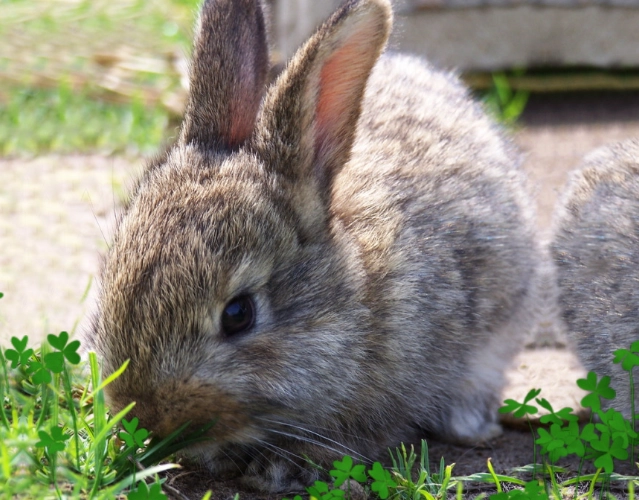
Daily and Weekly Rabbit Care Routine
What does caring for a rabbit look like on a Tuesday? It's about consistency.
Daily Tasks
- Refresh hay: Dump the old, dusty stuff and pile in fresh, fragrant hay. In multiple spots, especially near the litter box.
- Fresh water: Clean the bowl or bottle and refill. I prefer a heavy ceramic bowl—it's more natural and easier to clean than bottles.
- Greens & pellets: Serve the daily ration.
- Litter box: Scoop waste, replace soiled litter.
- Social time & play: At least a couple of hours of supervised out-of-pen time. Sit on the floor with them. Let them come to you.
Weekly Tasks
- Full habitat clean: Wash fleece liners, scrub the litter box with vinegar solution, wipe down the pen.
- Health check: Quick once-over. More on this below.
- New toy rotation: Swap out chew toys to keep things interesting.
Rabbit Health: Prevention is Everything
Rabbits hide illness incredibly well. It's a survival instinct. By the time they look sick, they are often very sick. Your job is to be a detective.
The Weekly Health Check
Do this during a calm petting session. Get them used to being handled.
- Eyes & Nose: Clear, no discharge.
- Ears: Clean, no dark wax or crust (sign of mites).
- Teeth: Check for even wear. Misaligned teeth (malocclusion) prevent eating and need vet filing.
- Feet: No sore hocks (bald, red patches on heels). Check fur and pads.
- Bottom: Clean, no urine stains or fecal matter stuck ("poopy butt"), which can attract flies and cause flystrike—a deadly emergency.
- Weight: Feel their spine and ribs. You should feel them under a light layer of flesh. A kitchen scale helps track weight weekly.
GI Stasis: The Silent Killer
This is the number one emergency. The gut slows or stops. Symptoms: small, misshapen poops or no poops, lethargy, hunched posture, grinding teeth (in pain), loss of appetite. This is a VET EMERGENCY, day or night. Have a rabbit-savvy vet's number saved. Time is critical. While you prepare to go, you can try to syringe-feed water and a recovery food like Critical Care, but the vet is the only real solution.
Vaccinations & Spaying/Neutering
This isn't optional for responsible pet rabbit care. In many areas, rabbits need vaccinations against deadly diseases like Rabbit Hemorrhagic Disease Virus (RHDV) and Myxomatosis. Check with your vet.
Spaying (females) and neutering (males) is crucial. It prevents reproductive cancers (very high risk in unspayed females), reduces territorial spraying/aggression, and makes litter training easier. It also allows for bonding with another rabbit, which is their ideal social setup.
Understanding Rabbit Behavior: Speaking "Bunny"
They don't bark or meow. Their language is subtle.
- Binky: A sudden jump, twist, and kick in the air. Pure joy. The ultimate compliment to your care.
- Flopping: Dramatically throwing themselves onto their side. They're relaxed and feel safe. Don't panic—they're not dead!
- Tooth Purring: Gentle, quiet tooth grinding when you pet them. Contentment.
- Licking: Grooming you. The highest sign of affection. You're part of the family.
- Thumping: A loud thud with a hind leg. Fear, annoyance, or a warning. Pay attention.
- Nudging: Pushing you with their nose. "Move," "Pay attention to me," or "I want that."
Learning this body language is the heart of bonding. It tells you when they're happy, scared, or unwell.
Common Questions About How to Care for a Rabbit
Can rabbits live alone? Technically yes, but they are social animals. A bonded pair is often happier. They groom each other, snuggle, and keep each other company. The bonding process is a project, but worth it. A single rabbit will need much more daily interaction from you.
Do rabbits need baths? Almost never. They are meticulous groomers. Bathing can cause extreme stress, hypothermia, and shock. Spot clean with a damp cloth if needed. Only a vet should give a full bath in a medical emergency.
How do I trim my rabbit's nails? With great care and proper clippers. The quick (blood vessel) is hard to see in dark nails. Ask your vet or a groomer to show you the first time. Wrap them in a towel ("bunny burrito") to keep them still. Do one paw at a time over several days if needed.
My rabbit isn't drinking from the bottle! Try a bowl. It's more natural and they drink more water, which is vital for kidney health.
What about toys? Cardboard boxes (tape removed), toilet paper rolls stuffed with hay, untreated wicker baskets, applewood sticks, puzzle feeders. Rotate them to prevent boredom. Boredom leads to destructive chewing and depression.
Beyond the Basics: Enrichment and Bonding
Once you've got the food and housing down, the real fun begins. This is where you learn how to care for a rabbit on a deeper level—meeting their mental needs.
Create foraging opportunities. Hide pellets or bits of herbs in a cardboard box filled with shredded paper or in a snuffle mat. Build a castle out of cardboard boxes with holes cut in them. Teach them simple tricks (like spinning or coming when called) using a tiny piece of preferred veggie as a reward. It's not about the trick; it's about the mental stimulation and communication.
Bonding is done on their terms. Spend time just sitting in their space. Read a book, watch TV. Let them sniff, hop over you, ignore you. Don't force picking them up—most hate it, as it mimics being snatched by a predator. Let them come to you for pets. It takes weeks, sometimes months. The trust you earn is everything.
Essential Resources and When to Call the Vet
Bookmark These
The House Rabbit Society (rabbit.org): The absolute bible. Their articles are thorough, science-based, and cover every imaginable topic. I still reference them constantly.
Rabbit Welfare Association & Fund (RWAF) (rabbitwelfare.co.uk): A UK-based charity with superb, detailed care advice. Their "A Hutch is Not Enough" campaign says it all.
MediRabbit (medirabbit.com): An excellent, vet-run site for in-depth medical information. Great for understanding conditions your vet diagnoses.
VET IMMEDIATELY IF: Not eating or pooping for 12 hours, difficulty breathing, head tilt, inability to move, bleeding, seizures, obvious pain, flystrike, or anything that just seems "off" to you. You know your rabbit best. It's always better to call and be told it's minor than to wait.
Final Thoughts
Learning how to care for a rabbit is a journey. You'll make mistakes (I sure did). You'll buy a toy they'll ignore and a cardboard box they'll love for months. The goal isn't perfection; it's providing a safe, healthy, and engaging life for a fascinating little creature who depends on you completely.
It's about watching them do a binky in the middle of the room because they're just so happy. It's the gentle nose nudge when you're feeling down. It's the soft sound of them munching hay at 2 a.m. It's a unique kind of pet ownership that rewards patience and observation like no other.
Start with the basics—space, hay, vet care—and build from there. Listen to your rabbit. They'll tell you what they need, in their own quiet way.
Good luck. You've got this.
Comment