Quick Navigation
- The Short Answer: Yes, and They Love Them
- Understanding the Rabbit's Menu: Why Petunias Are a Target
- The Rabbit Damage Scale: Which Petunias Are Most at Risk?
- How to Protect Your Petunias from Hungry Rabbits
- What to Plant Instead: Rabbit-Resistant Flowers
- Frequently Asked Questions (FAQs)
- The Bottom Line: Coexistence is Possible
You've spent weeks nurturing those petunia seedlings, carefully transplanting them, watering them just right, and finally seeing them burst into a cascade of color. Then you wake up one morning to find stems neatly snipped and blooms vanished. Sound familiar? If you're asking yourself "do rabbits eat petunias?", you're not alone. It's one of the most common questions from gardeners who see their hard work disappear overnight.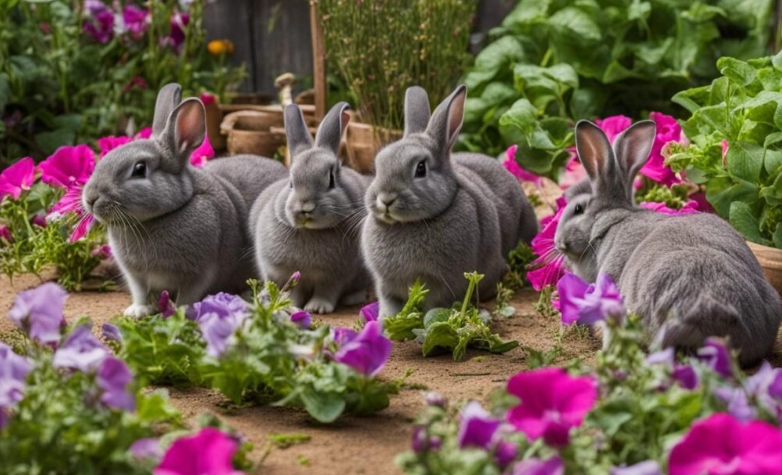
Let me be straight with you from my own experience – yes, rabbits absolutely eat petunias. And they seem to enjoy them quite a bit. I remember my first garden, thinking the bright red waves of petunias would be safe. They weren't. The rabbits treated them like an all-you-can-eat salad bar.
But here's the thing – it's not hopeless. Understanding why rabbits go for petunias and what you can actually do about it makes all the difference between frustration and a beautiful, thriving garden. That's what we're going to dig into.
The Quick Truth: Rabbits find petunias highly palatable. The tender leaves, stems, and flowers are like candy to them, especially in spring when other food sources are scarce. If you have rabbits nearby and unprotected petunias, you're essentially running a rabbit restaurant.
The Short Answer: Yes, and They Love Them
If you're looking for a simple yes or no to "do rabbits eat petunias?", the answer is a definitive yes. Wild rabbits (like cottontails) and even domestic pet rabbits will happily munch on petunias given the chance. They're not just nibbling – they can decimate entire plants overnight.
Why petunias specifically? Well, from a rabbit's perspective, they're practically perfect. The foliage is tender and not too tough, the stems are juicy, and the plants are often at just the right height for easy browsing. Unlike some plants with strong odors or bitter sap that deter animals, petunias don't have those natural defenses in significant amounts.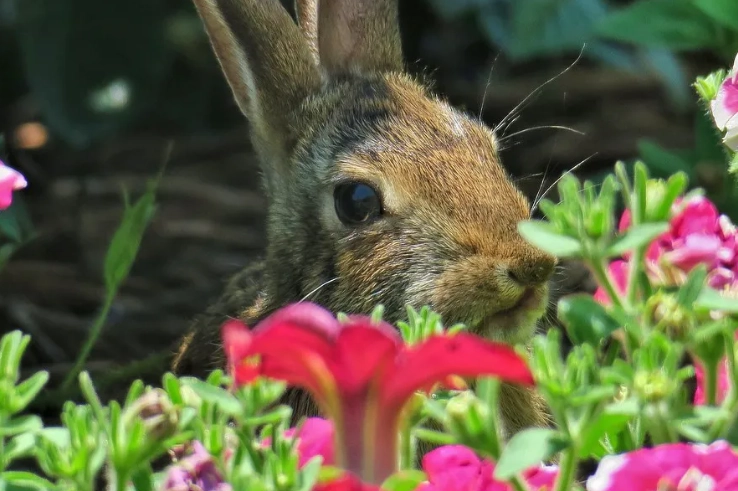
I've watched rabbits in my own yard. They'll approach cautiously, then systematically work through a flower bed, clipping stems cleanly at about a 45-degree angle. That distinctive angled cut is often the giveaway that you're dealing with rabbits and not insects or disease.
Understanding the Rabbit's Menu: Why Petunias Are a Target
To really get why rabbits eat petunias, you need to think like a rabbit for a minute. They're opportunistic feeders with specific dietary preferences shaped by survival.
Rabbits are herbivores with a digestive system designed for high-fiber, low-nutrient plants like grasses. But here's the twist – they also need more nutritious, succulent plants to supplement their diet. That's where your garden comes in. Tender garden plants like petunias, lettuce, and beans are like vitamin-packed supplements to their otherwise bland grassy diet.
The American Rabbit Breeders Association, while focused on domestic breeds, notes that rabbits have individual taste preferences, but most find flowering annuals quite appealing. In the wild, this behavior is about efficiency – getting the most nutrition with the least effort and risk.
Petunias check several boxes for rabbits:
- Accessibility: They're often planted in open beds or containers at perfect rabbit height
- Texture: Tender leaves and stems are easy to chew and digest
- Moisture content: Well-watered garden plants provide hydration
- Nutrition: More concentrated nutrients than wild grasses
- Safety: Garden environments often feel safer than open fields with fewer hiding predators
What many gardeners don't realize is that rabbits are creatures of habit. Once they discover a reliable food source – like your petunia bed – they'll return again and again. They'll even establish regular feeding routes. So that question of "do rabbits eat petunias" quickly becomes "how often do rabbits eat petunias" once they've found them.
The Rabbit Damage Scale: Which Petunias Are Most at Risk?
Not all petunias are equally tempting, and not all rabbits are equally bold. Understanding where your garden sits on the risk scale helps you plan your defense.
| Risk Level | Garden Situation | Typical Damage | Rabbit Pressure |
|---|---|---|---|
| High Risk | Newly planted petunias, rural/suburban edges near woods or fields, spring plantings | Complete destruction of plants, stems cut cleanly at an angle | Regular daily visitors, possibly including does with young |
| Medium Risk | Established gardens with some rabbit pressure, mixed plantings | Partial browsing, outer stems eaten first, flowers selectively removed | Occasional visitors, often at dawn/dusk |
| Low Risk | Urban gardens, raised beds with barriers, gardens with dogs | Occasional nibbling if plants trail over edges | Passing through rabbits, not established feeders |
Spring is the worst time for rabbit damage. Why? Natural food is scarce, rabbit populations are often at their peak with new litters, and your petunias are young and tender. Summer can see a decrease as wild food becomes abundant, but by then the rabbits know where your garden is.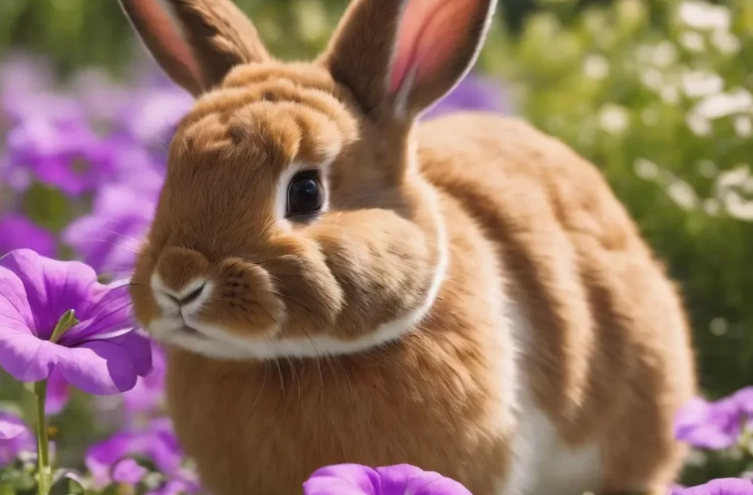
A Common Misconception: Some gardeners think rabbits won't eat certain petunia colors or varieties. In my experience, this isn't reliable. While rabbits might show slight preferences, hunger overrides color choice. I've seen them eat every color in a mixed planter.
Multiflora petunias (the smaller, numerous flowers) might get hit slightly less hard than grandifloras (the big, showy ones) simply because there's less succulent tissue per flower. But really, when rabbits are hungry, they're not being picky gourmets.
How to Protect Your Petunias from Hungry Rabbits
Now for the practical part – what actually works to stop rabbits from eating petunias? I've tried nearly everything over the years, with mixed results. Let me save you some time and frustration.
There's no single magic solution that works forever in all situations. Rabbits are adaptable. What works for your neighbor might not work for you. What works in spring might fail in fall. You need a layered approach.
Physical Barriers: The Most Reliable Solution
If you want guaranteed protection, physical barriers are your best bet. They create an actual, tangible obstacle between rabbits and your petunias.
Fencing is the gold standard. But not just any fencing. Chicken wire or hardware cloth with 1-inch or smaller mesh works best. The fence needs to be at least 2 feet tall, with another 6 inches buried underground or bent outward at the bottom. Rabbits can dig, and they will if they're determined enough.
I made the mistake of just putting up a 2-foot fence without securing the bottom. The rabbits simply pushed under it. Lesson learned.
For individual plants or containers, try cloches or wire cages. You can make simple cylinders from hardware cloth. They're not the most attractive solution, but they work while plants are small and vulnerable.
Raised beds can help, but only if they're high enough (at least 2 feet) or have smooth sides rabbits can't climb. Some rabbits are surprisingly good jumpers when motivated by the sight of petunias.
Repellents: A Temporary but Useful Tool
Repellents can work, but with major caveats. They need frequent reapplication, especially after rain. And rabbits can become accustomed to them.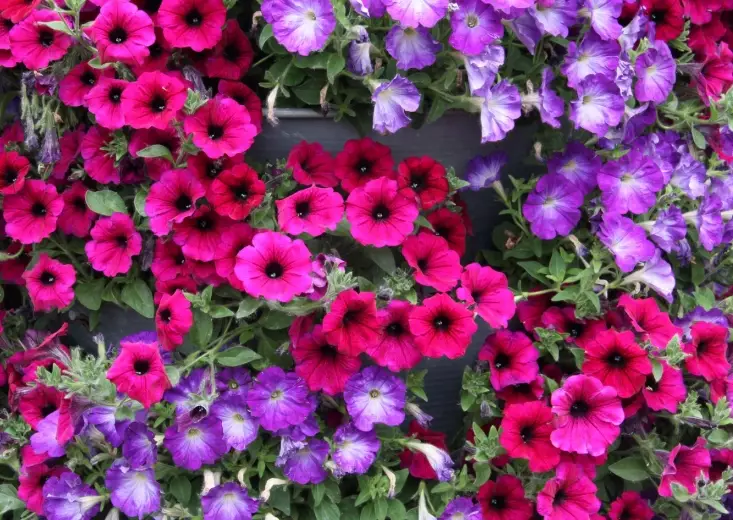
Commercial repellents typically fall into two categories: taste-based (bitter compounds) and smell-based (predator urine, garlic, eggs). The California Department of Fish and Wildlife notes that repellents are most effective when used before damage begins and when rotated periodically.
I've had decent results with commercial products containing putrescent egg solids. The sulfur smell seems to confuse rabbits' sense of where food might be. But after a few weeks, they seemed to realize it was just a smell.
Homemade repellents like pepper spray, garlic spray, or soap solutions have mixed reviews. I found hot pepper spray (made from blended hot peppers and water) worked for about a week. The main problem is consistency – you have to apply it diligently.
Pro Tip: Apply repellents in the evening. Rabbits are most active at dawn and dusk, so evening application gives the product time to dry and be most potent during their prime feeding times.
One homemade approach that surprised me: human hair. I collected hair from a local barber shop and scattered it around the garden perimeter. It worked for about three weeks, apparently mimicking human presence. Then it decomposed or lost its scent, and the rabbits returned.
Environmental Modifications: Making Your Garden Less Inviting
This is about changing the playing field so rabbits don't feel comfortable dining in your garden.
Remove hiding places near your garden. Brush piles, tall grass, dense shrubs – these provide cover where rabbits can hide and feel safe while eating. Clearing a perimeter around your garden creates exposure they don't like.
Consider companion planting. While no plant is completely rabbit-proof, interplanting petunias with strongly scented herbs like lavender, rosemary, or sage can sometimes confuse or deter rabbits. The theory is that the strong smells mask the appealing scent of the petunias. I've found this works moderately well – it doesn't stop determined rabbits, but it might make them nibble less.
Motion-activated sprinklers can be surprisingly effective. They startle rabbits with a sudden burst of water. The downside is they also startle you, your guests, and any other wildlife (or your cat). And they use water.
One of the most effective environmental changes I made was simply getting a dog. The dog doesn't chase rabbits all day, but her presence in the yard, her scent, and her occasional barking created an environment rabbits decided wasn't worth the risk. Of course, this isn't a solution for everyone.
What to Plant Instead: Rabbit-Resistant Flowers
Sometimes the best solution to prevent rabbits from eating petunias is to not plant petunias where rabbits are a severe problem. Or at least, not to rely on them as your main flower.
The term "rabbit-resistant" is important. Very few plants are truly rabbit-proof. A starving rabbit will eat almost anything. But some plants are consistently less appealing. The Missouri Botanical Garden maintains extensive lists of plants that tend to suffer less mammal damage.
Here are some good alternatives to consider mixing with or substituting for petunias:
- Snapdragons: Rabbits generally leave these alone. The foliage isn't as tender, and something about the flower structure seems less appealing.
- Geraniums: The fuzzy leaves and strong scent make most geraniums a poor choice for rabbits. I've rarely seen rabbit damage on mine.
- Salvia: Many varieties, especially those with fuzzy or aromatic leaves, are ignored.
- Marigolds: Their strong scent is a natural deterrent for many pests, including rabbits. French marigolds seem particularly effective.
- Ageratum: I'm not sure why, but rabbits consistently bypass my ageratum for tastier options nearby.
- Wax Begonias: The succulent leaves might seem tempting, but rabbits usually avoid them.
- Sweet Alyssum: While delicate, it's often untouched, perhaps because it grows so low and dense.
Plants rabbits tend to avoid usually have one or more of these characteristics: strong scents (herbs like mint, lavender), fuzzy or hairy leaves (lamb's ear, some salvias), thick waxy leaves (sedum, many succulents), or milky sap (euphorbias).
That said, I've seen lists that claim rabbits won't eat certain plants, only to find them nibbled in my garden. Local rabbit populations develop their own tastes. The rabbits in my area, for instance, won't touch my Russian sage but have sampled lavender, which is supposed to be resistant.
Strategy Tip: Create "sacrificial plantings." Plant a small patch of something rabbits love (clover, lettuce, beans) away from your prized flowers. Sometimes they'll focus on that easy meal and leave the rest alone. It doesn't always work, but it's worth a try in moderate pressure situations.
Frequently Asked Questions (FAQs)
Do rabbits eat petunia flowers or just the leaves?
They eat both, but they often go for the tender new growth and flower buds first. I've watched them carefully nip off just the flower, leaving the stem. Other times, they'll mow down the whole plant. It seems to depend on how hungry they are and how much time they have. If they're rushed, they grab the most nutritious parts (flowers and new leaves). If they feel safe, they'll eat everything.
Are petunias poisonous to rabbits?
No, petunias are not toxic to rabbits. In fact, that's part of the problem. Many common garden plants that are toxic to rabbits (like daffodils, foxglove, or lilies) are naturally avoided. Petunias are perfectly safe for them to eat, which is why they do it so readily. The ASPCA lists petunias as non-toxic to both dogs and cats, and this extends to rabbits as well.
Will coffee grounds keep rabbits away from petunias?
Maybe temporarily. The strong smell might confuse them or mask the scent of the plants for a short time. I've tried spreading used coffee grounds around plants. It seemed to work for a few days, then lost effectiveness. The grounds also can alter soil pH, so don't overdo it. It's not a reliable long-term solution, but as part of a rotation of smells, it might help.
Do ultrasonic devices work to keep rabbits away?
In my experience, no. I bought one of those solar-powered ultrasonic repellers. The rabbits didn't seem to notice it at all. Research from universities like University of Minnesota Extension suggests that ultrasonic devices have little proven effect on mammals like rabbits. They might work on some pests, but rabbits don't seem bothered.
Will mothballs protect my petunias?
Don't use mothballs. This is important. Mothballs are pesticides (naphthalene or paradichlorobenzene) designed for use in enclosed spaces to kill clothes moths. Using them outdoors is illegal in many areas, harmful to the environment, dangerous to pets and children, and not particularly effective for deterring rabbits. The rain washes the chemical away quickly, and the dosage spread over a garden isn't reliable for repelling animals. It's a bad idea all around.
Do rabbits eat petunias in pots on patios?
Yes, if they can access them. Rabbits can climb steps and jump onto low walls. A pot on a ground-level patio is just as vulnerable as a garden bed. A pot on a second-story balcony is probably safe unless you have incredibly ambitious rabbits. Elevation is your friend here. The higher the pot, the safer it is.
What time of day do rabbits eat petunias?
Primarily dawn and dusk (crepuscular feeding). But I've also seen them feeding on overcast days or even in bright daylight if they feel secure. In high-pressure areas with lots of rabbits, they'll adjust their schedule to when they feel safest. If your garden is quiet during the day, they might visit then too.
The Bottom Line: Coexistence is Possible
So, do rabbits eat petunias? Absolutely. But that doesn't mean you can't have a beautiful garden full of them.
The key is managing expectations and using smart, layered strategies. Start with the most effective methods first – physical barriers for your most precious plantings. Use repellents and environmental modifications as supporting players. Consider mixing in less appealing plants to reduce the overall attractiveness of your garden as a food destination.
Remember that rabbit pressure changes with seasons, weather, and natural food availability. What's a crisis in May might be a non-issue in August. Stay adaptable.
I've made peace with the rabbits in my area. I fence my vegetable garden religiously. I use a combination of fencing, selective planting, and occasional repellents for my flower beds. Some years are better than others. Some plants get nibbled. But overall, we coexist.
Gardening is always a negotiation with nature. Understanding why rabbits do what they do – why they find petunias so irresistible – is the first step toward a solution that works for both your flowers and the local wildlife. It might take some trial and error, but you can definitely have those gorgeous waves of petunias without feeding the entire local rabbit population.
Final Thought: If you're still wondering "do rabbits eat petunias in my area?", just look for the signs. The clean 45-degree angle cuts on stems are the smoking gun. Once you confirm their presence, you can move from wondering to taking action with the strategies that best fit your garden and tolerance level.
Happy gardening – may your petunias be plentiful and your rabbit visits minimal.
Comment