Quick Guide to This Post
Okay, let's just get this out of the way right at the start. The direct answer is a resounding no. Jack rabbits do not eat cows. Not even a little bit. The idea of a relatively small, long-eared hare taking down and consuming an animal hundreds of times its size is, frankly, a bit absurd when you stop to think about it. But you know what? It's a question that pops up more often than you'd think online. I've seen it in farming forums, in curious kid's questions, and even sprinkled into some wildlife myth lists. So, if you've ever typed "do jack rabbits eat cows" into a search bar, you're not alone in your curiosity, even if the premise seems off.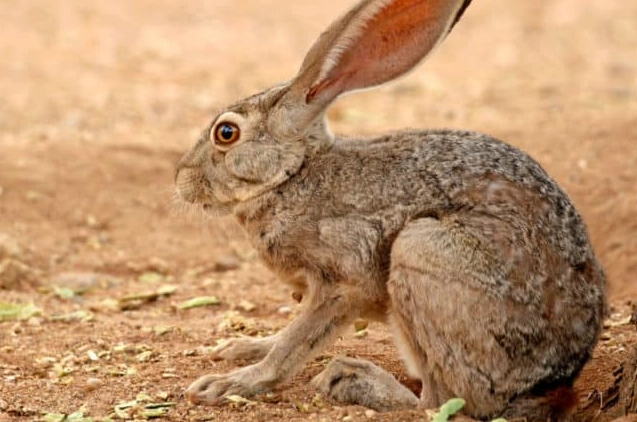
I remember talking to a rancher out in Wyoming once who chuckled when I brought this up. He said, "If jack rabbits ate cows, I'd be out of a job and we'd all be in a lot of trouble." His point was simple but effective. The ecological and biological reality makes this impossible. But the fact that the question exists means there's some confusion out there about what jack rabbits actually are, what they eat, and maybe where this strange idea comes from in the first place. Maybe it's the fierce-sounding name "jackrabbit," which sounds tough, or maybe it's a misunderstanding of wildlife behavior. Either way, let's dig into the real story.
The Straight Facts: Jack Rabbits Are Strict Herbivores
This is the core of everything. Jack rabbits, which are technically hares (not rabbits, but that's a story for another day), have a digestive system built from the ground up to process plant matter. They are obligate herbivores. That's a fancy way of saying their bodies are physically incapable of properly digesting meat. Asking if a jack rabbit eats a cow is a bit like asking if a cow eats eagles—it's just not in their biological programming.
Key Anatomical Evidence: Look at their teeth. Jack rabbits have continuously growing incisors perfect for snipping through tough grasses and vegetation. They don't have the sharp, tearing carnassial teeth that predators like foxes or coyotes use to shear flesh. Their entire gut is a fermentation vat designed to break down cellulose with the help of specialized bacteria, not to process protein and fat from meat.
Their diet consists almost entirely of:
- Grasses: The staple. From green spring shoots to dry, brittle winter stalks.
- Forbs: Those broad-leafed flowering plants you see in fields (think dandelions, clover).
- Shrubs and Bark: In leaner times, especially winter, they'll nibble on the bark of young trees and shrubs. This is where they can sometimes come into conflict with farmers or gardeners, as they might ring young fruit trees.
- Their Own Droppings: This one surprises people. Jack rabbits practice coprophagy, meaning they eat special soft droppings (cecotropes) directly from their anus to re-digest and extract maximum nutrients. It's efficient, if not exactly dinner table conversation.
So, the notion that a jack rabbit would hunt, kill, and consume a cow is completely at odds with millions of years of evolutionary adaptation. Their survival depends on efficiently processing low-quality plant food, not high-energy meat.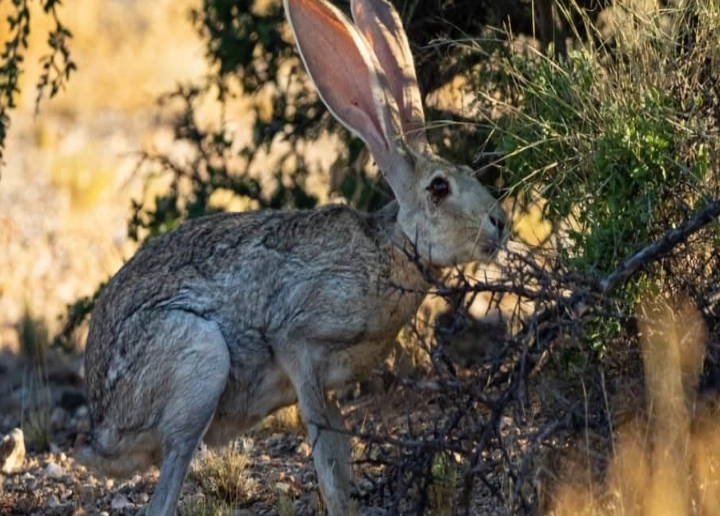
Where Could This Bizarre Idea Come From?
Now, this is the interesting part. Why does anyone think to ask, "do jack rabbits eat cows"? I've spent some time piecing together possible reasons, and some make a weird kind of sense if you squint.
First, the name. "Jackrabbit." It sounds fast, tough, maybe a little reckless. It doesn't sound like a gentle grazer. Combine that with their impressive size—some species like the White-tailed Jackrabbit can get pretty big—and maybe someone's imagination runs wild.
Second, and more plausibly, is misidentification and misunderstood behavior. A farmer might find a dead calf and see jack rabbits in the area. The rabbits aren't there as predators; they're opportunistic scavengers, possibly nibbling on the carcass for minerals or moisture. Seeing a hare with its face near a dead cow could easily be misinterpreted as the cause of death, not a consequence of it. The real culprit was likely a coyote, a mountain lion, or disease.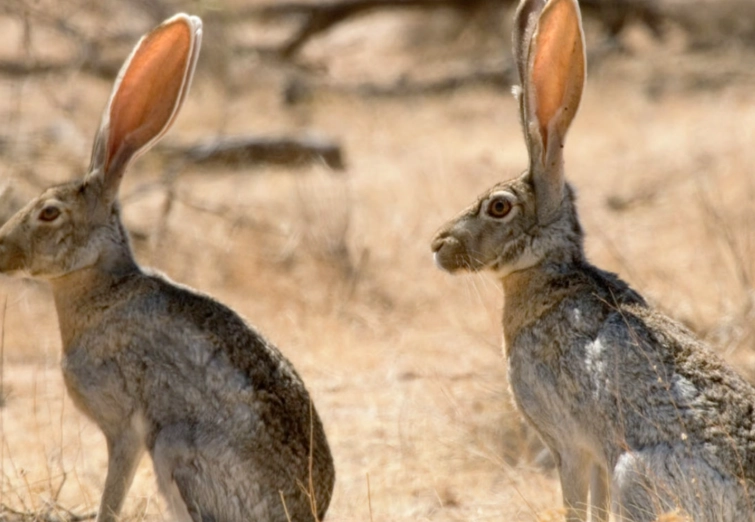
Myth vs. Reality Check: Seeing is not always believing in nature. Just because an animal is near a carcass doesn't mean it caused the death. Scavenging is a common behavior for many herbivores when the opportunity arises for essential nutrients like calcium or salt. It does not turn them into predators.
Third, there's the internet game of telephone. A weird question gets posted somewhere as a joke or out of genuine, if misplaced, curiosity. It gets clicks because it's so odd. Then, algorithms pick it up, more people see it, and suddenly it has a life of its own as a "common question." I suspect this is a big part of it.
The Real Relationship Between Jack Rabbits and Cattle
Since the search often comes from an agricultural context, let's talk about what the relationship really is. Do jack rabbits eat cows? No. But do they interact? Absolutely. And sometimes, it's not a friendly one from a rancher's perspective.
Competition, Not Consumption
This is the primary issue. Jack rabbits and cattle are both herbivores. They both eat grass. On shared rangeland, they are direct competitors for the same finite resource. In times of drought or on overgrazed land, a large population of jack rabbits can be seen as a problem because they're eating forage that could otherwise go to cattle. This is a legitimate economic concern for ranchers, and it's probably the root of any real tension between the species. It's not about predation; it's about the grocery bill.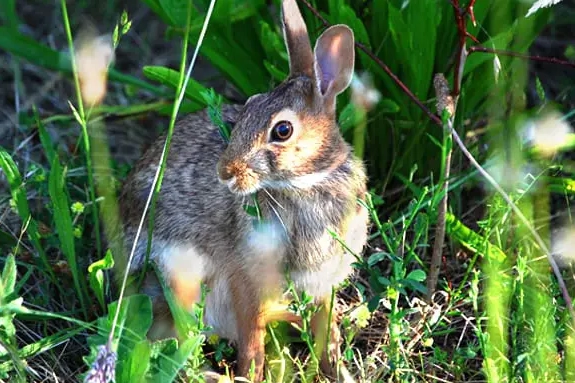
I once read a study from the University of California's Agriculture and Natural Resources division that framed it perfectly. It discussed managing rangeland health, noting that "multiple herbivores, including wildlife like jackrabbits and livestock, can impact forage availability." The focus is on holistic land management, not on painting the jack rabbit as a villain.
Disease and Parasite Concerns (The Indirect Threat)
This is a more valid, though still indirect, concern. Jack rabbits can be carriers of diseases or parasites that might theoretically affect cattle, though cross-species transmission isn't always straightforward.
- Tularemia: Also called rabbit fever. Jack rabbits can carry it. It's a bacterial disease that can infect many animals, including livestock and humans. Cattle could potentially be exposed through contaminated water or soil, or via ticks that have fed on an infected hare. The CDC has extensive information on tularemia, noting its complexity in the environment.
- Parasites: They can host various internal and external parasites. While many are species-specific, the shared environment means general parasite load in an area can increase.
Again, this isn't a jack rabbit actively attacking a cow. It's an issue of shared ecology and land management. Keeping rabbit populations in check and maintaining good herd health practices are the solutions here.
For Ranchers & Land Managers: If jack rabbits are an issue on your land, it's almost certainly a forage competition issue. Focus on habitat modification (reducing brush piles they use for cover), humane population control if necessary and legal, and most importantly, promoting robust, healthy pasture that can support multiple species. The goal is coexistence through smart management, not eradication based on a myth.
A Comparative Look: What Eats What?
Sometimes, the best way to understand an animal's place is to see it in context. Let's put the jack rabbit's diet side-by-side with animals that actually could pose a threat to cattle. This table makes the distinction crystal clear.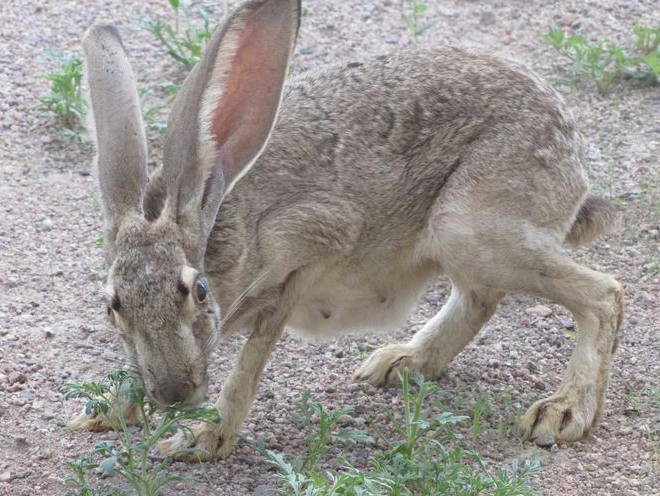
| Animal | Primary Diet | Potential Threat to Cattle? | Nature of Threat |
|---|---|---|---|
| Jack Rabbit | Grasses, forbs, shrubs, bark (Herbivore) | Virtually None (as a predator) | Forage competition. Scavenging on already dead animals. |
| Coyote | Small mammals, carrion, fruit, occasional livestock (Omnivore/Carnivore) | Yes, especially to calves | Direct predation on vulnerable newborns or sick adults. |
| Mountain Lion | Deer, elk, other large mammals (Obligate Carnivore) | Yes, to all ages | Direct predation. A significant threat to cattle in remote areas. |
| Domestic Dog (feral/pack) | Varied, often scavenged (Omnivore) | Yes | Not for food, but harassment and "sport" killing can injure or stress cattle. |
| Common Raven/Crow | Omnivorous scavengers | Indirect/Very Rare | May peck at eyes of newborn or dying calves (a grim but real behavior). |
Looking at this, you see the jack rabbit is in a completely different category. Its column is green and leafy, not red and meaty. The real threats to cattle come from true predators or, more commonly, from disease, weather, and calving difficulties.
Answering Your Burning Questions (The FAQ)
So, do jack rabbits EVER eat meat?
In extremely rare, documented instances, some herbivores (including rabbits and hares) have been observed engaging in opportunistic scavenging. This is usually driven by a severe dietary deficiency (like a lack of sodium or phosphorus) or extreme environmental stress. It is not hunting. It's nibbling on an already dead animal. This behavior is so aberrant it makes the news when it's caught on camera. It does not represent their natural diet. So, while a jack rabbit might chew on a dead cow carcass for minerals, it did not kill the cow, and meat is not a food source it seeks.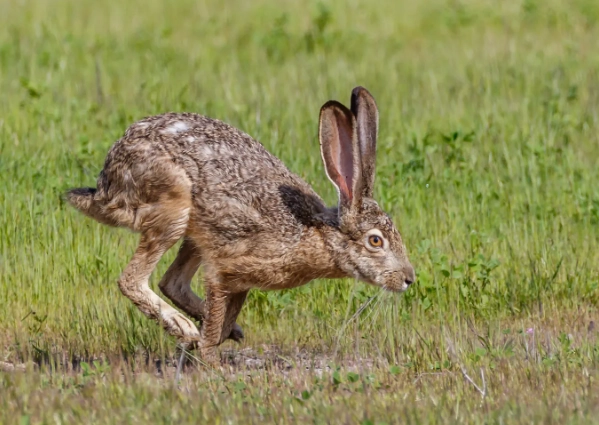
Could a jack rabbit harm a cow in any way?
Direct physical harm? No. A cow could easily kill a jack rabbit by accidentally stepping on it. The only conceivable "harm" is the competition for grass we talked about, or the very remote chance of disease transmission. You don't need to worry about a jack rabbit pack attacking your herd.
I saw a video online of a rabbit eating a baby bird. Does that mean they could eat a cow?
That's a huge logical leap. The rare event of a rabbit (usually an Eastern Cottontail, not necessarily a jack rabbit) eating a nestling bird is still in the realm of tiny, easy-to-access protein. It's worlds away from taking on a massive, living, defensive animal like a cow. One is a bizarre, opportunistic nibble; the other is an ecological impossibility. Using that to suggest they could eat a cow is like saying because a human can eat a sunflower seed, they could eat a boulder.
What SHOULD I worry about if I have cattle?
Focus on the real issues: proper nutrition, clean water, vaccination schedules, safe calving environments, protection from actual predators (coyotes, dogs, big cats), and managing internal parasites. Those are the things that truly impact herd health and your bottom line. Wondering if jack rabbits eat cows is a distraction from the practical work of animal husbandry.
Wrapping It Up: The Bottom Line on a Strange Question
Look, the internet is full of weird and wonderful questions. "Do jack rabbits eat cows?" is definitely one of the stranger ones. But exploring it gives us a chance to appreciate the clear, defined roles in nature. Jack rabbits are marvels of adaptation, built for speed and for surviving on sparse vegetation in open country. They are not miniature wolves. They are not secret killers.
They're just hares. Really fast, big-eared, grass-eating hares.
The confusion likely stems from a mix of their tough-sounding name, misunderstood scavenging behavior, and the very real agricultural conflict over shared food resources. But at the end of the day, the answer remains simple and biologically grounded.
A final thought from my own experience: I love watching jack rabbits. Seeing one bolt across a field at dusk is a thrill. They're a key part of the ecosystem, food for the predators that do pose a threat to calves. Removing them entirely would cause more problems than it solves. Understanding them—truly understanding what they do and don't eat—is the first step to managing any land they share with livestock effectively. And now, if anyone ever asks you "do jack rabbits eat cows," you can give them the full, fascinating, and definitive answer.
For anyone wanting to dive deeper into the science of lagomorph (rabbits and hares) biology or rangeland management, I always point people toward the resources provided by the USDA and the wildlife departments of major agricultural universities. They deal in facts, not myths, and their research helps farmers and nature coexist.
Comment