In This Article
- The First Food: Milk is Non-Negotiable
- The Big Transition: Introducing Solids (The Weaning Process)
- The Infant Rabbit Food Shopping List (And What to Avoid)
- Answering Your Top Questions on Baby Bunny Food
- Moving from Infant to Adult: The Timeline
- My Personal Experience and Pitfalls
- The Role of a Rabbit-Savvy Vet
- Wrapping It Up: The Simple Truth
So, you've got a baby bunny. Maybe you're a new rabbit parent, or perhaps you found an orphaned kit and stepped in to help. Either way, that first question hits you hard: what on earth do I feed this tiny creature? I remember the first time I held a baby rabbit that needed hand-rearing. The panic is real. Pet store shelves are packed with food for adult rabbits, but finding the right infant rabbit food feels like searching for a needle in a haystack. Let's clear up the confusion together.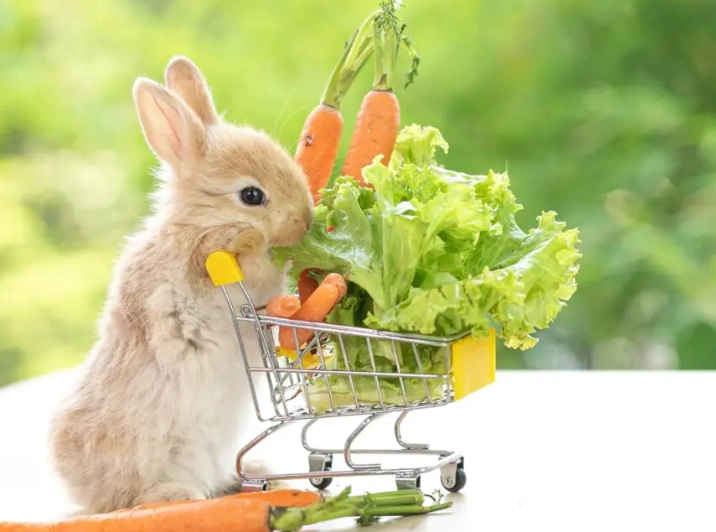
Feeding a baby rabbit isn't just about keeping its belly full. Get it wrong, and you can cause serious digestive issues or worse. But get it right, and you're setting the foundation for a long, healthy, and hoppy life. This guide will walk you through every single step, from the first bottle to the first bite of hay.
Quick Reality Check: A baby rabbit's dietary needs change dramatically in the first few months. What they eat at one week old is completely different from what they need at eight weeks. There's no one-size-fits-all food for infant rabbits.
The First Food: Milk is Non-Negotiable
For the first couple of weeks, it's simple: milk. But not just any milk. Cow's milk, goat's milk, or human infant formula are a big no-no. They are not suitable infant rabbit food and can cause fatal diarrhea.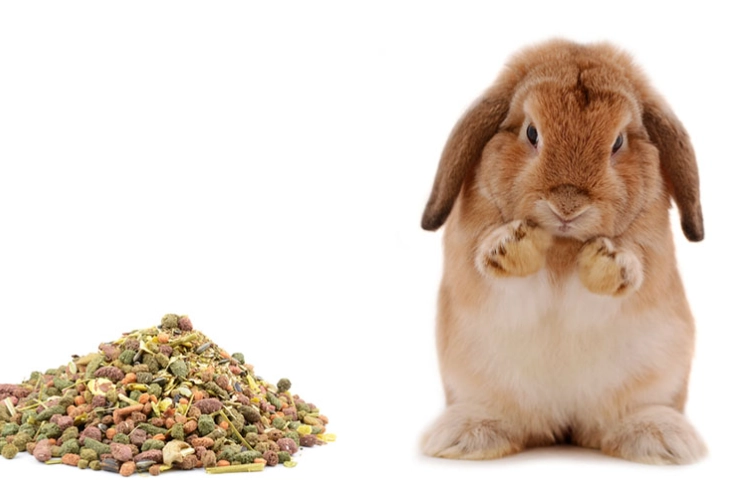
A mother rabbit's milk is incredibly rich—one of the richest among mammals. Your goal is to match that as closely as possible. You need a proper kitten milk replacer (KMR) or a specific formula like Esbilac. Some breeders also swear by adding a bit of heavy cream to up the fat content. The House Rabbit Society, a fantastic resource I always check, has detailed mixing ratios.
Feeding schedule? It's intense. Newborns need feeding twice a day. As they grow, you can space it out. The key is warmth, patience, and letting them feed at their own pace to avoid aspiration.
What If The Bunny Won't Nurse?
This is stressful. Sometimes they're weak, cold, or just stubborn. Warming the formula slightly and placing a drop on their lips can stimulate the suckling reflex. Gentle persistence is key. I've spent over an hour on a single feeding before. It's not glamorous, but it's necessary.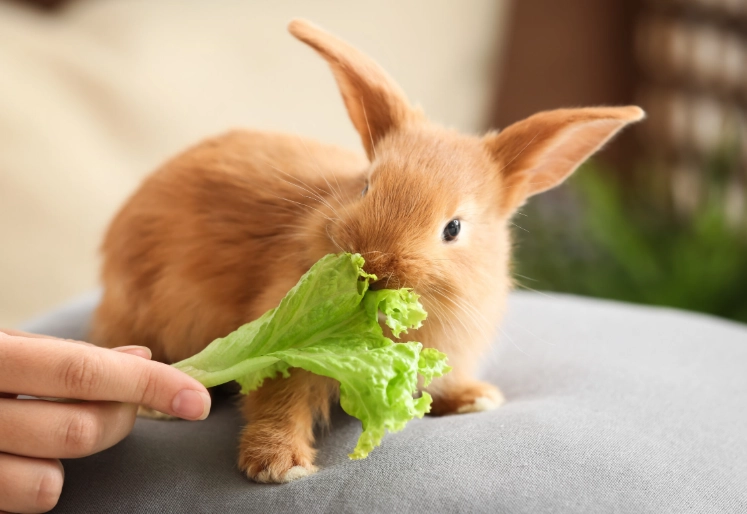
The Big Transition: Introducing Solids (The Weaning Process)
This is where most mistakes happen. Around 2-3 weeks old, their eyes are open, and they start to curiously nibble. This doesn't mean they're ready to ditch the milk! Milk should remain their primary infant rabbit diet until at least 6-8 weeks old. Solids are introduced slowly as a supplement.
Here’s the order of operations, the way I've found works best:
Step 1: Hay, Hay, and More Hay. The very first solid you introduce should be high-quality grass hay. Timothy hay or orchard grass are perfect. It's not about nutrition yet; it's about getting their digestive system and teeth moving. Place a soft, fluffy pile in their nest area.
Step 2: A Sprinkle of Pellets. Once they're nibbling hay, you can add a small handful of plain, high-fiber alfalfa-based pellets. Not the colorful muesli mix—those are junk food. Look for a plain pellet where hay is the first ingredient. Oxbow Young Rabbit Food is a brand I've used reliably.
Step 3: The Green Light on Greens. At around 3 months, you can start introducing fresh greens. One type at a time, in tiny amounts. Think romaine lettuce, cilantro, or a small basil leaf. Watch their poop like a hawk for the next 24 hours. If it's soft, back off and try again later.
The weaning process is gradual. You don't stop the milk one day and start pellets the next. You slowly decrease milk volume as their solid food intake increases. By 8 weeks, they should be fully weaned onto hay and pellets.
The Infant Rabbit Food Shopping List (And What to Avoid)
Let's get practical. What should actually be in your shopping cart for your baby bunny's food?
| Food Type | Best Choices for Infants | Amount/Frequency | Notes & My Experience |
|---|---|---|---|
| Milk Replacer | Kitten Milk Replacer (KMR), Esbilac Puppy Milk | 2x/day, per weight-based formula | Must be warmed. Mix fresh for each feeding. Can cause tummy upset if mixed wrong. |
| Hay | Alfalfa Hay (for young rabbits), Timothy Hay | Unlimited, 24/7 access | Alfalfa is higher in protein/calcium for growth. Switch to Timothy after 7 months. The quality varies wildly between brands—don't buy the dusty stuff. |
| Pellets | Alfalfa-based, plain pellets (e.g., Oxbow Young Rabbit, Science Selective Junior) | 1/4 cup per 3 lbs of body weight daily | Measure it! Overfeeding pellets is the #1 cause of an overweight bunny who ignores hay. I use a small kitchen scale. |
| Fresh Greens | Romaine, Cilantro, Basil, Dandelion greens (pesticide-free!) | A few leaves, 1-2x daily after 3 months | Introduce one at a time. I've had bunnies turn their nose up at cilantro but go crazy for basil. It's a personality test. |
| Water | Fresh, clean water | Unlimited, in a heavy bowl | Bowls are better than bottles for adequate intake. Change it daily, without fail. |
Now, the avoid-at-all-costs list. This is critical.
- Yogurt Drops or "Treats": Pure sugar. They disrupt gut bacteria.
- Muesli-Style Mixes: Rabbits pick out the tasty, unhealthy bits and leave the nutritious pellets. It's like letting a kid eat only the marshmallows from the cereal box.
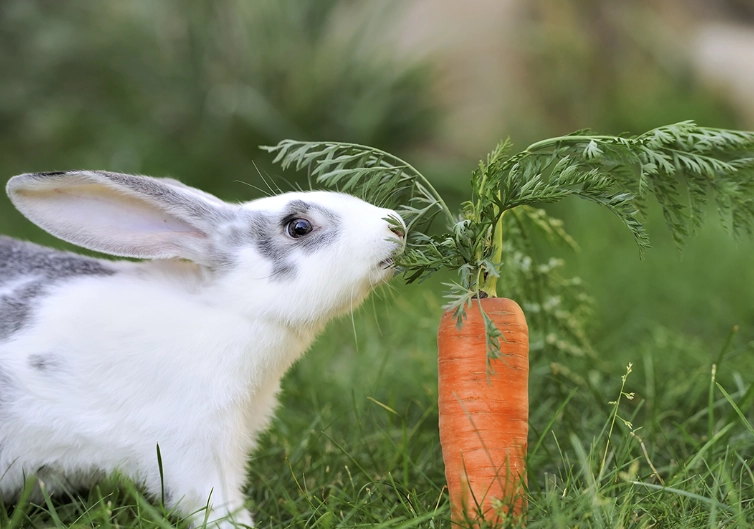
- High-Starch Veggies/Fruits: No carrots, apples, or bananas for infants. Their gut flora can't handle the sugar yet. Save these for tiny, rare treats in adulthood.
- Human Snacks: Bread, crackers, cereal. Just don't.
Answering Your Top Questions on Baby Bunny Food
I get a lot of questions from new owners. Here are the ones that come up again and again.
Moving from Infant to Adult: The Timeline
You don't want a rabbit stuck on a baby diet forever. Here's a rough timeline for transitioning their infant rabbit food to an adult diet. Remember, every bunny is different.
- Birth - 3 Weeks: Mother's milk or KMR formula only.
- 3 Weeks - 8 Weeks: Milk + unlimited alfalfa hay + limited alfalfa pellets. (The core infant rabbit food phase).
- 8 Weeks - 7 Months: Unlimited alfalfa hay, alfalfa pellets (measured).
- 7 Months - 1 Year: Start mixing timothy hay with alfalfa. Gradually switch pellets from alfalfa-based to timothy-based. Introduce a wider variety of greens.
- 1 Year+ (Adult): Unlimited timothy hay, measured timothy-based pellets, daily salad of varied greens, occasional fruit treat.
The biggest shift is the hay. Alfalfa is like growth fuel for babies, but it's too rich for adults. The pellet switch follows the hay switch.
My Personal Experience and Pitfalls
I learned most of this the hard way. My first baby bunny, Pip, was a dwarf mix. I made the classic mistake of giving him a bowl of "rabbit food" mix from the pet store when he was about 4 weeks old, thinking he was ready. He picked out all the colorful bits and seeds, left the pellets, and ended up with a mild case of GI stasis. A scary and expensive vet trip later, I learned the importance of plain pellets. Never again.
Another thing nobody tells you: baby rabbits can be messy drinkers. That cute little water bowl? They'll kick bedding into it, flip it over, and sit in it. I switched to a heavy ceramic crock that's too heavy to tip, and it solved 90% of the mess.
Honest Opinion: Some of the most marketed baby rabbit food products in big-box stores are the worst. The bags with pictures of carrots and corn are designed to appeal to you, not to meet your rabbit's needs. Always, always read the ingredient list.
The Role of a Rabbit-Savvy Vet
This guide is a starting point, but it's not a substitute for a good vet. Find an exotics vet who specializes in rabbits before you have an emergency. They can give you tailored advice for your specific breed and bunny. A check-up when you first get your baby is a great idea to establish a baseline. They can also help you understand proper body condition scoring—feeling for ribs and spine is a better guide than just looking.
Research from institutions like the UC Davis School of Veterinary Medicine consistently shows that diet is the cornerstone of rabbit health, preventing dental, digestive, and obesity issues down the line. Starting right with proper infant rabbit food is the best preventative care you can give.
Wrapping It Up: The Simple Truth
Feeding a baby rabbit boils down to a few simple, non-negotiable rules: the right milk, unlimited hay from the start, measured pellets, and a slow, patient introduction to everything else. It seems complicated at first, but once you get the rhythm, it becomes second nature.
The goal isn't just survival. It's about raising a thriving, active, curious rabbit with a digestive system that runs like a well-oiled machine. By focusing on the right infant rabbit food from day one, you're giving your bunny the absolute best start in life. And watching a healthy baby bunny binky around your room? That's the best reward there is.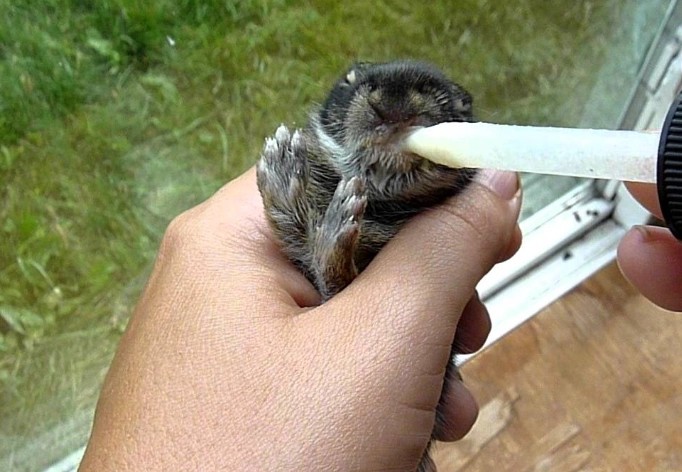
Got more questions? Drop them in the comments below. I'm not a vet, but I've been through the baby bunny trenches a few times and am happy to share what's worked (and what's definitely not worked) for me.
Comment