Let's get something straight right off the bat. The idea of a rabbit using a litter box isn't some magical internet myth. It's totally doable. In fact, it's often easier than people think because rabbits are naturally pretty clean animals with specific bathroom habits. They like to pick a spot and stick to it. Your job isn't to force a new behavior, but to work with their instincts. The whole process of how to train a rabbit to litter box is more about smart setup and gentle guidance than rigorous training.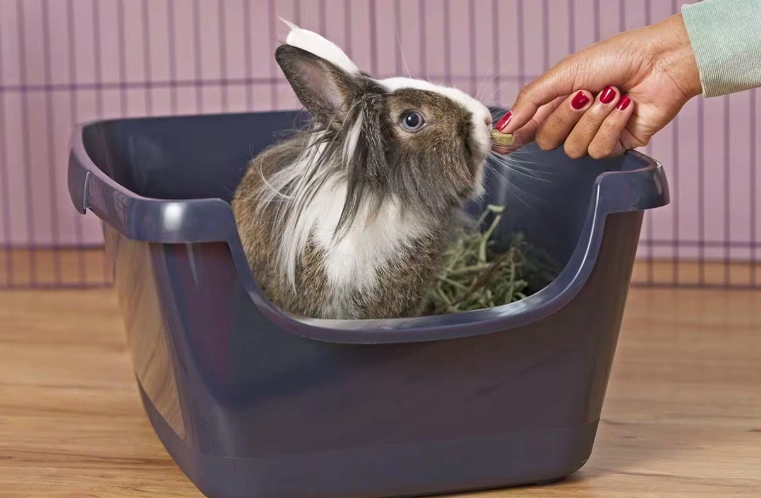
I remember when I first brought my rabbit, Mochi, home. I had this tiny corner litter box and some clumping cat litter (big mistake, by the way). I just plopped it in the corner and hoped for the best. Spoiler: it didn't work. There were more pellets outside the box than in it. It was frustrating. But once I understood why rabbits do what they do, everything clicked. That's what I want to share with you—not just a list of steps, but the reasoning behind them. Because when you get the "why," the "how" makes so much more sense.
Why Rabbits Are Actually Great Candidates for Litter Training
Think about where wild rabbits hang out. They have specific latrine areas to avoid attracting predators to their main living space. That instinct to keep their "nest" clean is hardwired. Your house is their territory, and they'll naturally choose one or two corners to use as their bathroom. Your mission in learning how to train a rabbit to litter box is to figure out which corner they've already chosen in their mind and just put the box there. You're not training so much as you're cooperating.
Spayed or neutered rabbits are infinitely easier to litter train. Hormones drive a lot of territorial marking (spraying urine, scattering feces). Getting your bunny fixed is the single most important thing you can do to set yourself up for success. The House Rabbit Society, a fantastic resource I wish I'd found sooner, states this unequivocally. It calms them down, makes them healthier, and drastically reduces those scent-marking behaviors. If your rabbit isn't fixed yet, consider that step one. Really.
Gathering Your Supplies: You Can't Build a House Without Tools
Getting the right stuff matters. Using the wrong litter can be harmful, and the wrong box will just annoy both you and the bunny. Here’s the non-negotiable shopping list.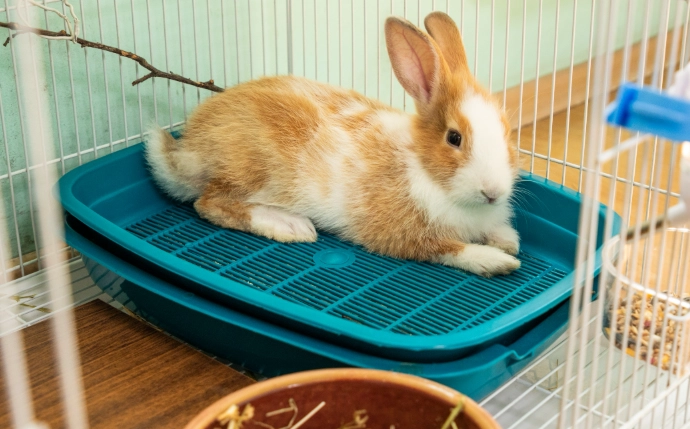
The Litter Box Itself
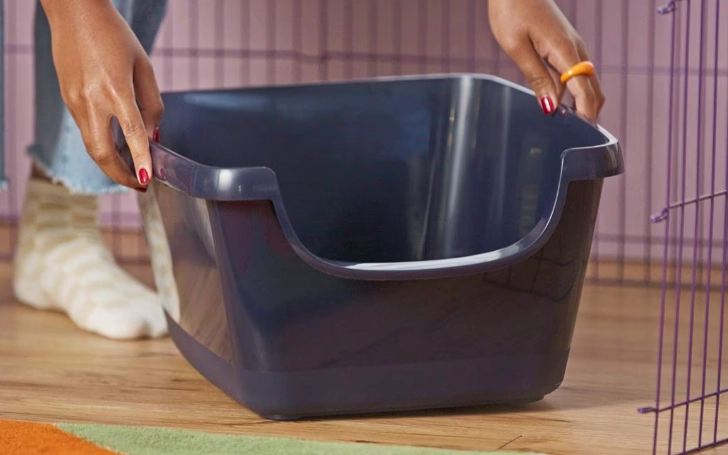
Forget the tiny corner triangles sold for small animals. They're usually too small. Rabbits like to turn around and get comfortable. A low-sided cat litter box is perfect. I use a simple, large rectangular one. If you have an older or disabled rabbit, make sure the side is low enough for them to hop in easily. For dwarf bunnies, a good-sized storage bin with a low-cut entrance can work wonders.
The Litter (This is Critical)
This is where I made my first big mistake. Never use clumping cat litter. If ingested, it can cause fatal blockages. Avoid cedar or pine shavings too; the aromatic oils can cause liver and respiratory issues. So what's safe?
| Litter Type | Pros | Cons | Best For |
|---|---|---|---|
| Paper-Based Pellets | Highly absorbent, controls odor well, dust-free, safe if ingested. | Can be more expensive, doesn't look "natural." | Most owners, especially for indoor rabbits. |
| Aspen Wood Shavings | Natural, relatively inexpensive, safe (unlike pine/cedar). | Less absorbent than paper pellets, can be dusty. | Owners on a budget who want a natural option. |
| Compressed Grass or Hay Pellets | Very natural, encourages hay consumption nearby. | Can break down quickly if very wet, may attract bugs. | Rabbits that are picky about litter texture. |
| Plain Newspaper (shredded) | Very cheap, readily available. | Not absorbent, gets soggy quickly, doesn't control odor. | A bottom layer under another litter, or very temporary use. |
My go-to is a thick layer of paper-based pellets. They last a decent while and keep the smell down, which is important if your rabbit's space is near where you live.
Hay, Hay, and More Hay
This is the secret weapon. Rabbits need unlimited timothy hay (or another grass hay) for their digestive health. And guess what? They love to munch and poop. Placing a generous handful of fresh hay directly in the litter box, or in a hay rack right next to it, encourages them to spend time there. Eating stimulates their gut, which stimulates... you get the idea. It creates a powerful positive association.
The Step-by-Step Process: How to Train Your Rabbit to Litter Box
Okay, you've got your supplies. Your rabbit is spayed/neutered (hopefully). Let's get into the actual process. Don't rush this. Go at your rabbit's pace.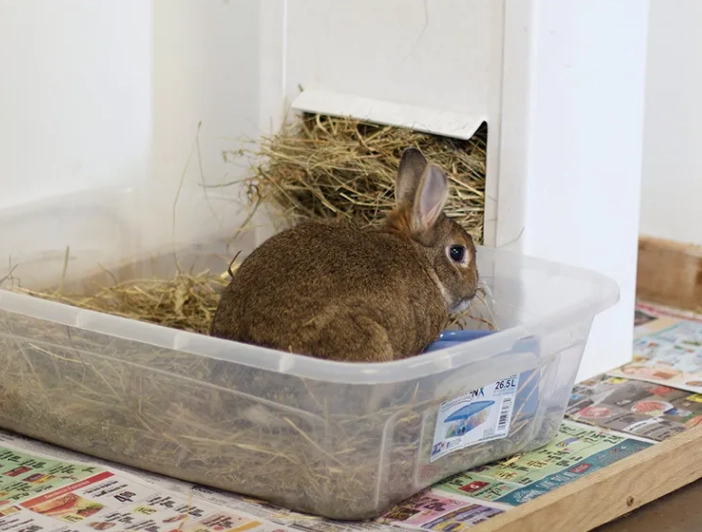
Step 1: The Confinement Phase
Start small. Confine your rabbit to a relatively small space, like an exercise pen (x-pen) or a single rabbit-proofed room. This space should contain their litter box, hay, water, and a hidey-house. The limited space makes it easier for them to find and consistently use the box. This is the foundation of learning how to train a rabbit to litter box successfully. Let them live here for at least a few days to a week, until they are using the box reliably (we're talking 90% of the time).
Step 2: Strategic Placement and Cleanup
Put the litter box in the corner they seem to prefer. If they've already chosen a different corner, move the box there. You work around their choice, not the other way. Now, here's a hands-on part: pick up any stray poops and any urine-soaked bedding (use paper towels) and put them directly into the clean litter box. This uses their scent to mark the box as the correct bathroom spot. Clean accidents outside the box with a white vinegar and water solution to fully remove the scent, so they're not drawn back to that spot.
Step 3: The Expansion Test
Once they're perfect in their small space, slowly give them access to a new, adjacent area. Supervise this expansion. If you see them back up into a corner or lift their tail (a sign they're about to urinate), gently herd them back to their litter box. If they have an accident in the new area, you might have expanded too quickly. Block off the new area again for a few more days. The goal is to build a rock-solid habit in the core area so that, even when exploring, they think, "My bathroom is back there."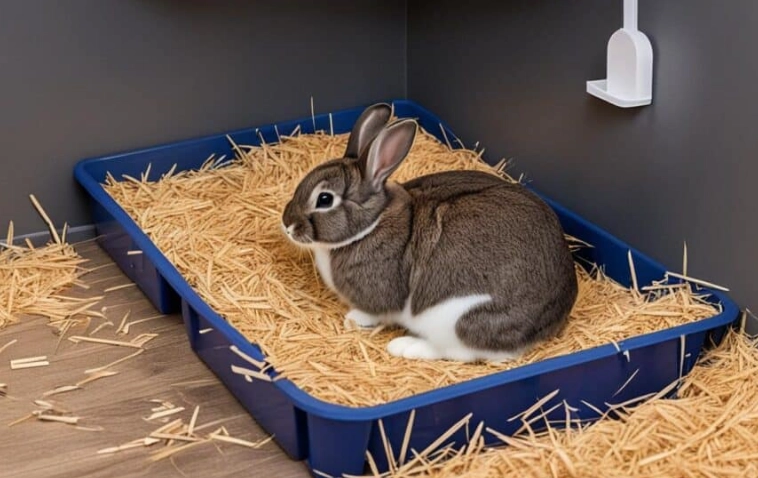
Some people recommend putting multiple litter boxes in a large space, especially at first. It's not a bad idea. If your rabbit free-roams a whole room, a box on opposite ends can prevent lazy accidents.
Troubleshooting Common Litter Training Problems
Even with the best setup, you'll hit snags. Here's how to decode what your rabbit is telling you.
Problem: Rabbit is peeing in the box but pooping everywhere.
This is super common, especially at first. Poop is less about waste removal and more about mild territorial marking. They're saying, "This is mine." Spaying/neutering helps the most. Also, those stray poops are usually hard, dry pellets that are easy to clean up. Just keep picking them up and putting them in the box. Over time, as they feel more secure, this often decreases. My rabbit still drops the occasional "calling card" when he's excited, like after playtime. I just sigh and sweep it up.
Problem: Rabbit is suddenly having accidents after being perfect.
This is a red flag. First, rule out medical issues. A urinary tract infection (UTI) or bladder sludge can make it painful or urgent, causing them to go wherever they are. A vet visit is crucial. If health is cleared, think about stress. Did you change the litter type? Move the box? Introduce a new pet or person? Rearrange the furniture? Rabbits are creatures of habit. Even a new air freshener can throw them off. Go back to basics with confinement for a bit to re-establish the habit.
Problem: Rabbit sits in the litter box all the time.
This can be a sign they feel safe there (it smells like them) or that their general housing isn't secure enough. Make sure they have other cozy hiding spots. Also, ensure the litter box is clean. A rabbit sitting in a dirty, wet box is a welfare issue. Spot-clean urine-soaked areas daily.
Advanced Tips and Rabbit Psychology
Once you've got the basics down, these finer points can take your success from good to great.
The Multi-Rabbit Household: Training multiple rabbits is interesting. They often will share a litter box, which is cute. But you need a bigger box, and you need to clean it more often. Sometimes a dominant rabbit will guard the box. Watch for that and provide a second option if needed. The process for how to train a rabbit to litter box is the same, but you're dealing with group dynamics.
The Picky Eater/Pooper: If your rabbit insists on pulling all the hay out of the box to eat it on the floor, try a different hay rack setup. One that hangs over the box but is hard to pull from. Or just accept it and put a mat under the rack. Pick your battles.
Litter Box Maintenance: This isn't glamorous, but it's vital. I do a quick scoop of wet spots and soiled hay every day. A full change happens every 3-4 days. A dirty box is the fastest way to break good habits. Would you use a filthy toilet?
Your Questions, Answered (The Real Stuff People Worry About)
How long does it take to litter train a rabbit?
There's no one answer. A spayed adult rabbit in a good setup might get it in a few days. A young, hormonal bunny might take weeks or months of consistent work. The key is to view it as a process, not a race. Setbacks are normal.
My rabbit eats their poop from the litter box. Is that normal?
Yes! This is called cecotrophy. Rabbits produce special soft, nutrient-rich pellets (cecotropes) usually at night, and they eat them directly from their bottom. It's a vital part of their digestion. It's different from the hard, round waste pellets. If you see them doing this, it's healthy. Don't stop them.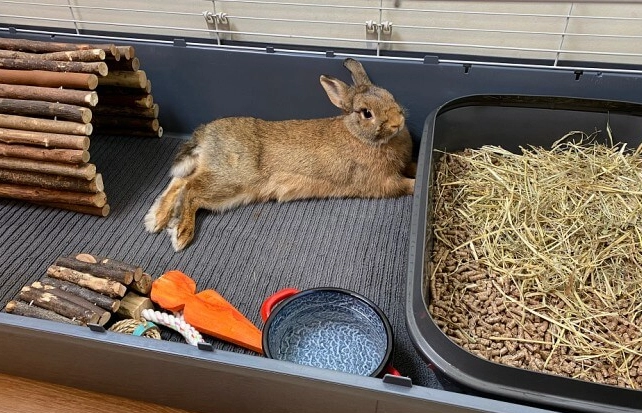
Can I use a covered litter box for rabbits?
I don't recommend it. Covered boxes trap ammonia fumes from urine, which is bad for their sensitive respiratory systems. They also limit the light and can make a rabbit feel trapped. Open-top boxes are safer and better for encouraging use.
What if my rabbit keeps flipping their litter box over?
That's a bunny with opinions! They might be bored or dislike the box. Try a heavier ceramic dish (meant for dogs) as a box, or secure a low-sided plastic box to the enclosure with zip ties (ensure no sharp edges). Sometimes it's just playful behavior—providing more toys and digging alternatives can help.
Figuring out how to train a rabbit to litter box is a journey with your pet. It requires observation, patience, and a willingness to adapt. You're not programming a machine; you're communicating with a small, smart animal with its own preferences.
Wrapping It Up: The Mindset for Success
Forget the idea of a perfectly trained robot rabbit. Success is 80% usage, not 100%. The occasional stray poop is part of life with a rabbit. The goal is to manage the urine (which is the smelly, damaging part) and contain most of the droppings.
Trust the process. Use the right safe litter. Leverage the hay connection. Clean consistently. And always, always let the rabbit's behavior guide you. If something isn't working, they're telling you. Change the box location, try a different litter, go back to a smaller space.
The resources from organizations like the WabbitWiki (a community-run knowledge base) and the House Rabbit Society are invaluable because they're based on decades of collective experience from people who've been through it all. They reinforce that this method isn't just my opinion; it's a widely proven approach.
In the end, mastering how to train a rabbit to litter box opens the door to a much richer relationship. It means your bunny can safely have more freedom in your home, leading to a happier, more social, and more active pet. And that's the whole point, isn't it?
Comment