In This Guide
You see them hopping around your yard in the morning, those little balls of fluff with the twitchy noses. Maybe you've found a nest of baby bunnies, or perhaps an adult rabbit seems to be hanging around your garden a little too much. The thought pops into your head: what can wild rabbits eat? Is it okay to toss them a carrot top? That lettuce from your fridge that's going limp?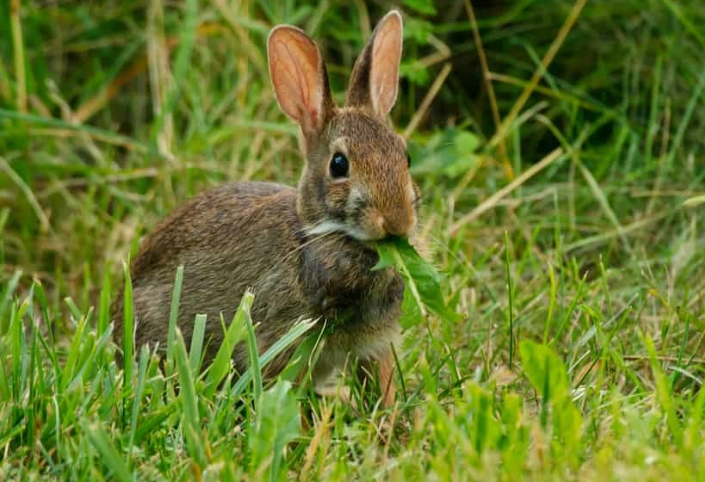
I used to think it was simple. Green things, right? But after watching the rabbits in my own backyard for years and doing a deep dive into wildlife biology resources, I realized their diet is a fascinatingly complex and delicate system. Getting it wrong isn't just about them turning their nose up at your offering; it can genuinely make them sick.
So let's cut through the cartoons and the well-meaning but often harmful advice. This isn't about turning you into a full-time rabbit chef. It's about understanding what's already on their plate in nature, when (and if) you should ever intervene, and how to avoid accidentally causing harm when you just want to help.
The Core of a Wild Rabbit's Diet: It's Not What You Think
Forget Bugs Bunny and his carrot. A wild rabbit's diet is surprisingly tough and fibrous. Their digestive systems are finely tuned fermentation vats designed for one main thing: breaking down roughage that most other animals can't touch.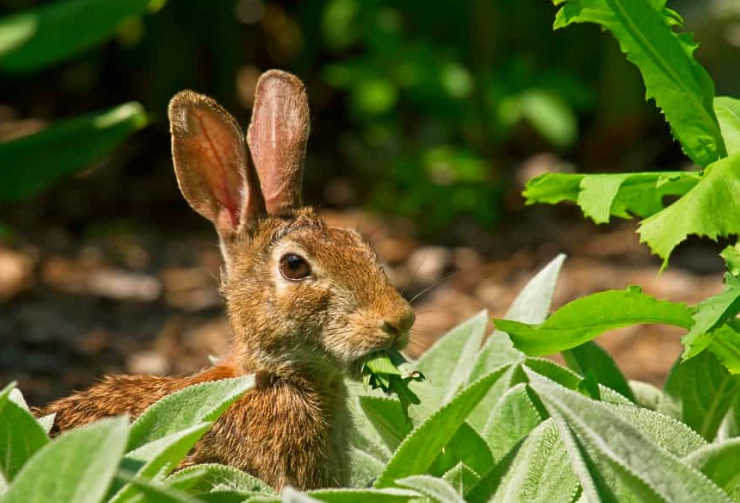
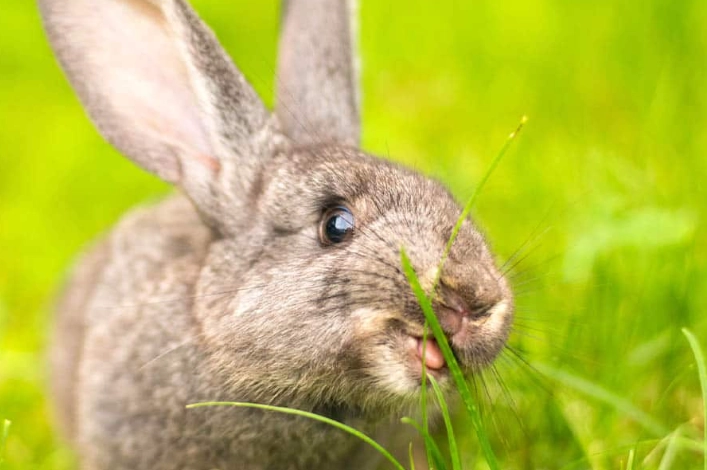
The answer to "what can wild rabbits eat" starts with grasses and hay. Not the lush, green, quickly-growing lawn grass we prize (which is actually too rich for them in large amounts), but the mature, fibrous stems and leaves of meadow grasses, timothy, brome, and orchard grass. This is their staple, their bread and butter, making up the vast majority of their intake. It's low in calories but high in the fiber essential for keeping their constantly growing teeth worn down and their gut moving. The Humane Society of the United States consistently emphasizes that wild rabbits are natural foragers for grasses and wild plants.
Then come the forbs. That's a fancy botanical term for broad-leafed flowering plants that aren't grasses. Think dandelions (the whole plant—leaf, flower, and stem are a rabbit superfood), clover, plantain, chickweed, and wild violets. These provide variety, additional nutrients, and moisture.
In winter, when the green buffet closes, they switch to bark, twigs, buds, and any remaining dried vegetation. It's a sparse menu, but their bodies are adapted to it. This seasonal shift is crucial to understand—their digestion changes with the available food.
The Safe Foods List: A Wild Rabbit's Grocery Aisle
If you're in a situation where you believe a wild rabbit genuinely needs supplemental feeding (more on that critical "if" later), here's what's generally considered safe. This list mirrors their natural foraging choices.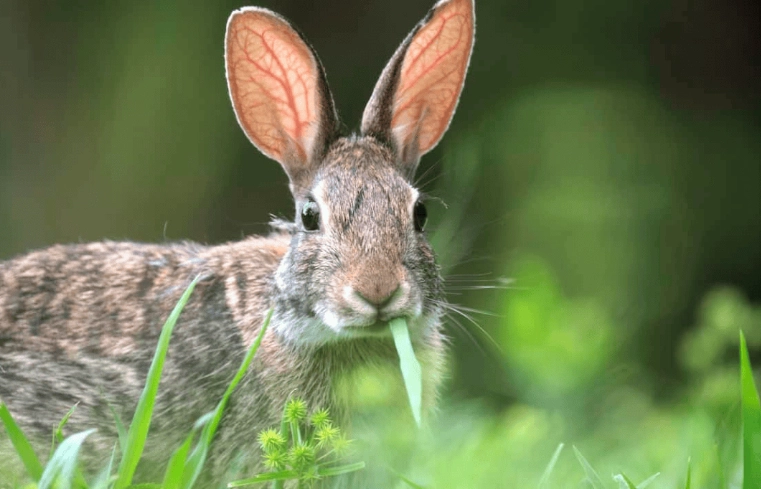
Top Safe Leafy Greens & Herbs
These should be dark, leafy, and ideally resemble their wild counterparts.
- Dandelion Greens: The absolute champion. High in calcium and vitamins. Just make sure they're from an area not treated with pesticides.
- Carrot Tops: The leafy greens, not the orange root! They love these.
- Parsley: Both flat-leaf and curly. A great occasional treat.
- Cilantro/Coriander: Usually well-accepted.
- Romaine Lettuce: The darker, the better. Avoid iceberg lettuce entirely—it's mostly water and has little nutritional value, which can actually lead to diarrhea.
- Kale: In strict moderation due to oxalates. A small leaf now and then is fine.
- Spinach: Same as kale—very occasional due to oxalates.
- Basil, Mint, Oregano: Herbs are fantastic and aromatic.
Safe Garden & Wild Plants
If you have a garden, you might already be growing rabbit food.
- Beet greens (the leaves)
- Radish tops
- Broccoli leaves (the actual florets in tiny amounts only)
- Raspberry & Blackberry leaves (excellent)
- Apple tree twigs and leaves (fruit only as rare treat)
See the pattern? It's mostly leaves and stems. The fruits and starchy roots we associate with food are barely a blip on their natural radar.
The Danger Zone: Foods That Can Harm or Kill Wild Rabbits
This is the most important part of understanding what wild rabbits can eat—by learning what they absolutely cannot. Their digestive systems are sensitive, and some common human or pet foods are toxic to them.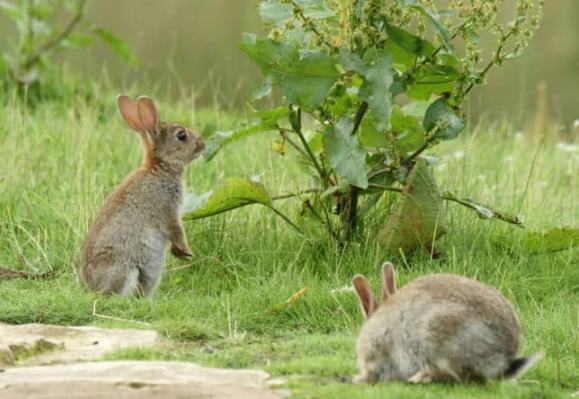
Let's break down the biggest offenders.
Highly Toxic & Dangerous Foods
| Food Category | Specific Examples | Reason for Danger |
|---|---|---|
| Human Processed Foods | Bread, crackers, cookies, cereal, pasta, chips | High in carbohydrates and sugars. Disrupts delicate gut bacteria, leading to potentially fatal GI stasis and obesity. Provides no nutritional benefit. |
| Sugary Fruits & Vegetables | Corn, peas, bananas, grapes, raisins, onions, garlic, potatoes (raw) | Too high in sugar or starch. Corn and peas are major culprits for deadly gut blockages. Allium family (onions, garlic) causes blood cell damage. |
| Toxic Plants | Iceberg Lettuce, Rhubarb leaves, Tomato leaves/vines, Potato plant leaves, Houseplants (lilies, philodendron, etc.) | Iceberg has lactucarium, which can be harmful in quantity. Rhubarb leaves are high in oxalic acid. Nightshade plant parts are toxic. |
| Animal Products & Other | Meat, dairy (milk, cheese, yogurt), nuts, seeds, chocolate, caffeine | Rabbits are strict herbivores. They cannot digest any animal protein or high-fat items. Chocolate and caffeine are direct toxins. |
The U.S. Food and Drug Administration (FDA) provides guidance on safe feeding for pets, and the principles of avoiding high-carb, high-sugar foods absolutely apply to their wild cousins with even greater urgency.
I think the bread thing is the most common mistake people make. It seems harmless, right? But it's like feeding them cement mix for their intestines. It swells up and just stops everything from moving.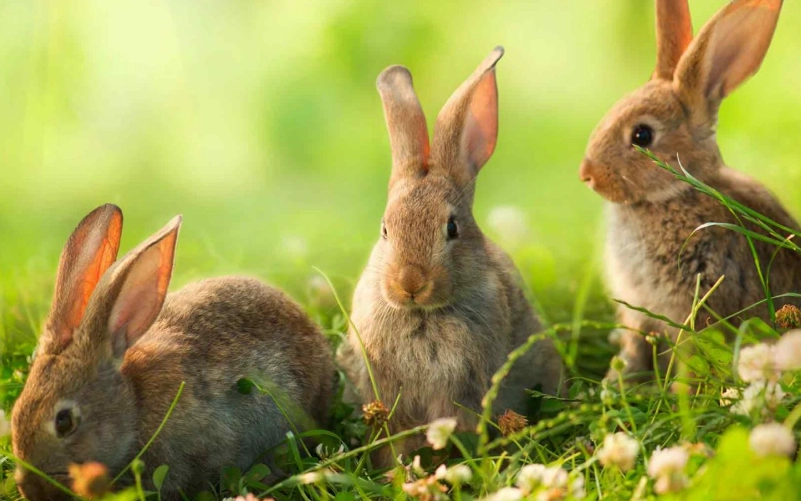
When Should You Even Consider Feeding a Wild Rabbit?
Here's the uncomfortable truth: most of the time, you shouldn't. A healthy, adult wild rabbit is an expert forager. Feeding them can:
- Make them dependent on humans.
- Attract them to dangerous areas (like roadsides).
- Concentrate them and spread disease.
- Attract predators to your yard.
The general rule from every wildlife rehabilitator I've ever spoken to is: let wild rabbits be wild. Their natural diet is perfect for them.
Possible Exceptions (Proceed with Extreme Caution)
There are a few edge cases where temporary, careful supplementation might be considered:
- You've confirmed a rabbit is injured or orphaned and are awaiting a rehabilitator. This is the #1 reason. If you find a baby bunny with eyes closed and alone for over 24 hours, or an adult visibly injured, contact a professional immediately. While waiting, they may advise you to provide specific foods. The National Wildlife Rehabilitators Association is a key resource for finding local help.
- An extreme, prolonged weather event has buried all natural food. Think a massive ice storm that coats everything for weeks. Even then, providing the right type of hay (timothy or orchard grass) in a sheltered spot is better than fresh greens.
- You are deliberately creating a rabbit-friendly habitat. This is the best approach! Instead of handing out food, plant it. Let a section of your lawn grow wild with clover and dandelions. Plant berry bushes and let the greens grow. This allows them to forage naturally without associating food directly with you.
Baby Wild Rabbits: A Special (and Often Misunderstood) Case
Finding a nest of baby bunnies sparks an urgent need to know what can wild rabbits eat, specifically the tiny ones. First: don't panic. Mother rabbits only visit the nest at dawn and dusk to feed to avoid attracting predators. The babies are often alone, which is normal.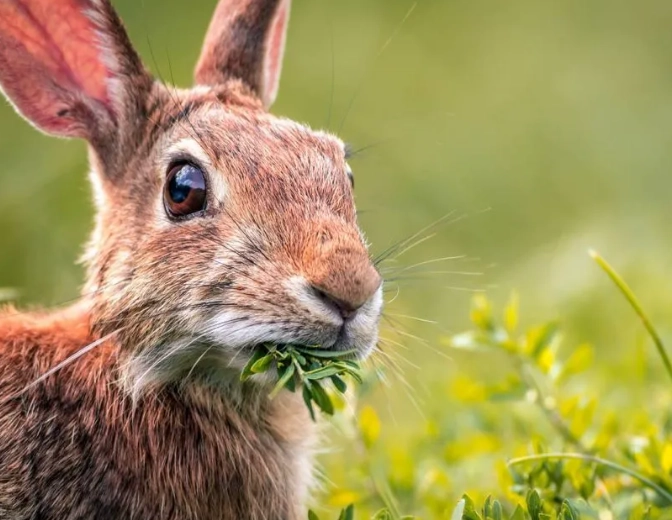
Do not feed them cow's milk, kitten milk, or human infant formula. This is a critical error. Their digestive systems cannot process it and it will cause fatal diarrhea. Rabbit milk is uniquely high in fat and protein.
If you are 100% certain the mother is gone (e.g., you witnessed her death) and you have a rehabilitator on the line guiding you, they will instruct you on obtaining proper formula (like Kitten Milk Replacer *with specific additive instructions*). This is complex, and syringe-feeding is risky. Professional help is non-negotiable for infant rabbits. Their survival rate with untrained care is tragically low.
Once their eyes are open and they start leaving the nest, they begin nibbling on the same fibrous plants as adults—clover, grass, dandelion leaves. The transition from milk to greens happens surprisingly fast in the wild.
Your Questions Answered: The Wild Rabbit Feeding FAQ
Let's tackle some of the specific, real-world questions that pop up when people are trying to figure out what can wild rabbits eat.
The Best Practice: Habitat Over Handouts
After all this, my strongest recommendation isn't about a specific food list. If you love seeing wild rabbits and want to support them, invest in their habitat, not a bag of groceries for them.
- Leave wild areas. Don't manicure every inch of your property. A brush pile provides shelter and insects for other animals they might co-exist with.
- Plant native. Native grasses, flowers, and shrubs are what they evolved to eat. They're more nutritious and hardy than many non-native ornamentals.
- Provide water, not food. A shallow, clean bird bath or ground-level water dish (with stones for escape) can be a lifesaver during a drought, benefiting all wildlife without the risks of inappropriate feeding.
- Stop using pesticides and herbicides. This is huge. You can't control what can wild rabbits eat if their entire foraging ground is coated in chemicals. Those dandelions might be their lunch.
At the end of the day, the most complete and accurate answer to "what can wild rabbits eat" is simple: whatever they find in their natural, unpolluted environment. Their menu has been perfected by evolution over millions of years. Our role isn't to rewrite it, but to protect the places where that menu is still served.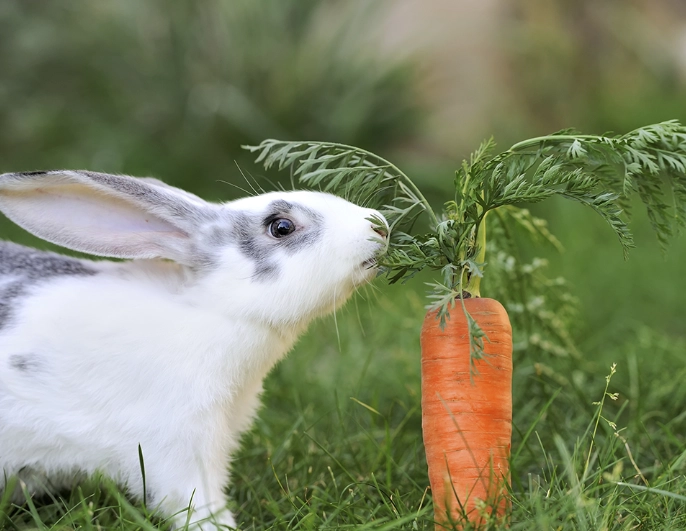
It's a shift in thinking—from wanting to feed an animal to wanting to preserve its ability to feed itself. And honestly, that's a much more satisfying and impactful goal.
Comment