Quick Navigation
Let's be honest, when most people picture a rabbit, they think of a little fluffball that fits in your hands. But then you see a picture online—someone cradling a rabbit the size of a small dog—and your whole world shifts. Suddenly, you're down a rabbit hole (pun absolutely intended) searching for "largest rabbit breed." I was there too. The allure is real. There's something incredibly captivating about a gentle giant hopping around your living room.
But here's the thing they don't always tell you in those cute videos. Owning one of the largest rabbit breeds is a whole different ball game compared to a standard-sized Netherland Dwarf. It's not just a bigger version of the same pet. It's a commitment that requires space, a sturdy budget for food and vet care, and a good understanding of what you're signing up for. I've talked to breeders, visited shows, and even helped a friend through the first year with a Flemish Giant. Some aspects were wonderful, others... let's just say we learned the hard way about reinforcing furniture legs.
This guide is for anyone curious, serious, or just amazed by these magnificent animals. We'll cut through the hype and look at the reality, the breeds, the costs, and the sheer joy (and occasional chaos) of living with a giant rabbit.
Top Contenders: The Heavyweight Champions of the Rabbit World
Not all big rabbits are the same. Some are long and lean, others are built like a brick. Some have laid-back personalities perfect for families, while others are a bit more... assertive. Let's meet the top five largest rabbit breeds you're likely to encounter.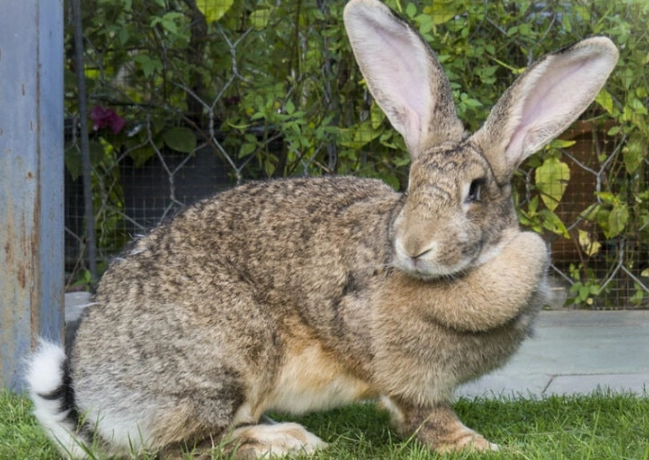
1. The Flemish Giant: The Gentle King
This is the classic, the one most people think of. Often called the "Gentle Giant," the Flemish Giant is an officially recognized breed with a long history. Their size isn't a fluke; it's bred into a standard. We're talking a semi-arch body type—imagine a hare's graceful curve—but on a massive scale. A good, healthy buck can easily hit 15 pounds, with some pushing past 20.
I remember the first time I met one at a show. It wasn't just its size; it was its demeanor. It sat there, regal and calm, while tiny, nervous rabbits skittered in cages nearby. They have a fantastic reputation for being docile and tolerant, which makes them a popular choice for families with calm children. But "gentle" doesn't mean "low maintenance." That 15+ pound body needs a lot of room to stretch and hop. A standard pet cage is an insult. You're looking at a custom pen or a fully rabbit-proofed room.
2. The Continental Giant (Conti): The Record Breaker
If the Flemish Giant is the aristocratic breed, the Continental Giant is the superstar athlete going for gold. In many European countries, "Continental Giant" is the recognized breed name. However, in the pet and record-holding world, "Contis" are often bred with a singular focus: maximum size. This means you see less emphasis on a specific body shape or color and more on just getting big.
This is why rabbits like Darius or Alice (past record holders) were Continental Giants. They can reach staggering weights of 25 pounds or more. It's crucial to understand that size at this extreme must come with proportionate health. A reputable breeder prioritizes healthy bone structure and organ function, not just scale numbers. An unsound giant rabbit is a heartbreak waiting to happen, with potential for joint issues and heart strain.
"Choosing a giant rabbit breed based solely on potential size is like choosing a dog breed only for its weight. Temperament, health, and lifestyle fit matter so much more in the long run."
3. The Checkered Giant: The Athlete
Don't let the name fool you; the "Giant" here refers more to its frame and presence than pure weight. Checkered Giants are a full-arch breed—think extreme, racehorse elegance. They are long-legged, powerful, and built for movement. They typically max out around 12-13 pounds, but every ounce of it is lean muscle.
This breed is not for the faint of heart or for someone wanting a couch cuddle bug. They are energetic, intelligent, and can be wilful. They need massive amounts of exercise and mental stimulation. A friend who shows them describes them as "the border collies of the rabbit world." If you want an active, engaging pet and have the space for it to really run, a Checkered Giant is a breathtaking choice. If you want a placid lap rabbit, look elsewhere.
4. The Giant Chinchilla: The Plush Survivor
This breed has a wonderful story. It was developed in the early 1900s in the US, named for its gorgeous fur that resembles the South American chinchilla. It was a commercial success for meat and fur, but today it survives primarily as a show and pet breed. It's a commercial body type—think rounded, deep, and solid—usually weighing between 12 and 16 pounds.
What I love about Giant Chinchillas is their dual nature. They have that substantial, sturdy feel of a working breed but are typically known for very sweet, calm dispositions. They are less common than Flemish or Contis, so finding a breeder might take some work. Their stunning silver-tipped grey fur is a real head-turner and requires regular grooming to keep it in top condition.
5. The Spanish Giant: The Rare Colossus
This one is the dark horse (or dark rabbit) on the list. The Spanish Giant is a landrace breed, meaning it developed naturally in a specific region of Spain over centuries, not from planned breeding programs. They are truly massive, often rivaling the Continental Giant in potential size, with a more rustic, powerful build.
The challenge? They are extremely rare outside of Spain. Importing one is a complex, costly, and ethically fraught process. For most people seeking a giant rabbit, the Spanish Giant will remain a fascinating footnote. But it's worth mentioning because it highlights that the pursuit of the largest rabbit breed has deep roots in different parts of the world.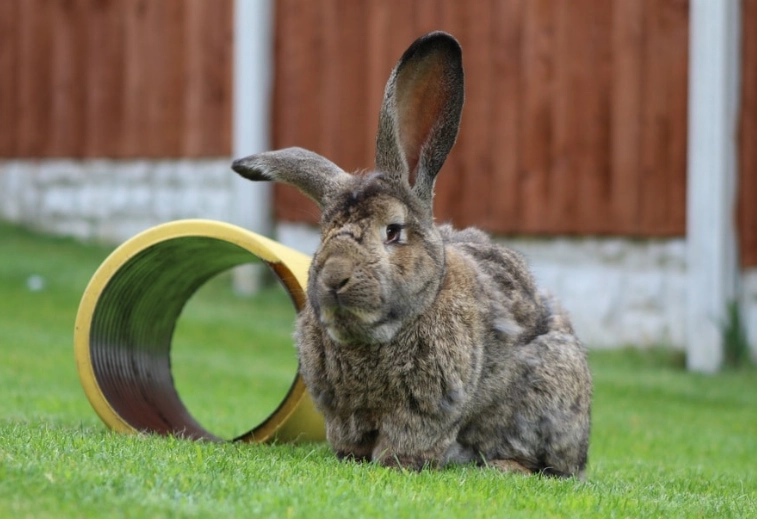
| Breed | Average Weight | Body Type | Temperament | Best For |
|---|---|---|---|---|
| Flemish Giant | 13-20+ lbs | Semi-Arch | Docile, Gentle, Calm | Families, First-time giant owners |
| Continental Giant | 16-25+ lbs | Commercial/Semi-Arch | Variable, Often Friendly | Experienced owners, Those not focused on strict breed standards |
| Checkered Giant | 11-13 lbs | Full-Arch | Energetic, Intelligent, Active | Active owners, Experienced rabbit keepers |
| Giant Chinchilla | 12-16 lbs | Commercial | Placid, Sweet, Gentle | Those wanting a calmer, plush giant |
Beyond Size: What It Really Takes to Care for a Giant Rabbit
Okay, so you're smitten with the idea of a Flemish or Conti. Let's talk logistics. This is where the dream meets reality, and getting it right is everything for the rabbit's health and your sanity.
Space: Your Living Room is Now a Bunny Stadium
Forget cages. Seriously. The minimum enclosure for a giant breed should be at least 8 square feet of continuous space, and that's just for sleeping and eating. The House Rabbit Society, a fantastic and authoritative resource, emphasizes that rabbits need room to run. For a giant, that means several hours daily in a much larger, safe exercise area. We're talking a whole room or a massive, puppy-pen style setup.
Rabbit-proofing is non-negotiable. They will chew baseboards, dig at carpets, and sample your furniture. Cord protectors are your best friend. Providing a wealth of approved chew toys (apple wood, willow baskets) is critical to direct that natural behavior.
Diet: The Hay Mountain and The Pellet Puzzle
Their diet is simple in principle, staggering in volume. Unlimited, high-quality grass hay (Timothy, Orchard, Oat) is 80-90% of their food. A giant rabbit can go through a flake of hay like it's nothing. You'll buy hay by the bale, not the bag.
Pellets need careful measurement. It's a common mistake to overfeed pellets because "he's so big!" But overfeeding pellets leads to obesity and health problems. Follow guidelines based on ideal weight, not current weight if the rabbit is overweight. A handful of fresh, leafy greens daily adds variety and nutrients. Always consult a rabbit-savvy vet for a personalized diet plan. The American Veterinary Medical Association (AVMA) provides general guidance on exotic pet care, but a specialist is key.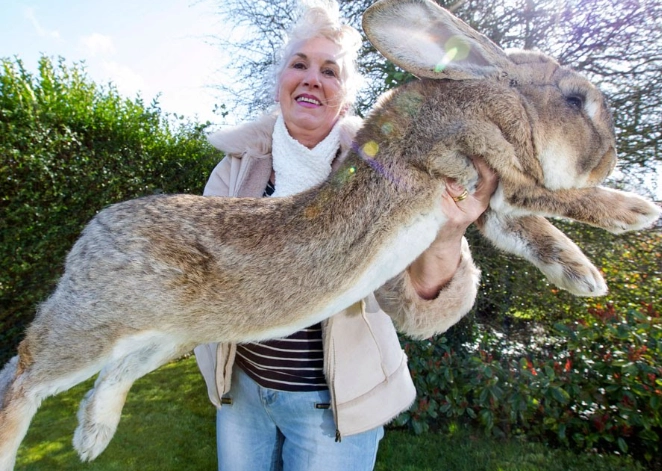
Health and Vet Care: Finding a Specialist and Budgeting
Not all vets see rabbits. Even fewer are comfortable with giants. Before you bring a rabbit home, find and confirm your exotic vet. Ask if they have experience with Flemish Giants or Continental Giants. A standard cat/dog vet is not equipped for rabbit-specific issues like GI stasis, which is a life-threatening emergency.
Everything costs more. Medications are dosed by weight. Spaying/neutering is a more complex surgery on a larger animal. Annual check-ups are essential. Start a vet fund. A common health consideration for the largest rabbit breed candidates is heart health. The sheer size can strain the cardiovascular system, so regular vet assessments are crucial.
Your Giant Rabbit Questions, Answered (FAQ)
Making the Decision: Is a Giant Rabbit Right for You?
Let's do a quick gut check. A giant rabbit breed might be a fantastic fit if: you have ample indoor space, a stable income for food and vet bills, have done your research, and are drawn to their unique personality, not just the "wow" factor.
You should probably reconsider if: you live in a small apartment, are on a tight budget, travel frequently, or want a low-maintenance pet. They are not low-maintenance.
My final piece of advice? If you're serious, seek out a reputable breeder who prioritizes health and temperament. The American Rabbit Breeders Association (ARBA) website has a breeder directory. Ask hard questions about genetic health, parents' sizes and temperaments, and their breeding philosophy. Avoid anyone who just brags about weight records.
Or, consider adoption. Rescue organizations sometimes have giant rabbits surrendered by owners who were unprepared. Giving one a second chance is incredibly rewarding.
Living with one of the largest rabbit breeds is an adventure. It's messy, expensive, and requires dedication. But it's also filled with moments of pure magic—the soft thump of a content giant, the sight of them flopped over in total relaxation, the unique bond you form with a creature that is both powerful and delicate. It's not for everyone, but for the right person, it's an experience like no other.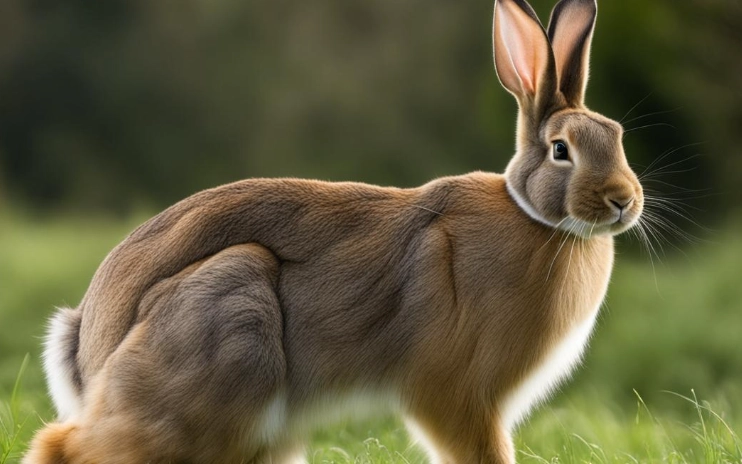
Comment