Your Rabbit Breed Quick Guide
- Why Are There So Many Different Kinds of Rabbits Anyway?
- The Main Categories: Breaking Down Rabbit Breeds
- Deep Dive on Popular Kinds of Pet Rabbits
- How to Choose YOUR Rabbit: It's Not Just About Looks
- Caring for Different Kinds of Rabbits: The Universal Truths & The Breed-Specific Needs
- The Bottom Line: Look Beyond the Fluff
So you're thinking about getting a rabbit, or maybe you just fell down a rabbit hole (pun intended) looking at cute bunny pictures online. Suddenly you realize—there are so many kinds of rabbits out there! It's not just "the white one with red eyes" from the pet store anymore. We're talking about dozens of breeds, each with their own personality, quirks, and care needs. It can be totally overwhelming.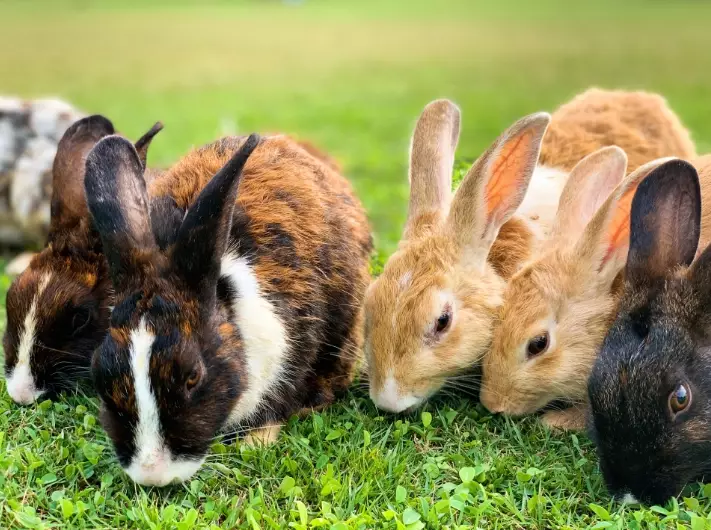
I remember when I got my first rabbit. I walked into the shelter thinking I'd just get "a rabbit." An hour later, I was completely confused by the different sizes, ear types, and fur lengths. That experience is what made me dive deep into learning about all the different kinds of pet rabbits. And let me tell you, the variety is incredible.
Here's the thing most people don't realize: Choosing between different kinds of rabbits isn't just about looks. It's about matching a living creature's needs with your lifestyle. A rabbit isn't a decoration—it's a 5-12 year commitment that needs specific care.
Why Are There So Many Different Kinds of Rabbits Anyway?
Good question. Rabbits have been domesticated for over a thousand years, originally for meat and fur. But as pets became more popular, especially in the last century, breeders started developing specific traits. Some were bred for show—perfect markings, ideal body shape. Others were bred for their wool (yes, rabbit wool is a thing), or for their calm temperament as companions.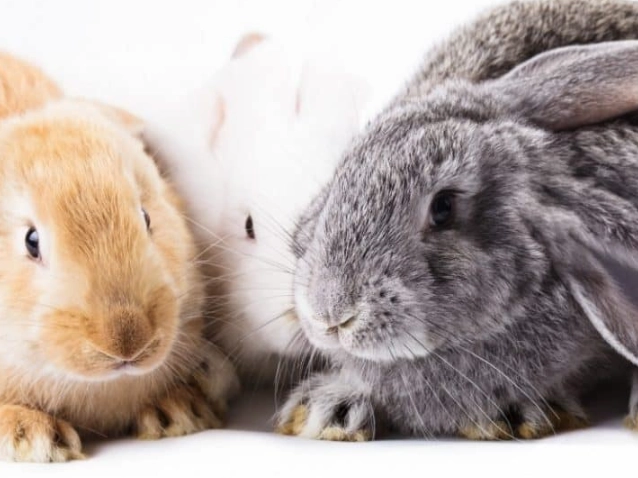
The American Rabbit Breeders Association (ARBA) officially recognizes 51 breeds as of their latest guide, but there are even more varieties worldwide. That's a lot of bunnies to choose from!
When we talk about kinds of rabbits, we're usually grouping them by size, fur type, or purpose. But honestly, the most useful way to think about it is: "Which rabbit will fit best in my life?"
The Main Categories: Breaking Down Rabbit Breeds
Let's start with the big picture. Most rabbit breeds fall into a few main categories. This isn't an official scientific classification—it's more of a practical way to wrap your head around all the options.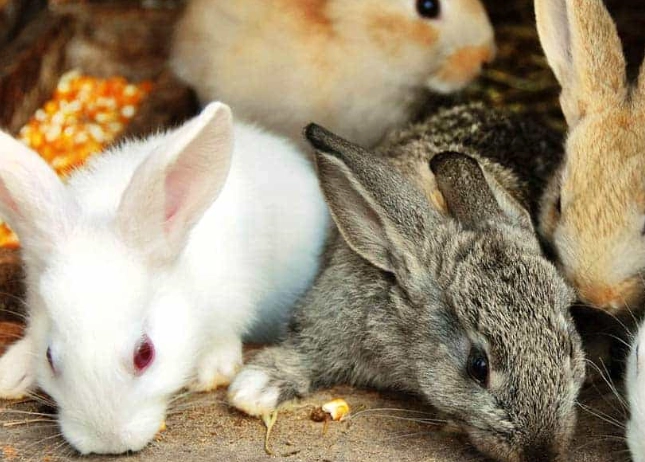
By Size (This Matters More Than You Think)
Size isn't just about cuteness factor. It directly impacts how much space they need, how much they eat, and even their typical personality traits.
| Size Category | Weight Range | Example Breeds | Good For... | Considerations |
|---|---|---|---|---|
| Dwarf & Small | Under 4 lbs (1.8 kg) | Netherland Dwarf, Polish, Britannia Petite | Apartments, first-time owners with limited space | Can be more skittish or energetic; delicate bones |
| Medium | 4-8 lbs (1.8-3.6 kg) | Dutch, Havana, English Spot | Most families, balanced temperament | The "Goldilocks" zone—not too big, not too small |
| Large | 8-12 lbs (3.6-5.4 kg) | Rex, Californian, Champagne d'Argent | Experienced owners, homes with more room | Generally calmer; need larger enclosures |
| Giant | 12+ lbs (5.4+ kg) | Flemish Giant, Continental Giant, French Lop | Those wanting a dog-like companion, plenty of space | Significant food/hay costs; require sturdy housing |
I've had both a Netherland Dwarf and a Rex (medium-large). The difference was night and day. The dwarf was like a hyperactive toddler—zooming everywhere, always curious, but a bit nervous. The Rex was more like a laid-back cat—happy to lounge near me while I worked. Both were wonderful, but suited different phases of my life.
By Fur Type (The Grooming Factor)
This is where people often get surprised. Rabbit fur isn't all the same, and grooming needs vary dramatically.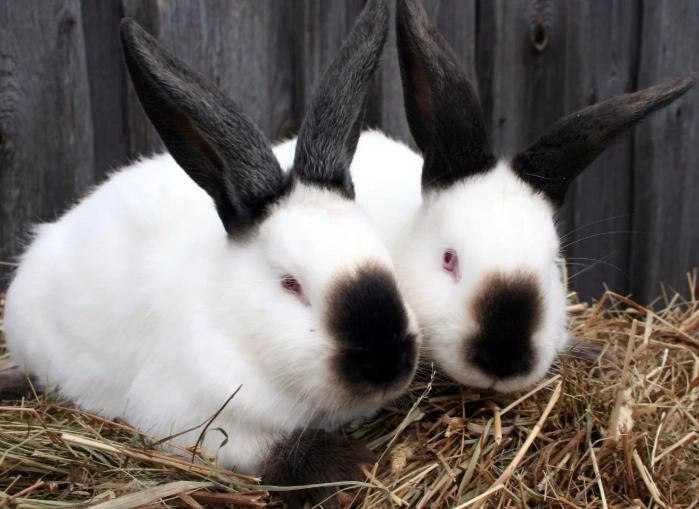
The Four Main Fur Types in Kinds of Rabbits:
- Normal/Rollback: What most rabbits have. Short to medium length, soft, lays back when petted from tail to head. Breeds: New Zealand, Dutch. Grooming: Weekly brushing, daily during shedding.
- Rex: The velvet of the rabbit world. Super dense, plush, about 1/2 inch long with guard hairs the same length as undercoat. It feels incredible. Breeds: Standard Rex, Mini Rex. Grooming: Moderate; their fur is prone to matting if neglected.
- Satin: Has a unique hair structure that makes it super shiny and reflective. It's gorgeous but not for show-only—they make great pets too. Breeds: Satin, Mini Satin. Grooming: Similar to normal fur.
- Angora/Wool: The high-maintenance divas of the rabbit world. Long, continuous growth wool that must be regularly sheared or plucked. Breeds: English Angora, French Angora, Giant Angora. Grooming: Daily brushing required to prevent life-threatening mats.
Let me be brutally honest about Angoras: Unless you're prepared to treat grooming as a daily meditation practice, don't get one. I fostered an English Angora for a month, and despite my best efforts, he still developed a small mat behind his ear. It's a huge commitment. Beautiful? Absolutely. Practical for most people? Not really.
By Ear Type (Lop vs. Upright)
This is mostly about aesthetics, but it can affect health. Lop-eared rabbits have those adorable droopy ears, while upright-eared rabbits have alert, standing ears.
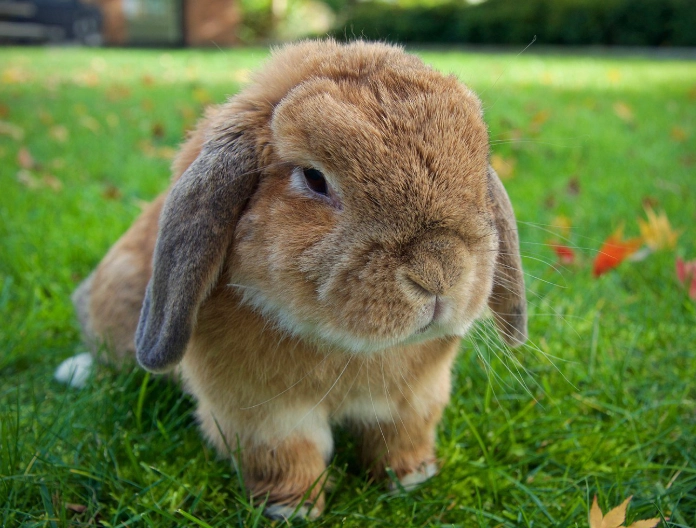
Lop breeds (Holland Lop, Mini Lop, French Lop) are incredibly popular—they look perpetually sweet. But their ear canals are more prone to infection because air circulation is reduced. They need regular ear checks. Upright-eared breeds generally have fewer ear issues.
Is one better than the other? Not really. It's personal preference. But if you're not keen on learning how to clean rabbit ears (which you should know anyway), an upright-eared breed might be slightly less work.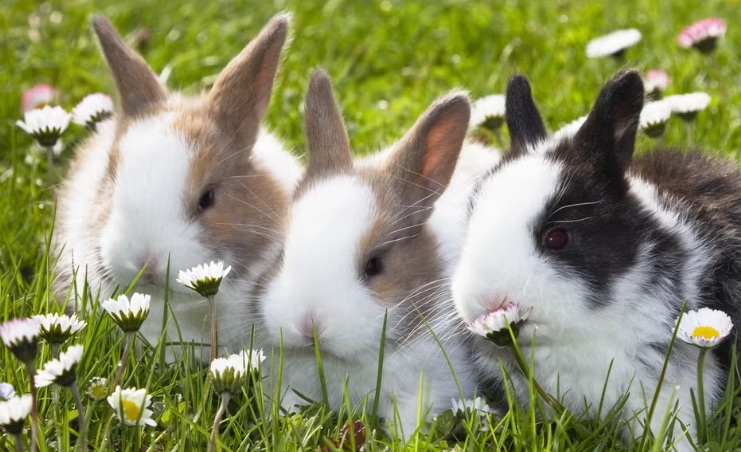
Deep Dive on Popular Kinds of Pet Rabbits
Okay, let's get specific. Here are some of the most common rabbit breeds you'll encounter, with the real-world scoop you won't find in a fluffy brochure.
The Crowd-Pleasers: Best Breeds for First-Time Owners
These kinds of rabbits tend to have more predictable temperaments and manageable care requirements.
Dutch Rabbit: The classic "bunny icon" with the perfect white blaze and colored body. They're medium-sized, usually around 4-5 lbs. Temperament is typically friendly, curious, and adaptable. They're not the most cuddly lap rabbits—they prefer to explore—but they're social and engaging. A solid, reliable choice.
Mini Rex: If you want a rabbit that feels like a living teddy bear, this is it. That rex fur is irresistible. They're small (3-4.5 lbs) but sturdier than true dwarfs. Personality-wise, they're often calm and enjoy being petted. The downside? They can be prone to weight gain, so you need to watch their diet.
Havana: Originally bred for their rich, chocolate-brown fur (though they come in other colors now). They're a medium breed known for being particularly sweet-tempered and even-tempered. Many owners describe them as "gentle." They tend to bond strongly with their people.
A word on Netherland Dwarfs: They're often marketed as perfect apartment pets due to their tiny size (under 2.5 lbs). And they can be! But their temperament is notoriously variable. Some are sweet and calm; others are nervous and feisty. Early, gentle socialization is absolutely critical with this breed. Don't assume tiny equals easy.
The Unique Personalities: Rabbits with Strong Traits
Some breeds are known for very specific behaviors or looks.
Lionhead Rabbit: That adorable mane makes them look like tiny lions. They're a dwarf breed with a big personality. Many are playful, confident, and a bit mischievous. The mane requires extra grooming to prevent tangles. They're full of character but can be a handful.
Flemish Giant: The gentle giants. We're talking 15+ pounds of calm, dog-like rabbit. They're known for their docile nature. But you can't just put a giant rabbit in a standard cage—they need a whole pen or rabbit-proofed room. And their food and litter costs are substantial. You don't just get a pet; you get a commitment the size of a small dog.
English Spot: A medium-sized rabbit with a very distinctive "broken" coat pattern and a full arch body shape (they look like they're on tiptoe). They're active, playful, and often enjoy learning tricks. Not the best choice if you want a rabbit that just sits still—these are athletes.
How to Choose YOUR Rabbit: It's Not Just About Looks
This is the most important part. Looking at pictures of different kinds of rabbits is fun, but you need to match the rabbit to your actual life.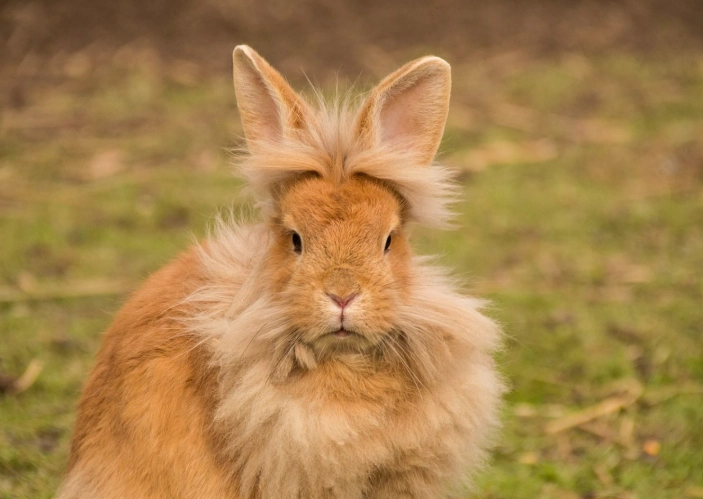
Ask yourself these questions before even looking at breeds:
- How much space do I really have? Not just for a cage, but for a permanent exercise pen or safe free-roam area.
- How much time do I have daily? All rabbits need at least 2-3 hours of out-of-enclosure time. Long-haired breeds need daily grooming.
- Who lives in my home? Young children? Other pets? Some breeds are more tolerant than others.
- What's my budget? Beyond adoption/purchase cost, factor in hay ($30-50/month for a large rabbit), vet bills (exotic vets cost more), and supplies.
- What's my ideal pet interaction? Do you want a cuddly lap bunny or an entertaining, independent character?
Honestly, I made the mistake of choosing based purely on looks with my first rabbit. I got a beautiful, high-strung rabbit that didn't match my busy schedule at the time. We loved each other, but it was stressful for both of us. My second rabbit was chosen based on temperament testing at a rescue, and it was a completely different, wonderful experience.
Adoption vs. Breeder: A Quick Reality Check
You can find many kinds of rabbits in shelters and rescues. Seriously. About 80% of the breeds I've mentioned end up in rescues at some point. Adoption is cheaper (usually $50-120 including spay/neuter) and you're giving a rabbit a second chance.
Breeders are good if you're set on a specific, rare breed or want a show-quality rabbit. But do your homework. A responsible breeder will health-test their stock and ask you as many questions as you ask them.
The USDA even has basic care guidelines for rabbits that are worth reading, regardless of where you get your pet. It sets a baseline for responsible ownership.
Caring for Different Kinds of Rabbits: The Universal Truths & The Breed-Specific Needs
All rabbits need certain things: unlimited hay (Timothy is standard), fresh water, daily vegetables, a spacious habitat, and social interaction. But some kinds of rabbits need extras.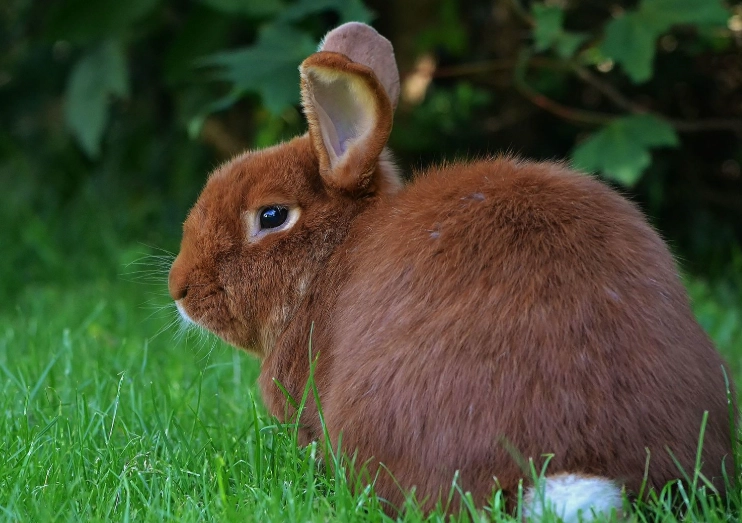
Diet tweaks: Giant breeds need more food, obviously. Dwarf breeds are prone to obesity, so you have to be careful with pellet portions. Wool breeds (Angoras) sometimes need a bit more protein in their diet to support hair growth.
Housing tweaks: Large and giant rabbits need extra-large everything—litter boxes, hideouts, tunnels. Their stuff needs to be sturdy. A Flemish Giant can destroy a flimsy cardboard hideout in minutes.
Health monitoring: Lop-eared rabbits need regular ear checks. Flat-faced breeds (like some dwarfs) can be prone to dental issues and need their teeth monitored. Long-backed breeds (like the English Spot) can be susceptible to spinal issues as they age.
The key is to research your specific breed's common health problems. The House Rabbit Society maintains a vet list, and finding a rabbit-savvy vet before you get the rabbit is non-negotiable.
Common Questions About Kinds of Rabbits
The Bottom Line: Look Beyond the Fluff
Exploring all the different kinds of rabbits is fascinating. There's a breed for almost every preference—tiny or massive, sleek or fluffy, playful or placid.
But after years of being around rabbits, here's my honest take: The best rabbit for you is the one whose needs you can reliably meet for its entire life. Don't get a high-maintenance Angora because the photos are stunning if you travel every other week. Don't get a giant breed because it's impressive if you live in a studio apartment.
The rabbit's personality will matter more than its pedigree. I've seen "aggressive" breeds turn into sweethearts in the right home, and "friendly" breeds become withdrawn in the wrong one.
So use this guide to narrow down the kinds of rabbits that might work for you. Think about size, grooming, and general temperament. Then, if possible, visit a responsible rescue. Sit on the floor. See which bunny comes to investigate you. That connection often tells you more than any breed description ever could.
Because at the end of the day, you're not just getting a type of rabbit. You're bringing home a friend.
And that's something all the different kinds of rabbits have in common—the potential to be an amazing companion.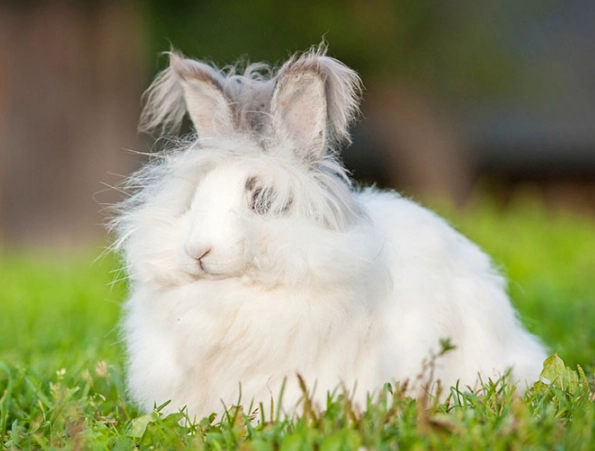
Comment