In This Guide
- The Science Bit: They Are the Same Species
- Where Did "Bunny" Even Come From?
- How We Use the Words Today: Context is King
- What About Hares? Throwing a Third Wheel into the Mix
- Why Does This Bunny and Rabbit Difference Even Matter?
- Thinking of Getting One? Look Beyond the Name
- Wrapping It Up: The Final Word on the Bunny and Rabbit Difference
So you're wondering about the bunny and rabbit difference. You're not alone. I was too, especially after my neighbor's kid pointed at my pet Netherland Dwarf and called it a "bunny," while my vet's paperwork always says "rabbit." It got me thinking—is there a real difference, or are we all just using different words for the same floppy-eared creature? Turns out, the answer is more interesting than you might think, and it goes way beyond simple semantics.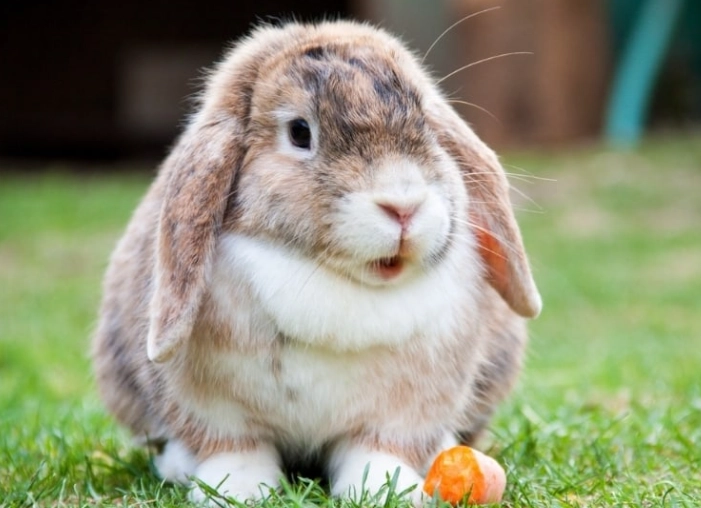
Let's clear one thing up right away. If you're in a hurry, the shortest answer is this: all bunnies are rabbits, but not all rabbits are called bunnies. Confused? Don't worry, we'll unpack that. The bunny and rabbit difference isn't a biological one. Scientifically, they're the same animal. The distinction lies in language, culture, and a heavy dose of human perception. It's the difference between a scientific term and a cultural nickname, between a formal label and a term of endearment.
The Science Bit: They Are the Same Species
From a strictly biological and taxonomic standpoint, there is zero difference. Whether you call it a bunny or a rabbit, you are referring to a mammal in the family Leporidae, order Lagomorpha. The domestic animals we keep as pets are descendants of the European rabbit (Oryctolagus cuniculus).
So, if a scientist is publishing a paper, they will always use "rabbit." You won't find "bunny" in a veterinary textbook or a zoological research document. This is the first key to understanding the difference between bunny and rabbit—one is the formal, scientific, and globally recognized term; the other is not.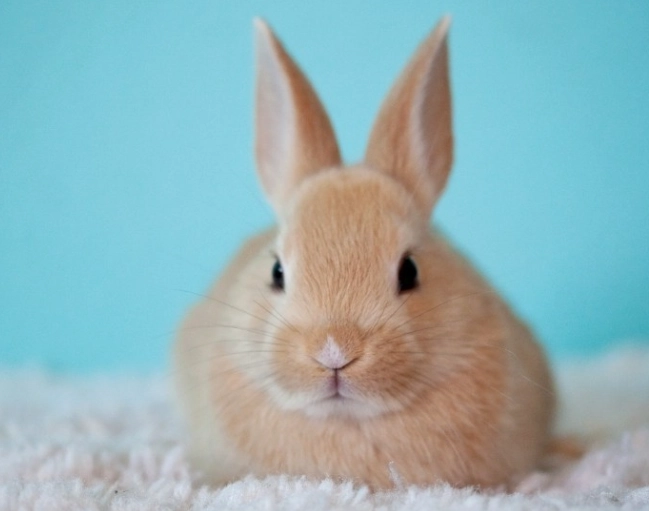
I remember trying to find "bunny" in my old biology textbooks. Nothing. It was all "rabbit anatomy," "rabbit digestion," and so on. That should tell you something about where the word holds weight.
Where Did "Bunny" Even Come From?
This is where history and linguistics get fun. The word "rabbit" has been around in English for centuries. "Bunny," on the other hand, is a much more recent and endearing invention.
Originally, "bun" was a Scottish and English term for a squirrel or a rabbit's tail. By the 1600s, it became a pet name for a rabbit, and "bunny" evolved as a cute, diminutive form. It was inherently informal and affectionate. While "rabbit" was the word used by farmers, hunters, and naturalists, "bunny" was the word used by children, in stories, and in contexts emphasizing cuteness.
This historical baggage is still attached to the words today. It's not just a random synonym; it carries a specific tone.
How We Use the Words Today: Context is King
This is the most practical part of the bunny and rabbit difference. You don't use them interchangeably in every situation. The choice of word sends a subtle signal.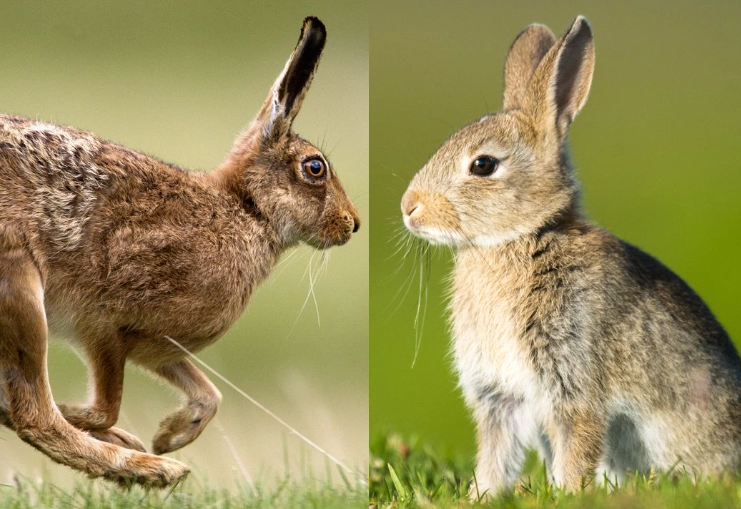
When People Usually Say "Rabbit"
- Formal & Scientific Settings: At the vet, in a pet store's care sheet, in biological research.
- Referring to Wild Animals: You see a cottontail in your yard. You'd almost always say, "Look, a wild rabbit!" Saying "wild bunny" sounds a bit childish.
- Discussing Breeds: "I have a Flemish Giant rabbit" or "Lionhead rabbits need grooming." Using "bunny" here (e.g., Flemish Giant bunny) can sound less knowledgeable to serious pet owners.
- Discussing Meat or Commercial Uses: For obvious reasons, the industry and agriculture use "rabbit." The term "bunny" is deliberately avoided as it evokes a pet-like connection.
When People Usually Say "Bunny"
- Referring to Baby Rabbits: This is the most common association. While "kitten" is the technically correct term for a baby rabbit, most of the public calls them bunnies.
- In Pet Contexts with a Cute Connotation: "Oh, what a cute little bunny!" "I'm a bunny mom." It emphasizes the pet-owner bond and the animal's adorable qualities.
- Holidays & Pop Culture: The Easter Bunny. Bugs Bunny. These iconic figures are never called the "Easter Rabbit" or "Bugs Rabbit." The name "bunny" is integral to their friendly, approachable character.
- Marketing & Products for Children: Stuffed animals, pajamas, storybooks. "Bunny" dominates because it's the softer, friendlier word.
See the pattern? Rabbit is general, formal, adult, and factual. Bunny is specific (often to young or pet animals), informal, cute, and emotional.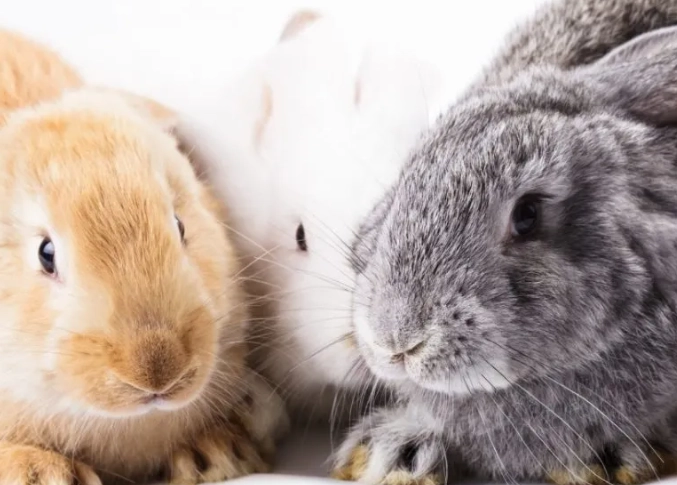
I've noticed in online rabbit owner communities, seasoned owners tend to use "rabbit" more often when giving care advice, while newcomers lean heavily on "bunny." It's almost a subtle marker of how long you've been in the world of lagomorphs.
What About Hares? Throwing a Third Wheel into the Mix
Now, if you really want to clear up confusion, the more important biological distinction isn't between bunny and rabbit, but between rabbit and hare. People mix these up all the time. Jackrabbits? They're hares. The Belgian Hare? It's actually a rabbit breed (confusing, I know).
This table breaks down the real, scientific differences. This is the stuff that actually matters for biology, not just semantics.
| Feature | Rabbits (and Bunnies!) | Hares |
|---|---|---|
| Birth & Development | Altricial. Born hairless, blind, and completely helpless in underground burrows (warrens). | Precocial. Born fully furred, eyes open, and mobile within a short time, in simple surface nests. |
| Social Structure | Highly social, live in complex colonies in warrens. | Mostly solitary, less social, don't dig complex burrows. |
| Physique | Generally smaller, with shorter ears and legs relative to body size. | Larger, with longer, powerful hind legs and much longer ears (often with black tips). |
| Response to Threat | Tend to freeze or flee to a nearby burrow. | Rely on extreme speed and endurance to outrun predators in open areas. |
| Common Examples | European Rabbit (ancestor of domestics), Cottontail, all domestic breeds. | Snowshoe Hare, Jackrabbit, Arctic Hare. |
See? That's a meaningful difference. The bunny vs rabbit debate pales in comparison to this. Calling a hare a rabbit is a factual error. Calling a rabbit a bunny is just a stylistic choice.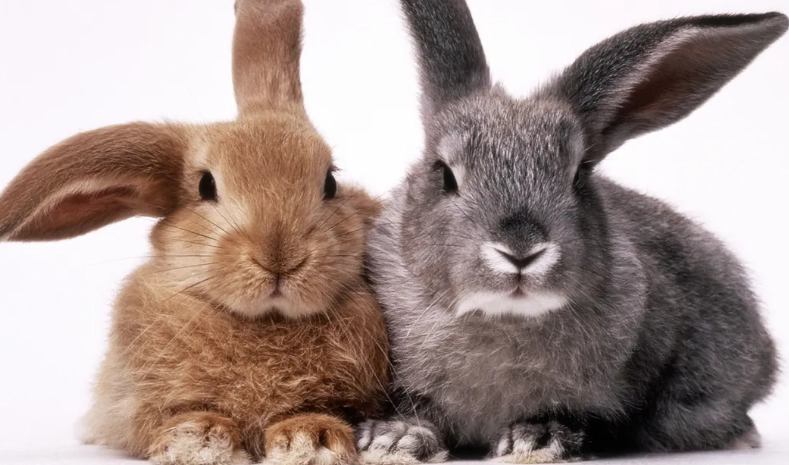
Myth Buster: Are "Bunnies" a Specific Breed?
No. Absolutely not. This is a common misconception. There is no rabbit breed officially called a "Bunny." Some small breeds like the Netherland Dwarf or Polish are often called "bunnies" because of their tiny, cute size, but it's not a breed name. It's a description.
Why Does This Bunny and Rabbit Difference Even Matter?
You might be thinking, "Okay, fine, but who cares?" Well, if you're a pet owner, or thinking of becoming one, it matters more than you'd think.
Using the right term can affect how seriously you're taken, especially when seeking information. If you search online for "bunny care," you'll get a mix of very basic, sometimes overly simplistic information, often aimed at children or first-time owners. Searching for "rabbit care" or "domestic rabbit care" is more likely to lead you to detailed, authoritative resources from veterinary associations and experienced breeders.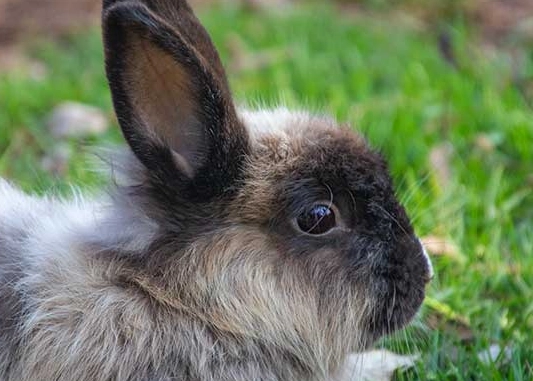
For instance, the House Rabbit Society is one of the most authoritative voices on rabbit welfare. Notice the name—it's not the House Bunny Society. Their materials are comprehensive and serious because rabbit care is serious business. They have an excellent care guide that covers everything from diet to housing. Similarly, the American Veterinary Medical Association (AVMA) provides professional care guidelines under the term "rabbit."
When I first got my rabbit, I searched for "bunny food." I was bombarded with ads for colorful, sugary treats that are terrible for them. When I finally searched "proper rabbit diet," I found the crucial information about unlimited hay, fresh greens, and limited pellets. The terminology guided me to very different quality of information.
Common Questions (FAQs) About Bunnies and Rabbits
Let’s tackle some of the specific, practical questions people have. This is where we move from theory to the stuff you actually want to know.
Is it wrong to call my pet rabbit a bunny?
Not at all! In your home, with your pet, call them whatever you like. Fluffy, Thumper, bunny, rabbit—it's all good. The affection is what matters. The distinction is more important in communication with others (like your vet) and when searching for information.
Do rabbits know if you call them a bunny?
No. They respond to the tone and consistency of your voice, not the specific word. If you always say "come here, bunny!" in a happy tone, they'll associate that sound with your attention or food.
What do you call a group of them? Is it a herd of bunnies?
The collective noun for rabbits is a colony, a warren (referring to the group living in a burrow system), or a fluffle. Yes, a fluffle! That's arguably the cutest collective noun in the English language. You could informally say "a bunch of bunnies," but the correct terms are colony or warren.
Why is the Easter animal called the Easter Bunny and not the Easter Rabbit?
This perfectly illustrates the cultural rule. The Easter figure is meant to be a magical, friendly, child-centric character. "Easter Rabbit" sounds too formal and zoological. "Easter Bunny" conveys the exact right feeling of whimsy and cuteness that the holiday markets. It's a branding choice that's centuries old.
It's funny how that works. The same animal, two different words, two completely different feelings.
Thinking of Getting One? Look Beyond the Name
Whether you call them rabbits or bunnies, if you're considering one as a pet, please understand what you're signing up for. This is my personal soapbox after years of ownership.
They are not "starter pets" or low-maintenance. They are complex, intelligent, social animals that can live 10+ years. They require spacious enclosures (not tiny hutches), specialized veterinary care (exotic vets are a must), a specific diet, and lots of social interaction. They can be litter-trained, but they also love to chew—your cables, your baseboards, your furniture are not safe.
The initial cuteness of a "bunny" often leads to impulsive purchases, especially around Easter. Many of these animals end up in shelters when people realize the work involved in caring for a full-grown rabbit. Shelters like those networked through the Petfinder site are often full of rabbits who need a second chance.
Do your research with the right keywords. Search for "rabbit adoption," "rabbit housing requirements," "rabbit veterinary costs." You'll get a much more realistic picture than if you just search for "cute bunny."
Wrapping It Up: The Final Word on the Bunny and Rabbit Difference
So, let's settle this once and for all.
Scientifically and biologically: There is no difference. Bunny and rabbit refer to the same animal. The accurate, formal term is always "rabbit."
Culturally and linguistically: There is a significant difference in connotation. "Rabbit" is the standard, neutral, all-ages term. "Bunny" is a colloquial, affectionate term that strongly implies youth, small size, cuteness, and domestication. It's the difference between the species name and its most popular nickname.
The most important practical takeaway is to use this knowledge to find better information. When you need serious care advice, lean on the term "rabbit" in your searches and conversations. It will steer you toward more authoritative sources. Save "bunny" for the cuddles, the nicknames, and the holiday celebrations.
At the end of the day, whether you have a rabbit, a bunny, or a fluffle-eared hopper, they are fascinating creatures that deserve our understanding and proper care. And now, the next time someone asks you about the bunny and rabbit difference, you can give them the full story—not just the simple answer, but the interesting why behind it all.
Now, if you'll excuse me, my rabbit—who I privately call my grumpy old bunny—is staring at me because it's time for his evening greens. The titles may differ, but the demands are always clear.
Comment