Explore This Guide
- What Exactly Is a Dutch Rabbit? The Breed Standard Unpacked
- The Dutch Rabbit Personality: Friendly or Feisty?
- The Real Deal on Dutch Rabbit Care: It's More Than Just a Cage
- Finding and Choosing Your Dutch Rabbit
- Answering Your Burning Questions About the Dutch Rabbit Breed
- The Final Word: Is the Dutch Rabbit Right for You?
Let's be honest, when you picture a rabbit, there's a good chance the image in your head looks a lot like a Dutch Rabbit. You know the one—that classic, almost cartoonish look with the perfect white blaze on the face, the white saddle over the shoulders, and the colored rear end. It's the rabbit from storybooks and pet food logos. But what's it actually like to live with one of these iconic bunnies? Is the Dutch Rabbit breed just a pretty face, or is there more to the story?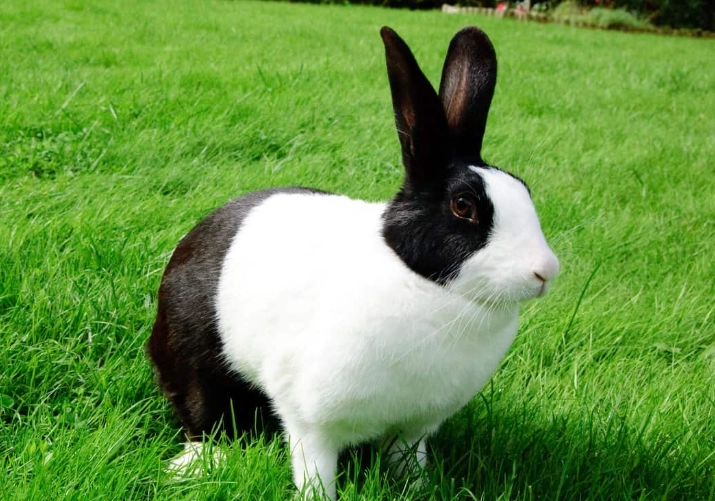
I've talked to breeders, spent time with owners, and dug through more rabbit care forums than I'd care to admit. What I found is a breed with a fascinating history and a personality that might surprise you. They're not just a "beginner" rabbit, despite what some lists say. They have their own quirks, needs, and charms that make them unique in the rabbit world.
What Exactly Is a Dutch Rabbit? The Breed Standard Unpacked
The Dutch Rabbit is one of the oldest and most easily recognized rabbit breeds in the world. Its history is a bit murky, but most agree it was developed in England in the 1830s, possibly from smaller breeds crossed with wild rabbits, and was originally called the "Hollander." It was bred for meat and fur initially, but its striking, consistent markings quickly made it a show and pet favorite. The American Rabbit Breeders Association (ARBA), the main governing body for rabbit breeds in the US, has a very specific standard for the Dutch breed that goes far beyond just being black and white.
The hallmark is the pattern, which is a study in contrasts. It's not random; it's precise. The ideal Dutch Rabbit has a wedge of white (the "blaze") running up the face, dividing the colored cheeks. The white encircles the neck and front body in a clean, even saddle. The rear half of the body, the ears, and the cheeks are a solid, dense color. The line dividing the white saddle from the colored rear (the "middle line") should be as straight as possible, right behind the shoulders. The feet are white from the toenails up.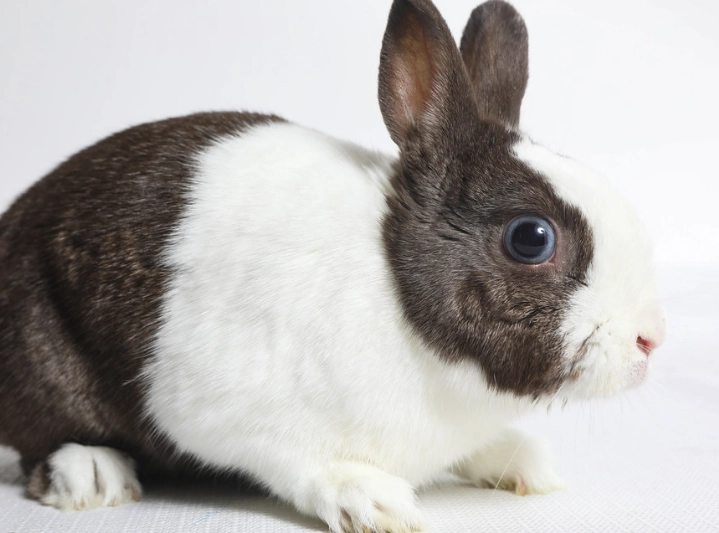
And about those colors! While the classic is the black Dutch (the one everyone knows), the breed comes in several ARBA-recognized varieties. You might find a blue Dutch (a slate gray), a chocolate Dutch (rich brown), a gray Dutch (agouti, like a wild rabbit), a steel Dutch (black with gold-tipped hairs), or a tortoise Dutch (a mix of black and orange). Finding some of these can be a fun challenge for an enthusiast.
| Color Variety | Description | Commonality |
|---|---|---|
| Black | Jet black rear, ears, and cheeks. The classic. | Most common and widely available. |
| Blue | Slate blue-gray color, medium density. | Fairly common among dedicated breeders. |
| Chocolate | Rich, medium brown color. | Less common, a favorite for its unique look. |
| Gray | Agouti (banded hairs) like a wild cottontail. | Less common, offers a "natural" look. |
| Tortoise | Mix of black and orange hairs (not a solid patch). | Rarer, often sought after by exhibitors. |
Size-wise, they're a compact breed. The ARBA standard calls for an ideal weight of 3.5 to 5.5 pounds. They're not dwarf rabbits (those have a specific dwarf gene), but they're small and manageable. This medium-small size is a big part of their appeal—they don't need a massive amount of space, but they're not so tiny that they feel overly fragile.
The Dutch Rabbit Personality: Friendly or Feisty?
This is where things get interesting. Ask ten Dutch Rabbit owners about their pet's personality, and you might get eleven different answers. Generalizations in the rabbit world are tricky because so much depends on individual temperament, upbringing, and socialization. But there are some common threads I've noticed.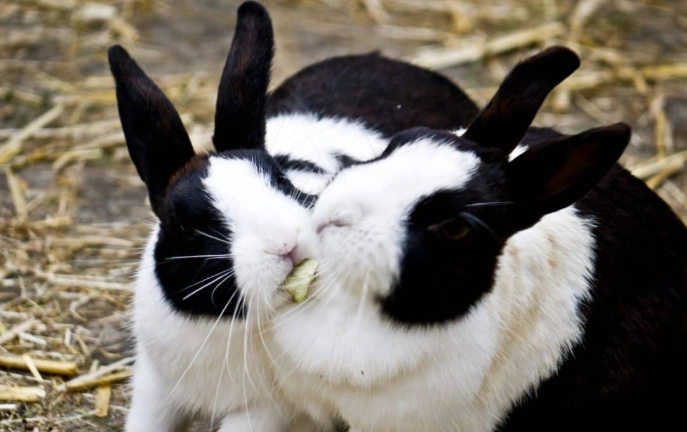
Many describe their Dutch Rabbits as alert, active, and curious. They have a reputation for being a bit more independent and confident than some of the more laid-back giant breeds. One breeder told me, "They have a spark. They're not just sitting there looking pretty." They often enjoy exploring and can be quite playful with the right toys—think tossing cardboard tubes or pushing balls around.
They can be very friendly and social once they trust you. A well-socialized Dutch Rabbit breed member will happily hop over to greet you, nudge your hand for pets, and follow you around during out-of-cage time. They can form strong bonds with their humans. However, that initial trust isn't always automatic. Some can be a bit reserved or skeptical at first, especially if they haven't been handled gently from a young age.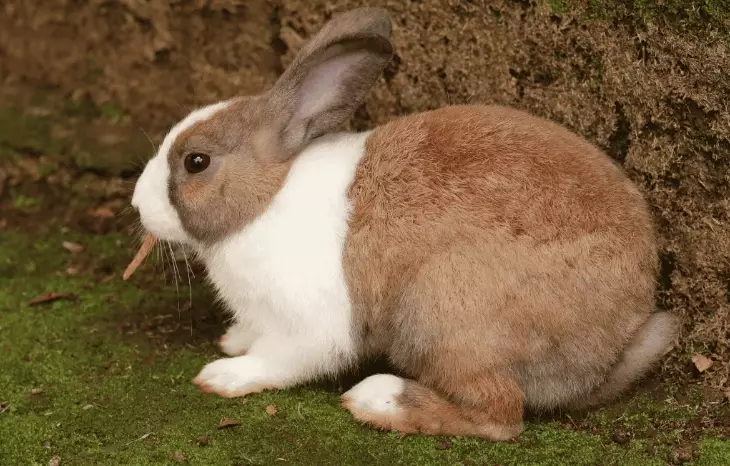
Here's a personal opinion based on what I've gathered: I think their intelligence and energy are sometimes mistaken for stubbornness. They learn quickly, which means they can learn what they don't want to do just as fast as what you want them to do. Luring them with a treat often works better than trying to force them.
Are Dutch Rabbits Good with Kids and Other Pets?
This is a huge question for families. The Dutch's manageable size and sturdy build can make them seem like a good fit for children. And they can be, but with massive, non-negotiable caveats.
First, no rabbit is a "plaything" for a young child. They are prey animals that startle easily. A Dutch Rabbit's tolerance for loud noises, sudden movements, or tight squeezing is low. They can bite or scratch if frightened or mishandled. The responsibility for the rabbit's care and well-being must always lie with a supervising adult. Interactions should be calm, seated on the floor, and focused on gentle petting, not carrying.
As for other pets, the classic rule applies: always supervise. A Dutch Rabbit can potentially live peacefully with a calm, rabbit-savvy cat or dog, but introductions must be incredibly slow and controlled. The rabbit must always have a safe, high-sided place to retreat to where the other pet cannot follow. Their small size makes them vulnerable, so never assume it will be fine. The House Rabbit Society has excellent resources on introducing rabbits to other pets that are worth reading twice.
The Real Deal on Dutch Rabbit Care: It's More Than Just a Cage
Okay, let's get practical. You've fallen for those cute markings, but are you ready for the daily reality of caring for a Dutch Rabbit breed member? Their needs are the same as any rabbit, but their active nature means you can't skimp on space and enrichment.
Housing: Think Apartment, Not Studio
The absolute minimum cage size recommended by experts is 4 feet by 2 feet, but bigger is always, always better. A Dutch Rabbit needs space to take at least 3-4 hops in a row. Many owners now use large dog exercise pens (x-pens) set up on a washable mat or laminate flooring, which provides fantastic flexible space. The cage is just their home base; they need several hours of supervised time outside it every day to run, jump, and explore a rabbit-proofed room.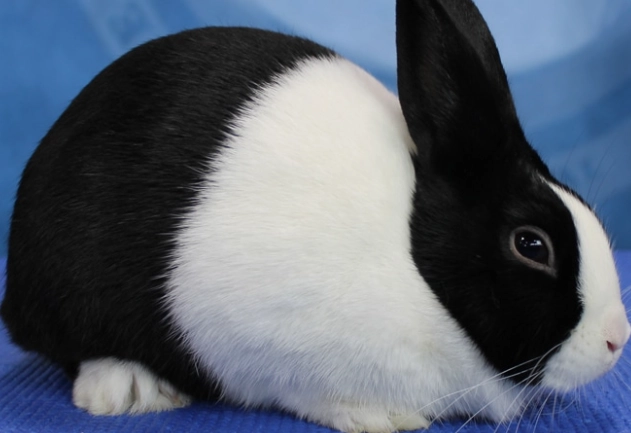
Inside, they need a litter box (yes, most can be litter-trained quite easily!), a heavy ceramic bowl for water (or a bottle as a backup), a hay rack constantly filled with fresh hay, and a hidey-house where they can feel completely secure. No wire flooring—that's a recipe for sore hocks (ulcers on their feet).
Diet: Hay, Hay, and More Hay
The foundation of a healthy Dutch Rabbit diet is unlimited, high-quality grass hay. Timothy hay is the gold standard for adults. Alfalfa hay is too rich in calcium and protein for adult rabbits and is only for babies. Hay keeps their ever-growing teeth worn down and their digestive system moving. I can't stress this enough—if they stop eating hay, it's a veterinary emergency.
- 80% Unlimited Grass Hay: Timothy, Orchard, Oat, Meadow hay.
- 15% Fresh Vegetables: A packed cup per 2 lbs of body weight daily. Romaine, cilantro, bell peppers, bok choy, carrot tops (not the sugary carrot itself daily).
- 5% Pellets: Just a small, measured amount (about 1/4 cup for a 4lb Dutch) of plain, high-fiber timothy-based pellets. No colorful mixes with seeds and corn.
- Treats Sparingly: A tiny slice of apple or banana, a raspberry or two.
Fresh, clean water must be available at all times, changed daily.
Grooming and Health
The Dutch Rabbit's coat is short, rollback fur, which is relatively low-maintenance. A weekly brushing with a soft slicker brush is usually enough to remove loose hair and prevent them from ingesting too much during self-grooming. During heavy shedding seasons (spring and fall), you might need to brush every other day.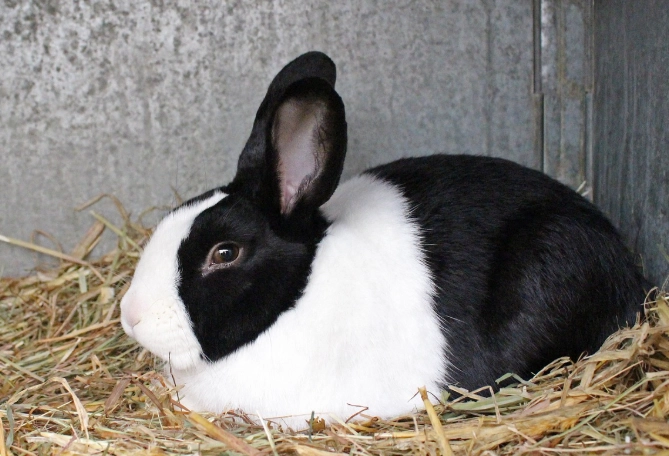
Their nails need trimming every 4-6 weeks. Their teeth need checking regularly for malocclusion (misalignment), which can prevent proper eating. This is why the hay is so critical—it's their natural tooth file.
You must find a veterinarian who is experienced with rabbits (an "exotic" vet). They are not small cats or dogs; their physiology and medications are different. A yearly check-up is a must. The most important thing you can do for their health is to get them spayed or neutered. This prevents reproductive cancers (very high risk in intact females), reduces hormonal aggression and territorial spraying/chewing, and generally gives them a calmer, longer life.
Wait, What About Common Health Problems?
Dutch Rabbits are generally robust, but they are prone to the same issues as all rabbits. Gastrointestinal (GI) stasis is the big one—a slowdown or halt of the gut, often caused by diet, stress, or pain. Signs include not eating, not pooping, and lethargy. This is an emergency.
Dental issues, as mentioned, due to those constantly growing teeth. Ear mites, upper respiratory infections (snuffles), and sore hocks from poor flooring are also seen. A good diet, clean environment, and proactive vet care are your best defenses.
Finding and Choosing Your Dutch Rabbit
So, you're committed. Where do you get one? You have two main ethical options: a responsible breeder or a rescue/shelter.
Responsible Breeders: A good breeder focuses on health, temperament, and adherence to the breed standard. They will raise kits (babies) in a home environment, handle them daily, and start litter-training. They will ask you questions about your home and experience. They will provide pedigree papers (if you're interested in showing) and a health guarantee. They will want the rabbit back at any time if you can't keep it. Avoid breeders who have many breeds, always have litters available, sell in pet stores, or won't let you see where the rabbits are raised. The ARBA website can help you locate breeders in your area.
Rescues and Shelters: This is a wonderful option. There are always rabbits in need of homes, and purebred Dutch Rabbits are not uncommon in shelters. You might get an adult whose personality is already known, who is already spayed/neutered and litter-trained. You are literally saving a life. Organizations like the House Rabbit Society have networks of foster homes and adoptable rabbits.
When you meet a potential rabbit, look for clear, bright eyes, a clean nose and bottom, and a curious, alert demeanor. It should feel solid, not bony or bloated. Watch how it interacts with the breeder or foster. A little shyness is okay, but outright fear or aggression is a red flag.
Answering Your Burning Questions About the Dutch Rabbit Breed
The Final Word: Is the Dutch Rabbit Right for You?
Look past the iconic markings for a moment. The Dutch Rabbit breed offers a compact, intelligent, and often charming companion. They can be a joy to watch as they explore and play. Their size makes them suitable for many living situations, provided you give them ample out-of-cage time.
But they demand respect. They are not decorative pets. They require a significant investment of time, money (for proper setup, vet bills, supplies), and emotional energy. You need to be okay with a pet that shows affection on its own terms—a nose bump, a quiet presence near you, accepting a treat from your hand.
If you're looking for a soft, cuddly toy, look elsewhere. If you're fascinated by animal behavior, want to build a trust-based relationship with a unique creature, and are prepared for a decade of responsibility, then the delightful, striking Dutch Rabbit might just hop right into your heart and home.
Do your homework. Talk to owners. Visit a rabbit rescue. See the reality of their care. If it all still sounds good, then you might be ready for one of the most recognizable and rewarding companions in the rabbit world.
Comment